Putri Inara
The Economic Landscape of the Modern Creator Economy
The debate surrounding the profitability of blogging often oscillates between two extreme narratives. On one end of the spectrum, marketing campaigns frequently promise rapid, million-dollar returns to sell specialized products or coaching services. Conversely, a skeptical faction of digital analysts argues that blogging as a primary income source is an impossibility, suggesting that those claiming full-time status are often obfuscating their true revenue sources or relying solely on the "meta-niche" of teaching others how to make money.
However, a middle-ground reality has emerged, supported by data from the ProBlogger community and broader industry trends. Current estimates suggest that the "Creator Economy" is now valued at approximately $250 billion, with expectations to reach nearly half a trillion dollars by 2027. Within this framework, blogging remains a foundational pillar. Evidence suggests that bloggers in diverse sectors—ranging from fashion and food to woodworking and photography—have successfully transitioned from part-time enthusiasts to business owners who employ staff and manage complex corporate structures.
A Statistical Analysis of Blogger Earnings
To understand the financial viability of blogging, one must examine the distribution of income across the sector. A comprehensive survey of 1,500 active bloggers reveals a significant disparity in earnings, highlighting the difficulty of achieving a "middle-class" income in the digital space.
According to the survey data, the majority of bloggers attempting to monetize their platforms are not yet earning a living wage. Approximately 10% of respondents reported zero earnings, while 28% earned less than 30 cents per day. In total, 63% of the surveyed group generated less than $3.50 per day. These figures underscore the fact that for the vast majority, blogging remains a low-yield endeavor in its initial stages.
Despite these low averages, the "top tier" of the survey demonstrates the high ceiling of the profession. Four percent of respondents reported monthly earnings exceeding $10,000, placing them in a six-figure annual income bracket. An additional 9% earned more than $1,000 per month, which serves as a significant supplement to traditional employment or, in some regions, a part-time living. This data suggests a "Power Law" distribution, where a small percentage of creators capture the majority of the market value.
The Chronology of Growth: The Four-Year Threshold
One of the most critical findings regarding blogging profitability is the direct correlation between longevity and income. Digital entrepreneurship is rarely a "get-rich-quick" venture; rather, it is an exercise in compounding returns.

Analysis of high-earning bloggers (those in the $10,000+ per month bracket) shows that 85% of them had been blogging for at least four years. The remaining percentage had generally been active for at least three years. This timeline reflects the time required to build several key business assets:
- Search Engine Authority: It takes years for a domain to build the trust necessary to rank for high-value keywords.
- Audience Loyalty: Building a community that trusts a creator’s recommendations or is willing to purchase products requires consistent engagement over time.
- Content Library: A significant portion of a blog’s income often comes from "evergreen" content written years prior that continues to attract traffic.
- Brand Reputation: Establishing a presence that attracts high-paying sponsors or speaking engagements is a multi-year process.
Diversification of Revenue: Beyond Traditional Advertising
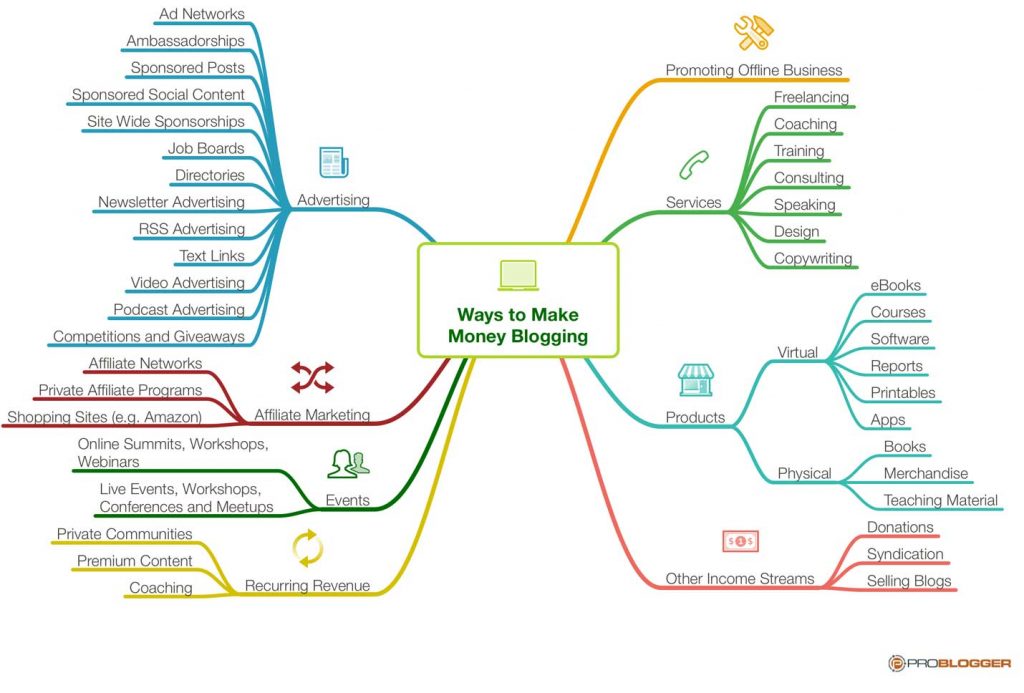
A common misconception in the blogging industry is that income is derived solely from display advertisements, such as Google AdSense. However, an analysis of successful Australian and international bloggers reveals a highly diversified revenue model. At the Melbourne ProBlogger event, a cross-section of successful creators demonstrated that there is no single formula for monetization.
Case studies include creators like Sarah Wilson (wellness), Ana White (woodworking), and Tsh Oxenreider (simple living). These individuals do not generate income by teaching "how to blog." Instead, they utilize their platforms to sell a variety of products and services, including:
- Physical and Digital Products: E-books, woodworking plans, and wellness programs.
- Affiliate Marketing: Earning commissions by recommending third-party tools or lifestyle products.
- Membership Models: Creating "walled gardens" where users pay a recurring fee for premium content or community access.
- Offline Opportunities: Leveraging blog authority to secure traditional book deals, public speaking engagements, and consulting contracts.
- Direct Sponsorships: Partnering with brands for bespoke content campaigns that bypass traditional ad networks.
This multi-faceted approach provides a "financial safety net," ensuring that a change in a single platform’s algorithm (such as a Google Search update or a Facebook reach decline) does not result in the total collapse of the business.
The Operational Intensity of Professional Blogging
The narrative of "passive income" is frequently associated with blogging, yet industry veterans describe a high-intensity work environment. Building a profitable blog requires a mastery of four distinct operational areas:
1. Content Strategy
The creation of original, high-quality content is a daily requirement. This involves not only writing but also photography, video production, and graphic design. Professional bloggers must balance "trending" topics with "evergreen" content to maintain consistent traffic flows.
2. Audience Acquisition
Finding readers in an increasingly crowded digital marketplace requires sophisticated knowledge of Search Engine Optimization (SEO), social media marketing, and email list management. The modern blogger must act as a digital marketer to ensure their content reaches its intended demographic.
3. Community Engagement
Successful monetization is often dependent on the depth of the relationship between the creator and the reader. This involves managing comments, engaging on social platforms, and fostering a sense of community. Engagement is the metric that often dictates the success of affiliate promotions and product launches.
4. Business Monetization and Administration
As a blog grows, the administrative burden increases. This includes monitoring analytics, managing technical infrastructure (hosting, security, site speed), handling tax and legal obligations, and negotiating contracts with sponsors. Many full-time bloggers eventually transition into the role of a CEO, managing a small team of freelancers or employees to handle these tasks.
Broader Impact and Industry Implications
The professionalization of blogging has broader implications for the media industry and the future of work. As traditional newsrooms have shrunk, independent bloggers have stepped in to fill the void in niche reporting and specialized information. This shift has democratized the publishing industry, allowing voices from diverse backgrounds to build global platforms without the need for traditional gatekeepers.
However, the rise of Artificial Intelligence (AI) and the volatility of search engine algorithms present new challenges. The "helpful content" updates recently implemented by major search engines have emphasized the need for "Experience, Expertise, Authoritativeness, and Trustworthiness" (E-E-A-T). For bloggers, this means that the bar for quality has been raised; generic content is no longer sufficient to maintain a profitable business.
Conclusion
The evidence confirms that while it is entirely possible to earn a full-time living through blogging, it remains a difficult and long-term pursuit. The "overnight successes" often cited in marketing materials are typically the result of years of invisible labor. For the small percentage who reach the top income brackets, blogging functions as a sophisticated media business rather than a simple hobby.
As the creator economy continues to evolve, the distinction between "bloggers" and "content entrepreneurs" will likely blur. Success in this field requires a blend of creative talent, technical savvy, and entrepreneurial persistence. While the majority of participants may only earn enough to cover their "coffee money," the path to a six-figure business remains open to those willing to navigate the four-to-five-year growth cycle and the operational rigors of the digital age.