Putri Inara
The Professionalization of the Blogosphere
The transition of blogging from a hobbyist pursuit to a legitimate business model began in earnest in the early 2000s. Pioneers in the field, such as those behind major niche sites like ProBlogger and Digital Photography School, established the groundwork for what is now a multi-billion dollar content marketing industry. Data indicates that for those who successfully monetize, the journey is rarely instantaneous. Most professional bloggers report a timeline of several years before achieving a sustainable full-time income.
In the current market, the "make money online" (MMO) niche is often criticized as a circular economy where the only profitable participants are those teaching others how to profit. However, a broader examination of the industry reveals that the most robust financial successes are found in "traditional" niches. Professional bloggers in Australia and globally are currently generating significant revenue in sectors as diverse as interior design, fashion, woodworking, photography, and wellness.
Statistical Breakdown of Blogging Income
To understand the economic landscape of digital publishing, it is necessary to examine the distribution of earnings among active practitioners. A comprehensive survey of over 1,500 digital publishers provides a snapshot of the industry’s financial realities. The data reveals a significant disparity between the top earners and the general population of bloggers.
According to the survey results, approximately 63% of bloggers attempting to monetize their platforms earn less than $3.50 per day. Within this group, 10% report zero earnings, while 28% earn less than 30 cents per day. These figures underscore the difficulty of achieving immediate financial traction in a saturated market.
Conversely, the survey identifies a high-performing minority. Approximately 4% of respondents reported monthly earnings exceeding $10,000, placing them in a high-income bracket of six figures per year. An additional 9% earned more than $1,000 per month, which, depending on the region, constitutes a significant part-time or supplemental income. These findings suggest that while the "long tail" of blogging is populated by low-earners, there is a proven path to high-level commercial success for a dedicated percentage of creators.

The Chronology of Monetization: A Long-Term Investment
One of the most critical factors in blogging success is longevity. Analysis of high-earning bloggers—those making over $10,000 per month—reveals a clear correlation between time and profit. Approximately 85% of bloggers in the top income bracket have been operating their platforms for at least four years.
The typical trajectory for a successful professional blog follows a distinct chronology:
- The Foundation Phase (0–12 Months): Characterized by content creation and audience building with little to no financial return.
- The Traction Phase (12–24 Months): Small, incremental increases in revenue, often covering hosting costs and providing a minor supplemental income.
- The Scaling Phase (2–4 Years): The point at which the blog may transition from a hobby to a part-time job or a small business.
- The Professional Phase (4+ Years): For the top tier of creators, this is the period where the platform achieves full-time viability and begins to employ additional staff or contractors.
Diversification of Revenue Streams
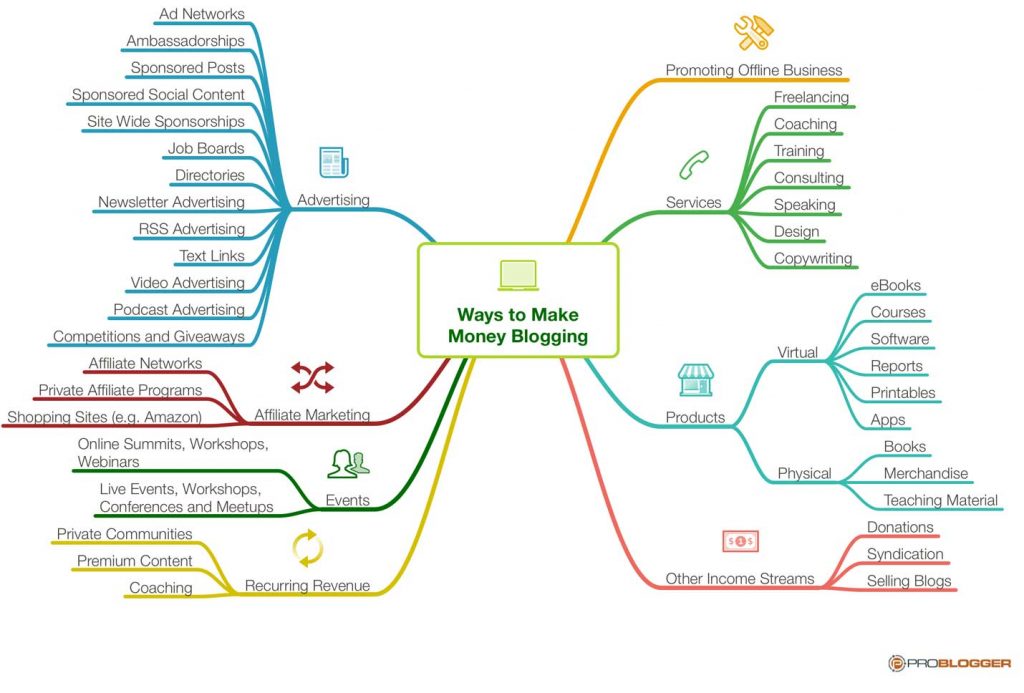
The modern professional blogger does not rely on a single source of income. Unlike the early days of the internet, which were dominated by simple display advertising (such as Google AdSense), today’s digital entrepreneurs utilize a "money map" of diverse monetization strategies.
At recent industry events, such as the ProBlogger conference in Melbourne, successful Australian bloggers demonstrated a wide variety of business models. For example:
- Lucy Feagins (The Design Files): Focuses on high-end design content, leveraging brand partnerships and curated events.
- Nikki Parkinson (Styling You): Combines fashion blogging with retail, selling specific clothing lines directly to her engaged audience.
- Ana White (Woodworking): Monetizes through detailed project plans and partnerships within the home improvement sector.
- Sarah Wilson (I Quit Sugar): Successfully transitioned from a blog to a global health movement, utilizing book deals, digital programs, and branded products.
Common monetization methods currently utilized across the industry include affiliate marketing, the sale of e-books and online courses, membership areas, sponsored content, public speaking engagements, and consulting services. This diversification acts as a safeguard against fluctuations in any single market, such as changes in advertising rates or search engine algorithms.
Strategic Pillars of a Profitable Blog
The shift from a "digital diary" to a commercial entity requires a strategic focus on four primary pillars. Industry experts agree that a deficiency in any of these areas can prevent a blog from reaching financial viability.
- Content Excellence: The creation of original, helpful, and engaging material is the baseline requirement. In an era of AI-generated content, high-value, human-centric expertise is becoming a premium commodity.
- Audience Acquisition: Finding and attracting readers through Search Engine Optimization (SEO), social media, and networking is essential for scale.
- Community Engagement: Professional blogging differs from traditional journalism in its level of interactivity. Building trust and a loyal "tribe" of readers is what allows bloggers to eventually sell products or services.
- Monetization Logic: This involves the strategic implementation of revenue-generating tools that align with the audience’s needs and the blog’s niche.
Analysis of Labor and Passive Income Myths
A significant portion of the "make money blogging" marketing focuses on the concept of "passive income." However, veteran publishers argue that this is a misnomer. While a blog post written years ago can continue to generate revenue, the infrastructure required to maintain a profitable site involves intensive daily labor.
The workload of a professional blogger typically includes content research, writing, photography or video production, community management, technical website maintenance, data analysis, and business development. As the platform grows, the role often shifts from "creator" to "editor-in-chief" or "CEO," involving the management of contributors and virtual assistants. The assertion that blogging offers an "easy" alternative to traditional employment is unsupported by the experiences of those at the top of the field.
Broader Implications for the Media Landscape
The rise of the professional blogger has significant implications for the broader media and advertising industries. As audiences continue to fragment into niche interests, traditional "mass media" outlets have seen a decline in influence. Niche bloggers often command higher levels of trust than corporate media brands, making them highly attractive to advertisers seeking targeted demographics.
This democratization of media allows individuals with specialized knowledge—whether in photography, parenting, or woodworking—to bypass traditional gatekeepers and build their own media empires. While the majority of participants will not reach the six-figure threshold, the existence of this 4% demonstrates that the digital economy has created a new class of "solopreneurs" and small-scale media moguls.
Conclusion
The evidence suggests that while blogging is not a guaranteed path to wealth, it is a legitimate and scalable business model for those willing to commit to a multi-year development cycle. The disparity in earnings highlighted by industry surveys serves as a cautionary note: the barrier to entry is low, but the barrier to professional success remains high, requiring a combination of creative output, technical savvy, and business endurance. As the digital landscape continues to evolve, the most successful practitioners will likely be those who view their blogs not merely as websites, but as the hubs of diverse, multi-channel brands.