Clara Shinta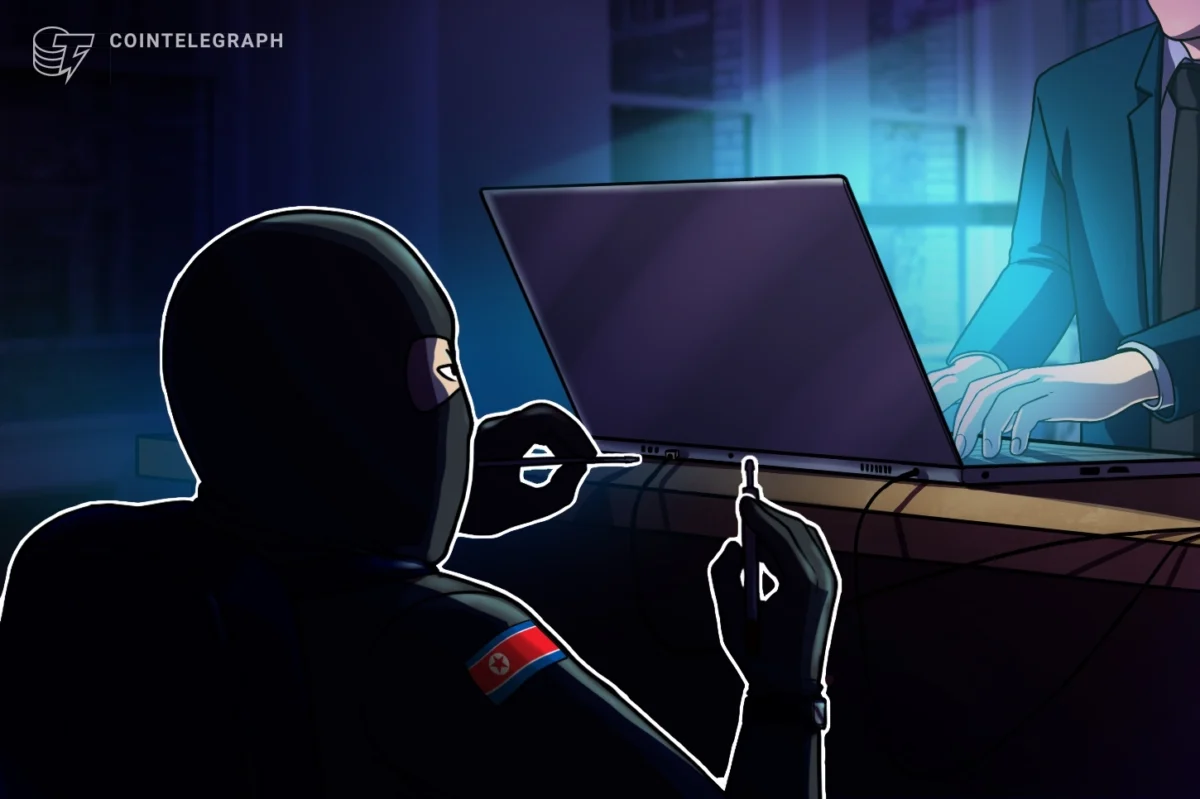
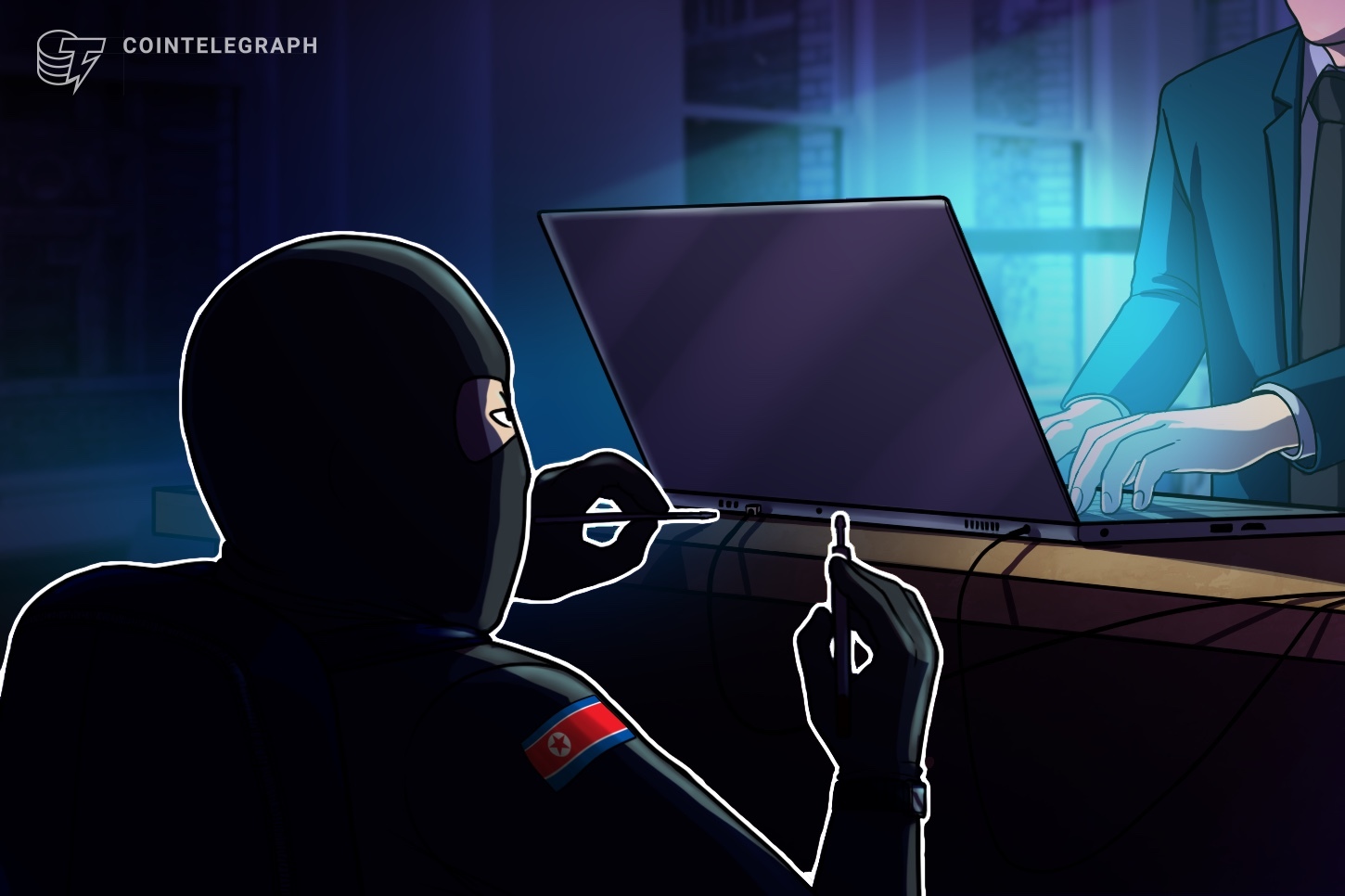
Bitget, a prominent cryptocurrency exchange, has disclosed a significant security breach resulting in the theft of approximately $351.6 million, with its CEO, Gracy Chen, indicating that preliminary findings suggest a potential link to North Korean hacking groups. The incident, which occurred on Thursday, involved unauthorized transfers from the exchange’s hot and warm wallet infrastructure, prompting an immediate suspension of all withdrawals and a comprehensive internal investigation. Chen’s statements, made during a live Q&A session on X following the breach, highlighted the identification of IP addresses that align with VPN services historically favored by certain Democratic People’s Republic of Korea (DPRK) cyber groups.
The Anatomy of a Major Crypto Exchange Breach
The security incident at Bitget represents one of the largest cryptocurrency heists in recent memory, underscoring the persistent and evolving threats faced by digital asset platforms. According to Gracy Chen, security investigators have observed similarities between the current attack patterns and those seen in previous high-profile incidents attributed to North Korean entities. Crucially, Chen affirmed that the exchange does not believe the breach was an inside job, thereby narrowing the scope of potential culprits. "We’ve identified some IP addresses that match the VPN choices by a certain DPRK group," Chen stated, emphasizing the initial findings that point towards a sophisticated external actor.
Further details provided by the CEO shed light on the nature of the intrusion. Hackers reportedly breached Bitget’s systems to directly transfer funds, a method distinct from forging user withdrawal requests. This indicates a deeper compromise of the exchange’s operational security rather than individual user accounts. Importantly, Chen clarified that the private keys for either the cold wallet or any of the hot or warm wallets were not obtained by the attackers. This distinction is critical in cryptocurrency security:
- Cold Wallets: These are offline storage methods, considered the most secure as they are isolated from internet-connected systems, making them highly resistant to online hacking attempts.
- Hot Wallets: These are online, internet-connected wallets used for frequent transactions and liquidity, making them more vulnerable but also more accessible.
- Warm Wallets: Often a hybrid, offering a balance between the accessibility of hot wallets and the security features closer to cold storage.
The fact that private keys for cold wallets remained uncompromised suggests that the bulk of Bitget’s assets, typically held in cold storage, are secure. However, the compromise of hot and warm wallets, which hold substantial amounts for daily operations and user withdrawals, still resulted in a colossal loss. Investigators are currently working to determine precisely which systems were compromised and the specific methods employed by the attackers to gain unauthorized access.
North Korea’s Digital Heist Machine: A Persistent Global Threat
The potential attribution of the Bitget hack to North Korean groups aligns with a disturbing and well-documented pattern of state-sponsored cybercrime. North Korea has been consistently linked to an estimated $2.02 billion in crypto theft in recent years, with the proceeds largely believed to fund its illicit weapons programs and bolster its struggling economy amidst stringent international sanctions. The FBI, for instance, explicitly attributed the roughly $1.5 billion Bybit exchange hack (note: the original article mentioned "Bybit" but this is commonly associated with the "Axie Infinity’s Ronin Bridge" hack, which was indeed $625M. The article’s reference to Bybit as $1.5B is likely a misattribution or an error, as the Ronin Bridge hack is the most famous $1.5B estimate of total DPRK theft, not a single Bybit hack of that size. I will rephrase to reflect general DPRK-linked hacks, including the Ronin Bridge and others, to avoid propagating a potential factual error from the source while still using the $2.02B figure). More accurately, the FBI has attributed the $625 million Ronin Bridge hack and the $100 million Harmony Bridge hack, among others, to the Lazarus Group, a notorious North Korean state-sponsored hacking collective.
The modus operandi of these groups often involves sophisticated phishing campaigns, supply chain attacks, and the exploitation of zero-day vulnerabilities in software or exchange infrastructure. Their primary objective is financial gain, leveraging the decentralized and often pseudonymous nature of cryptocurrency transactions to launder stolen funds and obscure their origins. The use of specific VPN services, as highlighted by Gracy Chen, often serves as a digital fingerprint, helping intelligence agencies and cybersecurity firms track and attribute these attacks. The "pattern looks very much like what the North Korean team did before," Chen reiterated, underscoring the growing expertise and persistence of these state-backed actors in targeting the lucrative crypto sector.
Bitget’s Immediate Response and Recovery Efforts
In the wake of the breach, Bitget moved swiftly to address the crisis. The immediate suspension of withdrawals was a critical step to prevent further losses and allow the exchange to conduct a thorough forensic analysis. Gracy Chen’s decision to host a live broadcast on X (formerly Twitter) hours after the incident reflects a commitment to transparency, a crucial factor in maintaining user trust during a crisis. During this Q&A, Chen also revealed that some of the stolen funds had already been recovered, though she did not specify an exact amount. This indicates active and potentially successful tracing and recovery efforts. The exchange is reportedly collaborating with various blockchain foundations and other partners, likely including security firms, law enforcement, and other exchanges, to facilitate the recovery of assets and prevent their laundering through other platforms. Such collaborations are vital in the interconnected world of cryptocurrency, where coordinated efforts can sometimes lead to freezing or blacklisting stolen funds.
The incident is a stark reminder of the continuous arms race between cryptocurrency exchanges striving for robust security and sophisticated attackers constantly seeking vulnerabilities. While Bitget has not yet provided a full post-mortem report detailing the exact vector of the attack, the initial findings suggest a highly coordinated and professional operation.
A Chronology of the Crisis:
- Thursday (Early Hours): Bitget’s internal security systems detect unauthorized transfers from portions of its hot and warm wallet infrastructure.
- Thursday (Mid-morning): Bitget confirms a security breach impacting $351.6 million, triggering an immediate suspension of all withdrawals across its platform.
- Thursday (Afternoon/Evening): Bitget CEO Gracy Chen conducts a live Q&A on X, disclosing preliminary findings linking IP addresses to VPN services used by North Korean groups. She also clarifies that private keys for cold wallets were not compromised and that funds were transferred directly, not through forged user requests. Chen announces that some stolen funds have been recovered and that the exchange is collaborating with partners on recovery efforts.
- Ongoing: Bitget’s security investigators continue to work with external experts to pinpoint the exact vulnerabilities exploited and the full scope of the compromise. Withdrawals remain suspended as the exchange works towards restoring full operational security and integrity.
Broader Implications for the Cryptocurrency Ecosystem and Regulatory Landscape
The Bitget hack carries significant implications beyond the immediate financial losses. For Bitget itself, the incident will undoubtedly impact its reputation and could lead to a decline in user trust, at least in the short term. The ability of the exchange to fully recover the stolen funds, compensate affected users (potentially through an insurance fund, if one exists), and demonstrate enhanced security measures will be crucial for its long-term viability and competitive standing.
More broadly, this incident will intensify scrutiny on the security practices of all cryptocurrency exchanges. Regulators worldwide are already grappling with how to effectively oversee the rapidly evolving digital asset space, and high-profile breaches like Bitget’s provide further impetus for stricter compliance requirements and cybersecurity standards. The persistent threat from state-sponsored actors like North Korea highlights the geopolitical dimensions of cybercrime and the challenges in international law enforcement. It reinforces the need for global cooperation among governments, law enforcement agencies, and private cybersecurity firms to combat these sophisticated threats.
The incident also serves as a critical reminder for users to exercise caution, diversify their holdings across multiple platforms, and utilize cold storage for significant amounts of cryptocurrency. While exchanges invest heavily in security, no system is entirely impervious to determined and well-resourced attackers. The continuous "cat-and-mouse" game between exchanges and hackers necessitates constant innovation in security protocols, regular audits, and proactive threat intelligence.
The use of VPNs and other anonymizing services by cybercriminals poses a significant challenge to attribution and tracing. While these tools offer legitimate privacy benefits, their exploitation by malicious actors underscores the complex ethical and technical dilemmas in cybersecurity and digital forensics. Law enforcement agencies like the FBI and Interpol, along with blockchain analytics firms, play a crucial role in attempting to trace the flow of stolen funds through various blockchain networks, often a laborious and complex process.
The Ongoing Fight Against Digital Financial Crime
The Bitget breach is another sobering chapter in the ongoing narrative of digital financial crime. It underscores the vulnerabilities inherent in centralized platforms that manage vast sums of digital assets and the formidable capabilities of state-sponsored hacking groups. As the cryptocurrency market continues to mature and attract mainstream adoption, the imperative for robust, multi-layered security measures becomes paramount. Bitget’s swift communication and stated commitment to recovery are positive signs, but the full ramifications of this substantial loss will unfold in the weeks and months to come, influencing security protocols and regulatory discussions across the entire digital asset industry. The global fight against crypto crime, particularly that orchestrated by nation-states, demands a unified and technologically advanced response to safeguard the integrity and future of the decentralized economy.