
 Clara Shinta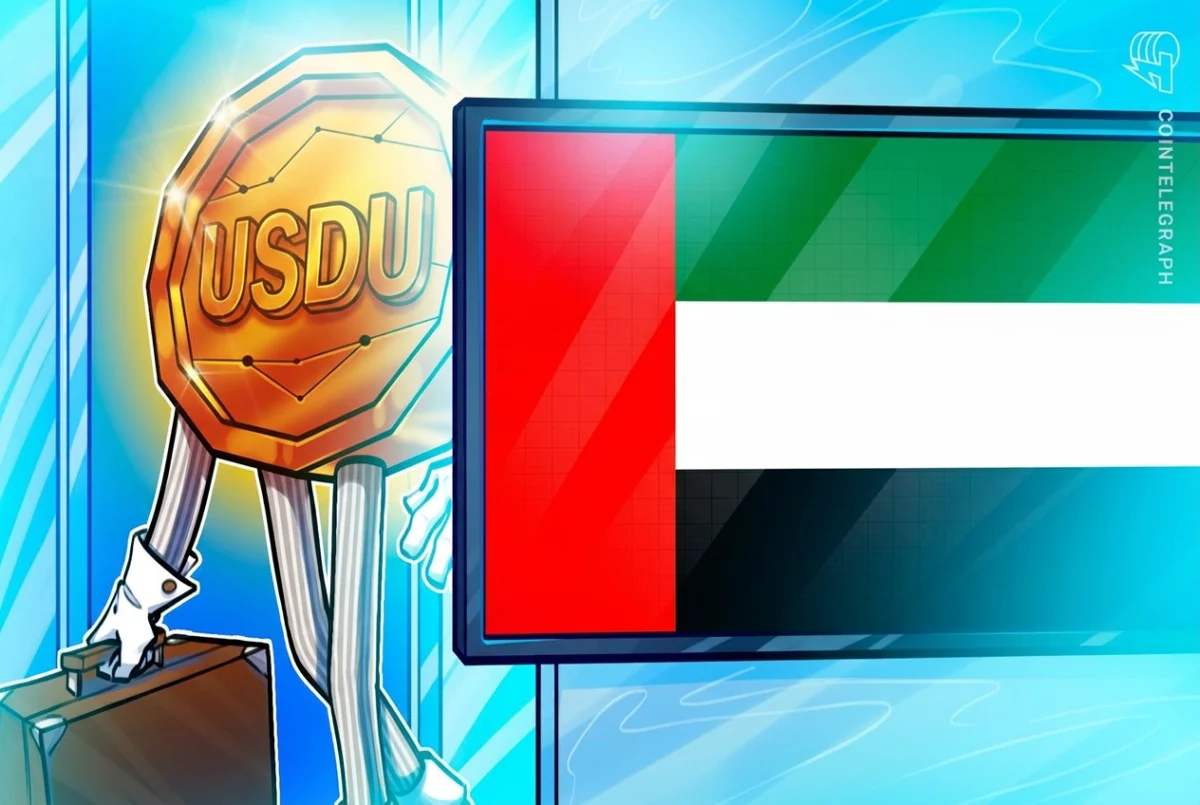
Bitcoin.com, a long-standing entity in the cryptocurrency ecosystem, has announced a significant integration, bringing USDU, the United Arab Emirates’ first central bank-registered US dollar stablecoin, into its widely utilized self-custodial web and mobile wallet. This strategic move is poised to substantially expand the stablecoin’s reach, pushing its distribution beyond its initial institutional channels and into the hands of a broader retail user base. The integration represents a pivotal step for USDU in its mission to become a ubiquitous digital asset for payments and value transfer, while also reinforcing the UAE’s proactive stance in fostering a regulated and innovative digital asset landscape.
The immediate functionality provided by this integration allows Bitcoin.com wallet users to seamlessly hold, send, and receive USDU. This foundational capability is expected to be augmented with additional features in the near future, including swap and buy-and-sell functionalities, which will be facilitated through collaborations with various third-party providers. Furthermore, Bitcoin.com has expressed its intention to accept USDU for designated services across its product suite and is actively working towards enabling direct payments between users and merchants within its ecosystem. It is important to note, however, that the availability of these features and services will be subject to jurisdictional regulations, reflecting the complex global regulatory environment for digital assets.
Understanding USDU: A Pillar of Regulated Stability in the UAE
At its core, USDU is a US dollar-backed stablecoin, meticulously designed to maintain a 1:1 peg with the greenback, providing a stable digital asset alternative in a market often characterized by volatility. It is issued by Universal Digital, an Abu Dhabi-based entity that has achieved a unique dual regulatory status within the UAE. USDU holds the distinction of being the first and currently the only Foreign Payment Token registered under the UAE Central Bank’s rigorous Payment Token Services Regulation. This registration is a testament to its compliance with stringent national financial guidelines, ensuring a robust framework for consumer protection and financial stability.
Beyond the Central Bank’s oversight, Universal Digital is also regulated by the Financial Services Regulatory Authority (FSRA) of the Abu Dhabi Global Market (ADGM). The ADGM, an international financial centre strategically located in the UAE capital, is renowned for its progressive regulatory framework for digital assets. The FSRA’s regulation specifically covers the issuance of fiat-referenced tokens, adding another layer of regulatory assurance and credibility to USDU. This dual regulatory endorsement from both a national central bank and a leading international financial centre’s regulatory authority places USDU in a unique and highly trusted position within the global stablecoin market. The Ethereum-based nature of USDU further leverages the widespread adoption and security features of one of the most prominent blockchain networks, ensuring broad compatibility and accessibility within the decentralized finance (DeFi) ecosystem.
The UAE’s Ambitious Digital Asset Strategy
The launch and subsequent expansion of USDU are deeply embedded within the UAE’s broader strategy to become a global hub for financial technology and digital innovation. The nation has consistently demonstrated a forward-thinking approach to digital assets, recognizing their potential to transform global finance and commerce. This vision is underpinned by a comprehensive and evolving regulatory framework designed to foster innovation while safeguarding market integrity and investor interests.
The UAE Central Bank’s Payment Token Services Regulation, under which USDU is registered, is a critical component of this strategy. Introduced to provide clarity and oversight for digital payment tokens, it mandates that payments for digital assets and digital asset derivatives within the UAE may only be conducted using fiat currency or a registered Foreign Payment Token. This regulatory clarity not only provides a secure environment for stablecoins like USDU but also signals the UAE’s commitment to integrating digital assets into its mainstream financial system in a controlled and compliant manner. Other regulatory bodies, such such as Dubai’s Virtual Assets Regulatory Authority (VARA) and the Dubai Financial Services Authority (DFSA) in the Dubai International Financial Centre (DIFC), also contribute to this multi-faceted regulatory landscape, ensuring comprehensive oversight across various jurisdictions and asset classes within the Emirates. This layered approach aims to attract leading blockchain companies and talent, positioning the UAE at the forefront of the global digital economy.
Bitcoin.com: A Gateway to Broader Stablecoin Adoption
Bitcoin.com has been a prominent player in the cryptocurrency space since its inception, offering a suite of services that include a news portal, a mining pool, an exchange, and most notably, its self-custodial web and mobile wallet. The wallet’s emphasis on self-custody empowers users with direct control over their digital assets, a principle highly valued by the crypto community for its security and autonomy.
The integration of USDU into this established platform is a strategic move for Bitcoin.com. It enhances its stablecoin offerings, providing users with a new, highly regulated option that bridges traditional finance with the digital asset world. For Bitcoin.com’s diverse global user base, the addition of USDU means access to a stablecoin with strong regulatory backing from a prominent financial jurisdiction, potentially opening up new avenues for cross-border payments, remittances, and digital commerce. By expanding its stablecoin portfolio, Bitcoin.com reinforces its commitment to providing versatile and secure tools for managing digital wealth. The planned future functionalities, such as direct swaps and buy/sell options via third-party providers, underscore Bitcoin.com’s ambition to create a seamless and comprehensive user experience, further lowering the barrier to entry for stablecoin utilization. The longer-term goal of enabling USDU payments between users and merchants across Bitcoin.com’s products could significantly boost the stablecoin’s utility and solidify its position as a practical medium of exchange within a growing digital economy.
A Chronology of USDU’s Expanding Footprint
The integration with Bitcoin.com marks the latest in a series of strategic initiatives by Universal Digital to broaden USDU’s distribution and utility since its official launch. This systematic expansion highlights a concerted effort to establish USDU as a leading regulated stablecoin across various segments of the digital asset market.
January 2023: The Official Launch and Regulatory Milestone
USDU was officially launched in January 2023, marking a significant milestone as the UAE’s first central bank-registered US dollar stablecoin. This initial launch immediately garnered attention due to its unprecedented regulatory compliance within the region. The stringent regulatory framework, encompassing both the UAE Central Bank and ADGM’s FSRA, provided a robust foundation for USDU’s credibility and set it apart from many other stablecoins in the market, particularly in an era where regulatory scrutiny of stablecoins intensified following significant market events.
July 2023: Institutional Adoption with Zodia Custody
Building on its regulatory strength, USDU secured a crucial integration with Zodia Custody in July 2023. Zodia Custody, a joint venture between Standard Chartered and Northern Trust, is a leading institutional-grade crypto asset custodian. This partnership was instrumental in allowing institutional clients to securely hold and transfer USDU, providing a vital bridge between traditional financial institutions and the nascent digital asset economy. For USDU, this integration signified a strong endorsement from the institutional sector, validating its compliance and security features and paving the way for broader institutional engagement.
August 2023: Decentralized Liquidity on Uniswap
Following its institutional adoption, USDU made a strategic move into the decentralized finance (DeFi) space in August 2023 with the launch of a USDT-USDU liquidity pool on Uniswap. Uniswap, one of the largest decentralized exchanges (DEXs) on the Ethereum blockchain, is a cornerstone of the DeFi ecosystem. The creation of this liquidity pool significantly enhanced USDU’s accessibility for retail users and DeFi participants, providing a decentralized avenue for trading and ensuring greater price stability through increased liquidity. This step underscored Universal Digital’s commitment to fostering both centralized and decentralized pathways for USDU adoption, catering to a diverse range of users and use cases.
October 2023 (Wednesday’s Announcement): Broadening Retail Access with Bitcoin.com
The latest development, the integration with Bitcoin.com’s self-custodial wallet, represents a pivotal shift in USDU’s distribution strategy. While previous integrations focused on institutional custody and decentralized exchange liquidity, the Bitcoin.com partnership directly targets a vast retail audience. This move is critical for USDU to transcend niche markets and achieve widespread adoption as a practical medium for daily transactions and wealth management for individual users globally. It completes a comprehensive distribution strategy, spanning institutional, decentralized, and now, broad retail access.
The Broader Stablecoin Market and Global Implications
The stablecoin market has grown exponentially over the past few years, becoming a cornerstone of the broader cryptocurrency ecosystem. With a combined market capitalization often exceeding $120 billion, stablecoins like Tether (USDT) and USD Coin (USDC) serve crucial functions, acting as a bridge between fiat currencies and volatile cryptocurrencies, facilitating efficient cross-border payments, and underpinning the vast landscape of decentralized finance. Their utility stems from their price stability, which makes them ideal for hedging against market fluctuations, executing rapid transactions, and acting as a reliable store of value in the digital realm.
However, the rapid growth of stablecoins has also brought increased scrutiny from global regulators, particularly after events like the de-pegging of TerraUSD (UST) in 2022, which highlighted systemic risks associated with algorithmic or under-collateralized stablecoins. This has spurred a global push for more robust regulation, with jurisdictions like the European Union implementing comprehensive frameworks such as Markets in Crypto-Assets (MiCA) and various proposals emerging in the United States. In this context, USDU’s strong regulatory backing from the UAE Central Bank and ADGM positions it as a pioneering example of a compliant and transparent stablecoin, potentially setting a precedent for future regulated stablecoin issuances globally.
The integration of USDU into Bitcoin.com’s ecosystem signifies a broader trend towards the legitimization and mainstream adoption of regulated digital assets. It underscores the growing demand for stablecoins that offer both the efficiency of blockchain technology and the security and trust associated with traditional financial oversight. This development could catalyze further competition in the regulated stablecoin space, encouraging other jurisdictions and issuers to develop similarly compliant offerings.
Implications for Users, Universal Digital, and the UAE
The Bitcoin.com integration carries significant implications for all parties involved and the wider digital asset ecosystem:
For Bitcoin.com Users: The primary benefit for Bitcoin.com’s extensive user base is the addition of a new, highly regulated, and stable asset to their wallet options. This provides an alternative to existing stablecoins, offering diversification and potentially greater peace of mind due to USDU’s robust regulatory framework in the UAE. Users gain an easy on-ramp and off-ramp for digital transactions, particularly those with an interest in the rapidly growing Middle Eastern market. The planned swap and buy-and-sell functionalities will further enhance the wallet’s utility, making it a more comprehensive platform for managing diverse digital assets.
For USDU and Universal Digital: This integration represents a monumental leap in USDU’s journey towards widespread adoption. Gaining access to Bitcoin.com’s vast retail user base significantly amplifies its potential for transaction volume and overall utility. It validates Universal Digital’s strategy of prioritizing regulatory compliance, demonstrating that a well-regulated stablecoin can successfully penetrate both institutional and retail markets. This exposure will enhance USDU’s brand recognition globally and solidify its position as a serious contender in the stablecoin landscape, bridging the gap between traditional finance and the crypto-native world.
For the UAE’s Digital Asset Ambitions: The successful rollout and integration of USDU into a platform like Bitcoin.com serve as a powerful endorsement of the UAE’s progressive and well-structured regulatory environment for digital assets. It demonstrates the efficacy of frameworks established by the UAE Central Bank and ADGM, proving that these regulations can foster genuine innovation and attract leading digital asset projects. This success story further strengthens the UAE’s reputation as a global leader in digital finance, potentially attracting more blockchain companies, investors, and talent to the region, and accelerating its vision of becoming a global hub for the future of finance.
Inferred Perspectives and Future Outlook
While no direct quotes were provided in the original article beyond the announcement itself, one can infer the positive sentiment from the involved parties. A spokesperson for Bitcoin.com would likely emphasize their commitment to expanding user utility and providing access to innovative, compliant digital assets. They might highlight USDU’s regulatory backing as a key factor in its selection, aligning with Bitcoin.com’s dedication to security and reliability for its users.
Similarly, Universal Digital’s leadership would undoubtedly view this integration as a crucial validation of their strategy and the product itself. They would likely express enthusiasm for reaching a broader audience and fulfilling their vision of making USDU a ubiquitous medium for digital payments, transcending institutional boundaries. Their focus would be on the seamless user experience and the practical applications USDU offers.
Industry analysts, observing this development, would likely comment on the strategic synergy between a long-standing crypto platform and a newly emerging, highly regulated stablecoin. They might highlight the growing trend of regulated stablecoins gaining traction, especially in the context of increasing global regulatory clarity. The move could be seen as a blueprint for other national or regional stablecoins looking to gain international distribution.
Looking ahead, the success of USDU on platforms like Bitcoin.com will depend on several factors, including its ability to maintain its 1:1 peg, the robustness of its regulatory compliance, and the seamless functionality of its integrations. The broader stablecoin market will continue to evolve, with increasing competition and ongoing regulatory developments globally. The interplay between private stablecoins like USDU and potential Central Bank Digital Currencies (CBDCs) will also be a key area to watch. This integration, however, represents a significant step towards a more interconnected, regulated, and accessible digital financial ecosystem, promising enhanced utility for users and further legitimizing the role of stablecoins in the global economy.








