Lina Wu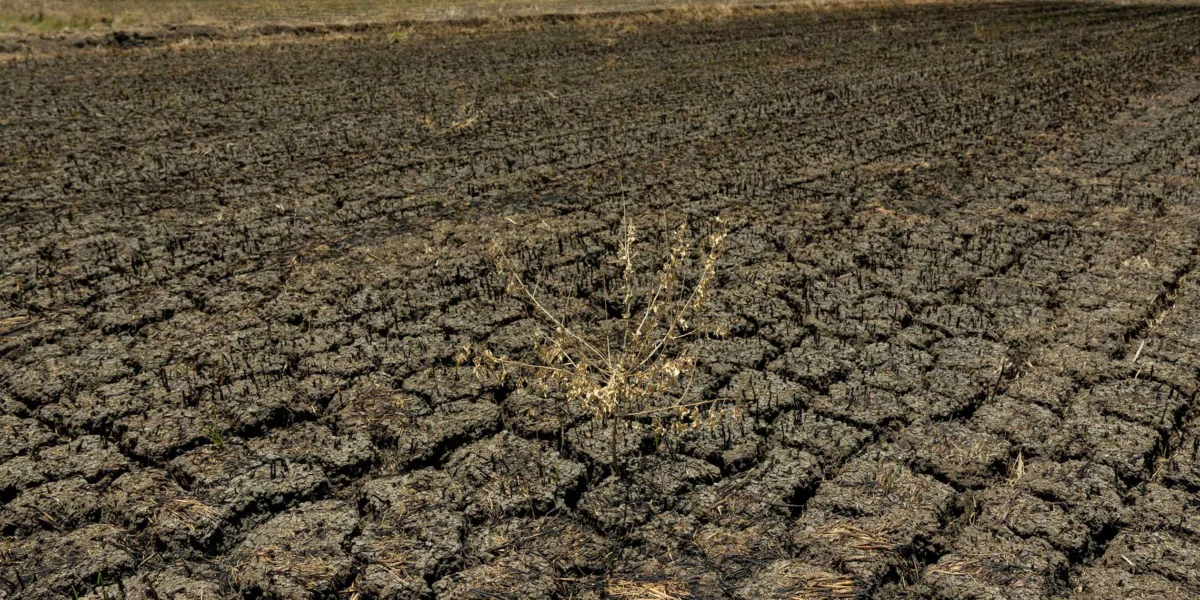
The gap in growth rates of Asia’s developing economies is projected to widen this year as countries like the Philippines and Cambodia are bearing more brunt from the energy crisis and a strong El Nino, while others like India and Vietnam are enjoying an AI-driven export boost.
The economic landscape across developing Asia is undergoing a significant divergence, driven by a confluence of powerful global and regional forces. While some nations are grappling with the dual pressures of a persistent energy crisis and the intensifying impacts of the El Niño phenomenon, others are experiencing a surprising surge in economic momentum, largely fueled by the burgeoning influence of artificial intelligence on their export sectors. This widening chasm in growth trajectories presents a complex challenge for regional policymakers and international financial institutions alike, demanding tailored strategies to mitigate vulnerabilities and capitalize on emerging opportunities.
The Asian Development Bank (ADB), a key observer of the region’s economic health, has highlighted these contrasting trends in its latest economic outlook, published on September 23, 2026. The report paints a picture of a region at a crossroads, where the benefits of technological advancement are not evenly distributed, and the impacts of climate-related events are disproportionately felt by the most vulnerable economies. The ADB’s projections underscore a critical need for proactive measures to build resilience and foster inclusive growth across the diverse economies of Asia.
El Niño’s Grip Tightens on Southeast Asian Agriculture
The Philippines, a nation heavily reliant on its agricultural sector, stands as a stark example of an economy feeling the acute effects of a strong El Niño. The image of parched rice fields in Candaba, Pampanga province, serves as a potent visual testament to the widespread drought conditions impacting food production. El Niño, a naturally occurring climate pattern characterized by the warming of sea surface temperatures in the central and eastern Pacific Ocean, has a profound influence on global weather patterns, often leading to drier conditions in Southeast Asia and more intense rainfall in other parts of the world.
The current El Niño event, which has been building momentum, is anticipated by the ADB to have "likely very strong" effects this year. This strength translates into significant risks for agricultural production, a sector that forms the backbone of many developing Asian economies, providing livelihoods for millions and ensuring food security. For countries like the Philippines and Cambodia, where agriculture accounts for a substantial portion of GDP and employment, the impact of reduced crop yields and livestock losses can be devastating.
The consequences extend beyond immediate food shortages. Lower agricultural output can lead to increased food prices, exacerbating inflation and disproportionately affecting low-income households. Furthermore, reduced export earnings from agricultural commodities can strain foreign exchange reserves, impacting a nation’s ability to import essential goods and service its debt. The ADB’s assessment suggests that these challenges are not merely cyclical but pose a sustained threat to the economic stability and development prospects of these nations.
The Energy Crisis: A Lingering Shadow
Compounding the agricultural challenges is the ongoing global energy crisis. Fluctuations in global energy prices, driven by geopolitical tensions, supply chain disruptions, and the transition towards renewable energy sources, have placed a significant burden on developing economies. Countries that are net importers of energy, such as many in Southeast Asia, face higher import bills, which can widen trade deficits and put pressure on their currencies.
The Philippines, in particular, has been susceptible to these energy price shocks. A reliance on imported fossil fuels for a significant portion of its energy needs means that global price volatility directly impacts domestic electricity costs and the operational expenses of businesses. This increased cost of doing business can dampen investment, reduce consumer spending, and ultimately slow down economic growth. The ADB’s report implicitly links the energy crisis to the broader economic headwinds faced by countries like the Philippines, suggesting a complex interplay of factors hindering their growth potential.
India and Vietnam: Riding the AI-Driven Export Wave
In stark contrast to the struggles faced by some of its neighbors, countries like India and Vietnam are experiencing a notable uplift in their export performance, a phenomenon increasingly attributed to the burgeoning influence of artificial intelligence. The rapid advancements and widespread adoption of AI technologies globally have created new demands and opportunities in the export market, particularly for countries that have invested in developing their technological infrastructure and skilled workforce.
Vietnam, for instance, has emerged as a significant player in the global supply chain for electronics and other manufactured goods. AI integration in manufacturing processes, from quality control to predictive maintenance, has enhanced efficiency and competitiveness, making Vietnamese products more attractive to international buyers. Furthermore, the increasing reliance on AI-powered services, such as software development, data analytics, and customer support, has opened new avenues for export growth for countries with a strong talent pool in these areas.
India, with its robust IT sector and a large number of skilled professionals, is similarly benefiting from the AI revolution. The demand for AI-related services, including the development of AI models, implementation of AI solutions, and AI-driven consulting, has surged. This has translated into a significant boost in India’s export of services, contributing to its overall economic expansion. The ADB’s observation of an "AI-driven export boost" for these nations highlights a new frontier in global trade, where technological innovation is becoming a primary driver of economic competitiveness.
Broader Implications for Regional Economic Convergence
The divergence in growth trajectories has significant implications for the broader goal of economic convergence in Asia. Historically, developing economies in the region have strived to narrow the income gap with more developed nations through sustained high growth rates. However, the current trends suggest that this process may become more uneven, with some countries accelerating their development while others face prolonged periods of slower growth and increased vulnerability.
The ADB’s analysis implicitly points to the need for diversified economic strategies. For countries battling El Niño and energy shocks, immediate priorities must include strengthening agricultural resilience through climate-smart practices, investing in drought-resistant crops, and improving water management infrastructure. Diversifying energy sources, including a greater emphasis on renewables, is also crucial to mitigate the impact of global energy price volatility.
Conversely, nations benefiting from the AI boom need to sustain their investment in education, research, and development to remain at the forefront of technological innovation. Ensuring that the benefits of AI are inclusive and translate into job creation and improved living standards for a broader segment of the population will be key to sustained and equitable growth.
A Chronology of Emerging Trends and Challenges
The current economic landscape in developing Asia is not a sudden development but rather an evolution of trends that have been building over time.
- Early 2020s: The COVID-19 pandemic initially disrupted global supply chains and economies, leading to a slowdown in growth across many developing Asian nations. However, it also accelerated digital transformation, laying some groundwork for future AI adoption.
- 2022-2023: The global energy crisis began to intensify, driven by geopolitical events and supply-demand imbalances. This started to put pressure on energy-importing nations in Asia. Simultaneously, early signs of El Niño’s influence began to be observed in some regions, impacting agricultural outputs.
- Late 2023 – Early 2024: The El Niño phenomenon strengthened, with its effects becoming more pronounced across Southeast Asia, leading to widespread drought conditions and agricultural distress.
- 2024: The ADB’s projections for 2024 reflect the current state of affairs, with a widening gap in growth rates. Countries like the Philippines and Cambodia are experiencing headwinds from El Niño and the energy crisis, while nations like India and Vietnam are seeing a boost in exports driven by AI-related industries. The ADB’s report on September 23, 2026, serves as a mid-year assessment of these diverging trends.
Official Responses and Future Outlook
The ADB’s role extends beyond projection to policy advice and financial assistance. The institution is actively engaged with member countries to address the challenges and capitalize on opportunities. For nations affected by climate shocks, the ADB is likely supporting initiatives focused on climate adaptation and disaster risk reduction. This could include funding for irrigation systems, the development of early warning systems for extreme weather events, and programs to support farmers in adopting more resilient agricultural practices.
Regarding the energy crisis, the ADB has been a proponent of increased investment in renewable energy infrastructure and energy efficiency measures. By supporting the transition to cleaner energy sources, the ADB aims to reduce the dependence on volatile fossil fuel markets and enhance energy security for developing nations.
For countries embracing the AI revolution, the ADB may be focusing on facilitating digital transformation, supporting the development of digital skills, and promoting an enabling environment for innovation and technology adoption. This could involve funding for digital infrastructure, vocational training programs, and policy reforms to encourage investment in technology sectors.
The future economic outlook for developing Asia hinges on the ability of individual nations and the region as a whole to navigate these complex and often competing forces. The widening growth gap underscores the critical need for tailored policy responses, robust international cooperation, and a sustained commitment to inclusive and sustainable development. The ADB’s continued monitoring and support will be instrumental in guiding these efforts and ensuring that the benefits of economic progress are shared more equitably across the diverse landscape of developing Asia. The coming years will be a test of resilience and adaptability, as economies grapple with both the threats of climate change and the transformative potential of technological advancement.