Farhan Pambudi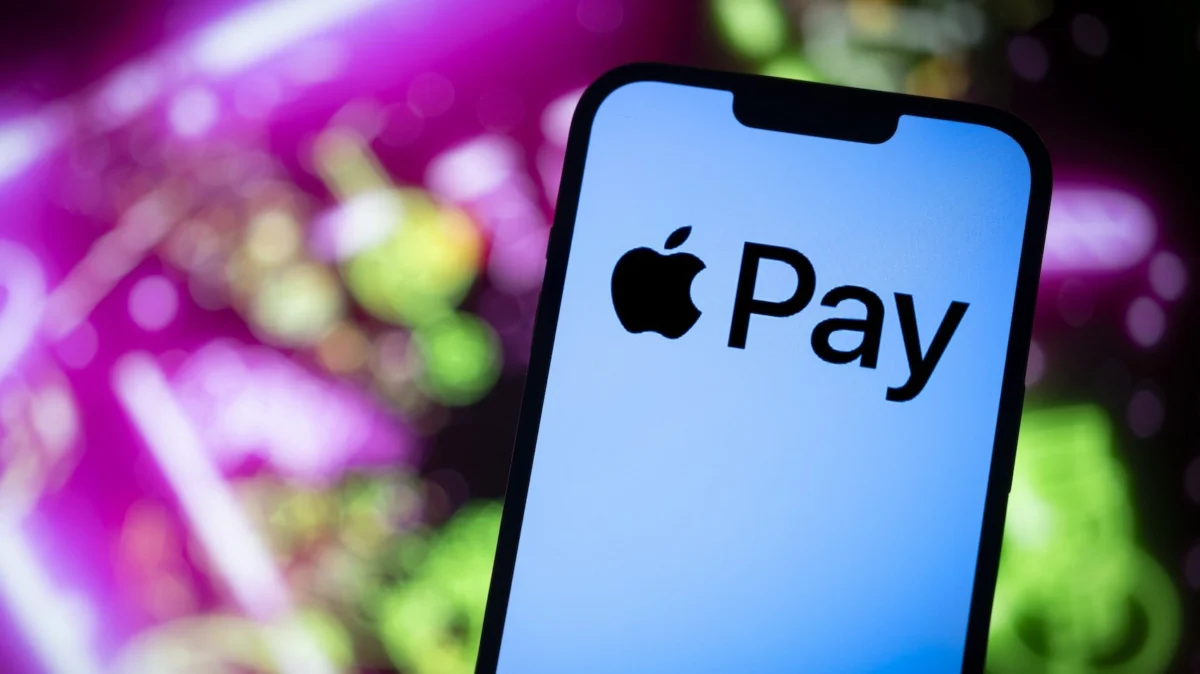
The long-anticipated arrival of Apple Pay in India marks a significant milestone in the evolution of the country’s digital financial ecosystem, as the Cupertino-based technology giant officially initiates its payment services in the world’s most populous nation. According to industry reports and sources familiar with the matter, Apple is set to launch the service on Tuesday, ending years of speculation and strategic delays. The initial rollout features Axis Bank as the primary banking partner, signaling a targeted entry into a market that has undergone a radical transformation in digital payments over the last decade. This move represents Apple’s latest effort to monetize its growing user base in India, where the iPhone has successfully transitioned from a niche luxury item to a dominant force in the premium smartphone segment.
The initial phase of the rollout is characterized by a measured and selective approach. Apple Pay will initially support eligible Axis Bank credit and debit cards processed through the Visa and Mastercard networks. Notably absent from the launch is support for RuPay, India’s homegrown card network developed by the National Payments Corporation of India (NPCI). Furthermore, the service’s utility will be initially restricted to specific merchants and point-of-sale terminals that have been technicality enabled for Apple’s specific payment protocols. This phased introduction reflects the logistical and commercial complexities of integrating a global, card-based payment system into a domestic market that has largely bypassed traditional card infrastructure in favor of account-to-account transfers.
Understanding the Structural Divide: Apple Pay vs. UPI
To understand the challenges Apple faces in India, one must look at the dominance of the Unified Payments Interface (UPI). Launched in 2016 by the NPCI, UPI has become the backbone of the Indian economy, facilitating instant, bank-to-bank transfers via mobile devices. Unlike Apple Pay, which relies on credit or debit card "tokenization" and traditional payment gateways, UPI allows consumers to move money directly between bank accounts by scanning a QR code or using a unique identifier. This system is largely free for consumers and merchants, thanks to government mandates on Zero Merchant Discount Rate (MDR) for certain transactions, which has made it the preferred method for everything from street-side vendors to luxury retailers.
Apple Pay operates on a fundamentally different economic and technical model. It is a card-based service that requires individual banks (issuers) and payment infrastructure providers (acquirers) to integrate with Apple’s proprietary Wallet ecosystem. Because Apple Pay involves the traditional card rail system, it carries transaction costs that UPI has largely eliminated. This distinction is at the heart of Apple’s protracted negotiations with Indian financial institutions. While UPI is ubiquitous and low-cost, Apple Pay offers a highly secure, frictionless experience for cardholders, utilizing Near Field Communication (NFC) for contactless "tap-to-pay" transactions and biometrics like FaceID and TouchID for authentication.
The Commercial Sticking Point: Fees and Margins
The primary hurdle in Apple’s expansion into India has been the commercial terms of the service. Sources indicate that Apple is seeking a transaction fee of approximately 20 basis points (0.20%). In the context of India’s lean payment margins, this represents a substantial demand. The typical margin for banks and payment processors in the Indian card market ranges between 40 and 50 basis points. Apple’s request for a 20-basis-point cut would effectively consume nearly half of the available margin, leaving little for the issuing bank and the network provider.
This fee structure, while consistent with Apple’s global model in markets like the United States and Europe, has met resistance from India’s largest banking entities. Major players such as HDFC Bank, ICICI Bank, and SBI Card—which collectively hold a massive share of the Indian credit card market—are notably absent from the initial launch. Negotiations between Apple and these institutions are reportedly ongoing, with the banks seeking a more favorable revenue-sharing agreement that accounts for the unique regulatory and competitive environment of the Indian market. The absence of these heavyweights at launch suggests that Apple is willing to start small with Axis Bank to prove the concept before potentially adjusting its terms for broader adoption.
A Chronology of Apple’s Indian Ambitions
Apple’s journey toward launching Apple Pay in India has been a multi-year saga of regulatory navigation and market adaptation. In 2017 and 2018, rumors first surfaced that Apple was scouting for partners in India, but these efforts were stymied by the Reserve Bank of India’s (RBI) strict data localization mandates. The RBI required all payment data to be stored exclusively on servers located within India, a requirement that necessitated significant infrastructure adjustments for global tech firms.
The timeline of Apple’s focus on India has accelerated recently:
- 2021-2022: Apple began significant expansion of its local manufacturing through partners like Foxconn and Wistron, driven by the Indian government’s Production Linked Incentive (PLI) schemes.
- April 2023: CEO Tim Cook visited India to inaugurate the company’s first flagship retail stores in Mumbai and Delhi, signaling a shift in India’s status to a "top-tier" market for the company.
- September 2024: Reports emerged that Apple was finalizing technical integrations with Axis Bank, preparing for an October rollout.
- Late 2024: The current launch confirms that despite the UPI-led "war on cash," Apple views the premium card-carrying demographic in India as a viable revenue stream.
Data Insights: The Growing Premium Market
The logic behind Apple Pay’s entry, despite the UPI hurdle, is found in the shifting demographics of Indian smartphone users. Apple has seen record-breaking growth in the country. According to data from Counterpoint Research, Apple accounted for 28% of India’s smartphone market by value in 2025, a significant jump from 23% in the previous year. While Android devices still dominate in terms of volume, Apple has captured the most profitable segment of the market.
India’s credit card market, while small compared to its population, is growing rapidly among the urban middle and upper classes—the exact demographic that carries iPhones. There are currently over 100 million active credit cards in India, a number that has seen double-digit growth annually. For Axis Bank, being the first to partner with Apple Pay provides a competitive edge in attracting and retaining "affluent" customers who value the prestige and convenience of the Apple ecosystem. For Apple, even if the service remains a niche compared to UPI, the sheer volume of its user base—which now produces one in four iPhones globally—makes the transaction fee revenue potentially significant.
Official Responses and Market Reactions
As of the launch, official statements from the primary stakeholders have been conservative. Apple, Axis Bank, and the major holdout banks (HDFC, ICICI, and SBI Card) have largely declined to provide detailed comments on the commercial negotiations. However, analysts suggest that the "Axis-first" strategy is a classic Apple move to create a "fear of missing out" (FOMO) among other lenders.
Financial analysts in Mumbai suggest that while banks are wary of Apple’s fees, they are equally wary of losing their most valuable customers to a rival bank that offers a superior digital experience. "The premium iPhone user is the most sought-after customer for any credit card issuer," noted a senior analyst at a Mumbai-based brokerage. "If Apple Pay provides a smoother checkout experience than the standard banking apps, pressure will mount on HDFC and ICICI to come to the table, regardless of the 20-basis-point fee."
Broader Impact and Future Implications
The entry of Apple Pay into India is expected to have several long-term implications for the digital payments landscape:
1. Pressure on Card Tokenization: The launch will likely accelerate the adoption of card tokenization standards in India. Tokenization replaces sensitive card details with a unique code (a "token"), enhancing security for online and contactless payments. Apple’s strict adherence to security protocols may push Indian merchants to upgrade their terminal hardware and software.
2. Competition with Google Pay and Samsung Pay: Google Pay has a massive footprint in India but operates primarily through the UPI rail. Samsung Pay has offered a hybrid model (UPI and Card) for years. Apple’s entry forces these competitors to refine their "card-on-file" and NFC offerings to prevent an exodus of high-value users to the Apple Wallet.
3. Potential RuPay Integration: While RuPay is excluded at launch, the Indian government’s push for the indigenous network makes its eventual inclusion almost inevitable if Apple Pay is to achieve mass-market scale. Integrating RuPay would require Apple to work closely with NPCI, potentially leading to a unique "India-only" version of Apple Pay that supports both cards and UPI in the future.
4. Ecosystem Lock-in: For Apple, the service is less about disrupting UPI and more about completing the ecosystem. By offering hardware (iPhone), software (iOS), and now financial services (Apple Pay), the company increases the "stickiness" of its brand in a market where brand loyalty is increasingly tied to integrated digital services.
In conclusion, while Apple Pay faces a formidable incumbent in the form of UPI, its launch in India is a calculated bet on the "premiumization" of the Indian economy. By targeting the affluent segment of the population and leveraging its growing manufacturing and retail presence, Apple is positioning itself not just as a hardware vendor, but as a central player in the financial lives of India’s most influential consumers. The success of this venture will ultimately depend on whether Apple can convince the rest of India’s banking giants that the cost of its fees is worth the price of admission to the world’s most coveted digital wallet.