Lina Wu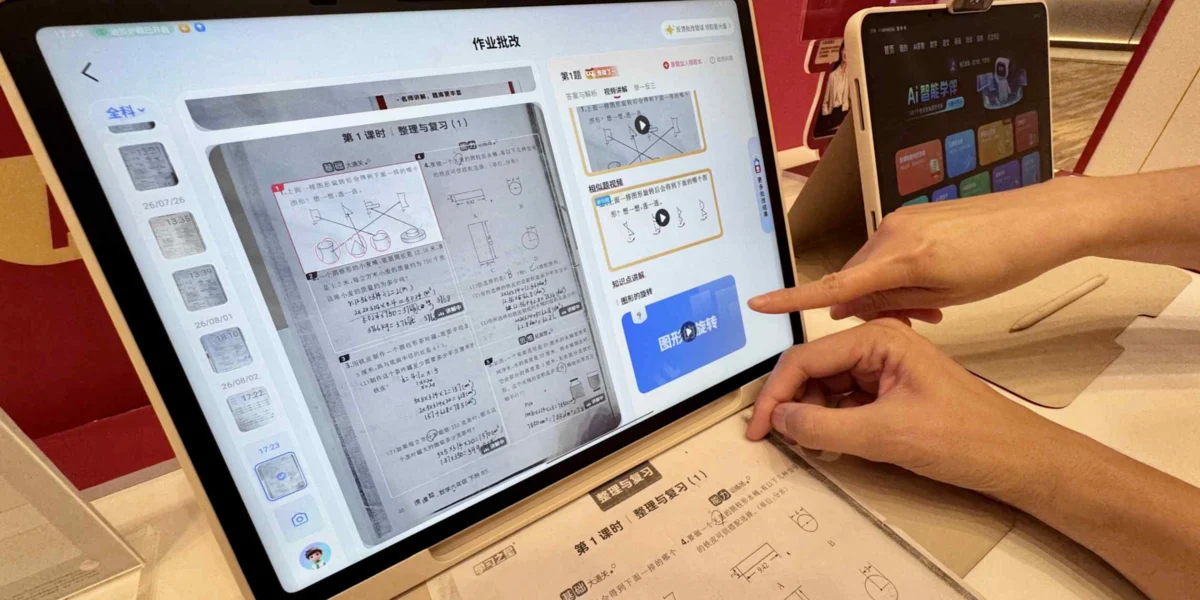
DALIAN, China — AI-powered learning devices that can automatically check and explain problems are rapidly gaining traction in China, with education-focused parents undeterred by their sometimes hefty price tags, reaching up to $1,800. This burgeoning market has emerged as a direct consequence of the government’s sweeping crackdown on the private tutoring industry, which began in earnest in mid-2021. The "double reduction" policy aimed to alleviate the academic burden on students and reduce educational inequality, but has inadvertently created a vacuum for supplementary learning solutions.

The Rise of the AI Tutor: A Post-Clampdown Phenomenon
The landscape of supplemental education in China has been dramatically reshaped over the past few years. Prior to the 2021 regulatory overhaul, the private tutoring sector was a colossal industry, with parents investing heavily in after-school classes and private tutors to give their children a competitive edge in the country’s rigorous education system. This pursuit of academic excellence, often dubbed "involution" or "lying flat," was a significant source of stress for both students and parents, and contributed to rising household expenses.
The government’s intervention, which restricted for-profit tutoring in core subjects and imposed stringent regulations on existing businesses, effectively dismantled a significant portion of this industry. Many tutoring centers were forced to close, and the availability of traditional supplementary education dwindled. It was within this altered environment that AI-powered learning devices began to find a receptive audience.

These devices, often resembling tablets or specialized e-readers, leverage artificial intelligence to offer a personalized and accessible learning experience. Their core functionality typically involves scanning homework assignments, providing instant feedback on answers, and generating detailed explanations for incorrect responses. Some advanced models can even adapt to a student’s learning pace and identify specific areas of weakness, offering tailored practice exercises.
The appeal for parents is multifaceted. Firstly, these devices offer a discreet and compliant alternative to the now-restricted tutoring services. Secondly, they provide a sense of control and reassurance that their children are receiving ongoing academic support. The ability for a device to meticulously check homework and offer explanations, often in a manner more patient and persistent than a human tutor, is a significant draw.

Data Driving the Demand: A Market in Flux
While precise, up-to-the-minute market figures for these AI learning devices are proprietary, industry analysts have observed a significant upward trend. Reports from market research firms specializing in the Chinese consumer electronics and education technology sectors indicate a substantial increase in sales and consumer interest since the implementation of the "double reduction" policy.
For instance, preliminary data from a Q3 2026 report by TechInsights China suggests that sales of AI-powered educational hardware experienced a year-on-year growth of over 40% in the first half of 2026. This growth is largely attributed to the demand for supplementary learning tools, with AI devices capturing a significant share of this emerging market. The average selling price for these devices, while varying by brand and feature set, commonly ranges from $300 to $1,800, indicating a willingness among parents to make substantial investments.

The market is populated by a mix of established electronics manufacturers and emerging EdTech startups. Brands like Xiaodu (a subsidiary of Baidu), Tuhu (a prominent player in children’s learning devices), and several smaller, more specialized companies are vying for market share. Competition is driving innovation, with companies continuously adding new features such as interactive learning modules, AI-powered language tutors, and even rudimentary coding education programs.
A Chronology of Change: From Tutoring Boom to AI Ascendancy
The trajectory of supplemental education in China can be broadly divided into distinct phases:

- Pre-2021: The Tutoring Frenzy: An era characterized by unchecked growth in the private tutoring sector. Parents spent heavily on extracurricular classes, private tutors, and academic competitions. The pressure to excel in the Gaokao (national college entrance examination) fueled this demand.
- Mid-2021: The "Double Reduction" Policy Announcement: The Chinese government unveils sweeping regulations aimed at reducing student workload and curbing the financial burden of education. This marked a pivotal moment, leading to widespread restructuring and closures within the tutoring industry.
- Late 2021 – Early 2023: Industry Disruption and Adaptation: Many tutoring companies pivot to non-academic subjects or online platforms with limited scope. Parents begin seeking alternative solutions for academic support. Initial introductions of AI learning devices, often with basic functionalities, start to appear.
- Mid-2023 – Present: The AI Learning Device Boom: As the impact of the "double reduction" policy solidifies, AI-powered learning devices gain significant traction. Manufacturers respond to demand by enhancing features, improving AI capabilities, and marketing these devices as the new frontier of personalized education. Sales surge, and the devices become a prominent fixture in Chinese households seeking educational advantages for their children.
Official Responses and Societal Repercussions
The Chinese government’s stance on these AI learning devices is nuanced. While the "double reduction" policy was designed to curb excessive academic pressure and financial strain, it did not explicitly ban all forms of educational technology. The current administration appears to view AI learning devices as a potentially positive development, provided they adhere to educational standards and do not foster a new form of excessive academic burden.
There have been reports of government bodies issuing guidelines for the ethical development and deployment of AI in education, emphasizing responsible use and data privacy. However, the sheer pace of innovation and adoption means that regulatory frameworks are often playing catch-up.

The societal impact is significant. On one hand, these devices democratize access to some level of personalized academic support, potentially benefiting students in less affluent areas who might not have had access to expensive tutors. On the other hand, the high cost of some devices could exacerbate existing inequalities if access becomes a matter of economic privilege. Furthermore, concerns persist about the potential for over-reliance on AI, the impact on critical thinking skills, and the long-term implications for social interaction and peer learning.
Analysis of Implications: The Future of Learning in China
The ascendance of AI learning devices in China represents a profound shift in the nation’s educational ecosystem. This trend is likely to continue, driven by ongoing parental aspirations for their children’s success and the continued evolution of AI technology.

Key implications include:
- Technological Integration in Education: This trend signals a broader acceptance and integration of advanced technology into the daily learning routines of Chinese students. It sets a precedent for future educational innovations.
- Shifting Parental Investment: Parents are redirecting their educational spending from traditional tutoring services to technological solutions, indicating a change in their perception of effective learning support.
- Potential for New Educational Divides: While AI promises democratization, the cost of high-end devices could create a new form of educational disparity, where students from wealthier families have access to more sophisticated AI learning tools.
- Rethinking Pedagogical Approaches: Educators and policymakers will need to consider how to integrate these AI tools effectively into the broader curriculum, ensuring they supplement rather than replace essential human interaction and critical thinking development.
- Global Market Influence: The success of these AI learning devices in China could influence the development and adoption of similar technologies in other global markets facing similar educational pressures.
The ongoing evolution of AI in education is a dynamic and complex phenomenon. As China navigates this new terrain, the focus will likely remain on balancing technological advancement with the fundamental goals of fostering well-rounded, critically thinking individuals, while also addressing the societal implications of these powerful new learning tools. The current surge in AI-powered learning devices is not merely a market trend; it is a significant indicator of the evolving nature of education in one of the world’s largest and most competitive academic landscapes.