Gilang Muhammad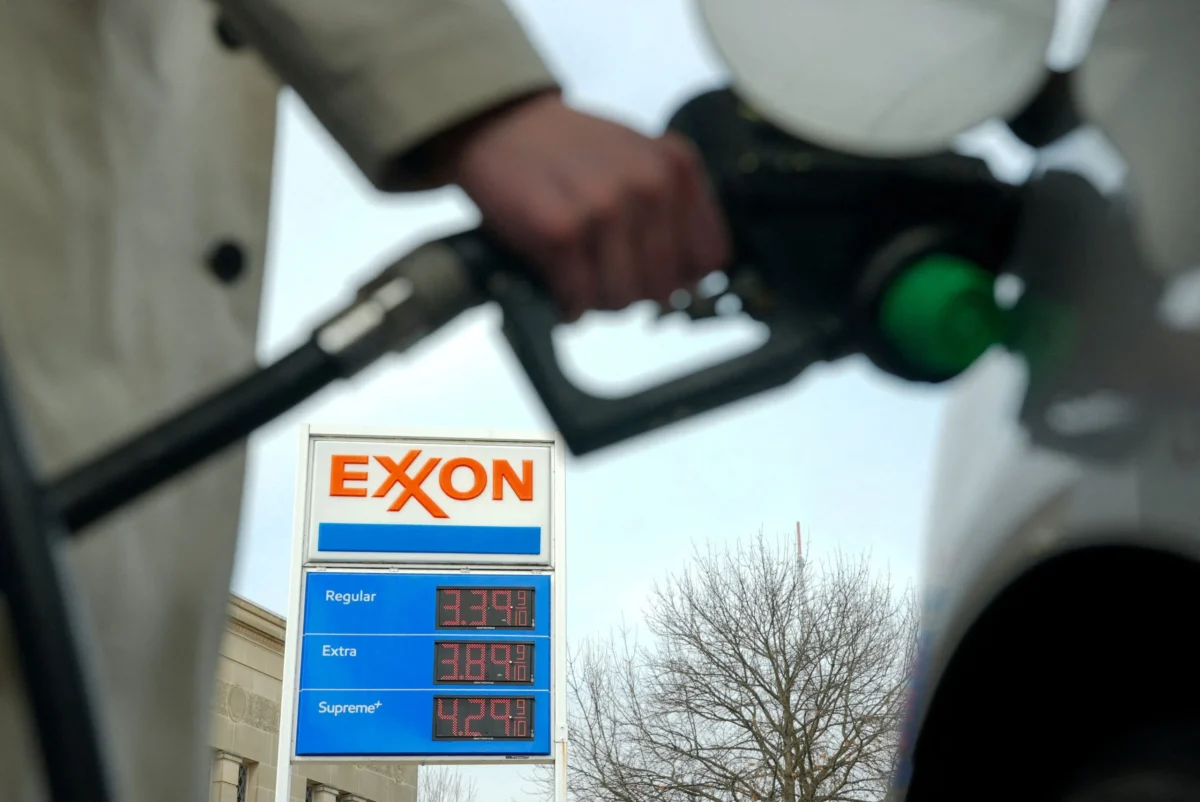
The protracted U.S. war with Iran has thrust American consumers into a deepening economic quagmire, characterized by a potent combination of soaring energy costs and rapidly rising borrowing rates. This double-whammy threatens to derail financial stability for millions, creating a landscape of escalating expenses that far outpace wage growth and erode purchasing power across the nation.
The Economic Onslaught: A Dual Crisis
In recent weeks, the intensification of fighting between the U.S. and Iran has directly contributed to a reacceleration in crude oil prices, a development that inevitably translates into higher costs at the pump for gasoline, diesel, and jet fuel. Simultaneously, the benchmark 10-year Treasury yield has surged to its highest level in 19 years, amplifying affordability challenges as borrowing costs for major purchases like homes and cars climb. This confluence of factors paints a grim picture for household budgets already stretched thin.
Mark Zandi, chief economist at Moody’s Analytics, articulated the dire situation, stating, "Consumers are under a lot of financial pressure." His firm’s analysis, as of September 11, estimates that the total financial burden per U.S. household since the U.S.-Iran conflict commenced stands at approximately $1,760. This staggering figure underscores the pervasive economic impact of the geopolitical crisis.
Breaking down this burden, Zandi revealed that over half—$930—stems directly from higher energy costs, encompassing everything from gasoline and diesel to the less visible but equally impactful jet fuel expenses. Cumulatively, Moody’s Analytics calculates that American consumers have collectively spent an additional $121 billion on energy since the conflict began. Beyond the direct hit at the pump, another $425 of the $1,760 household bill is attributed to the rise in interest rates since the war’s outbreak. The remaining $405 is linked to increased military spending, a cost that Zandi predicts consumers will ultimately bear either through an expansion of the national debt or higher taxes.
Escalating Energy Prices: A Painful Reality
The global energy market has reacted acutely to the heightened tensions in the Middle East, a region critical for global oil supply. On Tuesday, U.S. crude oil prices soared past $105 per barrel, marking their highest closing level since mid-May. This surge occurred despite assurances from Energy Secretary Chris Wright to CNBC that the temporary closure of a vital Saudi Arabian pipeline—a key piece of infrastructure linking oil fields to export terminals—would only last a few days. The market’s reaction, prioritizing geopolitical risk over short-term supply reassurances, highlights the fragility of global energy flows amidst the conflict.
The repercussions are immediately felt by motorists. The national average price for a gallon of gasoline in the U.S. exceeded $4.32 on Tuesday, according to AAA data. This represents a 6% increase month-over-month and a substantial 36% jump from a year ago. Earlier in the month, Labor Day travelers faced record-high prices at the pump for the holiday, dampening traditional end-of-summer road trips and leisure activities.
Beyond gasoline, the cost of diesel, the lifeblood of commercial transportation, has also reached unprecedented levels. Per-gallon diesel prices hit all-time highs above $6 in recent days, approximately 70% higher than the same period last year, per AAA. Economists have consistently warned that these elevated diesel costs, borne by truckers who transport the vast majority of goods across the country, are inevitably passed on to consumers in the form of higher prices for groceries, manufactured goods, and nearly every item reliant on logistics. This creates a cascading inflationary effect throughout the economy.
The psychological impact of these price hikes is evident in consumer sentiment surveys. The University of Michigan’s closely watched consumer sentiment survey revealed that slightly over 29% of respondents mentioned gas prices as a concern in September. This figure marks a significant increase from approximately 12% in September 2024 and just 6% in September 2025, illustrating a rapid deterioration in public perception regarding energy affordability.
Deloitte’s analysis provides a quantitative perspective on the broader inflationary impact, estimating that a 20% gain in crude oil prices translates to an approximate three-tenths of a percentage point increase in overall inflation. However, this calculation often excludes the "knock-on" effects on related sectors, such as airfare or food prices, which can significantly amplify the total impact on price growth. Indeed, airfare prices have been one of the fastest-accelerating categories tracked in the Bureau of Labor Statistics’ (BLS) Consumer Price Index (CPI) since the war erupted. The latest BLS data, released last week, showed a more than 23% jump in airfare prices in August compared to the same month a year prior, directly reflecting higher jet fuel costs and airline operational expenses.
Rising Borrowing Costs: A Tightening Squeeze
Adding another layer of financial pressure, the 10-year U.S. Treasury yield climbed to its highest level since 2007 on Tuesday. This benchmark for a vast array of consumer loans and corporate funding now sits roughly a full percentage point higher than it did a year ago. The surge is primarily driven by bond investors’ heightened concerns over the war’s inflationary implications, coupled with anxieties about the U.S. government’s capacity to service its growing national debt. Higher yields translate directly into increased borrowing costs, effectively pouring cold water on consumers’ ability and confidence to purchase big-ticket items, from homes to automobiles.
The University of Michigan’s consumer survey further underscored this trend, finding that 44% of respondents in July expected borrowing costs to rise in the next year, a 10-percentage-point increase from a year prior. Participants also expressed a growing reluctance to purchase vehicles, with a rising share citing high interest rates and tightening credit conditions as primary deterrents.
The housing market, already grappling with affordability issues, has been particularly hard hit. The average rate on the 30-year fixed mortgage, which broadly tracks the 10-year Treasury yield, topped 7% this month for the first time in over a year. Mortgage rates have consistently trended higher since the war began, mirroring the upward trajectory of longer-term bond yields. This exacerbates the housing affordability crisis sweeping across America, with the Atlanta Federal Reserve’s home ownership affordability index plummeting to lows rarely seen on record this summer. "People experience higher interest rates much like they experience inflation," observed Diane Swonk, chief economist at consulting firm KPMG. "It makes things less affordable."
The ripple effects extend beyond individual consumers to businesses. Higher borrowing costs for companies can act as a significant drag on economic activity, potentially catalyzing a slowdown in hiring, according to Nicole Bachaud, a labor economist at ZipRecruiter. A hesitation among firms to expand payrolls makes it increasingly difficult for Americans seeking to enter the workforce or switch jobs, reinforcing the widely accepted view that today’s job market is characterized by a "low hire, low fire" environment.
The Federal Reserve’s monetary policy further complicates this landscape. Rate hikes from the U.S. central bank, aimed at taming inflation, provide another compelling reason for firms to reconsider expanding their headcounts, Bachaud added. The latest CNBC Fed Survey found that a majority of respondents anticipate the Fed will raise rates at least twice in the next year. Indeed, Fed funds futures are pricing in a more than 92% likelihood that the Fed will lift rates at Wednesday’s meeting, marking the first increase from the U.S. central bank in over three years. Such actions, while intended to stabilize prices, directly contribute to higher borrowing costs for both consumers and businesses, potentially stifling investment and growth.
Compounding the financial strain on households, increasing borrowing costs can significantly push up what consumers owe on their credit lines. Data from the New York Fed indicates that total credit card debt in the U.S. swelled to $1.26 trillion in the second quarter, nearing a record high. This surge suggests that many households are increasingly relying on credit to manage daily expenses amidst rising costs, a precarious situation that could lead to higher delinquency rates if economic conditions worsen.
Household Resilience Dwindles: "Something Has Got to Give"
Economists widely agree that the cumulative impact of soaring energy costs resulting from the war has more than offset any financial relief provided by President Donald Trump’s "big, beautiful bill," which led to loftier tax refunds for some. However, the burden of these costs is not evenly distributed. Lower-income consumers, who typically allocate a larger percentage of their income to essential expenditures like energy, have felt the pain at the pump and elsewhere far more acutely. This disparity has exacerbated the "K"-shaped economic recovery, a term describing the uneven economic rebound for different income classes since the onset of the pandemic. While some segments of the population continue to thrive, others are falling further behind.
Government data from August paints a clear picture: inflation across the board is once again outpacing wage growth, effectively squeezing American paychecks. As a direct consequence, U.S. consumers are experiencing negative earnings growth when adjusted for inflation, resulting in a tangible reduction in their overall purchasing power.
With returns on investments often exhausted and real wages receding, many consumers are increasingly forced to draw down their savings. The personal savings rate in the U.S. in 2026 has fallen to levels rarely seen since the Global Financial Crisis of 2008. This depletion of household savings represents a significant erosion of financial resilience, leaving many vulnerable to further economic shocks.
Luke Tilley, chief economist at M&T Bank and Wilmington Trust, warned that this trend is unsustainable. Eventually, he predicts, U.S. consumers will be compelled to pull back on their spending, a worrisome prospect given that consumer expenditure accounts for the majority of the country’s gross domestic product (GDP). The Bureau of Economic Analysis reported that consumer spending rose a modest 0.2% in July, marking a discernible slowdown from the prior month and hinting at the impending contraction.
"It’s reflecting the times," Tilley stated. "Costs have gone up and income growth has gone down, so something has got to give." This sentiment encapsulates the precarious position of the American consumer, caught between geopolitical turmoil and domestic economic pressures, with limited avenues for relief. The current trajectory suggests a challenging period ahead, demanding careful navigation from policymakers and resilience from households already feeling the strain.