Lina Wu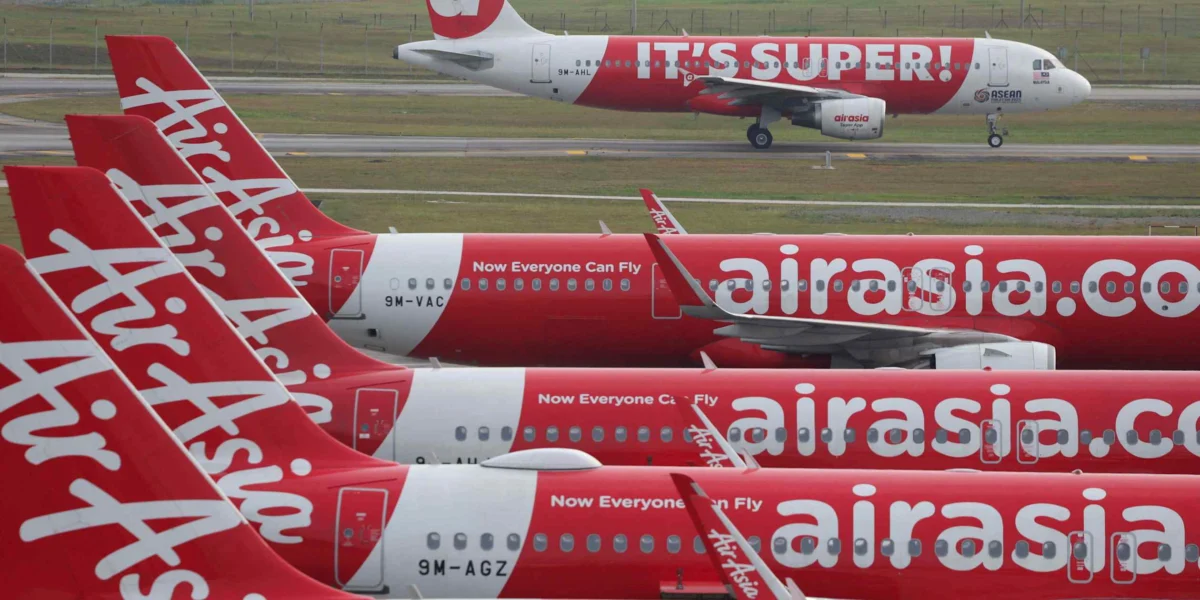
Kuala Lumpur – Shares of Malaysia’s budget carrier, AirAsia Group, experienced a significant downturn, plummeting 21% on Thursday, as investor confidence waned amidst heightened uncertainty surrounding the airline’s financial stability and operational execution. This sharp decline coincides with escalating concerns over the persistent pressure of rising fuel costs, exacerbated by ongoing geopolitical tensions in the Middle East. The airline is reportedly seeking to secure up to $1 billion in debt financing to navigate these challenging economic headwinds and bolster its liquidity.
Financial Strain and Market Reaction
The substantial drop in AirAsia’s stock price reflects deep-seated investor apprehension. Analysts point to a confluence of factors contributing to this market jitters. The immediate trigger appears to be the airline’s apparent need for substantial external funding, signaling potential liquidity challenges. This comes at a time when the global aviation industry is still recovering from the severe disruptions of the COVID-19 pandemic, and many carriers are grappling with increased operating expenses.
Fuel costs represent a significant portion of an airline’s operational expenditure, often accounting for 20-30% of total costs. Fluctuations in global oil prices, therefore, have a direct and pronounced impact on profitability. The current geopolitical landscape, characterized by heightened tensions in the Middle East, has introduced considerable volatility into the oil markets, pushing crude oil prices higher. This upward trajectory directly impacts airlines like AirAsia, which operate on thin margins, particularly in the budget segment where price competitiveness is paramount.
The 21% plunge on Thursday alone wiped out a considerable portion of the company’s market capitalization, underscoring the severity of market concerns. This sell-off suggests that investors are not only worried about the immediate impact of fuel costs but also about AirAsia’s ability to manage its debt obligations and fund its ongoing operations and expansion plans. The "heightened uncertainty" cited by market observers points to a lack of clear communication or transparency from the company regarding its financial strategy and immediate needs.
Seeking Substantial Debt Financing
Sources familiar with the matter have indicated that AirAsia Group is actively engaged in discussions to secure approximately $1 billion in debt financing. This move is widely interpreted as a strategic maneuver to shore up its financial reserves, meet its immediate obligations, and potentially fund capital expenditures or fleet modernization efforts. The scale of the requested financing suggests a proactive approach to addressing potential cash flow gaps and ensuring operational continuity in a challenging economic environment.
The specific terms and conditions of any potential debt issuance would be crucial for assessing its impact on AirAsia’s balance sheet and future financial flexibility. Lenders will likely scrutinize the airline’s revenue streams, operational efficiency, market position, and overall debt servicing capabilities. The success of this financing effort will depend on market appetite for such debt, given the prevailing economic uncertainties and the specific risks associated with the aviation sector.
Background: The Budget Airline Model and Fuel Sensitivity
AirAsia, as a prominent player in the low-cost carrier (LCC) segment, operates on a business model that prioritizes high aircraft utilization, quick turnaround times, and a focus on ancillary revenue streams. While this model has proven highly successful in expanding air travel accessibility, it also inherently makes LCCs more sensitive to fluctuations in operating costs, particularly fuel. Unlike full-service carriers that may have more diversified revenue sources or greater pricing power, LCCs often have less room to absorb significant cost increases without impacting ticket prices, which could then affect demand.
The COVID-19 pandemic presented an unprecedented crisis for the aviation industry, leading to widespread travel restrictions, grounded fleets, and significant financial losses. While many airlines have been on a recovery path, the lingering effects of the pandemic, coupled with new geopolitical and economic challenges, continue to create a complex operating environment. For AirAsia, the ability to manage its debt and operational costs effectively is critical for its long-term sustainability and its ability to capitalize on the eventual rebound in travel demand.
Geopolitical Tensions and Oil Price Volatility
The current spike in oil prices is directly linked to heightened geopolitical tensions in the Middle East. The region is a critical hub for global oil production and supply routes. Any disruption, or even the perceived threat of disruption, to these supplies can trigger significant price increases. The ongoing conflicts and political instability in key oil-producing nations create a ripple effect across global markets, impacting industries that rely heavily on energy, with aviation being one of the most directly affected.
For airlines, this means a substantial increase in their largest variable cost. The ability to pass these costs onto consumers is often limited, especially for budget carriers, as it can deter price-sensitive travelers. This puts immense pressure on profit margins and can force airlines to make difficult decisions regarding capacity, route planning, and operational efficiency.
Historical Context and Past Challenges
AirAsia Group has a history of navigating challenging market conditions. Founded by Tony Fernandes in 2001, the airline rapidly grew to become a dominant force in the Asian low-cost travel market. However, like many airlines, it has faced periods of intense competition, economic downturns, and operational hurdles. The company has previously undertaken various strategic initiatives, including fleet rationalization and restructuring of its various regional subsidiaries, to adapt to market dynamics and improve profitability.
The company’s financial performance in recent years has been closely watched by investors. While there have been periods of strong growth and profitability, the lingering impact of the pandemic and the current economic climate have presented significant headwinds. The need for such a large debt financing round at this juncture signals a more acute financial challenge than perhaps publicly acknowledged, leading to the current market reaction.
Potential Implications and Investor Outlook
The successful securing of $1 billion in debt financing would provide AirAsia with much-needed financial breathing room. It would enable the airline to continue its operations, meet its financial obligations, and potentially invest in its future. However, taking on additional debt also increases the company’s leverage and financial risk. The terms of the debt, including interest rates and repayment schedules, will be critical in determining the long-term impact on the company’s profitability and financial health.
For investors, the situation presents a complex picture. On one hand, the airline’s established brand, extensive network, and dominant position in key Asian markets remain attractive. On the other hand, the immediate financial pressures, coupled with the uncertainties in the global economic and geopolitical landscape, create a high-risk investment profile. The market’s sharp reaction suggests a lack of immediate confidence in the company’s ability to navigate these challenges without significant financial strain.
Future performance will likely hinge on several factors:
- Fuel Price Stabilization: A decrease or stabilization of global oil prices would significantly alleviate pressure on AirAsia’s operating costs.
- Successful Debt Financing: The ability to secure the necessary funds on favorable terms is paramount.
- Operational Efficiency: Continued focus on cost management and operational efficiency will be crucial.
- Demand Recovery: The pace of recovery in air travel demand across its key markets will directly impact revenue generation.
- Strategic Execution: The effectiveness of AirAsia’s management team in executing its business strategy and adapting to evolving market conditions will be closely monitored.
The coming weeks and months will be critical for AirAsia Group as it navigates this period of financial scrutiny and seeks to secure the necessary funding. The market will be keenly observing its progress and looking for clear signals of financial stability and a robust strategy for overcoming the current economic headwinds. The image of AirAsia planes, once symbols of affordable travel and growth, now carries the weight of investor concern and the imperative for sound financial management in a turbulent global aviation landscape.