Ena Muazin
The U.S. Federal Reserve has implemented its first interest rate hike in approximately three years, increasing the benchmark federal funds rate by 0.25 percentage points. This move, announced on Wednesday, brings the target range for the federal funds rate to 3.75 to 4.00 percent. The decision by the Federal Open Market Committee (FOMC) was widely anticipated, with futures markets pricing in a nearly 92 percent probability of such an increase. This policy adjustment signals a significant shift in the Fed’s approach to monetary policy, moving away from an era of accommodative measures and toward a more restrictive stance.
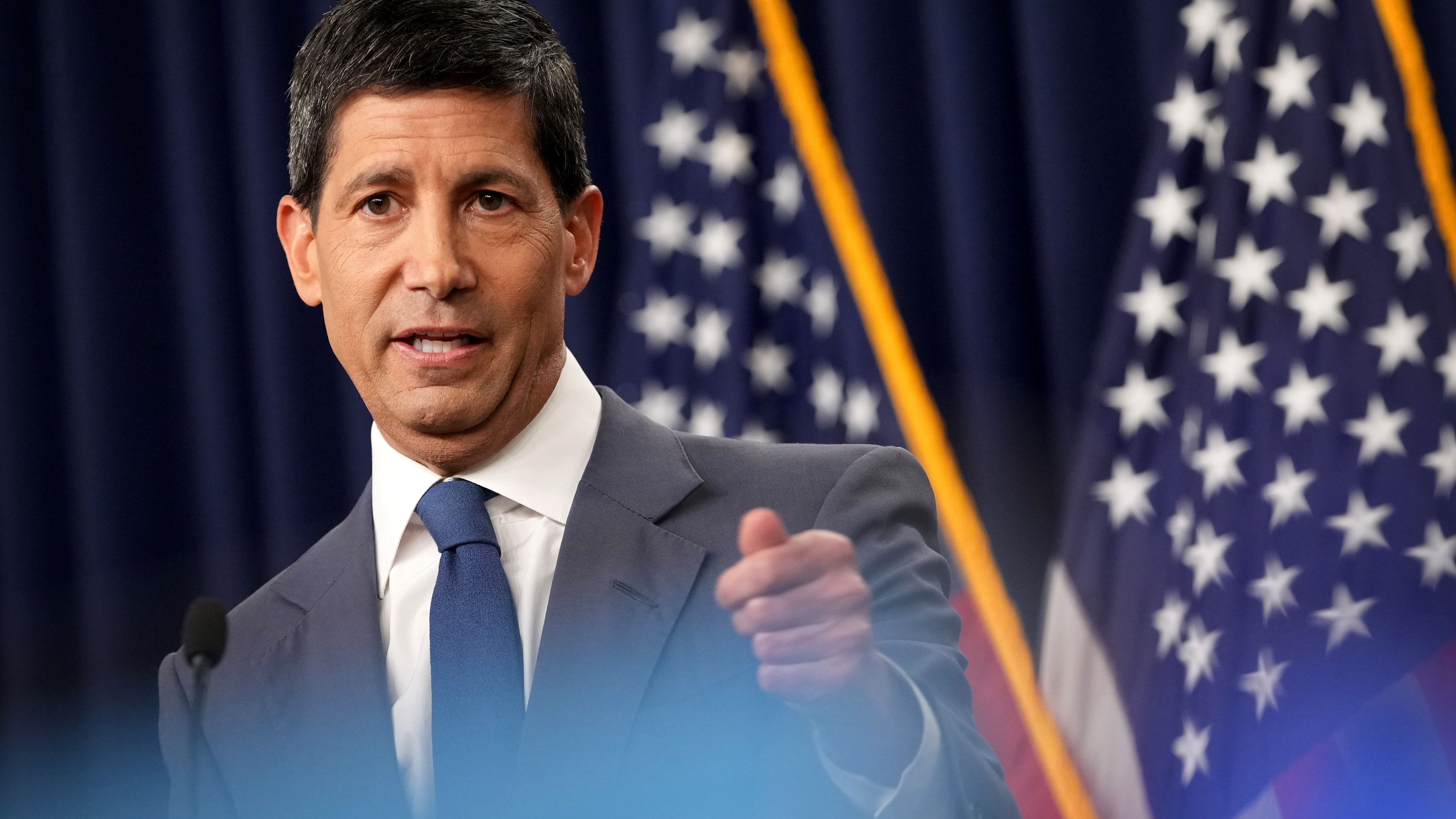
The last time the Federal Reserve raised its key interest rate was in July 2023. The impetus for this latest increase appears to stem from a confluence of persistent economic factors, most notably the persistently high inflation that has been a defining characteristic of the U.S. economy. Despite some moderating signs, inflationary pressures remain a primary concern for policymakers.
Economic Backdrop and Inflationary Pressures
In August, the Consumer Price Index (CPI) in the United States rose by 3.4 percent on an annual basis. A closely watched metric for the Federal Reserve, the core inflation rate – which excludes the volatile categories of energy and food – stood at 2.4 percent. This figure indicates that underlying inflationary pressures are still elevated, remaining significantly above the Federal Reserve’s long-term target of two percent, a goal that has persisted for nearly five years. This sustained deviation from the target has created a strong imperative for the central bank to act.

The Federal Reserve operates under a dual mandate established by Congress: to promote maximum employment and to maintain stable prices. The current economic environment presents a delicate balancing act. While the labor market has demonstrated remarkable resilience, the persistent inflation poses a risk to both consumer purchasing power and overall economic stability.
Robust Labor Market Data Bolsters Case for Rate Hike
Adding significant weight to the argument for a rate increase were the surprisingly strong labor market data released in the preceding week. Reports indicated robust job growth, suggesting that the U.S. economy possesses the underlying strength to absorb higher borrowing costs without experiencing a significant slowdown. This vigorous employment situation provides policymakers with a degree of confidence that they can tighten monetary policy without jeopardizing the broader economic recovery or pushing unemployment rates to undesirable levels.
The strength of the labor market can be quantified by several key indicators. For instance, the unemployment rate has remained at historically low levels, underscoring the tight conditions in the job market. Furthermore, wage growth, while contributing to inflationary pressures, also reflects a dynamic economy where businesses are actively competing for talent. This scenario allows the Fed to consider raising rates with a greater degree of certainty that the economy can withstand the impact.
Historical Context: The Era of Low Interest Rates
This rate hike marks a significant departure from the monetary policy landscape of the preceding decade. Following the 2008 global financial crisis, the Federal Reserve maintained a policy of near-zero interest rates for an extended period to stimulate economic growth and recovery. This era of ultra-low borrowing costs influenced investment decisions, asset valuations, and consumer behavior across the economy. The gradual normalization of interest rates, which began with a series of increases prior to the pandemic, was interrupted by the economic shock of COVID-19. The subsequent aggressive easing of monetary policy, including rate cuts and quantitative easing, aimed to cushion the economic blow. However, the unintended consequence of these expansive measures, coupled with supply chain disruptions and fiscal stimulus, contributed to the surge in inflation observed in recent years.

The Fed’s Decision-Making Process
The FOMC’s decision-making process is informed by a comprehensive analysis of a wide range of economic data. This includes, but is not limited to, inflation figures, employment statistics, consumer spending, business investment, and global economic conditions. The committee also closely monitors forward-looking indicators and market expectations.
In the lead-up to this decision, various economic indicators painted a mixed picture, but the persistent inflation and the robust labor market emerged as the dominant factors. Federal Reserve officials, including Chair Jerome Powell, have consistently emphasized their commitment to bringing inflation back to the two percent target, even if it entails a period of slower economic growth.

Divergence from Presidential Wishes
The Fed’s decision to raise interest rates also stands in contrast to the expressed desires of U.S. President Donald Trump. Throughout his presidency, Trump frequently voiced his preference for lower interest rates, arguing that they would stimulate economic growth and make American businesses more competitive. He often publicly criticized the Federal Reserve for not cutting rates further, even suggesting that the central bank was acting against his administration’s interests. The Fed, however, maintains its independence in setting monetary policy, guided by its statutory mandates rather than political pressure. This recent rate hike underscores that independence, as the committee prioritized its inflation-fighting mandate over external recommendations.
Broader Implications and Analysis
The implications of this interest rate hike are far-reaching, impacting various sectors of the economy. For consumers, higher interest rates translate into increased borrowing costs for mortgages, auto loans, and credit cards. This can lead to a cooling of demand in interest-sensitive sectors like housing and durable goods. Businesses will also face higher costs of capital, potentially leading to reduced investment and hiring.

Conversely, higher interest rates can benefit savers, as deposit rates are likely to increase. Furthermore, a stronger dollar, often a consequence of rising interest rates, can make imports cheaper but exports more expensive.
The Federal Reserve’s decision also has implications for global financial markets. As the U.S. central bank tightens monetary policy, it can lead to capital flows towards the U.S., potentially affecting currency exchange rates and interest rates in other countries. Emerging markets, in particular, can be vulnerable to shifts in global liquidity and increased borrowing costs.

The Path Forward: Vigilance and Data Dependence
Looking ahead, the Federal Reserve has signaled that future monetary policy decisions will remain data-dependent. The committee will continue to closely monitor incoming economic information to assess the trajectory of inflation and employment. While this rate hike represents a significant step, further increases may be warranted if inflation does not show a sustained return to the Fed’s target. Conversely, if economic conditions deteriorate more rapidly than expected, or if inflation moderates more quickly, the Fed may pause or even reverse its tightening cycle.
The current economic environment is characterized by a degree of uncertainty. Geopolitical events, ongoing supply chain adjustments, and the lingering effects of the pandemic all contribute to a complex outlook. The Federal Reserve’s commitment to price stability, however, remains a central pillar of its policy framework. This latest interest rate increase is a clear demonstration of that commitment, signaling a renewed focus on combating inflation and restoring a more balanced economic equilibrium. The full impact of this policy shift will unfold in the coming months and years, with continuous monitoring of key economic indicators being crucial for understanding the evolving economic landscape.