Ena Muazin
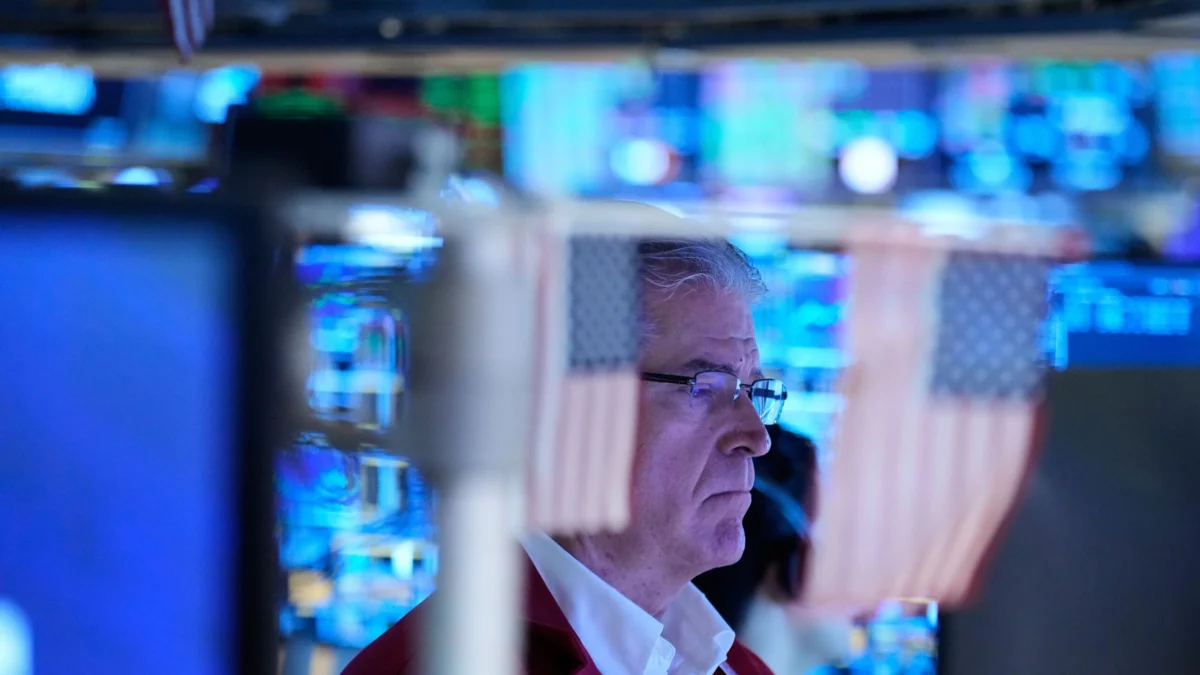
Düsseldorf/New York – A palpable sense of apprehension gripped Wall Street on Tuesday, as investors initiated a significant sell-off, driven by escalating fears of rising interest rates and a persistent climb in oil prices. This market downturn, which echoed losses from the preceding trading day, occurred on the eve of a pivotal interest rate decision by the U.S. Federal Reserve (Fed), amplifying concerns about the future trajectory of monetary policy and its potential impact on asset valuations.
The forthcoming announcement from the Federal Reserve carries particular weight in the current economic climate. Market observers, referencing the CME FedWatch Tool, indicate an overwhelming consensus that the central bank is poised to implement another interest rate hike. This expectation is largely underpinned by recent inflation data. In August, the year-over-year inflation rate stood at 3.4 percent, according to figures released by the relevant statistical office last week. Furthermore, the core inflation rate, a metric closely monitored by the Fed due to its exclusion of volatile food and energy prices, also remains elevated at 2.4 percent. These figures suggest that inflationary pressures, while showing some moderation from their peak, are proving more stubborn than initially anticipated, leaving the Fed with limited room to maneuver.
The Looming Shadow of Interest Rate Hikes
The persistent inflation figures have significantly bolstered the likelihood of further monetary tightening by the Federal Reserve. Prior to the release of the latest inflation data, approximately 70 percent of market participants anticipated a rate increase. However, this figure has since surged to over 90 percent, underscoring a dramatic shift in market sentiment. This heightened expectation translates into a greater probability that the Federal Reserve will continue its campaign to curb inflation by increasing the cost of borrowing.
Such a move would mark another step in a series of rate hikes initiated by the Fed over the past year, aimed at cooling an economy that has experienced robust demand but also sustained price pressures. The central bank’s dual mandate of achieving maximum employment and stable prices is being tested, and the current data suggests that price stability remains a primary concern.
Oil Prices Add to Investor Woes
Compounding the anxiety surrounding interest rates, global oil prices have also been on an upward trajectory. This surge in energy costs has a ripple effect across the economy, contributing to inflationary pressures by increasing transportation and production expenses for businesses. Higher energy prices can also erode consumer purchasing power, potentially dampening demand and impacting corporate earnings. For investors, this creates a double whammy: the prospect of higher borrowing costs alongside rising input expenses, both of which can squeeze profit margins and reduce the attractiveness of equity investments.
The intricate interplay between inflation, interest rates, and energy prices creates a complex and uncertain environment for financial markets. Investors are keenly trying to decipher the Fed’s next move and its long-term implications for economic growth and corporate profitability.
Market Reaction: A Flight to Safety
In response to these mounting concerns, a significant portion of the market opted for a defensive posture. The broad-based decline in stock indices reflects a risk-off sentiment, where investors reduce their exposure to assets perceived as more volatile, such as equities, and seek refuge in safer investments like government bonds.
This sell-off is not an isolated incident but rather a continuation of a trend observed in recent trading sessions. The market has been grappling with the prospect of a prolonged period of higher interest rates, which can diminish the present value of future earnings for companies, thereby making them less attractive to investors.
Expert Analysis: Navigating the Uncertainty
Markus Koch, a seasoned market analyst, provided insights into the prevailing sentiment. He noted that the Wall Street consensus has largely priced in an interest rate hike from the U.S. central bank. However, the crucial element going forward will be the signals emanating from Fed Chair Jerome Powell during his press conference following the policy announcement. The market will be scrutinizing his remarks for any indications regarding the future path of interest rates and the Fed’s strategy for managing its balance sheet.
"The market has already adjusted to the expectation of a rate hike," Koch explained. "What investors are now looking for are clues about the Fed’s forward guidance. Will this be a one-off hike, or are further increases on the horizon? What is the Fed’s assessment of the underlying inflation trends, and how will they manage the quantitative tightening process? These are the questions that will shape market sentiment in the coming weeks and months."
The Fed’s balance sheet policy, often referred to as quantitative tightening (QT), involves the reduction of the central bank’s holdings of assets, such as government bonds and mortgage-backed securities. This process effectively removes liquidity from the financial system, which can also contribute to higher borrowing costs. Therefore, any commentary on QT will be as closely watched as the decision on interest rates.
Historical Context: The Fed’s Inflation Fight
The Federal Reserve’s current stance on inflation control is rooted in its historical experience. The high inflation rates seen in the late 1970s and early 1980s, which were eventually tamed by aggressive monetary policy under Fed Chair Paul Volcker, serve as a stark reminder of the economic damage that persistent inflation can inflict. This historical precedent often influences the Fed’s resolve to maintain its anti-inflationary stance, even at the risk of slowing economic growth.
The current inflationary environment, while different in its specific drivers, shares the common thread of being more persistent than initially forecast. This has led to a recalibration of expectations regarding the duration and intensity of the Fed’s tightening cycle.
Implications for the Broader Economy
The ongoing market volatility and the anticipation of higher interest rates have significant implications for various sectors of the economy. For businesses, increased borrowing costs can translate into higher debt servicing expenses, potentially impacting investment plans and expansion efforts. Small and medium-sized enterprises, which often rely on credit for their operations, may find it more challenging to access affordable financing.
Consumers, too, are likely to feel the effects. Mortgage rates, already elevated, could climb further, making homeownership less accessible. Auto loan rates and credit card interest rates may also rise, increasing the cost of borrowing for everyday purchases. This could lead to a slowdown in consumer spending, a key driver of economic growth.
The Tech Sector: A Barometer of Sentiment
Technology stocks, often considered growth-oriented and sensitive to interest rate changes, have been particularly affected by the recent market downturn. Higher interest rates can reduce the present value of future earnings, which are a significant component of tech company valuations. Furthermore, many tech companies have financed their growth through debt, making them more vulnerable to rising borrowing costs.
The performance of the tech sector can serve as a bellwether for broader market sentiment, reflecting investors’ willingness to take on risk in an environment of increasing economic uncertainty.
Looking Ahead: Data Dependency and Future Outlook
The Federal Reserve has consistently emphasized its data-dependent approach to monetary policy. This means that future decisions will be heavily influenced by incoming economic data, including inflation reports, employment figures, and consumer spending trends.
The market will be closely monitoring these indicators in the coming weeks and months to gauge the Fed’s next steps. A sustained cooling of inflation and a softening of the labor market could provide the Fed with the flexibility to pause or even reverse its rate-hiking cycle. Conversely, continued inflationary pressures or signs of an overheating economy could necessitate further tightening.
The current environment underscores the delicate balancing act the Federal Reserve must perform: taming inflation without triggering a severe recession. The decisions made in the coming days and weeks will be critical in shaping the economic landscape for the remainder of the year and beyond. Investors, businesses, and consumers alike will be watching closely, seeking clarity and stability in a period of considerable economic flux. The current market sentiment suggests a cautious approach, with a clear preference for evidence that inflation is firmly on a downward path and that the Federal Reserve’s policy actions are calibrated to achieve sustainable economic growth.