Lina Wu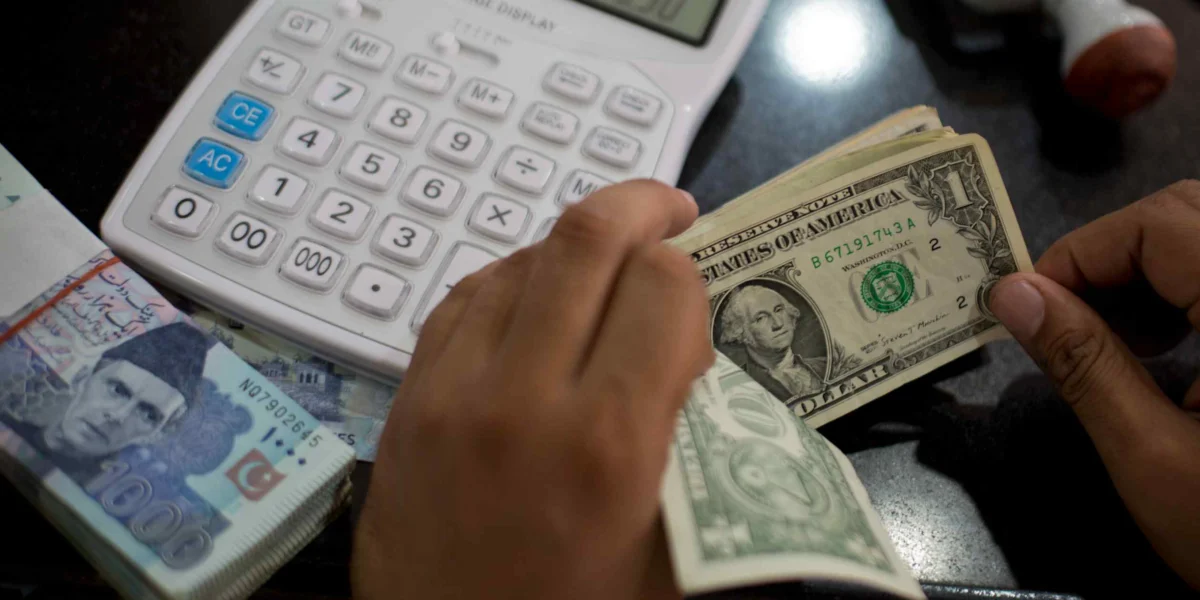
ISLAMABAD – Pakistan has successfully tapped global capital markets for a record $3 billion through its largest-ever international bond issuance, a move that signals a strategic pivot away from traditional intergovernmental loans and aims to bolster the nation’s fundraising flexibility, irrespective of its complex diplomatic landscape. The substantial influx of capital underscores Pakistan’s increasing reliance on commercial financing, a trend that, while offering greater autonomy, also introduces new challenges related to debt servicing and market volatility.
The Significance of the Record Bond Sale
The $3 billion raised represents a landmark achievement for Pakistan, surpassing previous international debt offerings. This success is a testament to the country’s ability to attract investor confidence in the global financial arena, even amidst prevailing economic headwinds. The issuance was reportedly split into two tranches: a $1.5 billion, five-year bond with a yield of 8.25 percent, and another $1.5 billion, ten-year bond priced at 9.25 percent. This dual-tranche approach allowed Pakistan to cater to a broader investor base and manage its debt maturity profile more effectively.
The primary driver behind this strategic shift is Pakistan’s desire to reduce its dependence on bilateral loans from friendly nations, such as China and Saudi Arabia, and multilateral institutions like the International Monetary Fund (IMF). While these intergovernmental loans have historically been crucial for managing balance of payments crises and funding large-scale development projects, they often come with specific conditions and can be influenced by geopolitical considerations. By diversifying its funding sources through international bonds, Pakistan seeks to enhance its financial sovereignty and gain more control over its economic policy decisions.
A Gradual Transition from Bilateral Dependencies
The journey towards this record bond sale has been a gradual one, marked by a series of economic reforms and efforts to stabilize the country’s financial footing. For decades, Pakistan has relied heavily on a mix of commercial loans, bilateral assistance, and IMF programs to finance its budget deficits and external account imbalances. However, the volatility in global commodity prices, domestic political instability, and recurring balance of payments crises often necessitated seeking emergency financial support from allied countries.
In recent years, Pakistan’s economic managers have recognized the limitations of this approach. The country has faced criticism for its persistent reliance on bailouts, which, while providing temporary relief, have often failed to address the underlying structural issues. The push for international bond issuance represents a more proactive strategy to secure long-term financing and reduce vulnerability to external pressures.
The timing of this issuance is also noteworthy. It comes at a time when Pakistan is navigating a delicate economic recovery phase. The country has been working to implement fiscal consolidation measures, improve revenue collection, and attract foreign investment. The successful bond sale suggests that international investors perceive a degree of stability and potential for growth in the Pakistani economy, despite lingering risks.
Experts Weigh In: Opportunities and Challenges
While the record bond sale is undoubtedly a positive development, financial experts caution against viewing it as a panacea for Pakistan’s economic challenges. A key concern raised by analysts is the potential increase in debt-servicing costs. Government-to-government (G2G) loans, particularly from China, have often been characterized by concessional terms, including lower interest rates and longer repayment periods. Shifting towards commercial financing, especially in a rising interest rate environment, can lead to higher interest payments, thereby straining the national budget.
"The move towards international bonds provides Pakistan with greater market access and potentially more favorable terms than some bilateral loans, especially when its credit profile improves," noted a senior economist at a leading Pakistani financial institution, who requested anonymity due to the sensitive nature of the subject. "However, the coupon rates on these bonds are market-determined. If Pakistan needs to borrow more frequently from international markets, the cumulative interest burden could become significant, especially if global interest rates remain elevated."
Furthermore, the article’s subhead highlights a crucial nuance: "Dependency on bilateral loans is waning, but experts say reliance on Chinese money remains." This suggests that while Pakistan may be diversifying away from some bilateral partners, its relationship with China, particularly in the context of the China-Pakistan Economic Corridor (CPEC) and associated debt, continues to be a dominant factor in its external financing landscape. Chinese lending has been instrumental in funding infrastructure projects, but it has also contributed to a substantial portion of Pakistan’s external debt. The shift towards international bonds might be more about diversifying away from certain types of bilateral loans or lenders, rather than a complete disengagement from all forms of bilateral financing.
Implications for Pakistan’s Debt Profile
The issuance of these bonds will have a direct impact on Pakistan’s external debt profile. The country’s total debt-to-GDP ratio has been a persistent concern for policymakers and international creditors. While the new borrowing will increase the absolute quantum of debt, its impact on the debt-to-GDP ratio will depend on the country’s economic growth trajectory and the size of its GDP.
The shift from intergovernmental loans to commercial financing also implies a greater exposure to global market sentiment. Bond yields are susceptible to changes in global economic conditions, geopolitical events, and investor risk appetite. A sudden downturn in global markets could make it more expensive for Pakistan to borrow in the future or even lead to difficulties in refinancing existing debt.
Broader Economic Context and Future Outlook
This bond sale is part of a larger effort by Pakistan to attract foreign investment and improve its balance of payments position. The country has been striving to enhance its foreign exchange reserves, which are crucial for maintaining economic stability and managing imports. The proceeds from the bond issuance will likely contribute to bolstering these reserves, providing a much-needed buffer against external shocks.
However, the long-term success of this strategy will depend on Pakistan’s ability to address its fundamental economic challenges. These include improving the ease of doing business, tackling inflation, enhancing tax revenue collection, and fostering sustainable economic growth. Without these structural reforms, Pakistan may find itself in a recurring cycle of borrowing to meet its financial obligations.
The international bond market is a double-edged sword. It offers significant opportunities for countries to raise capital and reduce reliance on specific lenders. However, it also exposes them to the volatility of global financial markets and the discipline of international investors. For Pakistan, this record issuance is a significant step, but it is just one part of a complex and ongoing journey towards sustainable economic stability and financial independence. The coming years will reveal whether this strategic shift in funding can indeed translate into greater economic resilience and prosperity for the nation.