Lina Wu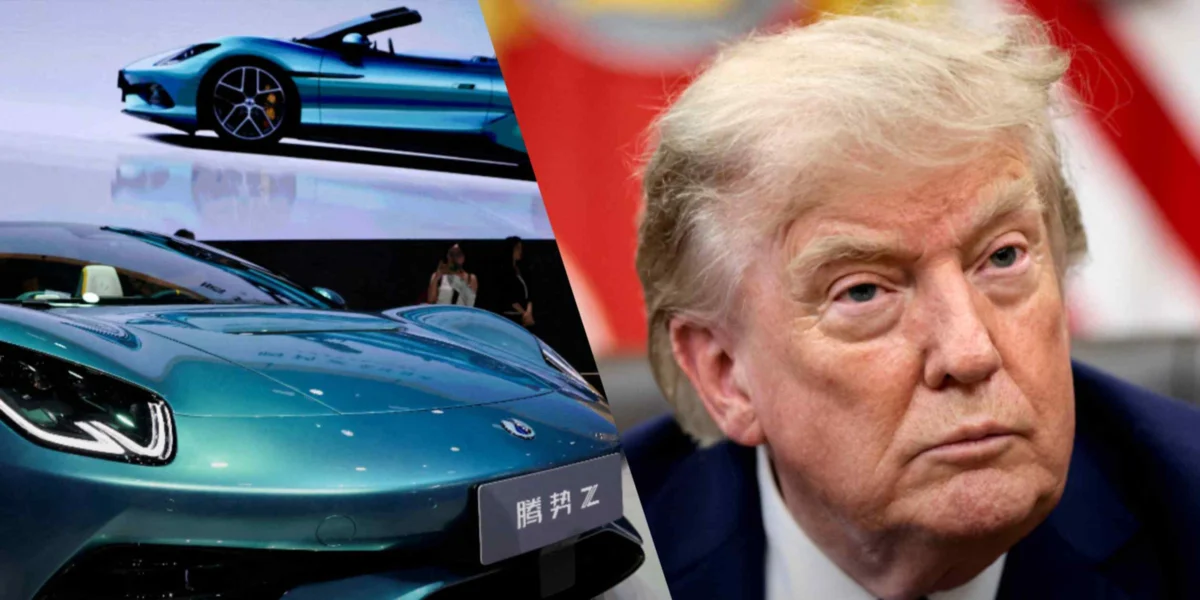
NEW YORK – U.S. President Donald Trump has once again indicated a potential openness to allowing Chinese companies to establish manufacturing operations within the United States, a stance that is meeting significant domestic headwinds from both the American automotive industry and influential figures in Washington. This delicate balancing act comes as the administration navigates increasingly complex U.S.-China relations, with upcoming discussions with Chinese President Xi Jinping looming on the horizon. Recent statements from the President, suggesting a willingness to approve the sale of Chinese cars in the American market, have been met with swift and firm opposition, highlighting a deep-seated concern about the economic and security implications of such a move.
The Shifting Landscape of Automotive Manufacturing
The automotive industry, a cornerstone of American manufacturing and employment, has long been a focal point of trade discussions between the United States and China. Historically, the U.S. has been a net exporter of vehicles and automotive parts, but this dynamic has been steadily shifting. In recent years, Chinese automakers have seen a dramatic surge in their domestic sales and production capabilities, fueled by government support and a rapidly growing middle class. This expansion has led to speculation and, now, direct suggestions from the U.S. President, that these companies might look to establish a manufacturing presence in the U.S., potentially leveraging existing infrastructure or building new facilities.
However, this prospect is far from universally welcomed. The U.S. auto industry, represented by powerful unions and established manufacturers, has voiced strong concerns about the potential impact on American jobs, wages, and the competitive landscape. The United Auto Workers (UAW), a prominent labor union, has historically advocated for policies that protect domestic manufacturing and ensure fair labor practices. Allowing Chinese automakers to set up shop, especially if they bring with them different labor standards or rely on supply chains that bypass U.S. suppliers, could be perceived as a direct threat to these efforts.
A Timeline of Emerging Concerns
The dialogue surrounding Chinese investment in the U.S. automotive sector has been ongoing, but recent pronouncements by President Trump have injected a new level of urgency. While specific dates for the President’s statements were not detailed in the initial report, the context suggests a period of heightened diplomatic activity and internal debate within the administration.
Early 2020s: Chinese automakers, such as BYD and Geely, begin to gain significant traction in global markets, demonstrating advanced technology and competitive pricing. Discussions around potential U.S. market entry become more frequent in industry circles.
Mid-2020s: President Trump begins to publicly signal a willingness to consider new trade arrangements with China, often framing them in terms of creating jobs and boosting American industries. This period sees tentative discussions about allowing foreign direct investment in strategic sectors, including automotive manufacturing.
Recent Months: Rumors emerge of President Trump being open to approving the sale of Chinese-made cars in the U.S. market, potentially under specific conditions. These rumors gain traction as the administration prepares for high-level meetings with Chinese counterparts.
September 2026 (Current Reporting Period): President Trump publicly reiterates his administration’s potential openness to Chinese companies building cars on American soil, despite mounting domestic opposition. This statement is made in anticipation of a meeting with Chinese President Xi Jinping, underscoring the geopolitical significance of the issue.
Supporting Data and Economic Implications
The U.S. automotive industry is a significant contributor to the national economy, employing millions of Americans directly and indirectly. In 2023, the sector directly employed over 1.8 million people in the United States, with an additional 3.7 million jobs linked to the industry through its supply chain and dealerships. The value of automotive manufacturing output in the U.S. exceeded $300 billion annually.
The potential influx of Chinese automakers, while framed by some as an opportunity for job creation and increased competition, raises several economic concerns:
- Job Displacement: If Chinese companies establish manufacturing facilities, they might initially create jobs. However, concerns remain that these jobs could come at the expense of existing American jobs if U.S. automakers face intensified competition, leading to reduced production or plant closures.
- Wage Competition: Chinese labor costs, even for skilled manufacturing roles, are generally lower than those in the U.S. This could put downward pressure on wages for American autoworkers.
- Intellectual Property and Technology Transfer: A key concern for U.S. policymakers is the potential for intellectual property theft or forced technology transfer, a long-standing issue in U.S.-China trade relations.
- National Security and Supply Chain Resilience: Over-reliance on Chinese-manufactured vehicles or critical components could pose national security risks, particularly in times of geopolitical tension. Ensuring the resilience of domestic supply chains for essential industries like automotive manufacturing is a growing priority.
- Trade Deficit: While the U.S. has a significant trade deficit with China in many sectors, the automotive sector’s dynamics are complex. Allowing widespread Chinese car sales and manufacturing could potentially exacerbate trade imbalances if not managed carefully.
Reactions from Stakeholders
The President’s statements have predictably elicited strong reactions from various stakeholders:
U.S. Auto Industry Representatives: While specific corporate statements are often carefully worded, industry associations and executives have generally expressed caution. They often emphasize the importance of a level playing field, fair competition, and the need to protect American manufacturing jobs. There is a strong undercurrent of concern about the long-term viability of the domestic industry if faced with subsidized or lower-cost foreign competition.
Labor Unions: Unions such as the UAW have been particularly vocal. They have consistently advocated for policies that prioritize American workers and manufacturing. Any move that could be perceived as undermining these goals would likely face strong opposition. A UAW spokesperson, when asked about potential Chinese investment, might state something to the effect of, "Our priority is ensuring good-paying jobs and strong benefits for American workers. Any new manufacturing in the U.S. must adhere to the highest labor standards and contribute to our domestic economy, not undermine it."
Congressional Leaders: Lawmakers on both sides of the aisle have expressed concerns about the implications of allowing Chinese auto manufacturers unfettered access to the U.S. market. Protectionist sentiments are strong, particularly in states with significant automotive manufacturing bases. A bipartisan group of senators might issue a joint statement, warning that, "Opening our borders to Chinese automotive imports without robust safeguards could jeopardize thousands of American jobs and compromise our national security. We urge the administration to prioritize American workers and industries."
Chinese Government and Automakers: While the article focuses on the U.S. perspective, it is important to note that China views increased foreign investment as a crucial component of its economic strategy. Chinese automakers are eager to expand their global footprint. A statement from a Chinese Ministry of Commerce official might express optimism, saying, "China welcomes mutually beneficial investments that foster economic growth and create jobs in all participating nations. We believe in fair trade and open markets." However, the specifics of any U.S. policy would be closely scrutinized.
Broader Implications and Analysis
The ongoing debate over Chinese automotive investment in the U.S. is emblematic of a larger, more complex geopolitical and economic struggle between the two global powers. President Trump’s approach, often characterized by a willingness to challenge established trade norms and pursue bilateral deals, stands in contrast to more traditional, multilateral trade policies.
The administration’s stated goal of creating jobs and bolstering American industry through such potential agreements is a key narrative. However, critics argue that this approach could inadvertently weaken American competitiveness in the long run by allowing foreign entities to gain a foothold in critical sectors without sufficient reciprocal benefits or robust protections for domestic interests.
The upcoming meeting with President Xi Jinping will be a critical juncture. The U.S. President’s willingness to consider such a significant concession on automotive imports, if indeed that is his intention, suggests a potential desire to secure broader trade agreements or concessions from China. The outcome of these discussions will not only shape the future of the U.S. automotive industry but will also provide further insight into the strategic direction of U.S.-China economic relations under the current administration. The administration’s ability to balance the President’s openness to foreign investment with the deeply entrenched concerns of domestic industry and labor will be a defining challenge. The long-term implications for American manufacturing, job security, and national economic security will depend heavily on the specific terms and conditions under which any such agreements are forged, if they are forged at all. The current domestic opposition suggests that any move in this direction will be a heavily contested and scrutinized one.