Lina Wu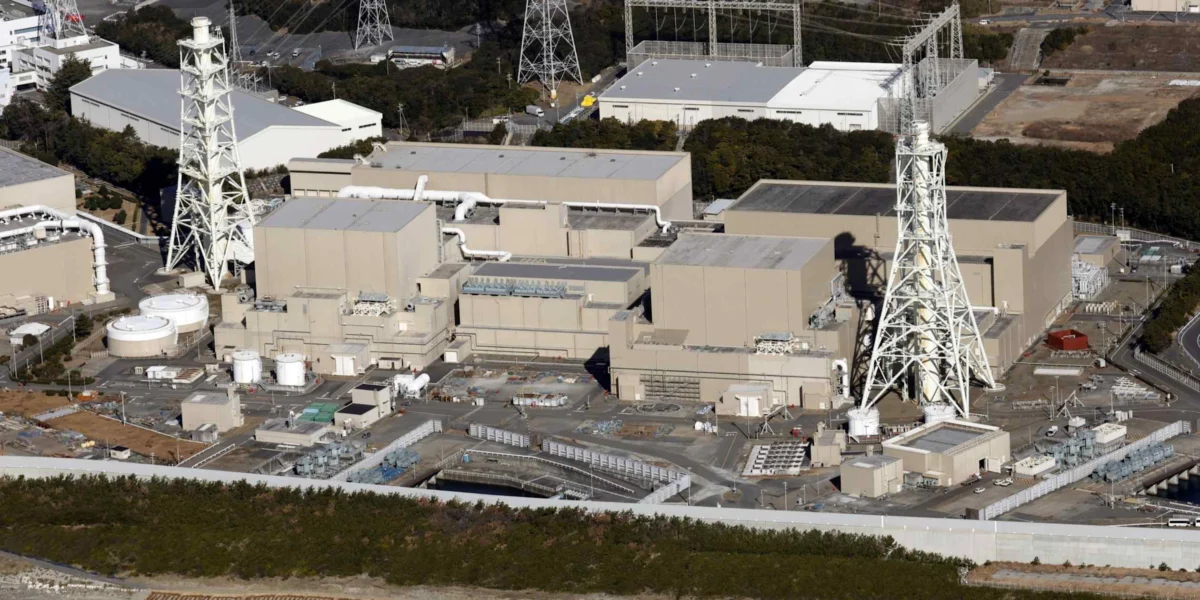
NAGOYA, Japan — A significant leadership change is imminent at Chubu Electric Power, one of Japan’s largest regional energy providers, following the uncovering of a serious breach of integrity involving the manipulation of seismic data crucial for assessing the safety of its nuclear power facilities. The revelations have sent ripples through the nation’s already cautious approach to nuclear energy and have prompted a withdrawal of applications for restarting two reactors at the Hamaoka nuclear power plant.
The scandal centers on allegations that seismic data, a cornerstone of the safety evaluations required by the Nuclear Regulation Authority (NRA) for the restart of nuclear reactors, was deliberately altered. This data is vital for determining the potential impact of earthquakes on plant infrastructure, particularly the crucial safety systems designed to prevent meltdowns. The Hamaoka plant, situated in Shizuoka Prefecture on the Pacific coast, is strategically located in a region highly susceptible to seismic activity, including the potential for a massive Nankai Trough earthquake. This geographical vulnerability amplifies the gravity of the data tampering incident.
The Unfolding Crisis: A Timeline of Events
The precise timeline leading to the public disclosure of the seismic data tampering is still being pieced together, but initial reports suggest that internal investigations within Chubu Electric Power began several months ago. Sources close to the matter indicate that irregularities were first flagged by engineers reviewing the comprehensive seismic hazard assessments. These assessments are not merely internal documents; they are subject to rigorous scrutiny by the NRA, the independent regulatory body established in the wake of the Fukushima Daiichi disaster in 2011.
The process of restarting nuclear reactors in Japan is exceptionally stringent, requiring utilities to demonstrate that their facilities can withstand the most severe potential natural disasters, including earthquakes and tsunamis. This involves extensive geological surveys, simulations, and the submission of detailed safety reports to the NRA. The integrity of the data underpinning these reports is paramount.
In late August and early September 2026, as Chubu Electric Power prepared to resubmit applications for the inspection and potential restart of two reactors at the Hamaoka plant – specifically Units 3 and 4 – the alleged data manipulation came to light. This timing is particularly critical, as the NRA was on the verge of reviewing these applications. The revelation immediately cast a shadow over the entire restart process, leading to an urgent internal review by the company.
Withdrawal of Restart Applications: A Pragmatic Response
On September 13, 2026, Chubu Electric Power officially announced its decision to withdraw the applications for inspections aimed at restarting the Hamaoka nuclear power plant’s Units 3 and 4. This move, while seemingly a direct consequence of the scandal, is also a strategic decision to allow the company to conduct a thorough internal investigation and address the fundamental issues of data integrity.
The company stated that it needs to "re-examine and confirm the accuracy of its seismic hazard assessments." This implies a comprehensive review of all relevant data, methodologies, and the processes by which such data is collected, analyzed, and reported. The withdrawal is not an admission of guilt regarding the safety of the reactors themselves, but rather an acknowledgment of the compromised process that would have led to their safety evaluation.
Supporting Data and the Significance of Seismic Assessments
The Hamaoka nuclear power plant, commissioned in 1976 and 1978 respectively for Units 3 and 4, has been offline since 2011, following the Fukushima disaster. Like other Japanese nuclear facilities, it underwent extensive safety upgrades and reassessment to meet the post-Fukushima regulatory standards. A key component of these standards is the assessment of seismic resilience.
Japan’s seismic hazard is a well-documented reality. The country sits on the Pacific Ring of Fire, a horseshoe-shaped zone of intense seismic and volcanic activity, accounting for approximately 90% of the world’s earthquakes. The Nankai Trough, located offshore from central and western Japan, is a particularly concerning seismic zone, capable of generating mega-thrust earthquakes with magnitudes exceeding 8.0, accompanied by devastating tsunamis.
Chubu Electric Power’s seismic hazard assessment for the Hamaoka plant would have involved detailed geological surveys of the surrounding seabed and land, analysis of historical earthquake data, and sophisticated modeling of potential ground motion and liquefaction. The company would have been required to demonstrate that its reinforced concrete structures, containment buildings, and critical safety systems, including emergency cooling and power supplies, could withstand the projected forces. Any falsification or misrepresentation of this data would fundamentally undermine the credibility of these assessments and the confidence in the plant’s ability to operate safely.
Official Responses and Reactions
The immediate aftermath of the announcement saw swift reactions from various stakeholders. The Nuclear Regulation Authority (NRA) is expected to conduct its own independent investigation into the matter. A spokesperson for the NRA stated that the authority takes "any allegations of data manipulation extremely seriously" and will "thoroughly investigate to ensure the integrity of the regulatory process." The NRA’s mandate is to guarantee public safety, and compromised data directly threatens that objective.
Politicians and anti-nuclear activists have also voiced concerns. While specific statements from political leaders are pending further investigation, it is anticipated that the incident will reignite the national debate on nuclear energy’s future in Japan. Anti-nuclear groups, who have long campaigned for the permanent closure of all nuclear power plants, are likely to use this scandal as further evidence of the inherent risks and potential for mismanagement within the nuclear industry.
Broader Impact and Implications
The implications of this seismic data tampering scandal are far-reaching. Firstly, it casts a long shadow over Chubu Electric Power’s leadership and its corporate governance. The revelation suggests a potential systemic issue, rather than an isolated incident, and will undoubtedly lead to a thorough review of internal controls and ethical protocols within the company. The upcoming change in presidency is a clear indication that the board acknowledges the severity of the situation and the need for new leadership to navigate the crisis and restore trust.
Secondly, the incident poses a significant setback for Japan’s broader nuclear energy policy. The country has been gradually working towards restarting its nuclear fleet, viewing it as a crucial component of its energy security and its commitment to reducing carbon emissions. The Hamaoka plant, in particular, is a significant asset, and its prolonged outage due to these revelations will have economic consequences for Chubu Electric Power and its customers. Furthermore, it could embolden opposition to nuclear power nationally, potentially delaying or derailing plans to bring other idled reactors back online.
Thirdly, the scandal has implications for the Nuclear Regulation Authority (NRA) itself. While the NRA is the independent arbiter of safety, it relies on the accuracy and honesty of the data submitted by the power companies. This incident raises questions about the effectiveness of the NRA’s oversight mechanisms and whether they are sufficiently robust to detect and prevent such deliberate misrepresentations. The NRA will likely face pressure to enhance its auditing and verification processes.
The Hamaoka nuclear power plant itself is a facility of considerable importance. It is one of the largest nuclear power stations in Japan, with a total generating capacity of 3,440 megawatts. Its potential restart has been a subject of intense debate due to its location in a high-risk seismic zone. In 2011, then-Prime Minister Naoto Kan famously requested its shutdown due to seismic concerns, a move that was initially resisted by the utility. The subsequent Fukushima disaster only amplified these concerns.
The withdrawal of the restart applications for Units 3 and 4 means that these reactors will remain offline for an extended period. The company will need to conduct a comprehensive internal investigation, potentially involving external forensic experts, to identify the extent of the data tampering, the individuals responsible, and the systemic failures that allowed it to occur. Following this, they will need to rectify the data, re-evaluate seismic hazards, and resubmit their applications, a process that could take years.
In conclusion, the seismic data tampering scandal at Chubu Electric Power represents a critical juncture for the company and for Japan’s nuclear energy sector. The leadership change signifies an attempt to address the immediate crisis, but the long-term implications for public trust, regulatory oversight, and the future of nuclear power in Japan will depend on the thoroughness of the investigations, the accountability demonstrated, and the robust implementation of measures to prevent such breaches of integrity from ever happening again. The path forward for Chubu Electric Power is now inextricably linked to rebuilding confidence through transparency and unwavering commitment to safety standards.