Putri Inara
In the current digital ecosystem, where over 600 million blogs compete for a global audience of 4.7 billion internet users, technical proficiency has become a baseline rather than a competitive advantage. While search engine optimization (SEO), mobile-responsive design, and grammatical precision remain essential, industry data suggests that these elements alone are insufficient for long-term audience retention. According to recent consumer behavior reports, 80% of readers are more likely to engage with a brand or creator that offers a personalized experience. This shift has elevated "personality" from a stylistic choice to a core business metric.
Personalization in the context of digital publishing is the strategic infusion of a creator’s unique identity, values, and voice into their platform. It serves as the differentiator between a generic information repository and a trusted community hub. For independent bloggers and digital entrepreneurs, the challenge lies in translating abstract personality traits into tangible design and content strategies. By analyzing the methodologies of ten industry leaders, creators can identify the specific levers—visual, linguistic, and structural—required to foster authentic connections with their target demographics.
The Evolution of the Digital Creator Economy: A Chronology
The necessity of personalization has evolved through several distinct eras of the internet. In the early 2000s, the "Weblog" era focused on raw, chronological diaries where personality was inherent but often unpolished. By 2010, the "Professionalization" era saw a shift toward high-gloss, corporate-style blogs that prioritized SEO and monetization, often at the expense of human connection.
Following the 2015 "Content Saturation" point, a third era emerged: the "Authenticity" era. As social media platforms like Instagram and YouTube normalized behind-the-scenes access, blog readers began demanding a similar level of intimacy and transparency from written content. Today, in an environment increasingly populated by AI-generated text, the "Human-Centric" era places a premium on unique lived experiences and identifiable brand voices. Data from the Content Marketing Institute indicates that "humanizing the brand" is now a top priority for 70% of successful content marketers.
Strategic Visual Storytelling Through Authentic Imagery
The primary visual touchpoint for any blog is its imagery. While stock photography is a cost-effective solution, it often contributes to a sense of "digital anonymity." Case studies in the travel and lifestyle sectors demonstrate that original photography significantly increases time-on-page metrics.
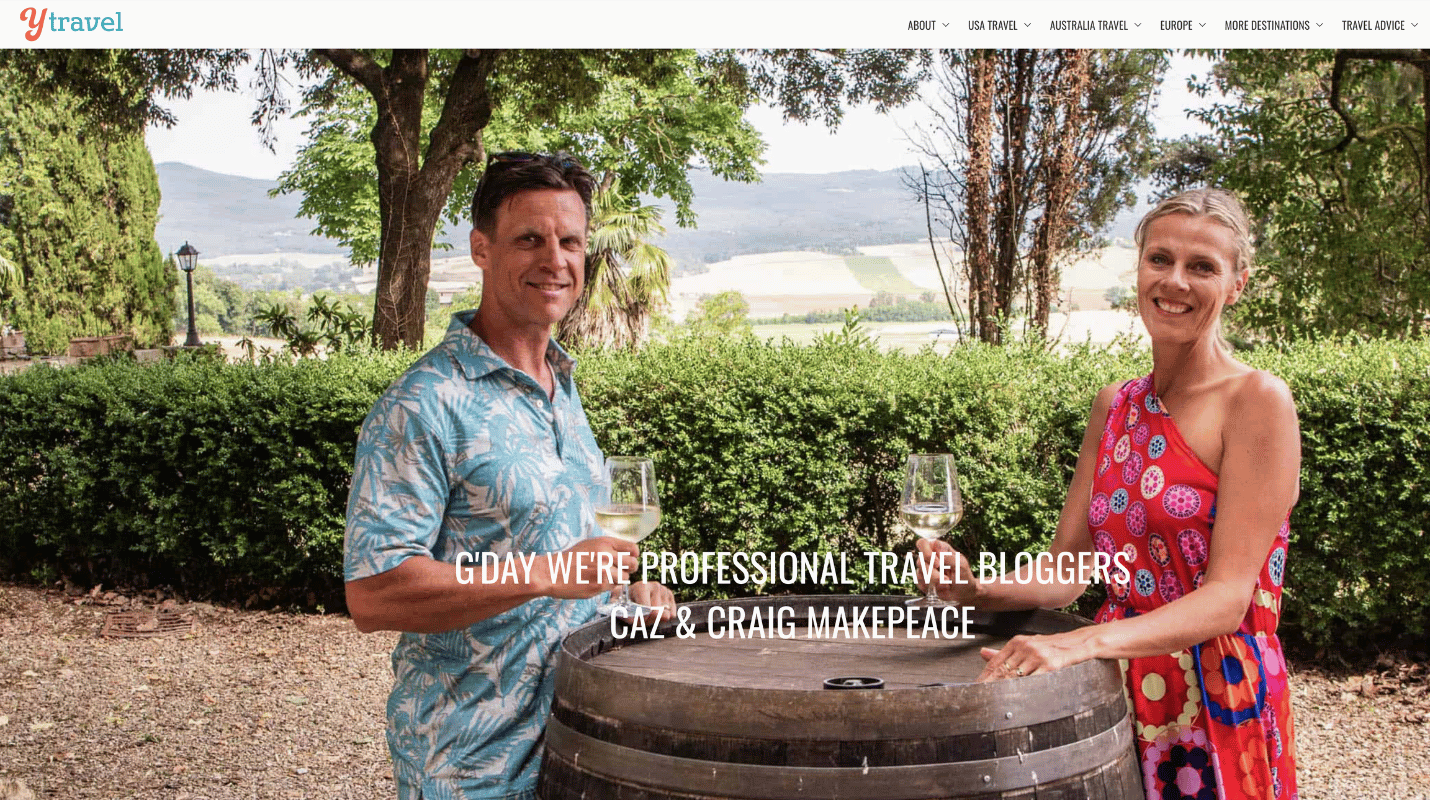
Case Study: YTravel (Caz and Craig)
Caz and Craig of YTravel have built a global brand by integrating high-quality, candid photography of their family into their travel guides. Their approach moves beyond professional landscape shots to include "lifestyle" images that document the realities of traveling with children.
Analytical Insight: Research into eye-tracking patterns suggests that users spend 10% more time looking at photos of real people than at stock photos. By featuring themselves in their content, Caz and Craig transform a generic travel tip into a relatable recommendation. This strategy effectively lowers the "trust barrier," as readers can see the creators actually experiencing the destinations they describe.
The Architecture of a Personal Brand Identity
A personal brand is the intersection of professional expertise and individual quirkiness. For entrepreneurs, the goal is to be perceived as a "subject matter expert" who is also an "approachable peer."
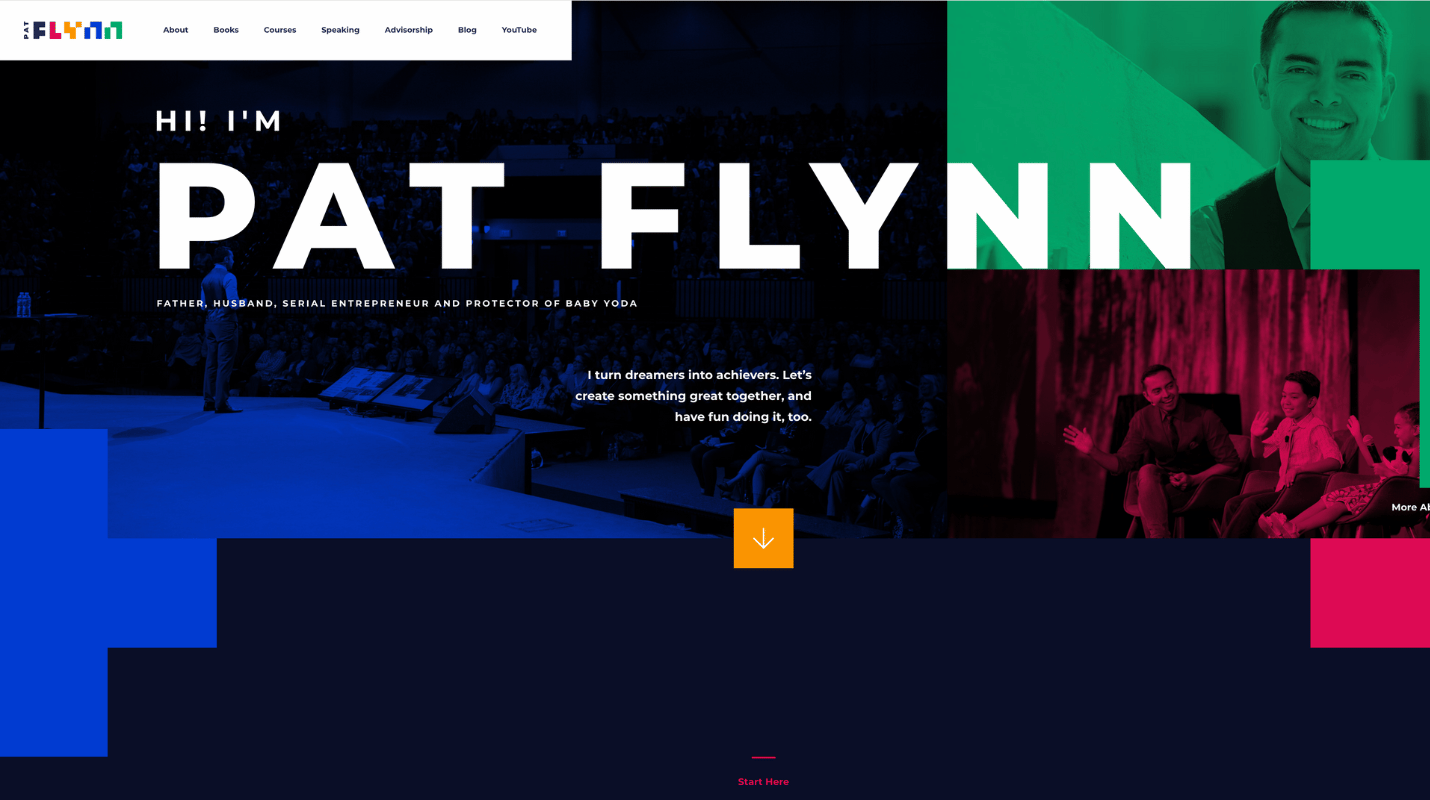
Case Study: Smart Passive Income (Pat Flynn)
Pat Flynn’s platform is a hallmark of "Professional Personality." Upon entering the site, visitors are met with large-scale typography of his name and a multifaceted bio: "father, husband, serial entrepreneur." He balances these professional credentials with pop-culture references, such as his self-identification as the "protector of baby Yoda."
Expert Reaction: Branding consultants note that Flynn’s strategy utilizes the "Vulnerability Loop," a psychological concept where sharing small, personal details builds rapid rapport. By showing he is a "Star Wars" fan and a family man, Flynn creates multiple "hooks" for different segments of his audience to connect with him before they ever read a word of his business advice.
Linguistic Branding and the Psychology of Tone
Voice and tone are the linguistic equivalents of a visual logo. While many bloggers adhere to a neutral, "journalistic" style to avoid offending readers, those who adopt a strong, identifiable tone often see higher levels of community loyalty.
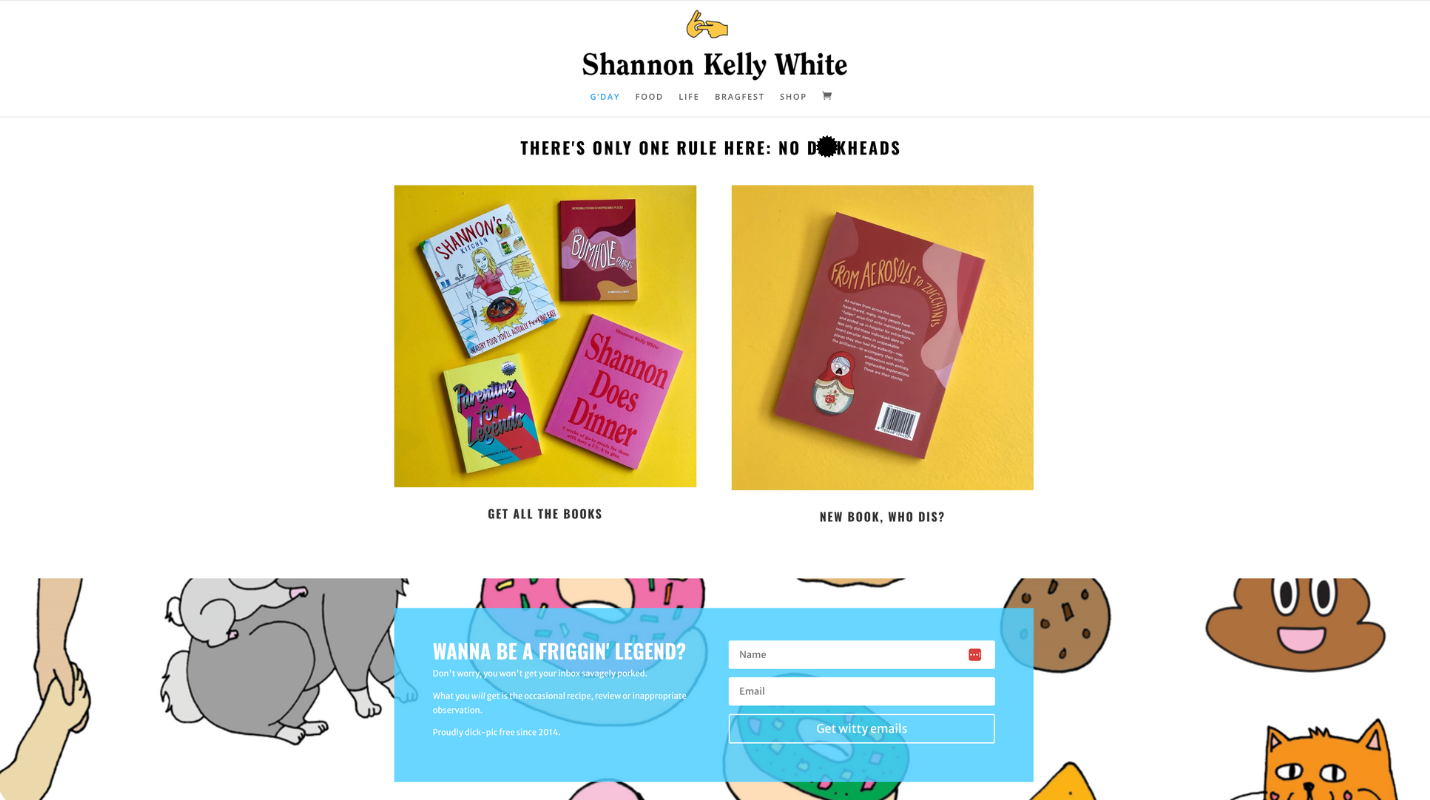
Case Study: Shannon Kelly White
Shannon Kelly White utilizes a "Salty" tone, characterized by the frequent and unapologetic use of profanity and raw honesty. This stylistic choice acts as a natural filter for her audience.
Broader Impact: This approach is a form of "Attraction-Repulsion Marketing." By being polarizing, White alienates those who do not align with her worldview while simultaneously intensifying the loyalty of those who do. In a crowded market, being "everyone’s favorite" is statistically less likely than being "someone’s obsession." A distinct tone ensures that the audience who stays is highly engaged and culturally aligned with the creator.
Visual Mnemonics and Custom Assets
In the absence of a physical presence, digital creators must use visual cues to create a sense of familiarity. Custom illustrations and consistent avatars act as "visual mnemonics," helping readers remember the site among hundreds of browser tabs.
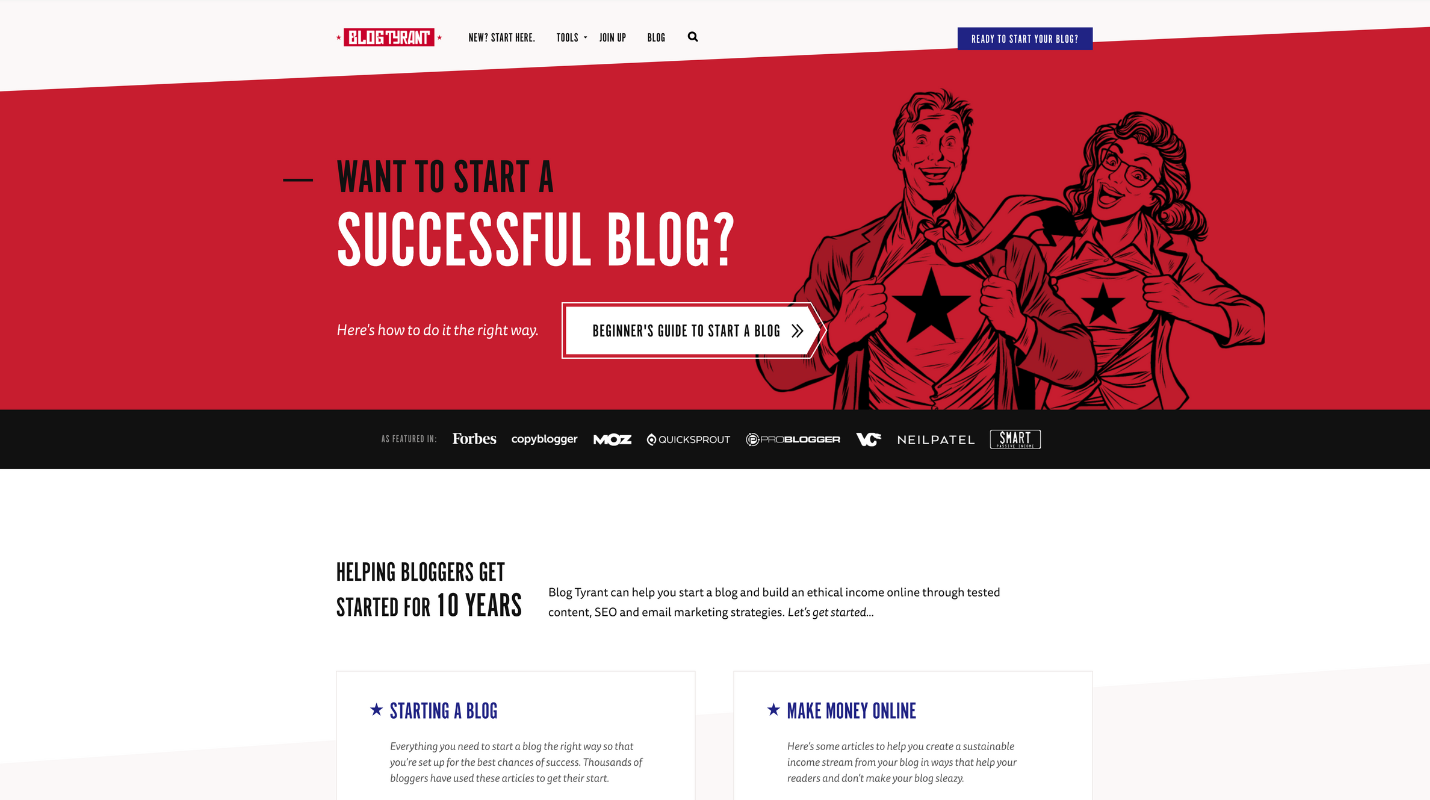
Case Study: Blog Tyrant (Ramsey)
Ramsey of Blog Tyrant employs a custom-illustrated superhero avatar as a central brand asset. This character appears in his header, his lead magnets, and his feature images.
Supporting Data: According to the "Picture Superiority Effect," people remember information 65% better when it is paired with a relevant image. By using a consistent, custom character, Ramsey ensures that his brand is instantly recognizable across different platforms. This reduces "cognitive load" for the reader, making the brand feel more established and professional than those relying on disparate stock icons.
Optimizing the ‘About’ Page as a Conversion Hub
The "About" page is frequently the second most-visited page on a blog, following the homepage. It represents a critical juncture where a casual visitor decides whether to become a long-term subscriber.
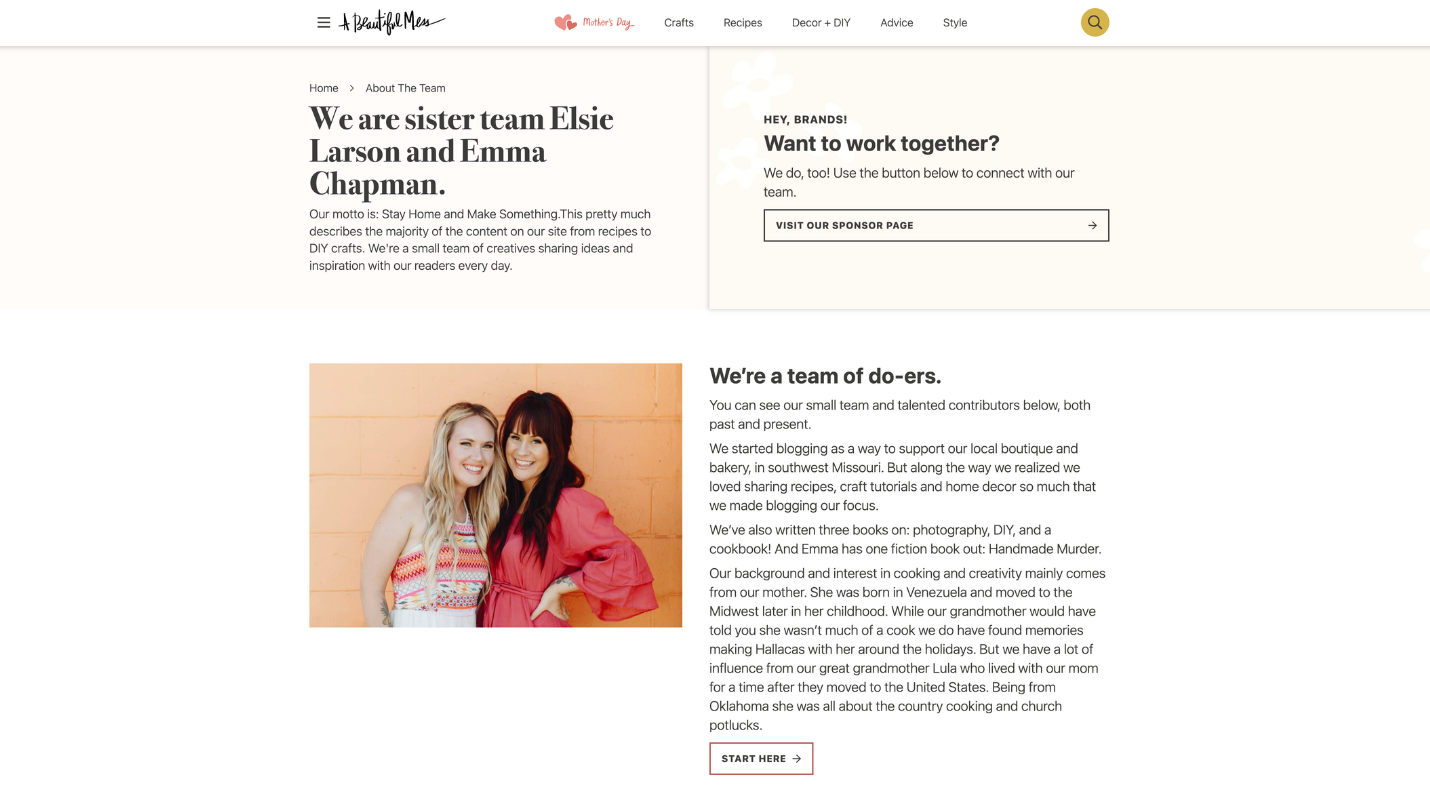
Case Study: A Beautiful Mess (Elsie and Emma)
Sisters Elsie and Emma utilize their About page to provide a "stylized glimpse" into their lives. They combine bright, bold photography with a concise introduction that emphasizes their relationship and their mission.
Strategic Analysis: Successful About pages shift the focus from "Who I am" to "Who I am in relation to you." A Beautiful Mess achieves this by framing their personal story through the lens of the inspiration they provide to their readers. This transformation of a biography into a "Value Proposition" is a key driver of subscription rates.
Omnichannel Consistency and Brand Recognition
For modern creators, the blog is often the "home base," but the audience interaction occurs across social media, email, and podcasts. Inconsistency in visual identity across these channels can lead to "brand fragmentation."
Case Study: Chris Ducker
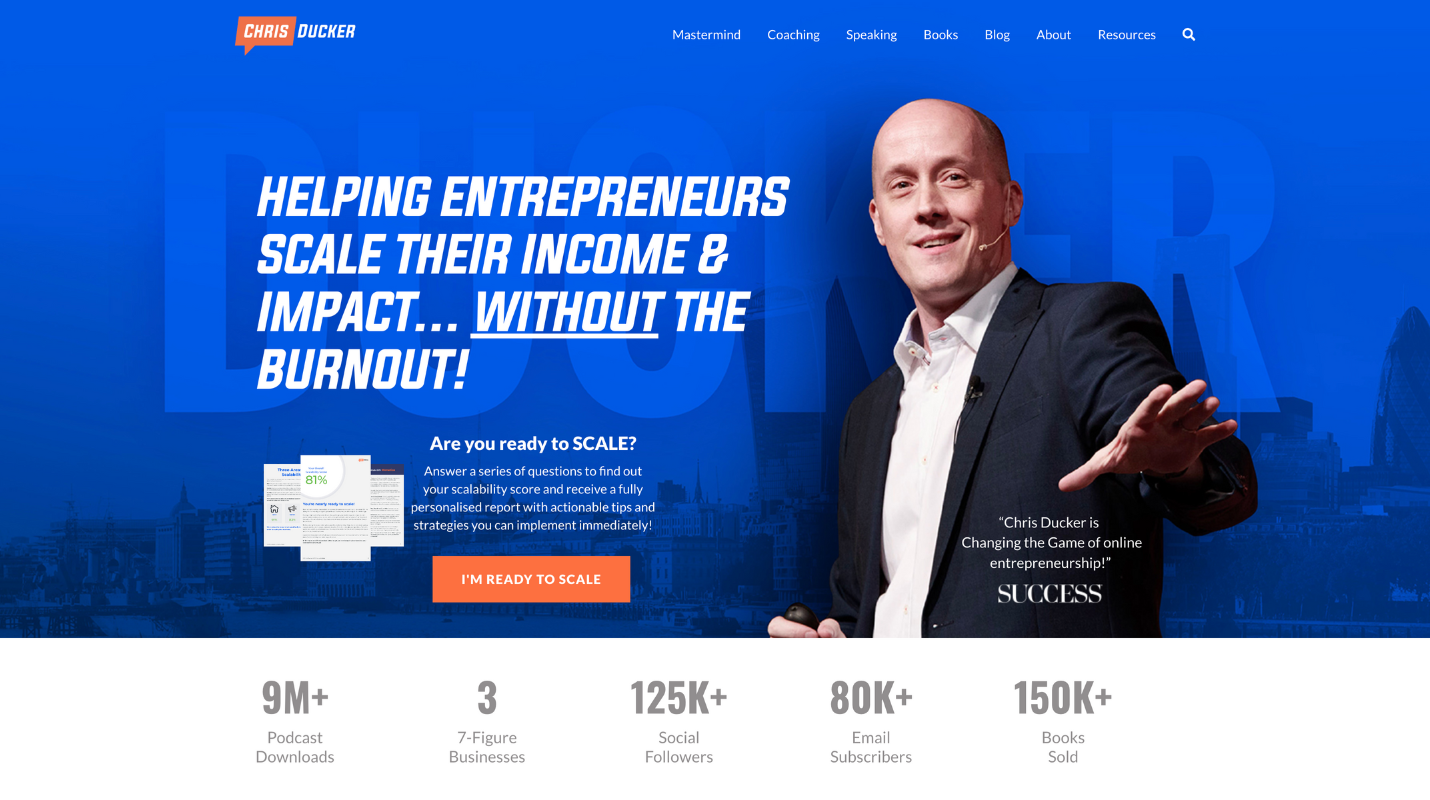
Chris Ducker maintains a strict visual protocol, using the same professional headshot and color palette across his blog, Twitter, Facebook, and LinkedIn.
Industry Standards: Marketing experts advocate for the "Rule of Seven," which suggests a consumer needs to see a brand at least seven times before they take action. If the brand looks different every time, the "count" essentially resets. Ducker’s consistency ensures that every interaction, regardless of the platform, reinforces his professional identity and builds cumulative brand equity.
Color Psychology and Emotional Resonance
The color palette of a website is not merely an aesthetic choice; it is a psychological tool that dictates the emotional "temperature" of the user experience.
Case Study: Jadah Sellner
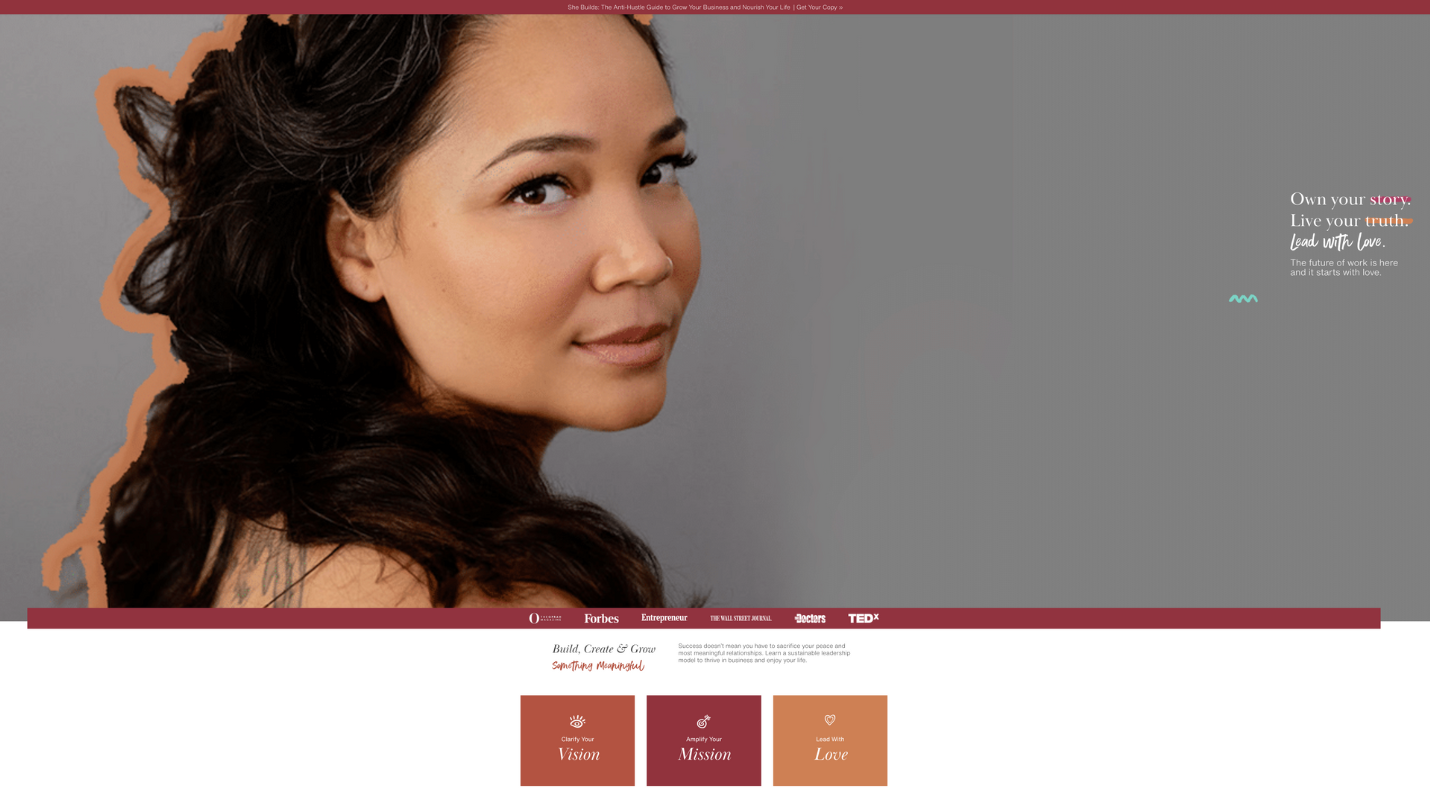
Jadah Sellner’s site uses a warm, earthy color scheme that is mirrored in her photography and clothing. This creates a "seamless" visual experience that feels grounded and nurturing.
Data-Driven Insights: Studies on the impact of color in marketing show that up to 90% of snap judgments made about products can be based on color alone. Sellner’s use of "earth tones" aligns with her brand’s focus on wellness and organic growth, creating a subconscious sense of harmony that supports her written message.
The ‘Hero Section’ and Immediate Value Propositions
In web design, the "Hero Section" is the area above the fold that a user sees first. This real estate is the most valuable part of a blog for establishing personality and purpose.
Case Study: SuperFastBusiness (James Schramko) and Kelly Exeter
James Schramko uses this space for a "Brand Statement" that immediately identifies his target audience. Similarly, Kelly Exeter uses a direct "Call to Action" (CTA) that cuts through the noise to offer immediate solutions.
Technical Analysis: The "Three-Second Rule" in web design dictates that a site has roughly three seconds to explain its value before a user bounces. By using a clear brand statement or a direct CTA, these bloggers eliminate ambiguity. They personalize the experience by speaking directly to the reader’s specific pain points, creating an immediate "I am in the right place" realization.
Interactive Personalization and Audience Segmentation
The most advanced form of personalization is "Self-Identification," where the creator provides tools for the reader to define themselves within the brand’s ecosystem.
Case Study: Puttylike (Emily Wapnick)
Emily Wapnick coined the term "Multipotentialite" to describe people with many interests. On her homepage, she features a quiz: "Are You a Multipotentialite?"
Future Implications: This strategy represents the future of digital marketing: the "Quiz Funnel." By turning a static landing page into an interactive experience, Wapnick achieves two things: she provides the reader with a sense of belonging to a "tribe," and she gathers data that allows her to segment her email list for more personalized follow-up. This level of interaction results in significantly higher conversion rates than standard "sign up for my newsletter" prompts.
Conclusion: The Human Imperative in a Digital Age
As the digital landscape continues to be shaped by automation and high-volume content production, the "personality" of a blog is no longer a luxury—it is a survival mechanism. The examples of YTravel, Pat Flynn, and others demonstrate that personalization is a multi-layered discipline involving visual consistency, linguistic courage, and psychological insight.
For the modern blogger, the path to success lies in moving away from generic excellence and toward specific, human-centric identity. By implementing these strategies, creators can transition from being mere "content providers" to becoming "community leaders," ensuring their relevance in an increasingly crowded and automated digital world. The broader implication for the industry is clear: in the battle for attention, the most human brand wins.