Ena Muazin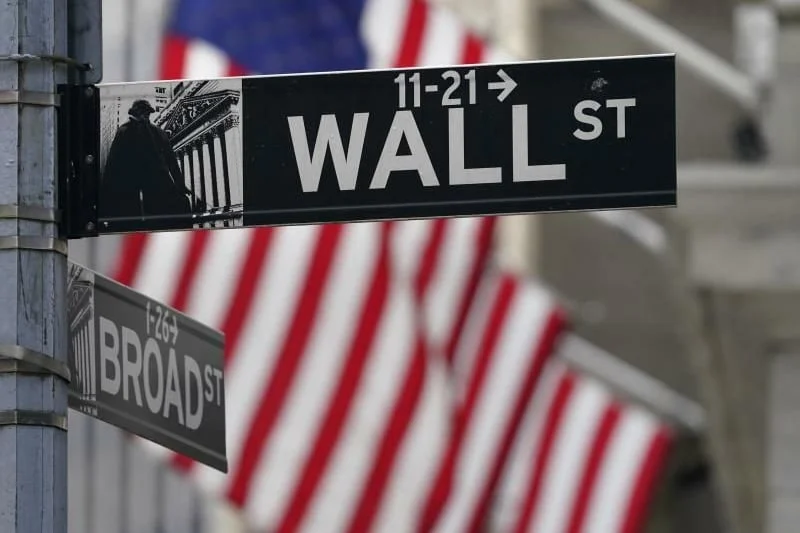
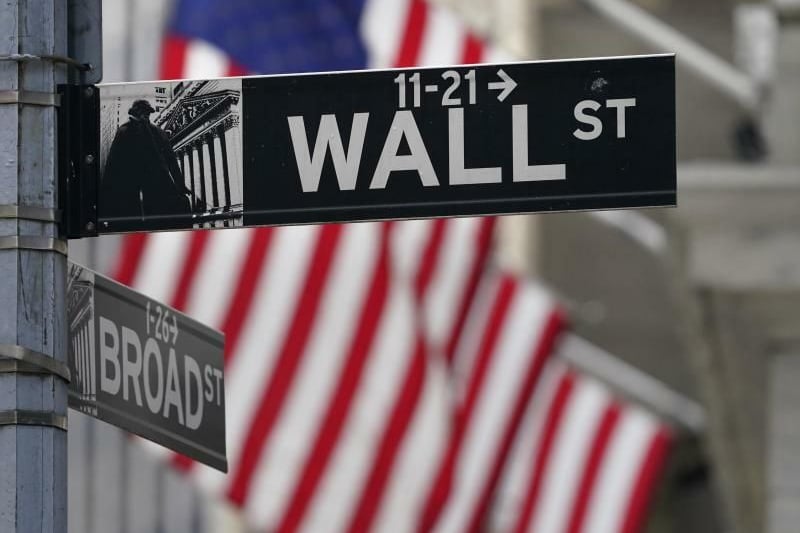
New York. After several days of losses, Wall Street concluded the week on a positive note. Inflation data aligning with expectations has made an interest rate hike more probable. The major US stock indices, including the Dow Jones Industrial Average, the S&P 500, and the Nasdaq Composite, all closed higher on Friday, signaling a welcome rebound for investors after a challenging trading period. This upward movement was significantly influenced by a notable decline in oil prices, which pulled back from their multi-month highs, providing a much-needed tailwind for the broader market.

Market Rebound Fueled by Easing Energy Costs
The gains observed on Friday are largely attributed to the retreat in energy prices. The price of a barrel of Brent crude oil, which had surged to as high as $110 in overnight trading for November delivery, had fallen to approximately $105 by the close of the market. Similarly, its US counterpart, West Texas Intermediate (WTI), experienced a similar downward trend, trading around $100 by the evening. This easing of energy costs is a critical factor for the US economy, as higher oil prices can contribute to inflationary pressures and dampen consumer spending. The recent moderation in oil prices offers a degree of relief, potentially slowing the pace of inflation and reducing the immediate threat of further interest rate hikes.
The decline in oil prices can be linked to a confluence of factors. Global supply concerns, which had previously driven prices upward, appear to have eased somewhat. While geopolitical tensions remain a significant variable, there may be indications of increased production from certain key oil-producing nations or a more stable outlook on global demand. Furthermore, the market may be anticipating a potential slowdown in economic activity in some major economies, which could translate into reduced energy consumption. This dynamic shift in the energy market has directly benefited stock markets by alleviating a key inflationary concern.
Inflation Data and Federal Reserve Expectations
Adding to the positive market sentiment were the latest inflation figures for August, which came in broadly in line with analysts’ expectations. The Consumer Price Index (CPI) report indicated that inflation remained at 3.4 percent, a figure that, while still elevated, did not present any unexpected upward surprises. This data point is crucial for understanding the Federal Reserve’s monetary policy trajectory.
The Federal Reserve has been engaged in a prolonged battle against inflation, employing interest rate hikes as its primary tool. The consistent inflation rate suggests that the Fed’s previous actions may be having a moderating effect, or at least preventing a significant acceleration. However, the persistence of inflation at 3.4 percent still keeps the prospect of further monetary tightening firmly on the table.

Market participants are now closely scrutinizing the Federal Reserve’s upcoming meeting. The consensus among many economists and traders is that the August inflation data makes a nearly certain interest rate hike at the next Federal Open Market Committee (FOMC) meeting. While the exact magnitude and timing of any further increases remain subject to ongoing economic data, the current inflation readings reinforce the expectation that the Fed will maintain its hawkish stance to ensure price stability. This expectation, paradoxically, can sometimes lead to short-term market gains as investors adjust their portfolios ahead of anticipated moves.
Historical Context: The Fed’s Inflation Fight
The Federal Reserve’s current campaign to curb inflation is one of the most aggressive monetary policy tightening cycles in decades. Following a period of historically low interest rates and significant quantitative easing in response to the COVID-19 pandemic, inflation began to surge in 2021, driven by a combination of supply chain disruptions, robust consumer demand, and the impact of fiscal stimulus measures.
By early 2022, the Fed commenced a series of interest rate hikes, raising the federal funds rate from near zero to significantly higher levels. This policy tightening aims to cool down economic activity by making borrowing more expensive for businesses and consumers, thereby reducing demand and easing price pressures. The market’s reaction to inflation data and Fed pronouncements has been highly sensitive, with significant volatility experienced throughout this period.
The current inflation rate of 3.4 percent, while lower than its peak, remains above the Fed’s long-term target of 2 percent. This suggests that the central bank will likely continue to err on the side of caution, prioritizing the achievement of its inflation mandate. The market’s interpretation of the August CPI data as "almost certain" for a rate hike underscores the Fed’s commitment to its inflation goals.

Broader Market Performance and Sectoral Movements
Beyond the headline indices, various sectors of the stock market experienced diverse movements. The energy sector, naturally, benefited from the easing of oil prices, with many oil and gas companies seeing their stock prices rise. Companies that are heavily reliant on consumer spending also found some respite, as the prospect of persistent high inflation being somewhat contained could support consumer confidence and purchasing power.
However, the technology sector, which is often more sensitive to interest rate changes due to its reliance on future earnings growth, may have seen more mixed performance. Higher interest rates can increase the cost of capital for tech companies and reduce the present value of their future profits. Nonetheless, the overall positive sentiment on the day likely provided a broad lift across most sectors.

The Nasdaq Composite, which is heavily weighted towards technology stocks, closed higher, indicating that the positive sentiment from falling oil prices and in-line inflation data was sufficient to overcome some of the sector-specific headwinds associated with potential rate hikes. This suggests a market looking for reasons to rally, with any good news being amplified.
Analyzing the Implications of the Fed’s Stance
The Federal Reserve’s commitment to fighting inflation, even at the risk of slowing economic growth, has significant implications for the US economy and global markets. A sustained period of higher interest rates can lead to:

- Slower Economic Growth: Increased borrowing costs can curb business investment and consumer spending, potentially leading to a slowdown in GDP growth.
- Increased Unemployment: As businesses face higher costs and potentially reduced demand, they may slow hiring or resort to layoffs.
- Stronger US Dollar: Higher interest rates can attract foreign capital, strengthening the US dollar, which can make US exports more expensive and imports cheaper.
- Impact on Asset Prices: Higher interest rates can put downward pressure on asset prices, including stocks and bonds, as investors demand higher returns to compensate for the increased risk and opportunity cost.
However, the Fed’s objective is to achieve a "soft landing," where inflation is brought under control without triggering a severe recession. The current economic data, while showing persistent inflation, also suggests some resilience in the labor market and consumer spending, which are crucial factors for a soft landing scenario.
The market’s current interpretation of an "almost certain" rate hike suggests that investors are largely pricing in this eventuality. The focus will now shift to the Fed’s forward guidance and any hints about the duration of its restrictive monetary policy. The ongoing dialogue between inflation data, central bank actions, and market reactions will continue to shape the economic landscape.

Looking Ahead: Key Economic Indicators to Watch
As the week draws to a close, investors will be keenly observing upcoming economic data for further clues about the direction of the US economy and monetary policy. Key indicators to monitor include:
- Further Inflation Reports: Any deviations from expected inflation trends will be closely scrutinized.
- Labor Market Data: Employment figures, wage growth, and unemployment rates will provide insights into the health of the job market.
- Retail Sales: This indicator reflects consumer spending, a major driver of the US economy.
- Manufacturing and Services PMIs (Purchasing Managers’ Indexes): These surveys offer a snapshot of economic activity in key sectors.
The performance of Wall Street on Friday offers a degree of optimism, demonstrating the market’s ability to find positive momentum even amidst ongoing economic uncertainties. The interplay of falling oil prices, stable inflation data, and the anticipation of Federal Reserve actions will continue to be the dominant themes shaping financial markets in the coming weeks and months. The resilience shown by the US stock market underscores its capacity to adapt and react to evolving economic conditions, even when faced with the prospect of tighter monetary policy.