Lina Wu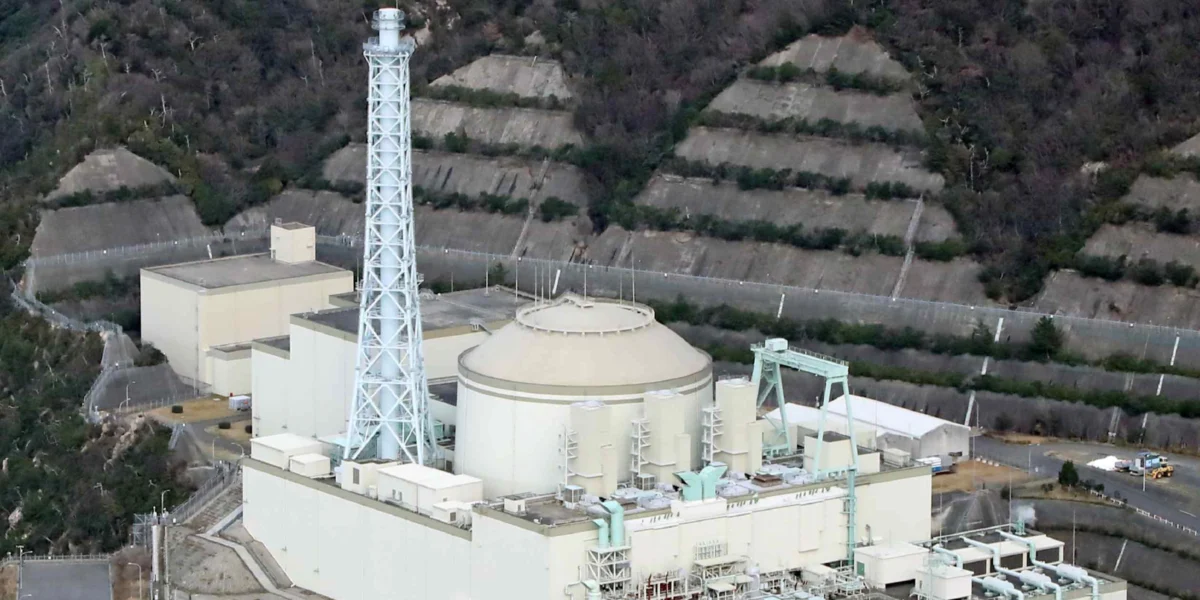
TOKYO — Japan is actively considering the construction of a next-generation fast breeder nuclear reactor, a pivotal move aimed at significantly diminishing the nation’s reliance on imported uranium and bolstering its long-term energy security. This potential development marks a significant recalibration of Japan’s nuclear energy strategy, drawing lessons from past experiences and embracing advanced technologies to navigate the complex global energy landscape. The initiative underscores a renewed commitment to nuclear power as a cornerstone of its energy mix, driven by a confluence of geopolitical realities, the urgent need for decarbonization, and the desire to achieve greater energy independence.
The Strategic Imperative: Reducing Uranium Dependence
For decades, Japan has been a substantial importer of uranium, a critical fuel for its existing fleet of light-water reactors. This dependence exposes the nation to the volatility of international markets, geopolitical tensions, and potential supply chain disruptions. The development and deployment of fast breeder reactors (FBRs) offer a compelling solution to this vulnerability. FBRs are designed to produce more fissile material (plutonium) than they consume, effectively "breeding" new fuel from uranium-238, which is abundant in spent nuclear fuel. This capability could transform Japan from a net uranium importer into a more self-sufficient nuclear power producer, significantly enhancing its energy resilience.
Currently, Japan imports approximately 90% of its uranium, primarily from countries like Australia, Canada, and Kazakhstan. In 2022, for instance, Japan imported around 1,000 tonnes of uranium, a figure that fluctuates but consistently highlights its external reliance. The cost of this imported fuel is subject to global market dynamics, which have become increasingly unpredictable in recent years due to various factors including the war in Ukraine and broader economic shifts.
A Legacy of Fast Breeder Reactor Development: The Monju Experience
The consideration of a new FBR is not Japan’s first foray into this advanced nuclear technology. The nation has a history of investing in and developing FBRs, most notably the Monju prototype fast breeder reactor. Located in Tsuruga, Fukui Prefecture, Monju was a flagship project of the Japan Atomic Energy Agency (JAEA), initiated in the 1980s with the goal of mastering FBR technology and establishing a closed nuclear fuel cycle. The concept of a closed fuel cycle involves reprocessing spent nuclear fuel to extract plutonium and uranium for reuse, thereby minimizing nuclear waste and maximizing fuel utilization.
Monju achieved its initial criticality in 1994, but its operational history has been plagued by significant challenges and setbacks. A major sodium leak incident in December 1995 led to a prolonged shutdown and extensive safety reviews. Subsequent operational periods were marred by further technical issues and regulatory scrutiny, ultimately leading to the decision to decommission the reactor in 2016. The decommissioning process itself is a complex and lengthy undertaking, with an estimated completion date in the late 2040s, underscoring the technical and safety hurdles associated with such advanced facilities.
The experiences with Monju, while challenging, have provided invaluable lessons and technical expertise. The knowledge gained from its design, construction, operation, and subsequent decommissioning is crucial for informing the development of any future FBR projects. The failures at Monju have instilled a greater emphasis on robust safety protocols, advanced monitoring systems, and transparent regulatory oversight, which will undoubtedly be paramount in the planning and execution of a new FBR initiative.
The Road Ahead: Technological Advancements and International Collaboration
The proposed next-generation FBR is expected to incorporate significant technological advancements beyond those of Monju. These could include enhanced safety features, improved fuel efficiency, and potentially novel reactor designs that address some of the challenges encountered with earlier FBR prototypes. The focus is likely to be on achieving greater operational stability, reducing maintenance requirements, and ensuring a higher level of intrinsic safety.
One of the key technological hurdles for FBRs is the management of the primary coolant, often liquid sodium. Sodium is highly reactive with air and water, necessitating stringent safety measures. Future designs may explore alternative coolants or advanced containment strategies to mitigate these risks. Furthermore, the reprocessing of spent fuel to extract plutonium and uranium is a complex chemical process that requires sophisticated facilities and stringent security protocols. Japan has been developing its reprocessing capabilities, but this remains a sensitive area due to proliferation concerns.
International collaboration is also expected to play a crucial role in the development of a new FBR. Japan has historically engaged in partnerships with other nations with advanced nuclear programs, such as France and the United States. Such collaborations can facilitate the sharing of research, expertise, and best practices, accelerating technological development and enhancing safety standards. The economic feasibility of such a large-scale project will also likely necessitate international partnerships, given the substantial upfront investment required.
The Broader Implications: Energy Security, Decarbonization, and Public Perception
The decision to pursue a next-generation FBR carries profound implications for Japan’s energy future.
Enhanced Energy Security: As previously mentioned, reducing uranium dependence is a primary driver. A successful FBR program would significantly strengthen Japan’s energy independence, insulating it from external shocks and providing a stable, domestically controllable energy source.
Contribution to Decarbonization: Nuclear power, including FBRs, is a low-carbon energy source. In its commitment to achieving carbon neutrality by 2050, Japan views nuclear energy as a critical component of its decarbonization strategy, complementing renewable energy sources. FBRs, by enabling more efficient fuel utilization and potentially reducing the volume of long-lived radioactive waste, can further enhance the sustainability credentials of nuclear power.
Economic Opportunities: The development and construction of a new FBR would create significant economic opportunities, fostering innovation in advanced manufacturing, engineering, and scientific research. It could also position Japan as a leader in next-generation nuclear technology, potentially opening up export markets in the future.
Public Perception and Regulatory Hurdles: Despite the strategic benefits, the development of any new nuclear facility in Japan faces significant public scrutiny and rigorous regulatory oversight. The legacy of the Fukushima Daiichi nuclear disaster in 2011 continues to shape public opinion regarding nuclear power. Gaining public trust and acceptance will require extensive transparency, robust safety assurances, and clear communication about the benefits and risks of FBR technology. The regulatory framework for FBRs is also more complex than for conventional light-water reactors, requiring meticulous safety assessments and licensing processes.
Timeline and Future Outlook
The path to a operational next-generation fast breeder reactor is a long one, likely spanning several decades. The current phase involves careful consideration, feasibility studies, and preliminary design work. If a decision to proceed is made, the subsequent stages would include:
- Detailed Design and Engineering: This phase would involve in-depth technical planning, safety analyses, and the development of detailed blueprints.
- Regulatory Approval: Obtaining the necessary permits and licenses from Japan’s nuclear regulatory authorities would be a critical and extensive process.
- Construction: The actual construction of a large-scale nuclear reactor is a multi-year endeavor, requiring significant investment and skilled labor.
- Commissioning and Operation: Once built, the reactor would undergo rigorous testing and commissioning before commencing commercial operation.
Given these timelines, the earliest that a new FBR could potentially come online would be in the late 2030s or early 2040s, assuming a swift and unimpeded development process. This long-term perspective highlights the strategic foresight required in making such decisions.
The ongoing discussions within Japan about the potential construction of a next-generation fast breeder reactor signal a significant strategic pivot. It reflects a nation grappling with the complexities of energy security, climate change, and technological advancement. While the path forward is fraught with technical, economic, and social challenges, the potential rewards in terms of energy independence and a sustainable future are substantial, driving this ambitious endeavor forward. The lessons learned from Monju will undoubtedly serve as a critical guidepost, ensuring that any future undertaking prioritizes safety, reliability, and public confidence above all else.