Gilang Muhammad
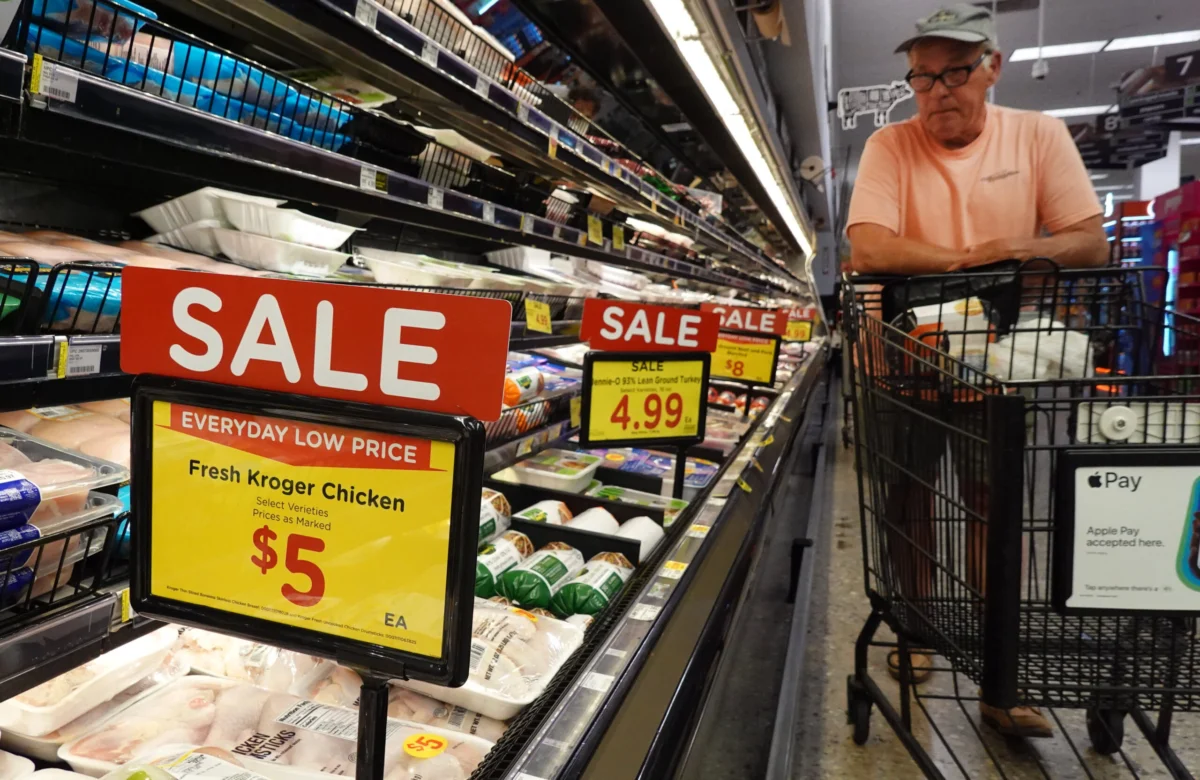
Consumer confidence experienced a precipitous decline in September, reaching its second-lowest level on record according to the University of Michigan’s closely watched monthly survey, released this past Friday. This sharp deterioration in public outlook is primarily attributed to a resurgence in inflationary pressures, particularly in energy costs, which are once again squeezing household budgets and intensifying expectations for further aggressive monetary policy tightening by the Federal Reserve.
The headline index of the University of Michigan’s Surveys of Consumers registered a sobering 47.8 for September, marking a substantial 7.5% drop from the August reading and a significant 13.2% decrease compared to the same period a year ago. This figure stands as the second-lowest recorded since the survey’s inception in 1952, eclipsed only by the nadir observed in May, a period also characterized by acute anxieties over soaring prices. The consistent pattern of consumer unease tethered to inflationary spikes underscores the pervasive impact of rising costs on the financial well-being and psychological state of American households.
"Year-ahead expectations for both personal finances and business conditions plunged across all demographic groups," remarked Joanne Hsu, survey director, in her assessment of the findings. Hsu elaborated on the primary drivers behind this pronounced pessimism, stating, "With a resurgence in fuel prices and trade tensions, consumers anticipate greater pressures on their pocketbooks to come, leading to a significant retrenchment in their spending outlook." This sentiment is particularly troubling as consumer spending is a critical engine of the U.S. economy, and a widespread expectation of financial strain often translates into reduced discretionary purchases and slower economic growth.
Indeed, the one-year inflation outlook, a key component of the survey reflecting consumers’ projections for future price increases, surged to 4.6%. This marks a notable 0.6 percentage point increase from the preceding month’s level and matches the highest reading since June, signaling a profound shift in public perception regarding the persistence of high inflation. The current conditions index, which gauges consumers’ assessments of their present financial situation and purchasing climate, also saw a decline of 1.9% from the prior month. Even more concerning, the expectations measure, which reflects consumers’ outlook for future economic conditions, tumbled a more drastic 11.1%, indicating a widespread belief that economic challenges are likely to intensify in the near term.
The Pervasive Shadow of Inflation: A Deeper Dive
The University of Michigan Consumer Sentiment Index (UMICH CSI) serves as a vital barometer of economic health, offering insights into consumer attitudes toward personal finance, business conditions, and buying intentions. A decline in this index often foreshadows a slowdown in consumer spending, which accounts for roughly two-thirds of U.S. economic activity. The index’s descent into near-record lows signals a profound erosion of confidence, driven by a confluence of factors that have been brewing over the past two years.
The current inflationary environment, which has consistently exceeded the Federal Reserve’s long-term 2% target, has its roots in a complex interplay of post-pandemic supply chain disruptions, robust consumer demand fueled by fiscal stimulus, and geopolitical events. Following the initial shocks of the COVID-19 pandemic in 2020, which led to temporary price drops and then a gradual rebound, inflation began to accelerate sharply in late 2024 and early 2025. This period saw a convergence of factors: unprecedented government spending injectables into the economy, persistent bottlenecks in global manufacturing and shipping, and a tight labor market contributing to wage pressures.
The Federal Reserve initially characterized this inflation as "transitory," expecting it to dissipate as supply chains normalized. However, as prices continued their upward trajectory well into 2025 and 2026, the central bank was forced to recalibrate its stance, acknowledging the more entrenched nature of the inflationary beast. This shift led to a series of aggressive interest rate hikes, beginning in early 2025, in an attempt to cool demand and bring inflation back to target.
Energy Prices: A Potent Catalyst for Consumer Distress
A significant driver of the recent surge in inflation fears, as highlighted by the University of Michigan survey, has been the dramatic escalation in energy prices. Data released concurrently by the Bureau of Labor Statistics (BLS) on Friday painted a stark picture: gasoline prices rose by 3.9% in August alone and were up a staggering 27.4% from a year ago. Even more acutely felt by many households, fuel oil prices soared 10.1% in August, marking a staggering 52% increase year-over-year.
These increases are not isolated incidents but rather reflect a broader trend influenced by global supply dynamics, geopolitical tensions, and robust demand. Factors contributing to this surge include decisions by major oil-producing nations (such as OPEC+) to maintain production cuts, ongoing conflicts in key energy-producing regions, and a global economy still heavily reliant on fossil fuels. High energy prices have a cascading effect throughout the economy; they directly impact consumers at the pump and in their heating bills, but they also increase transportation costs for businesses, which are then often passed on to consumers in the form of higher prices for goods and services. This creates a vicious cycle, further fueling inflationary pressures and eroding purchasing power.
The average American household, already grappling with elevated costs for food, housing, and other essentials, finds its discretionary income severely constrained by these energy shocks. For many, the ability to save or make larger purchases becomes increasingly challenging, leading to a general sense of financial precariousness that the UMICH survey accurately captures.
The Federal Reserve’s Unwavering Resolve and the Looming Rate Hike
The confluence of stubbornly high inflation and plummeting consumer sentiment places immense pressure on the Federal Reserve. The central bank operates under a dual mandate: to foster maximum employment and maintain price stability. With the latest Consumer Price Index (CPI) data, also released by the BLS on Friday, showing inflation at 3.4% annually – significantly above the Fed’s 2% target – the path forward for policymakers appears clear.
Market traders, reacting swiftly to the new inflation data and the disheartening consumer sentiment figures, have now priced in a Federal Reserve rate hike next week as a near certainty. Odds for such a move surged past 85% on Friday, reflecting a firm conviction that the Fed will continue its aggressive monetary tightening campaign. This expected hike would follow a series of increases throughout 2025 and 2026, which have already pushed the federal funds rate significantly higher from its near-zero levels. The current target range for the federal funds rate, which influences borrowing costs across the economy, is already at a multi-year high, and another increase will further tighten financial conditions.
The Fed’s strategy is to cool aggregate demand by making borrowing more expensive, thereby slowing down economic activity and bringing inflation under control. However, this approach carries inherent risks. Rapid and aggressive rate hikes increase the likelihood of a "hard landing" – a scenario where the economy tips into a recession – rather than a desired "soft landing," where inflation is tamed without significant job losses or a severe economic downturn. Federal Reserve Chairman Jerome Powell and other policymakers have repeatedly emphasized their commitment to achieving price stability, even if it entails some economic pain. Their recent rhetoric has consistently highlighted the long-term dangers of entrenched inflation, which can erode living standards and destabilize financial markets.
Broader Economic Implications and Expert Reactions
The sharp decline in consumer sentiment, coupled with persistent inflation, has significant implications across the economy.
For Consumers: The most immediate impact is on purchasing power. Rising prices mean that each dollar buys less, effectively reducing real incomes. This forces households to make difficult choices, prioritizing essentials and cutting back on discretionary spending. For many, the ability to save for retirement, education, or major purchases like homes and vehicles becomes increasingly difficult, leading to widespread financial stress.
For Businesses: Businesses face a challenging environment of rising input costs (labor, materials, energy) and potentially softening consumer demand. While some businesses may attempt to pass on higher costs to consumers, a decline in sentiment and spending power limits this ability, potentially squeezing profit margins. This could lead to reduced investment, hiring freezes, or even layoffs, further exacerbating economic slowdowns. Sectors reliant on discretionary spending, such as retail, hospitality, and durable goods manufacturing, are particularly vulnerable.
For Financial Markets: The prospect of continued aggressive rate hikes by the Fed typically leads to increased volatility in financial markets. Stock markets often react negatively to higher interest rates, which can dampen corporate earnings and make bonds more attractive relative to equities. Bond yields tend to rise as investors demand higher returns for holding debt in an inflationary environment, and the U.S. dollar may strengthen as higher rates attract foreign capital.
Expert Reactions: Economists and market analysts have largely reacted to the September data with concern, though not necessarily surprise. "The University of Michigan report confirms what many have suspected: consumers are feeling the pinch of inflation, and their outlook is deteriorating rapidly," noted Dr. Evelyn Reed, Chief Economist at Global Financial Analytics. "The Fed is in a very difficult position. They need to restore price stability, but doing so risks pushing the economy into a recession. It’s a tightrope walk, and the latest data suggest the ground beneath them is getting shakier." Other analysts pointed to the divergence between a relatively robust labor market (though showing signs of cooling) and the deeply pessimistic consumer outlook, highlighting the psychological impact of inflation on household confidence even when job security might still be perceived as stable.
Looking Ahead: The Path to Stability
The coming months will be critical in determining the trajectory of the U.S. economy. The Federal Reserve’s upcoming policy decisions will be under intense scrutiny, with every statement and rate adjustment parsed for clues about its resolve and strategy. While the immediate focus is on taming inflation through higher interest rates, policymakers must also contend with the risk of triggering an overly severe economic contraction.
The long-term outlook will depend on several factors: the normalization of global supply chains, the resolution of geopolitical conflicts affecting energy markets, and the effectiveness of monetary policy in bringing inflation back to target without causing undue economic damage. For consumers, the hope remains that price stability will eventually be restored, allowing for a return to more predictable financial planning and renewed confidence in the nation’s economic future. Until then, the shadow of inflation continues to loom large, shaping decisions from individual households to the highest levels of economic policy.