Gilang Muhammad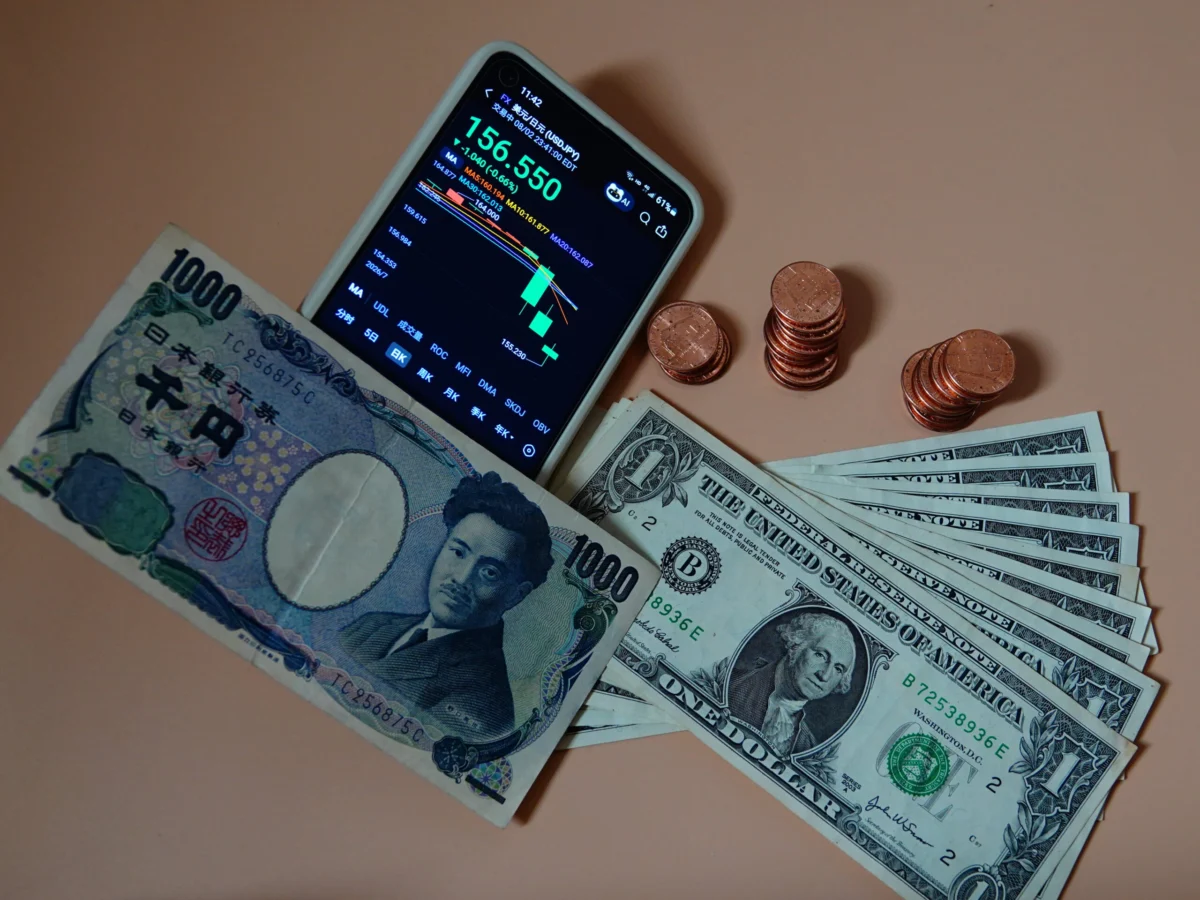
TOKYO – Japan’s foreign currency reserves recorded their steepest monthly decline since the Ministry of Finance began tracking data in 2000, plunging a substantial 6.18% in August 2026. This unprecedented drop highlights the formidable financial commitment undertaken by Tokyo to stabilize the beleaguered yen, which had earlier in the summer weakened to a historic 40-year low against the U.S. dollar. The sharp reduction underscores the escalating costs of currency intervention and the broader challenges facing Japan’s economy in a volatile global financial landscape.
According to data released by the finance ministry, Japan’s foreign reserves stood at $1.207 trillion at the end of August, a significant decrease from July’s figure of $1.287 trillion. This marks the fourth consecutive month of decline for the nation’s "war chest" of foreign assets, surpassing the previous record dip of 5.58% observed in May of this year. The sheer scale of the August reduction—an $80 billion draw-down—underscores the intensity of market pressures and the resolute, albeit costly, actions taken by Japanese authorities.
The Mechanics of Decline: Intervention and Bond Market Shifts
While the Ministry of Finance’s official statement remained terse regarding the specifics behind the August figures, an unnamed ministry official, cited by Japanese media outlet Kyodo News, confirmed the primary drivers. The official attributed the substantial fall to two key factors: direct foreign exchange interventions aimed at propping up the yen, and a concurrent decline in the market value of foreign government bonds held within Japan’s reserves.
Foreign exchange intervention involves a central bank or finance ministry directly entering the currency market to buy or sell its domestic currency. In Japan’s case, to strengthen the yen, authorities sell foreign currency (predominantly U.S. dollars) and buy yen. This process directly reduces the nation’s foreign currency holdings. The scale of the August decline strongly suggests that a significant portion of the $80 billion was deployed in such operations.
The second factor, the decline in the value of government bonds, is intricately linked to the global trend of rising bond yields. Foreign reserves are not merely held as cash but are typically invested in highly liquid, secure assets, primarily government bonds of major economies like the U.S. Treasuries, German Bunds, and UK Gilts. As global inflation concerns persist and major central banks, particularly the U.S. Federal Reserve, continue or signal further tightening of monetary policy, bond yields have been climbing to multi-year highs. Bond prices move inversely to yields; thus, as yields rise, the market value of existing bonds held by Japan’s reserves depreciates, contributing to the overall decline in the reported reserve figure. This phenomenon has been particularly acute, with yields in Germany, the UK, and U.S. Treasuries hitting sharp milestones throughout late summer 2026, creating a double whammy for Japan’s reserve valuation.
Masahiko Loo, a senior fixed income strategist at State Street Investment Management, corroborated this assessment, telling CNBC that the "decline is primarily the result of Japan’s recent dollar-selling, yen-buying FX interventions." This expert consensus reinforces the narrative that the August slump was a direct consequence of deliberate policy action rather than an indicator of underlying financial distress.
A Chronology of Aggressive Yen Defense
The August decline is the culmination of several months of sustained pressure on the yen and increasingly aggressive countermeasures by Tokyo. The currency’s weakness has been a persistent concern throughout 2026, largely driven by the stark divergence in monetary policy between the dovish Bank of Japan (BoJ) and other major central banks like the U.S. Federal Reserve, which have been raising interest rates to combat inflation. This interest rate differential makes yen-denominated assets less attractive compared to higher-yielding dollar-denominated assets, encouraging capital outflows and weakening the yen.
- Early 2026: The yen begins a steady depreciation trend, accelerating as the year progresses.
- April-May 2026: As the yen breached critical psychological levels, the Ministry of Finance conducted its first major interventions of the year. These operations involved buying approximately 11.73 trillion yen (equivalent to $75.26 billion at the time) to prevent further depreciation. This initial salvo signaled Tokyo’s growing discomfort with the yen’s slide.
- July 23, 2026: The yen hits a staggering 40-year low, touching 163.98 against the U.S. dollar. This critical threshold evidently triggered a more decisive response from Japanese authorities, prompting fears of broader economic instability if the depreciation continued unchecked.
- Late July 2026: In what proved to be a historic move, Japan conducted a larger, more impactful intervention of 15.4 trillion yen. Crucially, this intervention was supplemented by an unprecedented coordinated effort with the United States, wherein the U.S. sold euros to support the yen. This joint action, confirmed by both nations, marked the first coordinated intervention by Japan and the U.S. to support the yen since 1998. The 1998 intervention occurred amidst the Asian Financial Crisis, when the yen faced severe pressure, underscoring the gravity of the current situation.
- August 2026: The effects of these interventions, combined with the declining value of bond holdings, were fully reflected in the month-end foreign reserves data, revealing the record 6.18% drop. The yen, which had plunged to 163.98, currently trades at 155.98 against the dollar, indicating some success in arresting its rapid fall, though it remains significantly weaker than its historical averages.
A Record-Breaking Commitment
The combined 27.1 trillion yen spent so far in 2026 on currency intervention represents the largest yearly amount ever splashed out by Japan, according to finance ministry data. This figure comfortably surpasses the previous record of 20.4 trillion yen, which was spent in 2003. The interventions in 2003 were primarily aimed at weakening the yen to combat deflation and boost export competitiveness during a period of economic stagnation. The current interventions, by contrast, are geared towards strengthening the yen to mitigate the adverse effects of imported inflation and maintain financial stability. This shift in strategic objective underscores the evolving challenges facing Japan’s economy.
The coordinated action with Washington in late July also holds immense significance. The rarity of such joint interventions highlights the mutual concern among G7 nations regarding excessive currency volatility and its potential to destabilize global trade and financial markets. While specific details of the U.S. involvement remain guarded, it signals a recognition that Japan’s currency woes have broader international implications, potentially affecting trade balances and the stability of the global financial system.
Implications and Future Outlook
The substantial decline in Japan’s foreign reserves, while a record, is viewed by analysts like State Street’s Loo as a reflection of "policy action rather than financial stress." This distinction is crucial. It suggests that the Japanese authorities are deliberately deploying their significant financial firepower to achieve a specific policy goal—stabilizing the yen—rather than reacting to an imminent liquidity crisis. Japan still maintains one of the largest foreign reserve caches globally, providing a substantial buffer. However, the rapid depletion raises questions about the sustainability and effectiveness of prolonged intervention.
Domestic Economic Impact: A persistently weak yen has a mixed impact on Japan’s economy. While it generally benefits large export-oriented corporations by making their products cheaper abroad and boosting repatriated profits, it significantly increases the cost of imports. Japan is heavily reliant on imported energy, food, and raw materials. A weaker yen translates directly into higher domestic prices for these essential goods, fueling inflation and eroding the purchasing power of Japanese households. This imported inflation adds to the pressure on the Bank of Japan, which has long maintained an ultra-loose monetary policy stance to foster sustainable inflation and economic growth.
Monetary Policy Dilemma: The aggressive interventions by the Ministry of Finance place the Bank of Japan in a delicate position. While the BoJ is responsible for monetary policy, currency intervention typically falls under the purview of the Ministry of Finance. However, the two entities work in close coordination. The interventions effectively counteract the BoJ’s ultra-loose policy by indirectly tightening financial conditions (by removing yen liquidity from the market). This creates a tension, as the BoJ aims to maintain accommodative policy to achieve its 2% inflation target sustainably, while the Ministry of Finance is actively defending the yen against the very forces driven by that policy divergence. This situation amplifies calls for the BoJ to consider adjustments to its yield curve control (YCC) policy or its negative interest rate, potentially narrowing the interest rate differential and easing pressure on the yen.
Global Market Implications: Japan’s significant interventions and the coordinated action with the U.S. send a powerful message to global currency markets. It signals that major economies are prepared to intervene to prevent excessive and disorderly currency movements. However, it also raises the specter of "currency wars" if other nations perceive their currencies to be unduly strengthened by such interventions, potentially leading to retaliatory actions. The scale of Japan’s intervention also impacts the liquidity of global dollar markets, given that dollar sales are the primary mechanism.
The Path Forward: The coming months will be critical for Japan. The sustainability of such large-scale interventions depends on the continued strength of its foreign reserves and the willingness of international partners, particularly the U.S., to cooperate. The long-term solution to the yen’s weakness likely involves a re-evaluation of Japan’s monetary policy stance in response to evolving domestic inflation dynamics and global interest rate trends. While the August reserve figures highlight the significant cost of defending the yen, they also demonstrate Tokyo’s unwavering commitment to maintaining currency stability in the face of unprecedented global economic headwinds. The balancing act between sustaining economic growth, managing inflation, and preserving currency stability remains Japan’s central economic challenge in late 2026.