Clara Shinta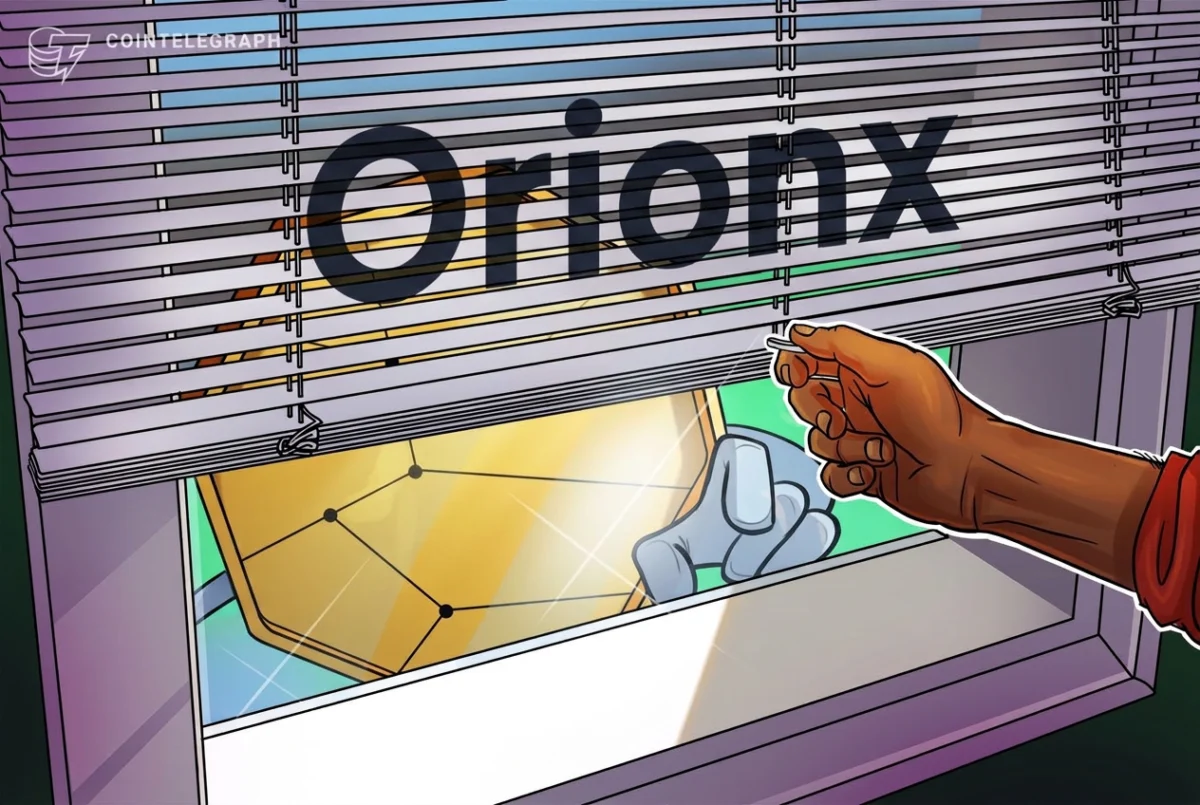
Orionx, a prominent Chilean cryptocurrency exchange that secured a significant Series A funding round led by USDt stablecoin issuer Tether just 15 months prior, has initiated a permanent closure process. The decision follows the discovery of a multimillion-dollar discrepancy linked to asset custody, totaling more than $7 million in client funds allegedly transferred to unauthorized wallets. The dramatic announcement, made by Orionx on Thursday via a statement shared on X, has sent ripples through the Latin American digital asset market, highlighting the persistent challenges of trust and security in the burgeoning crypto sector.
The exchange stated that a comprehensive forensic audit uncovered the substantial shortfall, revealing that custodial assets had been moved to wallets not under Orionx’s direct management or control. In the wake of this revelation, the company has declared its immediate priority is to "return as much of our clients’ assets as possible," while concurrently announcing a temporary suspension of all withdrawals. This move leaves thousands of users in a precarious position, facing uncertainty about the recovery of their digital holdings. The closure is particularly stark given Tether’s strategic backing in June 2025, an investment intended to bolster Orionx’s expansion and accelerate digital asset adoption across Latin America.
Unraveling the Custody Discrepancy: A Timeline of Discovery
The timeline of how this significant financial discrepancy came to light paints a picture of escalating internal concerns and external investigations. While Orionx’s initial public statement on X did not specify the exact period of the alleged transfers or the precise moment the issue was identified, further details have emerged through reports from major Chilean newspaper La Tercera, citing the company’s criminal complaint.
According to these reports, Orionx had commenced a thorough review of its operational protocols in 2025, spurred by the need to comply with Chile’s evolving Fintech Law. This regulatory initiative, designed to provide a legal framework for financial technology companies and enhance consumer protection, prompted the exchange to engage financial professionals to scrutinize its internal systems and asset management practices.
It was during this ongoing review that, on August 27, 2026, Thomas Mac Millan, Orionx’s Chief Operating Officer, reportedly detected a "significant mismatch" between the balances recorded in Orionx’s internal systems and the actual digital assets held in custody. This critical discovery triggered an immediate internal review, which subsequently led to the commissioning of an external forensic audit. This audit, a crucial step in verifying the extent of the problem, meticulously compared Orionx’s ledger records with verifiable on-chain data. The findings were damning: the audit confirmed that the balances reflected in Orionx’s systems vastly exceeded the assets physically held at its custody addresses across several major cryptocurrencies, including Bitcoin (BTC), Ether (ETH), XRP, and Polygon (POL).
The criminal complaint reportedly delves further into the specifics, alleging that illicit asset transfers from Orionx’s custody occurred over a protracted period, specifically between 2018 and 2021. These transfers, according to the complaint, included movements to accounts on various other cryptocurrency platforms, indicating a potentially complex scheme of asset diversion. The long timeframe over which these alleged transfers occurred raises serious questions about the internal controls, oversight mechanisms, and auditing practices in place at Orionx during those years, particularly for an exchange that was actively seeking and ultimately received significant institutional investment.
Accusations Leveled Against Co-Founders, Vigorous Denials Ensue
In a dramatic turn of events, Orionx has formally filed a criminal complaint against two of its co-founders and former executives: Roberto Zibert and Joaquín Díaz. The complaint, filed on Wednesday, September 1, 2026, alleges that both individuals had direct access to the company’s critical crypto custody systems, placing them in a position to facilitate or be aware of the unauthorized movements of funds.
Specific allegations detailed in the criminal complaint, as reported by La Tercera, are grave. It is claimed that an account associated with Joaquín Díaz received more than $1.5 million across 14 separate transfers. Furthermore, another wallet allegedly received substantial amounts of various cryptocurrencies from Orionx, including 187 Ether, over 4.1 million USDt (Tether’s stablecoin), and 200,000 USDC (USD Coin, another major stablecoin). These figures underscore the scale of the alleged misappropriation and the diverse range of assets implicated.
However, both Roberto Zibert and Joaquín Díaz have vehemently denied the accusations. In public statements, they have "categorically rejected the charges" brought against them, asserting that they never acted against the interests of Orionx’s customers. They maintain that the true cause of the asset shortfall within Orionx remains unclear, suggesting that other factors or individuals might be responsible for the discovered discrepancy. This stark disagreement sets the stage for a protracted legal battle, as Chilean authorities are now tasked with investigating the allegations and determining culpability. The public denial by the accused co-founders adds another layer of complexity to an already opaque situation, leaving investors and the wider crypto community grappling with conflicting narratives.
Tether’s Strategic Investment and the Broader Context
Orionx’s journey began in 2017 in Chile, gradually evolving from a straightforward retail crypto exchange into a more comprehensive platform offering a suite of crypto payment and financial services across Chile, Peru, Colombia, and Mexico. This expansion trajectory made it an attractive target for investors looking to tap into the burgeoning Latin American crypto market.
A pivotal moment in Orionx’s history came in June 2025 when Tether, the issuer of the world’s largest stablecoin, USDt, exclusively led the exchange’s Series A funding round. This investment was part of Tether’s broader strategic initiative to accelerate digital asset adoption and foster the growth of the crypto ecosystem across Latin America. Tether’s involvement, a significant endorsement from a major player in the global crypto space, was seen as a strong vote of confidence in Orionx’s potential and its operational integrity. The announcement of this strategic partnership was prominently featured on Tether’s website, though an archived version now confirms that the original press release has since been removed, a subtle but telling indication of Tether’s likely desire to distance itself from the unfolding scandal.
The current situation poses significant questions for Tether regarding its due diligence processes and the implications for its reputation. While Tether is not accused of any wrongdoing, its association with a collapsing exchange under allegations of internal fraud could cast a shadow on its regional investment strategy and its perceived ability to vet partners effectively. For Tether, which has itself faced scrutiny over transparency and reserves in the past, any connection to a major exchange failure, particularly one involving client asset misappropriation, is undesirable.
The Regulatory Landscape and Implications for Latin America
Chile’s Fintech Law, which Orionx was reportedly striving to comply with, represents a growing trend across Latin America to regulate the rapidly expanding digital asset space. Countries like Brazil, Colombia, and Mexico are also developing or have implemented regulatory frameworks aimed at providing clarity, ensuring consumer protection, and preventing illicit activities within the crypto industry. The Orionx case underscores the critical importance of these regulatory efforts and the challenges in their implementation and enforcement.
The law typically mandates requirements for capital, operational resilience, risk management, and client asset segregation, precisely the areas where Orionx appears to have failed. This incident will undoubtedly intensify scrutiny from Chilean financial authorities and may prompt a review of the effectiveness of existing or proposed regulations. For the broader Latin American crypto market, the Orionx collapse could serve as a cautionary tale, potentially slowing down institutional investment and dampening retail adoption if consumer confidence erodes. The region has been identified as a key growth area for crypto, driven by factors such as high inflation, remittance needs, and a desire for financial inclusion. However, events like this threaten to undermine the progress made and reinforce perceptions of crypto as a high-risk, unregulated frontier.
Impact on Clients and the Future Outlook
The immediate impact of Orionx’s closure falls squarely on its client base. With withdrawals temporarily suspended and a criminal investigation underway, users face an uncertain path to recovering their funds. The legal process in such cases can be protracted and complex, and there is no guarantee that all assets will be fully recovered, especially if the funds have been mixed, spent, or moved to untraceable destinations. This situation is eerily reminiscent of numerous exchange collapses throughout crypto history, from Mt. Gox to QuadrigaCX and, more recently, FTX, all of which left customers in financial limbo. These precedents highlight the inherent risks of entrusting assets to centralized custodians, even those with institutional backing.
For the Chilean legal system, this case represents a significant challenge. Investigating complex digital asset fraud, tracing cryptocurrency movements across various platforms, and prosecuting individuals involved requires specialized expertise and cross-jurisdictional cooperation. The outcome will be closely watched by the local crypto community and international observers alike, as it could set important precedents for how digital asset fraud is handled in the region.
The recovery efforts, if successful, will depend heavily on the diligence of law enforcement, the cooperation of other crypto exchanges, and the ability to identify and freeze assets. However, the path to recovery is often arduous and yields partial results at best. The Orionx incident serves as a stark reminder of the "not your keys, not your coins" mantra prevalent in the crypto community, advocating for self-custody over reliance on third-party exchanges, especially in jurisdictions with nascent regulatory frameworks.
As the investigations unfold, the Chilean crypto market and the wider Latin American digital asset ecosystem will likely face increased scrutiny and calls for enhanced transparency and accountability. The permanent closure of Orionx, once a promising player backed by a global crypto giant, stands as a sobering testament to the persistent vulnerabilities within the rapidly evolving world of digital finance, emphasizing the critical need for robust internal controls, diligent external oversight, and comprehensive regulatory frameworks to protect investors and maintain market integrity.