Reynand Wu
Global equity markets, including the bellwether MSCI ACWI, are currently navigating a complex and potentially perilous path, despite having recorded an overall positive trajectory for the current quarter, buoyed by a notable rebound in August. However, strategists at the National Bank of Canada (NBC) are sounding a cautionary note, emphasizing that a confluence of persistent geopolitical risks, dwindling energy inventories, elevated refining margins, and government bond yields that have surged to generational highs leaves the global equity outlook acutely vulnerable to any resurgence of inflationary pressures. This intricate web of interconnected challenges paints a picture of a market moving forward, yet beset by significant hazards that could rapidly derail positive momentum.
The Precarious Equity Landscape: A Modern Odyssey for Investors
The narrative of global equities in recent months has been one of resilience, with the MSCI ACWI – a broad benchmark encompassing both developed and emerging markets – demonstrating a capacity for advancement. Yet, beneath this seemingly positive surface lies a profound fragility, a sentiment echoed by NBC strategists who liken the current market environment to Homer’s epic "Odyssey." Just as Odysseus faced myriad dangers on his journey home, investors today must contend with a landscape fraught with potential pitfalls, even as their portfolios record progress. This analogy underscores the unpredictable nature of global markets, where underlying structural issues and unforeseen events can quickly transform a period of growth into one of significant retrenchment. The August rebound, while welcome, appears to be built on foundations that remain susceptible to external shocks, particularly those emanating from the energy sector and the broader macroeconomic environment. The resilience observed thus far, therefore, should not be mistaken for stability, but rather as a testament to the market’s capacity to absorb certain shocks while remaining acutely exposed to others.
The Shadow of Energy Market Disruptions: A Chronology of Instability
One of the most immediate and potent threats to this fragile equilibrium stems from the global energy market. The sustained impact of geopolitical tensions, particularly those stemming from the conflict in Ukraine that began in February 2022, has fundamentally reshaped the dynamics of global energy supply and demand. While the initial shocks of the invasion have largely been absorbed, the long-term ramifications continue to manifest in critical ways, contributing significantly to the current market vulnerability.
-
Strait of Hormuz: A Critical Chokepoint Under Scrutiny
The Strait of Hormuz, a narrow maritime chokepoint between the Persian Gulf and the Gulf of Oman, stands as a perpetually sensitive flashpoint. Approximately 20% of the world’s total petroleum liquids consumption and a significant portion of global liquefied natural gas (LNG) transits through this vital waterway. Any sustained disruption here would send immediate and catastrophic ripples across global energy markets. Historically, this region has been a hotbed of geopolitical tension, from the Iran-Iraq war in the 1980s to more recent incidents involving tanker seizures and attacks on shipping in 2019, underscoring its inherent volatility.
In the current geopolitical climate, the perceived risk premium remains stubbornly high due to ongoing friction between Iran and Western powers, as well as broader regional instabilities. While direct interruptions to transit in the Strait have been limited recently, the implicit threat of closure or major disruption, even if unrealized, significantly influences shipping insurance costs and commodity prices, effectively acting as a permanent inflationary pressure valve. Furthermore, the ripple effects of other regional conflicts, such as the Houthi attacks on shipping in the Red Sea and Gulf of Aden in late 2023 and early 2024, though not directly in Hormuz, compounds the overall risk perception for maritime energy transport out of the Middle East, forcing a re-evaluation of supply chain robustness and adding layers of cost and uncertainty for global trade.
-
Depleting Global Oil Inventories: A Buffer Under Strain
A critical concern highlighted by NBC strategists is the ongoing depletion of crude oil and liquid fuel inventories. This trend is not merely a cyclical fluctuation but a structural challenge driven by a combination of factors spanning the last two years. Since late 2022 and throughout 2023, the OPEC+ alliance, led by Saudi Arabia and Russia, has implemented a series of voluntary production cuts aimed at stabilizing the market and supporting prices. For instance, Saudi Arabia extended its voluntary cut of 1 million barrels per day (bpd) through the end of 2023 and into 2024, while Russia has committed to reducing its oil exports. These cuts, totaling several million barrels per day, have directly contributed to drawing down global stockpiles.
Concurrently, major consuming nations, particularly the United States, undertook significant drawdowns from their Strategic Petroleum Reserves (SPR) in 2022 to mitigate the initial price shock from the Ukraine conflict. While these releases helped stabilize prices temporarily, they left national reserves at multi-decade lows. The U.S. SPR, for example, fell to its lowest level since 1983 earlier in 2023. Efforts to replenish these strategic reserves have been hampered by various factors, including price thresholds for purchasing, leaving a vital buffer against future supply shocks significantly diminished. According to data from the International Energy Agency (IEA), global oil inventories, both commercial and strategic, have been consistently below their five-year averages, signaling a tighter market balance than historical norms and leaving less room to absorb unexpected supply disruptions.
-
Surging Refining Margins: The Bottleneck Effect
The energy market’s vulnerabilities extend beyond crude supply to the refining sector. Refining margins, often referred to as "crack spreads," represent the profit refiners make from turning crude oil into finished products like gasoline, diesel, and jet fuel. These margins have surged significantly, reflecting a tight market for refined products. This tightness is attributable to several factors: a wave of refinery closures in recent years, particularly in North America and Europe, driven by environmental regulations and aging infrastructure; underinvestment in new refining capacity globally; and the shifting dynamics of global trade following sanctions on Russian refined products. The robust demand for distillates (diesel, heating oil) for industrial and transportation uses, especially in Europe as it seeks alternatives to Russian gas, has further exacerbated the situation. High refining margins translate directly into higher prices at the pump and for industrial users, feeding directly into headline inflation and increasing operational costs for businesses across various sectors.
The Persistent Threat of Inflation and Monetary Policy: A Tightening Grip
The convergence of these energy-related pressures creates a fertile ground for renewed inflationary shocks. If higher energy prices were to persist or accelerate, they would inevitably slow the normalization of inflation, forcing central banks globally to maintain their hawkish stance for longer than anticipated.
-
The Specter of Renewed Inflation:
While headline inflation has moderated from its peaks in 2022, core inflation (excluding volatile food and energy prices) has proven more stubborn, indicating that underlying price pressures remain. Energy price spikes directly impact consumer costs, but also ripple through the economy by increasing transportation, manufacturing, and agricultural costs. This can lead to a "second-round" effect, where businesses pass on higher costs to consumers, and workers demand higher wages to compensate, potentially igniting a wage-price spiral. Central banks, acutely aware of the risks of embedded inflation, are closely monitoring these dynamics. Statements from figures like Federal Reserve Chair Jerome Powell and European Central Bank President Christine Lagarde have consistently emphasized that monetary policy will remain restrictive until inflation is convincingly on a path back to their 2% targets.
-
Central Banks’ Hawkish Stance and its Market Impact:
In this environment, markets could be compelled to further scale back expectations for monetary easing. The narrative of "higher for longer" interest rates has become a dominant theme, signifying that the period of historically low rates is firmly in the past. Should inflation prove more persistent, central banks might even consider additional rate hikes, or at the very least, defer any rate cuts well into the future. This prolonged period of restrictive monetary policy directly impacts corporate borrowing costs, investment decisions, and ultimately, economic growth. For equities, this means a higher cost of capital, potentially lower future earnings growth, and a less favorable environment for risk-taking. Recent comments from various Federal Reserve governors, for instance, have indicated a willingness to keep rates elevated for an extended period, dampening hopes for significant rate cuts in the near term and reinforcing market caution.
Generational-High Bond Yields: A Systemic Challenge to Valuation
Perhaps one of the most significant headwinds facing equities, irrespective of immediate inflation shocks, is the current government bond yield environment. Long-term bond yields have surged to levels not seen in decades, reflecting a profound shift in global financial markets.
-
The Rise of Long-Term Yields:
The U.S. 10-year Treasury yield, a global benchmark, has repeatedly tested and surpassed levels not witnessed since the 2007-2008 financial crisis, and in some cases, since the early 2000s, reaching over 5% in October 2023. Similarly, the 30-year U.S. Treasury yield has reached heights last seen in the early 2010s, if not earlier, depending on the specific period of analysis. Similar trends are observable in other major economies; German Bund yields and UK Gilt yields have also seen substantial increases, moving away from the negative or near-zero rates that characterized much of the past decade. These movements indicate a fundamental repricing of risk and future expectations across fixed income markets, signaling a significant shift away from the "lower for longer" interest rate paradigm.
-
Underlying Drivers of Elevated Yields:
The factors driving these generational-high yields are multifaceted and deeply intertwined:
- Lingering Inflation Concerns: Despite some moderation, the market remains unconvinced that inflation has been decisively tamed. Investors demand higher compensation for the erosion of their purchasing power over the long term, embedding an inflation premium into long-dated bonds.
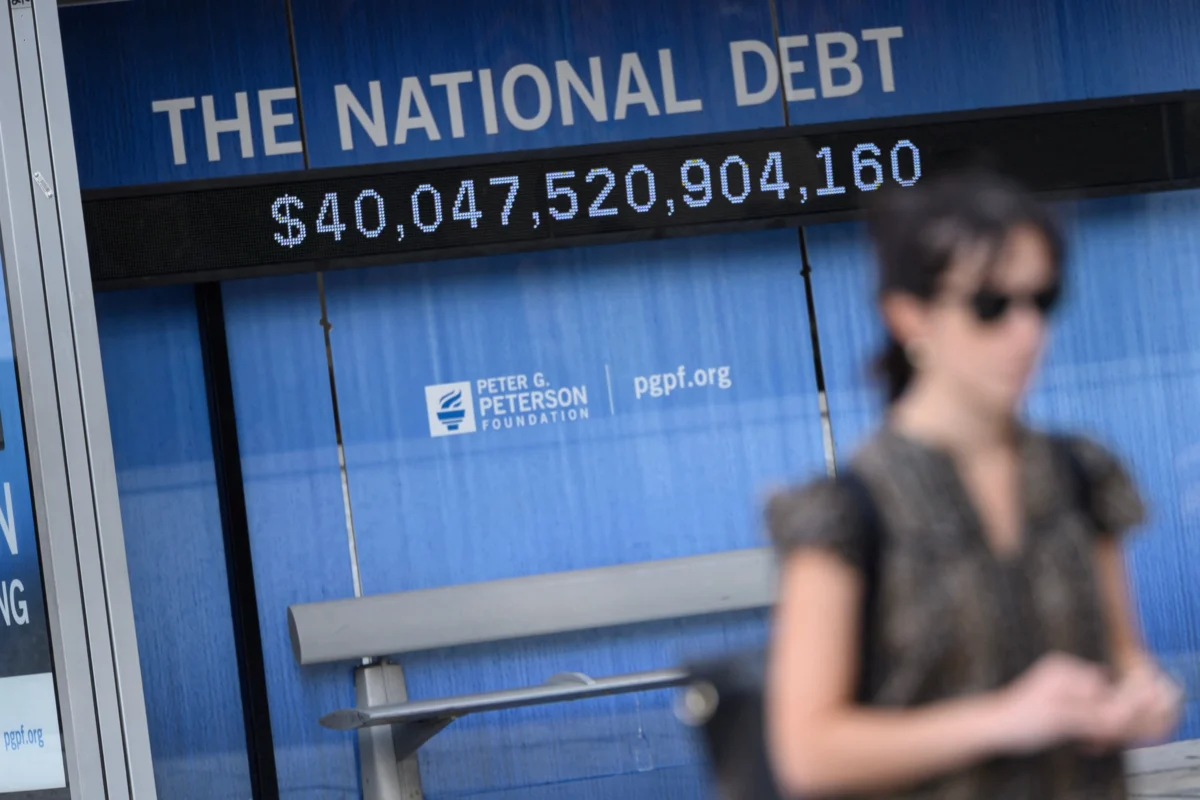
- Large Fiscal Deficits and Rising Public Debt: Major economies, particularly the United States, are grappling with historically large fiscal deficits driven by increased government spending (e.g., infrastructure investments, social programs) and a structural imbalance between revenues and expenditures. This necessitates significant issuance of new government debt, increasing the supply of bonds in the market. The U.S. Treasury’s projected borrowing needs for the coming years are substantial, putting upward pressure on yields.
- Heavy Sovereign Issuance: To finance these deficits and refinance maturing debt, governments are issuing vast quantities of new bonds. This increased supply, without a corresponding increase in demand, naturally pushes yields higher.
- Rising Term Premium: The term premium is the additional compensation investors demand for holding longer-dated bonds compared to rolling over shorter-dated ones. It reflects uncertainty about future inflation and interest rates, as well as the risk of increased supply. The current environment of high inflation volatility and substantial government borrowing, coupled with reduced central bank bond purchases (Quantitative Tightening), has caused the term premium to rise, further elevating long-term yields.
-
Implications for Equities: A Valuation Reset:
The implications of these elevated bond yields for equity markets are profound. From a valuation perspective, higher "risk-free" rates (represented by government bond yields) mean that future corporate earnings must be discounted at a higher rate. This mechanically reduces the present value of those earnings, making equities less attractive. Furthermore, the increased cost of borrowing for corporations can dampen investment, squeeze profit margins, and slow growth, especially for highly leveraged companies or those reliant on external financing. When investors can achieve attractive, relatively safe returns from government bonds, their appetite for the higher risk associated with equities tends to diminish, potentially leading to a reallocation of capital away from stocks. This dynamic creates a significant valuation headwind, making it harder for equity markets to sustain rapid gains.
Broader Economic Implications and Outlook: Navigating the Headwinds
The confluence of these risks – energy market volatility, persistent inflation, and elevated bond yields – presents a challenging outlook for the broader global economy and specific market sectors.
- Corporate Earnings Under Pressure: Companies face a triple threat: higher input costs due to energy and supply chain issues, increased borrowing costs due to higher interest rates, and potentially softer consumer demand as households grapple with inflation. This could lead to downward revisions in corporate earnings forecasts, a key driver of equity performance.
- Sectoral Impacts: While the energy sector might see some benefits from higher commodity prices, sectors sensitive to interest rates, such as real estate and utilities, or those dependent on consumer discretionary spending, could face significant headwinds. Technology companies, often valued on long-term growth prospects, are particularly sensitive to higher discount rates.
- Investor Sentiment and Risk Aversion: A prolonged period of uncertainty and volatility tends to foster risk aversion among investors. This can lead to a "flight to quality," where capital moves from riskier assets like equities to safer havens like government bonds or cash, further pressurizing stock markets. This sentiment is often reflected in volatility indices like the VIX, which, while not at crisis levels, remains susceptible to sharp spikes on adverse news.
- Global Economic Growth: The International Monetary Fund (IMF) and other international bodies have repeatedly warned about the fragility of global growth, citing ongoing inflation, geopolitical