Lina Wu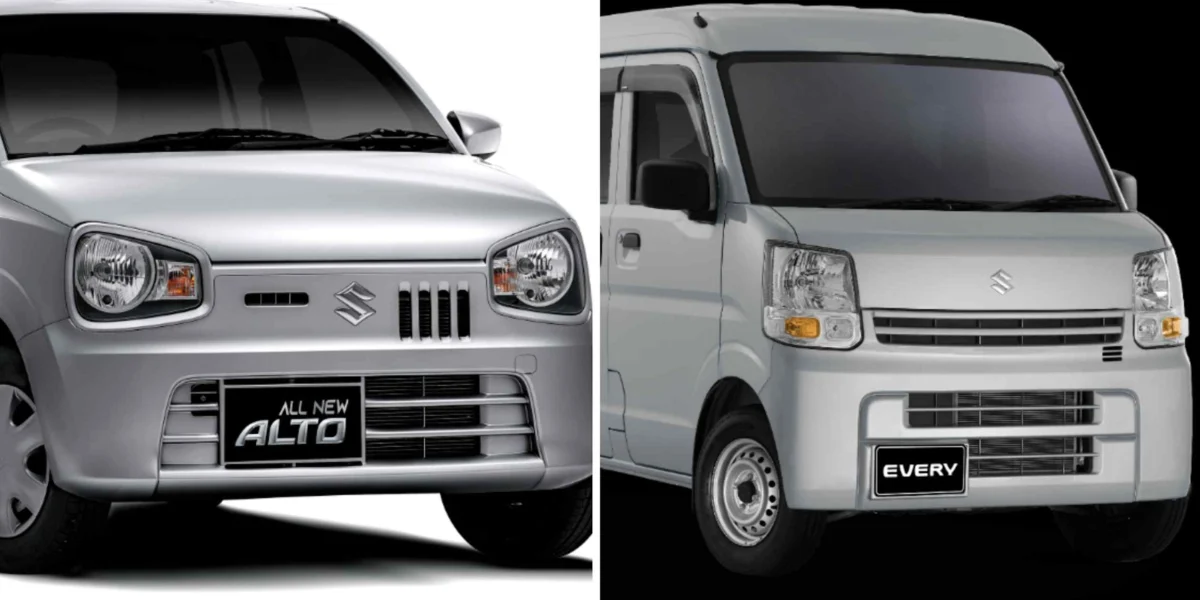
TOKYO — Japan’s Suzuki Motor has commenced the export of small cars, specifically models mirroring the dimensions and design ethos of Japan’s kei minicars, to Brunei, the automaker officially announced on Friday, August 29, 2026. This strategic move marks a significant development in Suzuki’s international automotive strategy, leveraging its manufacturing capabilities in Pakistan to tap into new markets. The initial shipments comprise two popular models: the Alto, a compact passenger car, and the Every, a versatile light commercial vehicle. Both vehicles are renowned for their fuel efficiency, affordability, and suitability for navigating dense urban environments, characteristics that are expected to resonate well with consumers in Brunei.
Strategic Expansion into Southeast Asian Markets
The decision to export these kei-sized vehicles from Pakistan to Brunei is underpinned by a multi-faceted strategy aimed at expanding Suzuki’s global footprint and optimizing its production network. Pakistan, through its local subsidiary, Suzuki Motor Pakistan (SMP), has established a robust manufacturing base for these specific models. This domestic production capacity now serves as a crucial export hub, allowing Suzuki to offer competitively priced vehicles in emerging markets without the extensive logistical and manufacturing overheads associated with establishing new production facilities. Brunei, a relatively small but affluent nation in Southeast Asia, represents an initial target market for this initiative. Its automotive market, while not as large as some of its regional neighbors, offers opportunities for niche segments that value practicality and cost-effectiveness.
The kei car segment, characterized by its strict dimensional and engine displacement regulations, is a cornerstone of the Japanese automotive landscape. These vehicles, typically under 660cc in engine size and with specific length and width limitations, are favored for their low running costs, maneuverability in congested cities, and favorable tax treatment. Suzuki has been a dominant player in this segment in Japan for decades. The extension of this design philosophy and vehicle class to international markets, manufactured in a third country, signifies a novel approach to global market penetration. It demonstrates Suzuki’s adaptability in tailoring its product offerings and production strategies to meet diverse regional demands and economic conditions.
Background of Suzuki’s Operations in Pakistan
Suzuki’s presence in Pakistan dates back several decades, with Suzuki Motor Pakistan Limited (SMP) being a significant player in the country’s automotive industry. Established as a joint venture, SMP has consistently been one of the top-selling automakers in Pakistan, producing a range of popular models including the Mehran (a desi version of the earlier Alto), the Cultus, and the Bolan (a rebadged Every van). The company has invested heavily in local manufacturing, contributing to the development of the automotive supply chain within Pakistan.
The decision to utilize Pakistan as an export base for vehicles destined for Brunei is a testament to the maturity of SMP’s manufacturing capabilities. For years, SMP has focused on producing vehicles that are not only for the domestic Pakistani market but also meet international quality standards. The Alto and Every models, being mass-produced in Pakistan, benefit from economies of scale, making them cost-effective to export. This move also aligns with broader economic objectives for Pakistan, potentially boosting its export revenues and further integrating its manufacturing sector into global trade networks.
The Alto and Every: Tailored for New Markets
The Suzuki Alto, in its kei car guise, is a subcompact hatchback that has been a perennial favorite in Japan for its exceptional fuel economy and compact dimensions, making it ideal for navigating narrow streets and finding parking in densely populated urban areas. In Brunei, the exported Alto will likely appeal to a demographic seeking an economical and practical mode of transportation for daily commutes and family use. Its small footprint and efficient engine translate to lower fuel consumption, a significant advantage in any market where fuel prices are a consideration.
The Suzuki Every, a mini-van or panel van, offers a different set of advantages. Its practical, boxy design maximizes interior space within its compact kei-car dimensions. This makes it highly versatile, suitable for small businesses requiring a reliable vehicle for deliveries, tradespeople needing to transport tools and equipment, or even larger families looking for a utilitarian vehicle. The Every’s reputation for durability and low maintenance costs further enhances its appeal in markets where such considerations are paramount.
Suzuki’s decision to export these specific models is strategic. They represent a segment where Suzuki has unparalleled expertise and a well-established production infrastructure. By leveraging its Pakistani subsidiary, the company can offer these vehicles at a price point that is competitive with existing offerings in Brunei, potentially disrupting the market and capturing a new customer base.
Supporting Data and Market Context
The global automotive industry has seen a growing trend towards the export of vehicles from emerging manufacturing hubs. Countries like Pakistan, India, and Vietnam are increasingly becoming sources for cost-effective vehicle exports, particularly for smaller, more affordable segments. This shift is driven by several factors, including lower labor costs, government incentives for manufacturing and exports, and the ability of automotive manufacturers to establish efficient supply chains in these regions.
For the kei car segment specifically, while it remains a uniquely Japanese phenomenon in terms of domestic sales volume and regulatory framework, the underlying principles of compact design, fuel efficiency, and affordability are universally attractive. Suzuki’s initiative in Brunei can be seen as an experiment to gauge the international demand for vehicles built to these principles, even if they are not officially classified as kei cars in their destination markets. The dimensions and engine sizes are likely to be similar, offering the core benefits of the kei concept.
Brunei’s automotive market, while modest, is characterized by a demand for reliable and fuel-efficient vehicles. The average age of vehicles in circulation, coupled with evolving consumer preferences for practicality over ostentatious displays, creates a fertile ground for the introduction of models like the Alto and Every. While specific market share data for kei-sized vehicles in Brunei is not readily available, the general trend in many developing economies favors smaller, more economical cars as disposable incomes rise and urbanization intensifies. Suzuki’s entry with these models is thus well-timed to capitalize on these emerging trends.
Chronology of Developments
The announcement on August 29, 2026, signifies the culmination of a period of strategic planning and operational adjustments by Suzuki Motor. While the exact timeline leading up to this export initiative is not publicly detailed, it is reasonable to infer several key stages:
- Early to Mid-2020s: Suzuki Motor likely identified an opportunity in Southeast Asian markets for compact, affordable vehicles. Concurrently, Suzuki Motor Pakistan (SMP) would have been assessed for its capacity to produce these models to export-ready standards.
- Late 2020s: Production of the Alto and Every models for export would have commenced at SMP’s facilities. This would involve ensuring compliance with Brunei’s import regulations, safety standards, and emissions norms. Quality control processes would have been intensified to meet international market expectations.
- Early to Mid-2026: Initial shipments of vehicles would have been dispatched from Pakistan to Brunei. This would involve logistical arrangements, including shipping and customs clearance.
- August 29, 2026: Suzuki Motor formally announces the commencement of sales in Brunei, marking the public debut of this new export initiative.
This timeline suggests a well-orchestrated plan involving product development, manufacturing optimization, market assessment, and logistical execution. The success of this venture could pave the way for further expansion into other similar markets in the region and beyond.
Official Responses and Industry Reactions (Inferred)
While direct quotes from third parties are not available in the provided snippet, industry analysts and automotive experts would likely view this move with keen interest.
Suzuki Motor’s Perspective (Inferred): The company is likely to emphasize the strategic advantage of utilizing its existing manufacturing footprint in Pakistan. This approach offers cost efficiencies and allows for quicker market entry compared to establishing new production lines in Brunei or other Southeast Asian nations. The focus would be on providing accessible mobility solutions to a wider customer base.
Brunei’s Automotive Market (Inferred): Local dealerships and distributors in Brunei would be preparing for the arrival of new models. The introduction of Suzuki’s offerings could inject fresh competition into the market, potentially leading to more competitive pricing and a wider choice for consumers.
Competitors (Inferred): Other automotive manufacturers operating in Brunei, particularly those offering small, fuel-efficient cars, would be monitoring Suzuki’s progress closely. The success of this initiative could prompt them to re-evaluate their own sourcing and pricing strategies in the region.
Economic Analysts (Inferred): Economists might view this as a positive development for Pakistan’s export sector, demonstrating the country’s growing capabilities in automotive manufacturing. For Brunei, it signifies a diversification of automotive options, potentially leading to increased consumer choice and economic activity within the sector.
Broader Impact and Implications
The implications of Suzuki’s decision to export kei-sized cars from Pakistan to Brunei extend beyond the immediate commercial transaction.
For Suzuki Motor:
- Diversification of Revenue Streams: This initiative diversifies Suzuki’s revenue sources, reducing its over-reliance on its domestic Japanese market and other established international markets.
- Optimization of Global Production: By leveraging Pakistan’s manufacturing base, Suzuki can achieve greater economies of scale and optimize its global production network. This is a strategy increasingly adopted by major automakers to enhance competitiveness.
- Testing New Markets: Brunei serves as a testbed for introducing kei-like vehicles into markets where they have not traditionally been a significant segment. Success here could unlock opportunities in other developing economies with similar consumer preferences.
- Strengthening Pakistan Operations: This move reinforces the importance of Suzuki Motor Pakistan as a key manufacturing and export hub for the company. It could lead to further investment and job creation in Pakistan.
For Pakistan’s Automotive Industry:
- Boost to Exports: This represents a significant export opportunity for Pakistan, contributing to its foreign exchange earnings and improving its trade balance.
- Enhanced Manufacturing Standards: To meet international export requirements, Pakistani manufacturers would need to adhere to stringent quality control and production standards, potentially elevating the overall quality of locally manufactured vehicles.
- Global Integration: This initiative further integrates Pakistan’s automotive sector into the global supply chain, showcasing its potential as a manufacturing destination.
For Brunei’s Automotive Market:
- Increased Choice and Affordability: Consumers in Brunei will gain access to new, potentially more affordable, and fuel-efficient vehicle options. This could lead to increased vehicle ownership and mobility.
- Potential for Market Disruption: Suzuki’s competitive pricing and unique product offering could disrupt the existing market dynamics, benefiting consumers through increased competition.
- Focus on Practicality: The introduction of the Alto and Every could steer consumer preferences towards practical, economical vehicles, aligning with the needs of many households and small businesses.
In conclusion, Suzuki Motor’s strategic decision to export kei-sized vehicles from Pakistan to Brunei represents a forward-thinking approach to global market expansion. It highlights the evolving landscape of automotive manufacturing and trade, where emerging economies are playing an increasingly significant role. The success of this venture will be closely watched by the industry as a potential blueprint for similar initiatives in other developing regions. The long-term implications for Suzuki, Pakistan, and Brunei’s automotive sectors are substantial, promising a dynamic shift in the regional automotive market.