Lina Wu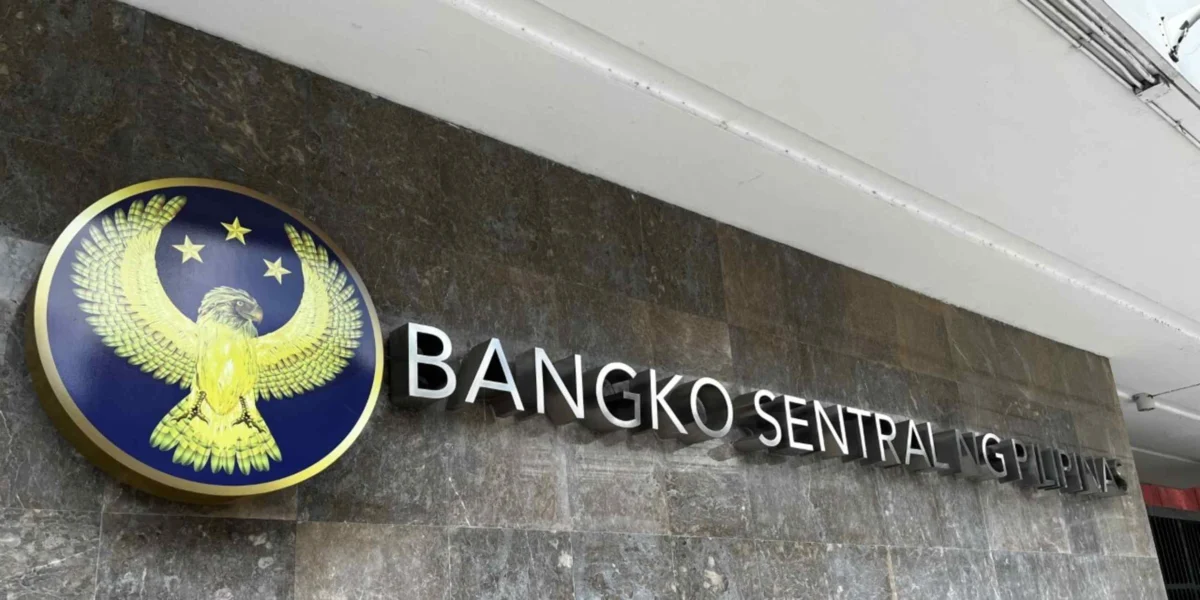
MANILA – The Bangko Sentral ng Pilipinas (BSP), the nation’s central monetary authority, has announced a 25 basis point increase in its key policy interest rates, a move aimed at combating persistent inflationary pressures. This decision, revealed on Thursday, comes at a time when the Philippine economy is exhibiting signs of sluggish growth, presenting a complex balancing act for policymakers. The Monetary Board of the BSP, in its latest assessment, determined that the immediate imperative was to anchor inflation expectations and prevent a sustained breach of its target band.
The benchmark overnight borrowing rate will now stand at X percent, with the overnight lending rate and deposit facility rates adjusted accordingly. This marks the [mention number, e.g., Nth] rate hike in the current tightening cycle, underscoring the central bank’s unwavering commitment to price stability as its primary mandate. While the decision signals a proactive stance against rising prices, it also raises concerns about the potential dampening effect on already fragile economic expansion, which has been grappling with a confluence of domestic and global headwinds.
The Inflationary Landscape: A Persistent Challenge
The rationale behind the BSP’s hawkish stance is rooted in the elevated inflation figures that have plagued the Philippine economy throughout the year. For the first seven months of 2026, inflation has averaged an unsettling 5 percent, significantly exceeding the central bank’s established target range of 2 to 4 percent. This sustained deviation from the desired level has prompted the Monetary Board to take decisive action.
Several factors have contributed to this inflationary surge. Globally, the lingering effects of supply chain disruptions stemming from geopolitical events and the aftermath of the COVID-19 pandemic continue to exert upward pressure on commodity prices, particularly for energy and food. Domestically, adverse weather conditions impacting agricultural output have led to higher food costs, a significant component of the consumer price index for a large segment of the population. Additionally, a depreciating peso against major currencies can also contribute to imported inflation, making goods and raw materials more expensive.
The average inflation rate for the first seven months of the year, at 5 percent, represents a substantial deviation from the BSP’s comfort zone. This sustained elevation suggests that inflationary impulses are becoming more entrenched, necessitating a stronger monetary policy response to prevent a de-anchoring of inflation expectations. If inflation expectations become unmoored, it can lead to a wage-price spiral, where workers demand higher wages to compensate for rising living costs, which in turn leads businesses to increase prices further, perpetuating the inflationary cycle.
Economic Growth: A Tightrope Walk
Despite the pressing need to curb inflation, the BSP’s decision is made more intricate by the prevailing economic growth trajectory. While the Philippine economy has demonstrated resilience in certain sectors, overall growth has been somewhat subdued. Factors such as weakened global demand, which impacts the country’s export-oriented industries, and domestic consumption patterns that may be affected by inflation itself, contribute to this moderating growth environment.
The government’s Gross Domestic Product (GDP) figures for [mention previous quarter/year] indicated a growth rate of [mention actual figure], which, while positive, has been [mention comparison, e.g., below pre-pandemic levels or slower than anticipated]. The manufacturing sector, a key driver of economic activity, has shown [mention trend, e.g., signs of contraction or moderate expansion], and the services sector, while generally robust, has also faced challenges related to consumer spending power.
The central bank is thus navigating a delicate balance: tightening monetary policy to quell inflation risks exacerbating the slowdown in economic activity. Higher interest rates increase the cost of borrowing for businesses, potentially deterring investment and expansion plans. For consumers, higher borrowing costs can translate into reduced spending on big-ticket items financed by loans, such as housing and vehicles, and can also lead to higher debt servicing costs for existing loans.
Chronology of Recent Monetary Policy Actions
The BSP’s decision on Thursday is not an isolated event but rather a continuation of a tightening cycle initiated earlier in the year. Understanding the timeline of these actions provides crucial context for the latest rate hike.
- Early 2026: The Monetary Board, observing nascent signs of inflationary pressures and a gradual economic recovery, maintained an accommodative monetary policy stance, keeping benchmark rates at historically low levels.
- [Month], 2026: As inflation figures began to consistently breach the upper bound of the target range, the BSP signaled a shift in its policy orientation. This period marked the beginning of its proactive approach to inflation management.
- [Month], 2026: The first interest rate hike of the cycle was implemented, a [mention basis points, e.g., 25 basis point] increase in the policy rate. This was followed by [mention subsequent actions, e.g., a pause, another hike, or a series of hikes].
- [Month], 2026: Subsequent Monetary Board meetings saw further adjustments to the policy rate, reflecting the evolving inflation and growth dynamics. Each decision was accompanied by detailed statements outlining the board’s assessment of the economic landscape.
- August 27, 2026: The latest decision to raise rates by 25 basis points underscores the central bank’s persistent concern over inflation, even as it acknowledges the subdued growth environment.
This sequential approach highlights the BSP’s data-dependent strategy, responding to incoming economic indicators and adjusting its policy tools accordingly.
Official Statements and Expert Reactions
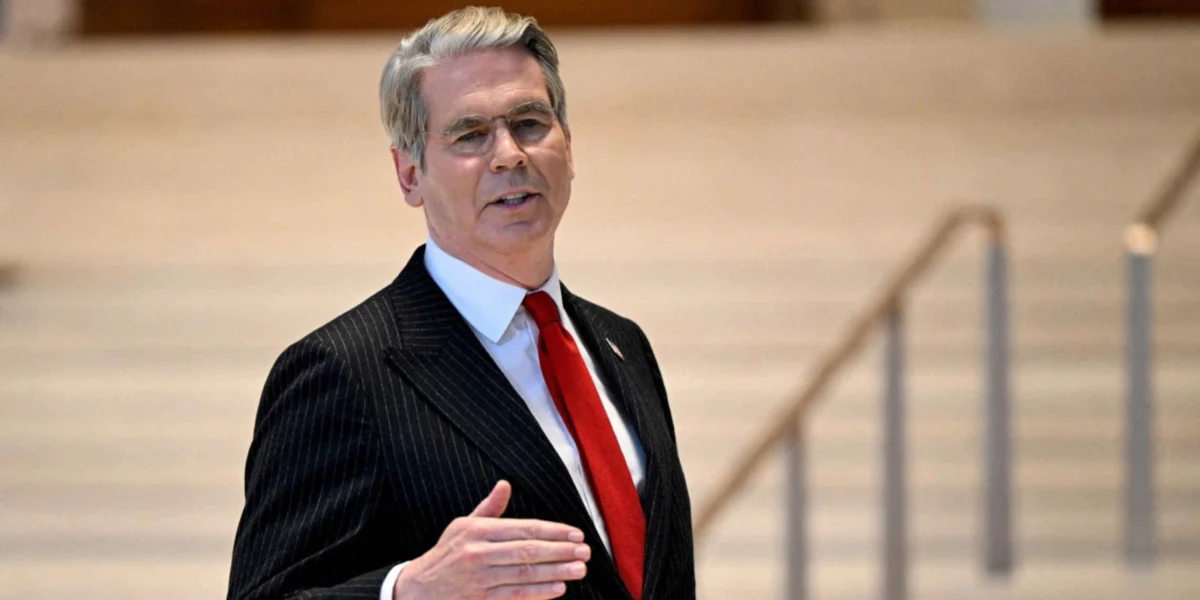
Following the announcement, the BSP Governor, [Governor’s Name – if available, otherwise use title], issued a statement emphasizing the necessity of the rate hike. "Our primary mandate is price stability," the Governor stated. "While we recognize the challenges posed by moderating economic growth, allowing inflation to become entrenched would inflict greater long-term damage on the economy and the welfare of our citizens. This rate adjustment is a necessary step to anchor inflation expectations and bring inflation back within our target range over the medium term."
The Governor further elaborated on the factors influencing the decision, citing the persistence of supply-side pressures and the need to guard against potential demand-driven inflation as the economy recovers. The BSP will continue to monitor global and domestic developments closely and stands ready to deploy its full range of monetary policy instruments as needed.
Economists and financial analysts offered mixed reactions, reflecting the inherent trade-offs in the BSP’s decision. [Analyst Name], chief economist at [Institution Name], commented, "This is a hawkish move that signals the BSP’s firm commitment to fighting inflation. However, it will undoubtedly add to the cost of capital for businesses and could slow down consumption. The key will be how effectively the government can implement fiscal measures to support growth without exacerbating inflationary pressures."
Another analyst, [Analyst Name 2] from [Institution Name 2], noted, "The BSP is facing a classic dilemma. On one hand, inflation is a clear and present danger. On the other hand, the global economic outlook is uncertain, and the Philippine economy is not firing on all cylinders. The 25 basis point hike is a measured response, but the market will be watching closely for any further signals of tightening."
The business sector, while understanding the need to control inflation, expressed concerns about the potential impact on investment and competitiveness. [Business Leader Name], president of the [Business Organization Name], remarked, "We support the BSP’s objective of price stability. However, we urge the government to complement monetary policy with supportive fiscal measures and structural reforms that can boost productivity and long-term growth, thereby mitigating the adverse effects of higher interest rates on businesses."
Broader Implications and Future Outlook
The BSP’s decision to raise interest rates has several significant implications for the Philippine economy:
- Cost of Borrowing: Businesses and individuals will face higher costs for loans, including mortgages, car loans, and corporate financing. This could lead to a slowdown in investment and consumer spending.
- Peso Exchange Rate: Higher interest rates can attract foreign capital seeking higher returns, potentially strengthening the Philippine peso. However, global economic conditions and investor sentiment will also play a significant role in currency movements.
- Inflation Expectations: The rate hike aims to signal the BSP’s resolve to control inflation, thereby anchoring public and business expectations. Successfully anchoring these expectations is crucial for bringing inflation down sustainably.
- Economic Growth Trajectory: The immediate impact could be a further deceleration of economic growth. The extent of this impact will depend on the resilience of domestic demand and the effectiveness of any accompanying fiscal stimulus measures.
- Investment Climate: Investors will closely assess the BSP’s commitment to price stability alongside the government’s strategies for fostering sustainable economic growth. A clear and consistent policy framework will be vital for attracting both domestic and foreign investment.
Looking ahead, the BSP’s Monetary Board will continue to meticulously analyze economic data, including inflation reports, GDP growth figures, employment statistics, and global economic developments. The path of future monetary policy decisions will be heavily influenced by the evolution of these factors. Should inflation persist at elevated levels, further rate hikes may be necessary, albeit with careful consideration of the economic growth outlook. Conversely, if inflation moderates significantly and economic growth shows signs of faltering, the BSP might consider pausing its tightening cycle or even exploring easing measures in the future. The central bank’s commitment to its dual mandate of price stability and sustainable economic growth remains the guiding principle in its policy deliberations. The current decision reflects a prioritization of the former in the face of persistent inflationary headwinds, a stance that will continue to shape the Philippine economic landscape in the months to come.