Lina Wu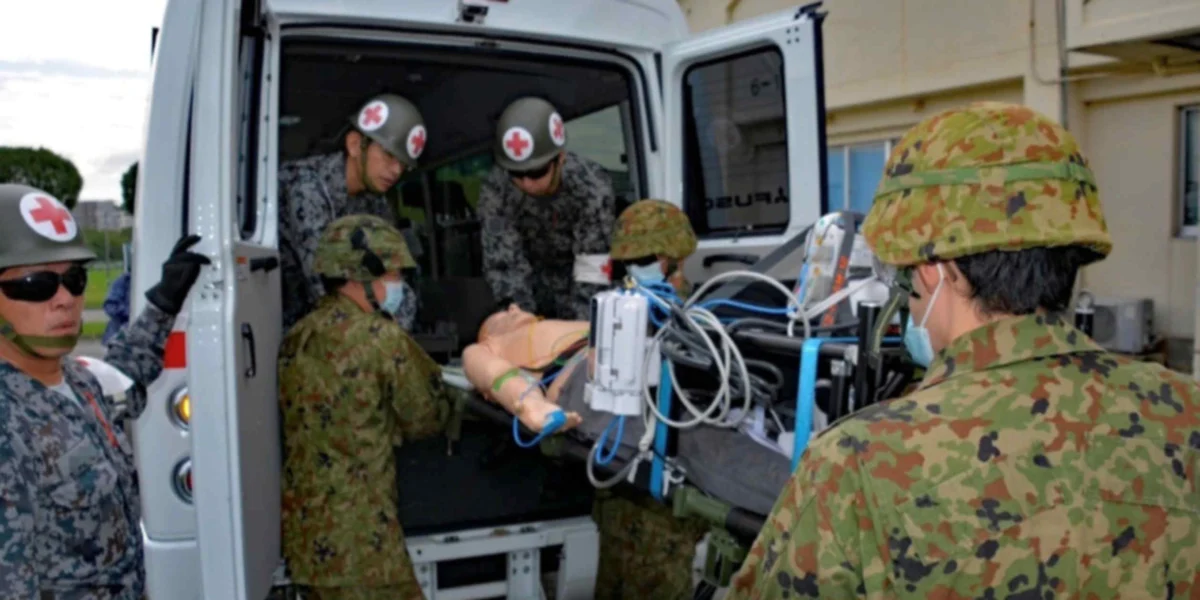
Japan is set to significantly expand the bed capacity at its Self-Defense Forces (SDF) hospitals, with facilities in Okinawa and extending to Tokyo slated for upgrades. This strategic move aims to bolster the nation’s readiness to handle a surge in casualties during an emergency, a development underscored by the ongoing recalibration of Japan’s defense posture in a rapidly evolving geopolitical landscape. The expansion will also encompass the establishment of new medical departments, further enhancing the comprehensive capabilities of these vital military healthcare institutions.

Strategic Bed Expansion in Key Military Hospitals
The decision to augment the medical infrastructure of the SDF reflects a proactive approach to national security, prioritizing the ability to swiftly and effectively treat a large number of wounded individuals. While specific figures on the exact number of beds to be added are yet to be officially released, sources indicate a substantial increase is planned across at least three key SDF medical facilities. These facilities are strategically located to serve critical operational areas and to ensure robust medical support across different regions of Japan.

The hospitals involved in this significant upgrade are situated in Okinawa, a prefecture that hosts a substantial U.S. military presence and is considered a frontline in any potential regional conflict, and extend to facilities in the metropolitan heart of Tokyo. This geographical spread suggests a comprehensive plan to distribute increased medical capacity and ensure accessibility from diverse operational theaters. The inclusion of new departments signifies a commitment to broadening the scope of medical services offered, potentially including specialized care units crucial for treating complex injuries sustained in modern warfare scenarios.

Context of Japan’s Evolving Defense Strategy
This initiative is not an isolated event but rather a crucial component of Japan’s broader defense buildup, a policy shift initiated in recent years in response to increasing regional assertiveness and evolving security challenges. Under Prime Minister Fumio Kishida’s administration, Japan has embarked on a significant increase in its defense budget, a move that has garnered international attention. This increase, the largest since World War II, is intended to equip the SDF with enhanced capabilities for both defense and deterrence.

The current geopolitical climate, marked by heightened tensions in the East and South China Seas, as well as the ongoing global security concerns, has prompted a re-evaluation of Japan’s pacifist constitution and its traditional security policies. The nation is increasingly seeking to play a more active role in regional security, fostering stronger alliances and enhancing its own self-defense capabilities. The expansion of SDF medical facilities directly aligns with this strategic imperative, ensuring that the nation’s personnel are well-supported in the event of any contingency.

A Chronology of Escalating Security Concerns and Defense Reforms
The impetus for strengthening Japan’s defense readiness, including its medical infrastructure, can be traced back to a series of events and trends over the past decade.

- Mid-2010s: Increased activity by China in the East China Sea, including incursions into waters near the Senkaku Islands (known as Diaoyu Islands in China), began to raise significant security concerns in Tokyo. This period also saw North Korea’s continued development of its ballistic missile and nuclear programs.
- 2015: The Japanese government enacted legislation to reinterpret its post-war constitution, allowing for a greater scope of collective self-defense. This marked a significant shift in Japan’s security posture, moving beyond purely self-defense to a more robust engagement in regional security.
- Late 2010s – Early 2020s: Continued assertive actions by China in the South China Sea and around Taiwan, coupled with North Korea’s persistent missile tests, further intensified regional security anxieties. The COVID-19 pandemic, while primarily a health crisis, also highlighted the importance of robust national preparedness and the resilience of critical infrastructure, including healthcare.
- 2022 onwards: Russia’s invasion of Ukraine sent shockwaves across the globe, underscoring the potential for large-scale military conflict and the critical need for nations to be prepared for various contingencies. This event served as a stark reminder for Japan of the fragility of peace and the importance of strengthening its own defense capabilities and those of its allies.
- 2023-2024: Japan announced its most significant defense spending increase, signaling a long-term commitment to enhancing its military strength. This included investments in counter-strike capabilities, missile defense, and the modernization of its armed forces. The current expansion of SDF hospital capacity is a direct outcome of these strategic planning phases, focusing on the human element of defense preparedness.
Supporting Data: The Significance of Medical Readiness
The operational effectiveness of any military force is inextricably linked to the health and well-being of its personnel. In scenarios involving armed conflict or major natural disasters, the ability to rapidly triage, treat, and evacuate casualties can be the deciding factor in saving lives and maintaining morale.

- Historical Precedents: Throughout history, military campaigns have often been significantly impacted by the medical support available. Insufficient medical facilities and personnel have historically led to higher casualty rates and prolonged recovery times, impacting operational tempo and strategic objectives.
- Modern Warfare Demands: Contemporary warfare, with its emphasis on advanced weaponry and complex operational environments, can result in severe and varied injuries. This necessitates specialized medical expertise, advanced equipment, and robust logistical chains for medical supplies.
- Disaster Preparedness: Beyond military conflict, Japan’s vulnerability to natural disasters, such as earthquakes and tsunamis, further amplifies the need for enhanced medical readiness. SDF medical units often play a crucial role in disaster relief operations, providing essential medical services to affected civilian populations. Expanding their capacity ensures they can respond effectively to both military and humanitarian crises.
- Personnel Strength: As Japan’s SDF personnel numbers remain relatively modest compared to some regional powers, the readiness of each individual service member is paramount. Ensuring comprehensive medical care is a critical component of maintaining a capable and deployable force.
Official Responses and Strategic Rationale
While specific official statements detailing the exact scope and timeline of the hospital expansions are anticipated, the underlying strategic rationale is clear. The Ministry of Defense has consistently emphasized the importance of strengthening Japan’s defense capabilities in light of the increasingly challenging security environment.

The expansion of SDF hospitals is likely driven by several key considerations:

- Deterrence: A robust and well-equipped medical support system contributes to the overall deterrence posture of the SDF. Potential adversaries are more likely to consider the consequences of aggression if they are aware that Japan possesses the capacity to effectively care for its personnel and mitigate the impact of an attack.
- Force Projection: Enhanced medical capabilities are essential for sustained operations and force projection. In any scenario requiring the deployment of SDF units, the ability to provide comprehensive medical care for deployed personnel is a prerequisite for long-term operational success.
- Interoperability with Allies: As Japan deepens its security cooperation with allies, particularly the United States, the ability of SDF medical facilities to seamlessly integrate with allied medical support systems becomes increasingly important. Expanded capacity and modernized facilities can facilitate joint operations and mutual support.
- Resilience: The expansion aims to build greater resilience within Japan’s defense infrastructure. This includes not only the physical capacity of hospitals but also the logistical networks for medical supplies and the training of medical personnel to handle a wide range of medical emergencies.
Broader Impact and Implications for Regional Security
The decision to expand SDF hospital capacity has significant implications that extend beyond the immediate operational readiness of Japan’s armed forces.

- Enhanced National Resilience: This initiative contributes to Japan’s overall national resilience. By strengthening its capacity to respond to medical emergencies, whether from conflict or natural disasters, Japan is better positioned to protect its citizens and maintain societal stability.
- Regional Stability: A stronger and more capable SDF, including its medical support elements, can contribute to regional stability by deterring potential aggressors and providing a reliable security partner for allies. This strengthens the collective security framework in the Indo-Pacific.
- Economic Considerations: While defense spending represents a significant investment, the long-term economic benefits of enhanced security and stability are substantial. A secure environment is crucial for sustained economic growth and foreign investment.
- Public Perception and Trust: Demonstrating a commitment to the well-being of its service members through robust medical support can foster greater public trust and confidence in the SDF’s capabilities and its role in national defense.
The ongoing expansion of Self-Defense Forces hospitals in Japan signifies a critical step in the nation’s strategic evolution. It underscores a commitment to preparedness, not only in terms of offensive and defensive capabilities but also in the vital aspect of personnel care. As regional security dynamics continue to shift, Japan’s proactive approach to bolstering its medical infrastructure signals a determination to safeguard its territory, its people, and its interests in an increasingly complex global environment. The success of this initiative will depend on its thorough implementation, ongoing investment in medical personnel and technology, and its seamless integration into Japan’s broader national security strategy.