Lina Wu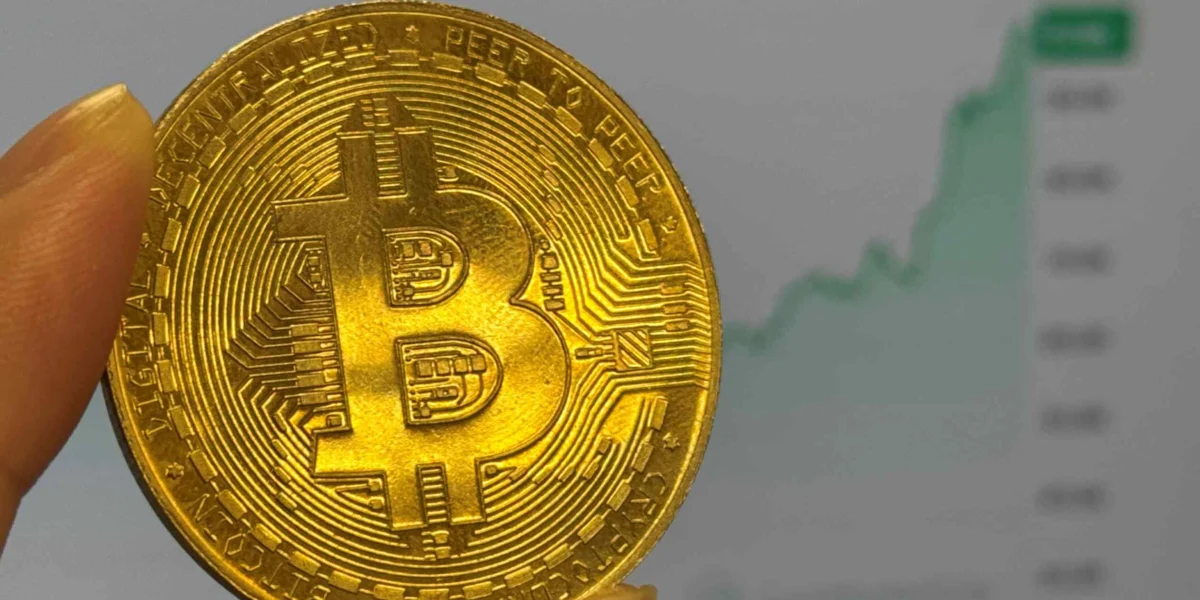
The rising tide of investor apprehension surrounding the escalating United States government debt has triggered a significant capital flight from the U.S. dollar, propelling both gold and bitcoin prices to approximately three-month peaks. This shift underscores a growing perception of these assets as alternative stores of value, particularly as economic uncertainties continue to mount on a global scale. The confluence of factors driving this market movement paints a complex picture for investors navigating the current financial landscape.
The Dollar’s Decline and the Appeal of Alternatives
For weeks, the U.S. dollar has been on a downward trajectory, a trend that has intensified in recent trading sessions. This depreciation is directly linked to a deepening unease among international investors regarding the sheer magnitude of the U.S. national debt. As of early August 2026, the U.S. national debt has surpassed a staggering $36 trillion, a figure that continues to climb at an alarming rate. This unprecedented level of indebtedness raises questions about the long-term stability and purchasing power of the world’s reserve currency.
Historically, gold has served as a quintessential safe-haven asset during times of economic and geopolitical turmoil. Its intrinsic value, scarcity, and historical track record as a hedge against inflation and currency devaluation have made it a perennial favorite for investors seeking to preserve wealth. In the current environment, as the dollar falters, gold has recaptured its allure, with prices climbing steadily. Spot gold prices, for instance, have recently traded around $2,300 per ounce, a level not seen since May 2026, reflecting robust demand.
Simultaneously, bitcoin, the leading cryptocurrency, is experiencing a resurgence, with its price approaching $70,000. This digital asset, often dubbed "digital gold," is increasingly being viewed by a segment of the investment community as a decentralized alternative store of value, insulated from the monetary policies and fiscal actions of individual governments. While bitcoin remains a more volatile asset compared to gold, its recent performance suggests a growing acceptance among investors seeking diversification and protection against traditional financial system risks. The narrative of bitcoin as a hedge against inflation and currency debasement has gained traction, particularly among younger, tech-savvy investors.
A Timeline of Shifting Sentiment
The current market dynamics are not a sudden development but rather an evolution of investor sentiment over several months.
- Early 2026: Persistent concerns about inflation and the Federal Reserve’s monetary policy had already begun to weigh on the dollar. However, a relatively strong U.S. economic performance had provided some support.
- Mid-2026 (Q2): As the U.S. government’s fiscal deficits continued to widen and the national debt ceiling debates resurfaced, albeit temporarily resolved, investor confidence in the dollar began to erode more visibly. This period saw the initial uptick in gold prices and a modest recovery in bitcoin after a period of consolidation.
- Late Summer 2026 (Q3): A series of economic reports, including a less-than-stellar GDP growth forecast and a higher-than-anticipated inflation reading in July, combined with renewed anxieties about the sustainability of U.S. fiscal policy, acted as a catalyst. These developments amplified concerns about the dollar’s future value, leading to the pronounced capital shift observed in recent weeks. The acceleration of gold and bitcoin price increases in August marks the culmination of these accumulating pressures.
Supporting Data and Economic Indicators
Several key economic indicators and data points provide context for the current market movements:
- U.S. National Debt Growth: The Congressional Budget Office (CBO) has consistently projected significant increases in the U.S. national debt over the next decade. Recent CBO reports indicate that if current fiscal policies remain in place, the debt-to-GDP ratio could exceed 120% by 2030, a level that historically has been associated with economic instability in many developed nations.
- Dollar Index Performance: The U.S. Dollar Index (DXY), which measures the dollar’s strength against a basket of major currencies, has declined by approximately 4% since its peak in early June 2026. This decline signifies a broad-based weakening of the dollar against currencies like the Euro, Japanese Yen, and British Pound.
- Inflationary Pressures: Despite efforts by the Federal Reserve to curb inflation, consumer price index (CPI) data for July 2026 showed a year-over-year increase of 3.8%, still above the Fed’s 2% target. This persistent inflation erodes the purchasing power of the dollar, making assets like gold and bitcoin, which are perceived to hold value, more attractive.
- Bitcoin Volatility and Correlation: While bitcoin remains more volatile than gold, its recent upward trend has shown a degree of correlation with the dollar’s weakness. The annualized volatility of bitcoin has averaged around 60% in the past year, compared to gold’s approximately 12%. However, during periods of significant dollar depreciation and heightened economic uncertainty, this correlation can strengthen as investors seek broad hedges.
Official Responses and Market Reactions
The U.S. Treasury Department and the Federal Reserve have been closely monitoring the economic situation. While no direct statements have been issued specifically addressing the surge in gold and bitcoin prices, their ongoing communication regarding fiscal policy and monetary strategy is crucial.
- Federal Reserve Stance: The Federal Reserve has maintained its commitment to price stability, signaling a cautious approach to interest rate adjustments. While inflation remains a concern, the Fed has also indicated awareness of the potential impact of high interest rates on economic growth and government borrowing costs. Their future policy decisions, particularly regarding the pace of any potential rate hikes or cuts, will be keenly watched by markets. A continued accommodative stance or a pause in tightening could further pressure the dollar.
- Treasury Department’s Fiscal Outlook: The Treasury Department continues to issue U.S. Treasury bonds to finance government operations. The appetite for these bonds, particularly from foreign investors, is a key determinant of the dollar’s strength. Growing concerns about the debt burden could eventually lead to higher borrowing costs for the U.S. government, creating a feedback loop that further weakens the dollar.
Market analysts and economists have offered varying perspectives on the current trend:
- Goldman Sachs: Analysts at Goldman Sachs have noted the inverse relationship between the dollar and gold prices, attributing the recent surge to "safe-haven demand driven by fiscal concerns." They anticipate that if U.S. debt continues to escalate without a clear path to fiscal consolidation, gold prices could see further upside.
- JPMorgan Chase: JPMorgan’s strategists have highlighted bitcoin’s increasing role as a digital store of value, especially among younger generations. They observe that "as traditional fiat currencies face headwinds, alternative assets like bitcoin are gaining traction as a hedge against currency debasement." However, they also caution about bitcoin’s inherent volatility.
- International Monetary Fund (IMF): The IMF has repeatedly urged countries, including the United States, to develop credible medium-term fiscal consolidation plans to ensure long-term debt sustainability and macroeconomic stability. Their reports often emphasize the importance of fiscal discipline for maintaining global financial stability.
Broader Impact and Implications
The sustained weakness of the U.S. dollar and the concurrent rise of alternative assets like gold and bitcoin carry significant implications for the global economy:
- Inflationary Spillover: A weaker dollar can make imports more expensive for U.S. consumers and businesses, potentially exacerbating domestic inflation. Conversely, it can make U.S. exports cheaper, boosting trade competitiveness.
- Geopolitical Shifts: The dollar’s status as the world’s primary reserve currency is foundational to U.S. geopolitical influence and economic power. A prolonged decline could lead to a gradual shift in global financial power dynamics, with other currencies and economic blocs gaining prominence.
- Investor Diversification Strategies: The current environment is prompting a broader re-evaluation of investment portfolios. Investors are increasingly diversifying beyond traditional asset classes, seeking exposure to commodities, cryptocurrencies, and other alternative investments that offer protection against currency devaluation and systemic risk.
- Central Bank Policies: Central banks globally are watching these developments closely. A significantly weaker dollar could influence their own monetary policy decisions, particularly regarding foreign exchange reserves and interest rate strategies.
- The Future of Digital Assets: The growing acceptance of bitcoin as a store of value, particularly during times of fiat currency weakness, could accelerate the mainstream adoption of digital assets and blockchain technology. This trend may also spur further innovation and competition in the cryptocurrency space.
In conclusion, the current surge in gold and bitcoin prices is a clear signal of investor concern regarding the U.S. government’s debt trajectory and its impact on the dollar. As economic uncertainties persist, the allure of these alternative stores of value is likely to remain strong, shaping investment strategies and potentially influencing global financial markets for the foreseeable future. The long-term implications will hinge on the U.S.’s ability to address its fiscal challenges and the evolving role of alternative assets in a complex and interconnected global economy.