Ena Muazin
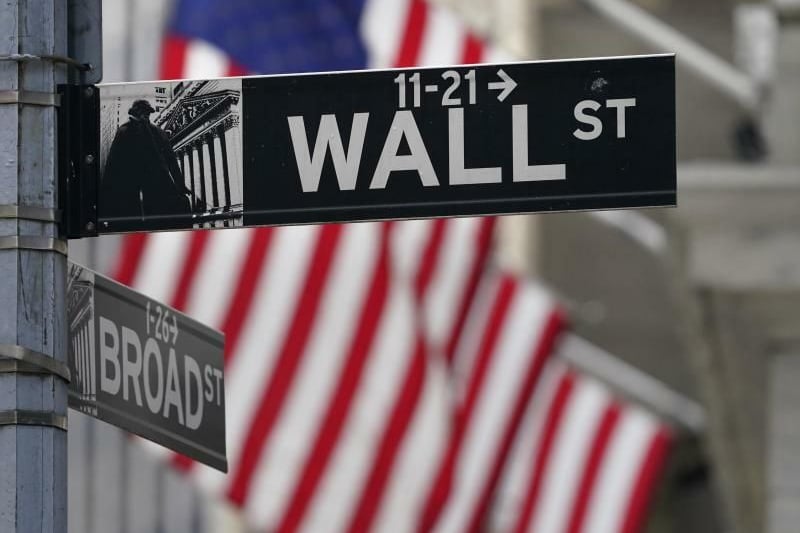
New York, NY – Following a trading session marked by a reversal of Thursday’s declines, the major U.S. stock indices concluded Friday on a positive note. However, the gains were not enough to offset earlier losses, leaving all three benchmarks with a negative balance for the week. The Dow Jones Industrial Average saw a weekly decline of 0.7 percent, the S&P 500 shed approximately 1.5 percent, and the tech-heavy Nasdaq Composite experienced a more significant drop of 2.3 percent over the five trading days.
The market’s performance this week reflects a complex interplay of macroeconomic factors, geopolitical tensions, and evolving investor preferences, as evidenced by the growing interest in alternative assets like Bitcoin and gold, while the U.S. dollar shows signs of weakening. Investors appear to be grappling with the implications of rising U.S. Treasury yields, elevated oil prices, and ongoing global instability, seeking clearer signals from the markets to guide their investment strategies.

Rising Treasury Yields and Their Market Impact
A significant factor influencing market sentiment this week has been the continued ascent of U.S. Treasury yields, which have reached levels not seen in a quarter of a century. During an auction of 30-year U.S. Treasury bonds, yields surged to over five percent. According to DWS, such yield levels were last observed prior to the global financial crisis of 2008. This sharp increase in the cost of borrowing for the U.S. government has several potential implications for the broader economy and financial markets.
Historically, rising Treasury yields can signal increasing inflation expectations or a tightening monetary policy by the Federal Reserve. Investors often demand higher returns to compensate for the erosion of purchasing power due to inflation. Furthermore, higher yields on safe-haven assets like U.S. Treasuries can make them more attractive relative to riskier assets such as stocks, potentially leading to a reallocation of capital away from equities. This shift can put downward pressure on stock prices, particularly for growth-oriented companies that are more sensitive to interest rate changes.
Geopolitical Tensions and Oil Price Volatility
The recent blockade of the Strait of Hormuz has contributed to a significant surge in oil prices, adding another layer of complexity to the market dynamics. Disruptions to this critical shipping lane, through which a substantial portion of the world’s oil supply passes, can lead to immediate price increases due to supply concerns. This spike in energy costs not only directly impacts consumer spending and business operations but also fuels inflationary pressures.
Rising oil prices often translate into higher inflation, which in turn can prompt central banks, including the Federal Reserve, to consider further interest rate hikes to curb price increases. The expectation of such moves by the Fed can further drive up Treasury yields, creating a feedback loop that affects both bond and equity markets. The interconnectedness of these factors highlights the delicate balance that investors must navigate in the current global economic landscape.
U.S. Fiscal Concerns and Mounting Debt
Parallel to the concerns over inflation and interest rates, investor skepticism regarding U.S. fiscal policy has been growing. The U.S. national debt has now surpassed the $40 trillion mark, a staggering figure that raises questions about the long-term sustainability of government finances. The sheer magnitude of this debt has significant implications for future economic growth and financial stability.
According to calculations by the bank Metzler, the U.S. Treasury is currently spending approximately $100 billion per month solely on interest payments for its debt, a figure that is on an upward trend. This substantial outflow of funds to service debt leaves less capital available for public investments in infrastructure, education, or research and development, which are crucial for long-term economic prosperity. Moreover, a rising debt burden can increase the risk of a sovereign debt crisis, especially if the government struggles to meet its financial obligations or if investor confidence wanes. This could lead to a devaluation of the U.S. dollar and a flight to safer assets, further impacting global financial markets.
Shifting Investor Preferences: Bitcoin and Gold’s Appeal
Amidst the uncertainty surrounding traditional financial markets, assets like Bitcoin and gold have seen a resurgence in investor interest. This trend suggests a potential diversification strategy by investors seeking to hedge against inflation and currency devaluation.
Bitcoin, the leading cryptocurrency, has often been positioned as a digital store of value and a hedge against traditional financial system instability. Its decentralized nature and capped supply are seen by some as attractive features in an environment of expanding government debt and potential currency debasement. While highly volatile, Bitcoin’s recent gains reflect a growing acceptance among some institutional and retail investors as a legitimate, albeit speculative, asset class.
Gold, a traditional safe-haven asset, has also benefited from the prevailing market conditions. Its long-standing role as a hedge against inflation and economic uncertainty makes it a go-to asset during times of geopolitical turmoil and financial market volatility. The renewed interest in gold indicates a cautious sentiment among investors who are looking to preserve capital and mitigate risks associated with traditional investment vehicles.

Historical Context and Market Analysis
The current market environment can be viewed through the lens of historical economic cycles. The post-pandemic period has been characterized by significant fiscal and monetary stimulus, which has contributed to asset price inflation and, more recently, a surge in consumer price inflation. The Federal Reserve’s aggressive interest rate hikes over the past year have aimed to tame inflation, but this tightening cycle has also created concerns about a potential economic slowdown or recession.
The market’s reaction this week, with a late-week rally following earlier declines, suggests a degree of volatility and indecision among investors. While some may view the current market as an opportunity to buy at lower prices, others remain cautious, awaiting clearer signals about the trajectory of inflation, interest rates, and the broader economic outlook. The fact that all major indices ended the week in negative territory despite a Friday rebound underscores the underlying headwinds that continue to influence investor sentiment.
Outlook and Potential Implications
The coming weeks will be critical in determining the short-term direction of the stock market. Key economic indicators, including inflation data, employment figures, and corporate earnings reports, will be closely scrutinized by investors. The Federal Reserve’s communication regarding its monetary policy stance will also play a pivotal role.

If inflation proves to be more persistent than anticipated, or if geopolitical tensions escalate further, it could lead to renewed selling pressure on equities and a further rise in Treasury yields. Conversely, any signs of inflation moderating or a de-escalation of global conflicts could provide a tailwind for the stock market.
The increasing attractiveness of assets like Bitcoin and gold suggests a growing demand for alternative investments and a potential re-evaluation of traditional portfolio allocations. Investors are increasingly aware of the risks associated with a highly indebted global economy and are seeking ways to protect their wealth.
The prolonged period of low interest rates that characterized the decade preceding the pandemic may be giving way to a new era of higher borrowing costs. This shift has profound implications for corporate valuations, investment strategies, and overall economic growth. Companies that can effectively manage their debt and adapt to a higher interest rate environment are likely to be better positioned for long-term success.

As investors continue to digest the complex array of economic and geopolitical factors at play, the search for stability and growth will remain paramount. The market’s ability to find a clear direction will depend on its capacity to process these evolving dynamics and to provide a more predictable path forward. The current environment demands a nuanced approach, one that balances risk management with the pursuit of potential opportunities. The coming trading sessions will undoubtedly offer further insights into the market’s resilience and its capacity to adapt to a rapidly changing global landscape.