Gilang Muhammad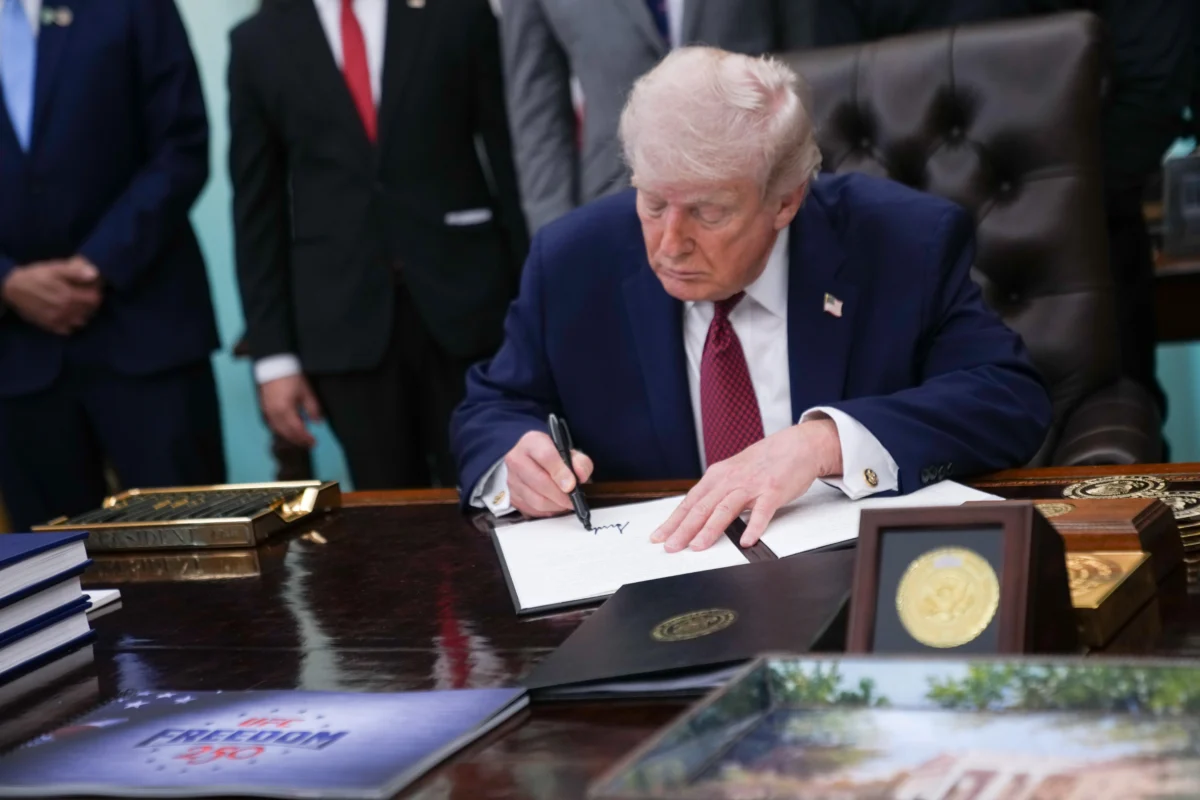
President Donald Trump has announced a significant shift in U.S. trade policy regarding generic pharmaceuticals, detailing a phased tariff schedule designed to compel drug manufacturers to relocate production facilities to American soil. The new policy, communicated via a social media post, stipulates a two-year period of zero tariffs on imported generic drugs, commencing August 1, 2026. This grace period will be followed by a steep 100% levy in August 2028, escalating further to 200% a year later. This aggressive escalation, described by the President as "a penalty," targets companies that fail to establish manufacturing plants and facilities within the U.S. during the initial two-year window. The move underscores the administration’s persistent "America First" agenda, aiming to bolster domestic manufacturing, secure critical supply chains, and potentially reduce drug costs, though experts caution about the complex realities of such a transformation.
A Bold Stance on Pharmaceutical Supply Chains
The United States healthcare system relies heavily on generic drugs, with nearly 90% of all prescriptions filled with these more affordable alternatives. However, a vast majority of these generics, along with their active pharmaceutical ingredients (APIs), originate from overseas, often involving intricate global supply chains. According to Legis1, a congressional intelligence platform, this reliance on foreign manufacturing creates potential vulnerabilities, a concern amplified by global events and geopolitical tensions. President Trump’s latest tariff announcement is a direct response to this perceived dependency, extending his administration’s broader strategy to reshore critical industries.
This policy follows previous actions taken by the Trump administration to exert pressure on the pharmaceutical sector. On April 2, 2026, President Trump imposed a 100% levy on patented pharmaceutical products and their ingredients under Section 232 of the Trade Expansion Act of 1962, a measure typically reserved for national security concerns. While that earlier action exempted generic drugs, biosimilars, and related ingredients, it signaled a clear intent to reshape the pharmaceutical landscape. Larger drugmakers were granted a 120-day reprieve before the patented drug tariffs took effect, with smaller manufacturers, often reliant on contract production, receiving 180 days. The current announcement on generic drugs completes a more comprehensive tariff framework targeting both patented and generic segments of the pharmaceutical market.
Beyond tariffs, the administration has also utilized its "most favored nation" pricing policy, which ties U.S. drug prices to lower rates found in other high-income countries. This policy has led to agreements with more than a dozen major drugmakers, including industry giants like Eli Lilly, Pfizer, and Novo Nordisk, who have committed to lowering the prices of new and existing medicines in exchange for a three-year exemption from tariffs. These multifaceted approaches highlight a concerted effort to leverage trade policy to influence drug pricing and manufacturing locations.
Timeline of Key Pharmaceutical Policy Interventions
- April 2, 2026: President Trump imposes a 100% tariff on patented pharmaceutical products and ingredients under Section 232, citing national security concerns. Generic drugs, biosimilars, and related ingredients are initially exempted. Large drugmakers are given 120 days, smaller ones 180 days, before these tariffs take effect.
- April 18, 2026: President Trump signs an executive order in the Oval Office focusing on researching the effects of psychedelic drugs in medical treatment for veterans. While not directly related to tariffs, this action reflects a broader administration interest in novel healthcare solutions and veteran well-being.
- August 1, 2026: The new phased tariff schedule for generic drugs officially begins. Imported generic drugs will face zero tariffs for a period of two years.
- August 2028: The tariff on imported generic drugs escalates to 100% for companies that have not moved production onshore.
- August 2029: The tariff on imported generic drugs further escalates to 200%, serving as a severe penalty for continued offshore production.
The Complexities of Reshoring: An Industry Perspective
While the administration’s objective is clear – to bring pharmaceutical manufacturing back to the U.S. – the feasibility and economic implications are subjects of intense debate among industry experts and trade economists. Deborah Elms, head of trade policy at the Hinrich Foundation, acknowledges Trump’s goal to reshore low-cost drug production but points out the inherent complexities and significant costs involved. "Building pharmaceutical production in the U.S. is complex and costly – and nearly all the inputs would still come from abroad," Elms stated, adding, "I am not sure that even a potential 200% tariff will change the fundamental math."
The pharmaceutical manufacturing process is highly sophisticated, requiring specialized infrastructure, skilled labor, stringent regulatory compliance, and a vast network of suppliers for raw materials and intermediate products. A significant portion of active pharmaceutical ingredients (APIs), the biologically active components of a drug, originates from countries like China, which dominates the upstream supply chain for critical medicines such as amoxicillin and heparin. Even if generic drug formulation and packaging were moved to the U.S., the continued reliance on foreign-sourced APIs would mean that a truly "Made in America" drug supply chain remains a distant and challenging goal.
Industry stakeholders express concerns that the proposed tariffs could lead to higher drug prices for American consumers. Generic drugs are by definition low-cost alternatives to branded medications, and their razor-thin profit margins make them highly sensitive to increased production costs or tariffs. If manufacturers are forced to absorb additional costs, or if the tariffs make certain products commercially unviable, it could lead to reduced availability of specific generic drugs or increased prices, potentially undermining the very goal of affordability. Pharmaceutical executives, speaking anonymously due to the sensitivity of ongoing policy discussions, indicated that such tariffs could necessitate significant capital investments for new U.S. facilities, which would inevitably be passed on to consumers or lead to a contraction in the variety of generic drugs available.
Global Repercussions: The Indian Dilemma

The new tariff regime poses particularly high stakes for India, a global powerhouse in generic drug manufacturing. Indian pharmaceutical companies supply nearly 50% of all generic medicines consumed in America, making the U.S. a critical market that accounts for approximately one-third of India’s total pharmaceutical exports annually. These exports predominantly consist of more affordable versions of popular drugs, crucial for maintaining healthcare access in the U.S.
Arpit Chaturvedi, South Asia advisor at Teneo, emphasized that the announcement substantially raises long-term risks for Indian drugmakers, even with the initial two-year reprieve. India’s pharmaceutical sector is one of the country’s largest net export earners. The full implementation of Trump’s stated tariffs would deliver a severe blow to India’s trade balance and potentially impact its economic stability. Chaturvedi noted that while the U.S. aims to displace India as a primary supplier, Washington would find it incredibly challenging to do so quickly, given the scale and efficiency of India’s existing production capabilities.
The economic implications for Indian companies are stark. With margins on many ordinary generics already razor-thin, the added cost burden from tariffs could render specific products commercially unviable. This could force some manufacturers to exit certain product lines entirely if U.S. wholesalers and distributors are unwilling or unable to absorb or pass through the added costs to consumers.
However, the two-year grace period also presents a critical window for strategic action. Chaturvedi believes this period offers New Delhi a crucial negotiating opportunity to push for tariff relief in its ongoing talks with the U.S. India could leverage these discussions by pledging corporate investment commitments in American manufacturing facilities, thereby partially aligning with the Trump administration’s reshoring objectives. Furthermore, with the most stringent tariffs not scheduled to bite until 2028 – an election year in the U.S. – "New Delhi would hope that this rule will not be implemented," Chaturvedi said, hinting at the potential for policy shifts depending on future political outcomes. In the interim, Indian drugmakers are expected to intensify lobbying efforts in Washington for exemptions, accelerate approvals from the Food and Drug Administration (FDA) for new products, pursue contract-manufacturing deals with U.S. partners, and diversify into new international markets to mitigate dependence on the U.S. market.
Broader Implications for U.S. Healthcare and Trade
The administration’s aggressive tariff policy is poised to reshape the U.S. pharmaceutical landscape in profound ways, though not without significant challenges and potential drawbacks.
For U.S. Consumers: The most immediate concern is the potential for increased drug prices. While the policy aims to make drugs more affordable in the long run by fostering domestic competition, the initial transition costs, including building new facilities and higher labor expenses in the U.S., could translate into higher prices for generic medications. This could erode some of the cost savings that generic drugs currently provide, potentially burdening patients and healthcare payers. There’s also a risk of drug shortages if foreign manufacturers decide to pull out of the U.S. market rather than establish domestic production, or if the reshoring efforts fail to scale up quickly enough to meet demand.
For U.S. Manufacturing: The policy intends to stimulate investment in U.S. pharmaceutical manufacturing, creating jobs and strengthening national security by reducing reliance on foreign supply chains. However, establishing a robust pharmaceutical manufacturing base from scratch is a multi-year, multi-billion-dollar endeavor. It requires not only production facilities but also a skilled workforce, a reliable supply of raw materials (many of which are still globally sourced), and a supportive regulatory environment. Critics argue that even with tariffs, the cost advantages of overseas production, coupled with established infrastructure, may prove too difficult to overcome entirely.
For International Trade Relations: The tariffs on generic drugs, following those on patented products, signal an increasingly protectionist stance from the U.S. This could strain trade relations with key allies and trading partners, particularly India, which is a vital pharmaceutical supplier. Such measures could also invite retaliatory tariffs from affected countries, potentially escalating trade disputes and impacting other sectors of the U.S. economy. The globalized nature of the pharmaceutical industry means that unilateral actions can have far-reaching and unintended consequences across complex supply chains.
National Security and Resilience: The administration frames these policies as crucial for national security, arguing that a domestic supply of essential medicines is vital, especially in times of crisis like pandemics. While the goal of supply chain resilience is widely supported, the method of achieving it through tariffs is contentious. Many experts advocate for a more collaborative approach, including international agreements, strategic stockpiling, and targeted investments in advanced manufacturing technologies, rather than solely relying on punitive trade measures.
In conclusion, President Trump’s latest tariff announcement represents a bold, high-stakes gamble to fundamentally alter the global pharmaceutical supply chain and bring generic drug production back to the United States. While the policy aligns with a long-standing "America First" philosophy and aims to enhance national security and economic resilience, its implementation faces substantial challenges. The two-year grace period offers a crucial window for affected nations and companies to strategize, negotiate, and adapt, but the long-term implications for drug prices, availability, and international trade relations remain uncertain. The effectiveness of a 200% tariff in overcoming the "fundamental math" of global pharmaceutical economics will be a defining test of this ambitious policy.