Ena Muazin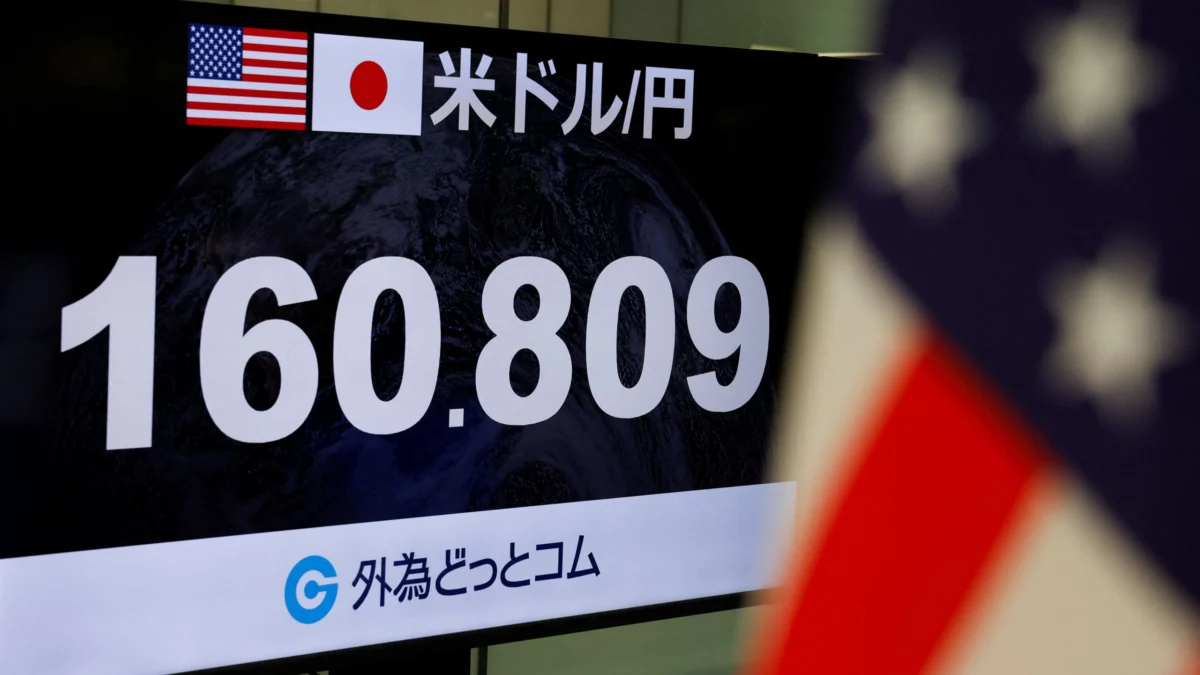
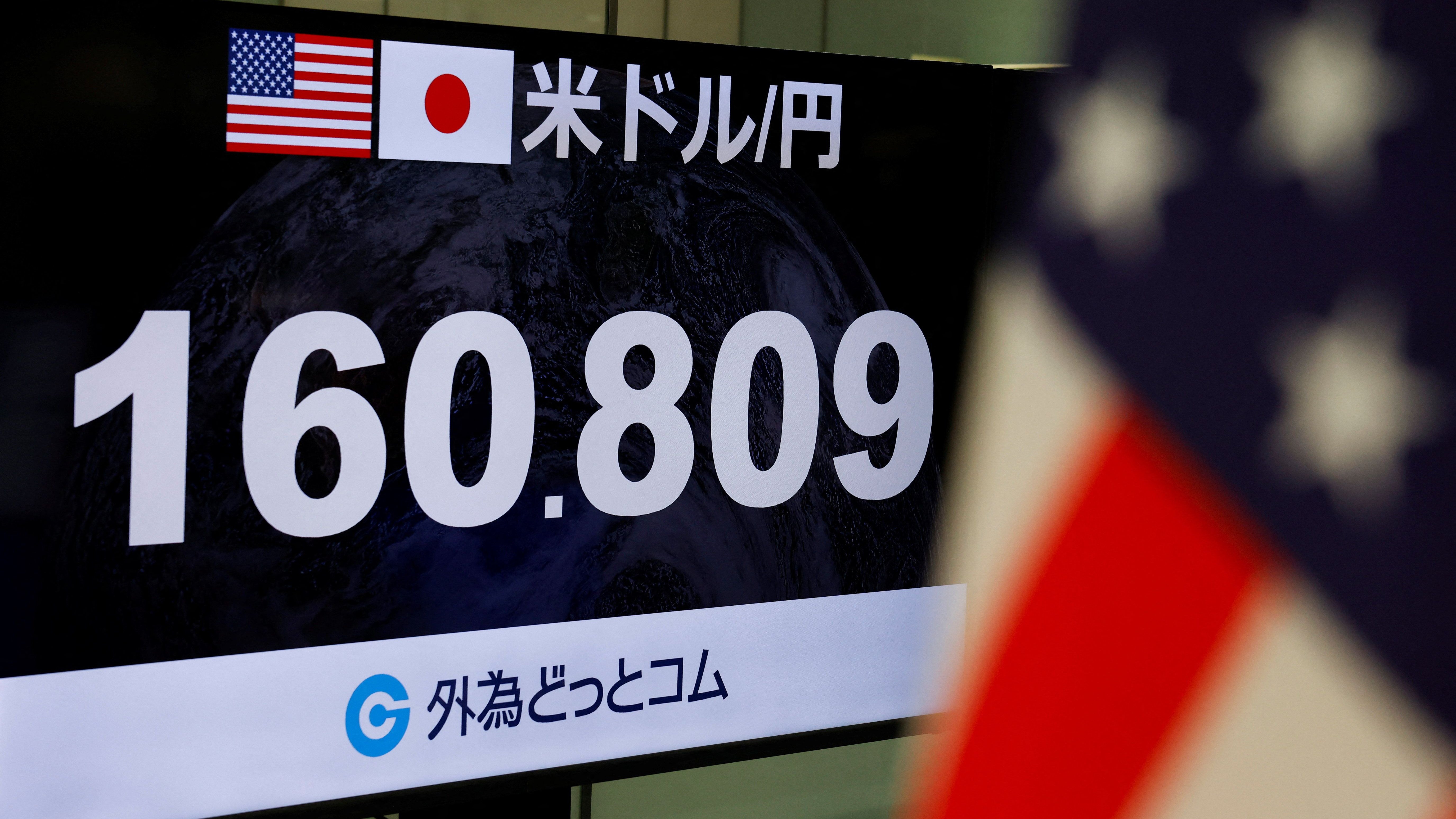
Just one day after Japan intervened in currency markets to bolster the yen, indications suggest the United States may also be poised to act. The U.S. Department of the Treasury has reportedly alerted several banks to preparations for a potential intervention in the foreign exchange market. This move comes amid a sustained period of weakness for the Japanese yen, which has reached multi-decade lows against the U.S. dollar.
Background: A Weakening Yen and Mounting Concerns
The Japanese yen has experienced a significant depreciation throughout the year, prompting growing unease among Japanese policymakers. Factors contributing to this decline include the widening interest rate differential between Japan and other major economies, particularly the United States, where the Federal Reserve has been aggressively raising rates to combat inflation. The Bank of Japan, conversely, has maintained its ultra-loose monetary policy, including negative interest rates, to stimulate economic growth. This divergence in monetary policy has made yen-denominated assets less attractive to international investors, leading to increased selling pressure on the currency.
As the yen weakened, concerns mounted about its potential impact on Japan’s economy. A weaker yen can make imports more expensive, fueling inflation and potentially eroding household purchasing power. Conversely, it can make Japanese exports more competitive, which could benefit certain sectors of the economy. However, the speed and magnitude of the yen’s decline had become a significant destabilizing factor.
Timeline of Recent Events
The recent developments point to an accelerating response to the yen’s depreciation:
- Early 2024: The Japanese yen begins a steady decline against major currencies, including the U.S. dollar, driven by diverging monetary policies and market sentiment.
- April 2024 (Specific Dates Not Provided in Original Text): Reports emerge of the Japanese authorities intervening in the currency markets to support the yen. This intervention, confirmed by the yen’s subsequent rally, appears to have been the first significant action taken by Japan to prop up its currency in years.
- Day After Japanese Intervention (Presumed April 2024): News breaks that the U.S. Department of the Treasury has contacted several banks, informing them of potential intervention plans. This communication, reportedly made through the New York branch of the Federal Reserve, suggests a coordinated or at least a well-informed approach between the two nations.
- "Nikkei" Report (Presumed April 2024): The Japanese newspaper "Nikkei" reports that U.S. authorities conducted currency rate inquiries with banks during trading hours on the day of Japan’s intervention. Such inquiries are often seen as a precursor to market intervention, as they gauge the liquidity and pricing at which banks would be willing to trade a particular currency.
Supporting Data and Market Reactions
The yen’s slide prior to the recent interventions had been dramatic. By the time of the reported Japanese intervention, the yen had been hovering near a 40-year low against the dollar. On Thursday, the day of the reported Japanese intervention, the yen experienced a significant rebound, gaining as much as 3.6 percent. This sharp appreciation indicated that substantial selling of dollars and buying of yen had occurred in the market, consistent with a coordinated or substantial intervention.
The news of potential U.S. involvement further amplified market attention. While the original report from Reuters cited an anonymous source familiar with the matter, the fact that the U.S. Treasury would inform banks in advance suggests a high level of seriousness and preparedness. Such communication aims to ensure that financial institutions are aware of potential market actions and can adjust their positions accordingly.
Official Responses and Inferences
While no direct official statements from the U.S. Treasury or the Federal Reserve regarding specific intervention plans were immediately available at the time of the report, the actions described speak volumes. The U.S. Treasury’s reported communication to banks is a strong signal of its awareness and potential willingness to act in concert with Japan. The "Nikkei" report about U.S. rate inquiries further substantiates the idea that U.S. authorities were monitoring the situation closely and possibly laying the groundwork for their own actions.

Japan’s Ministry of Finance has historically been reluctant to intervene in currency markets, preferring to let market forces largely dictate the yen’s value. However, the persistent depreciation and its potential economic consequences appear to have pushed them to take more direct action. The involvement of the U.S., a key global economic partner, in such discussions or preparations would be a significant development.
Broader Impact and Implications
The prospect of intervention by major economies like the U.S. and Japan in the foreign exchange market carries significant implications:

- Stabilization of the Yen: A coordinated or supportive intervention could help stabilize the yen, curbing its rapid depreciation and providing a much-needed respite for Japanese policymakers. This could lead to a more predictable exchange rate environment, benefiting businesses and consumers.
- Impact on Global Markets: Interventions, especially by major players, can have ripple effects across global financial markets. They can influence other currency pairs, commodity prices, and investor sentiment. The effectiveness of such interventions is often debated, as market forces can sometimes overwhelm official actions.
- Monetary Policy Divergence: The situation underscores the ongoing divergence in monetary policies between Japan and other major economies. While the Fed and other central banks are focused on inflation, the Bank of Japan’s priority remains economic stimulus. Any intervention might be seen as a temporary measure to address currency volatility rather than a fundamental shift in monetary policy.
- Coordination and Communication: The reported communication between the U.S. Treasury and banks highlights the importance of transparency and coordination in managing currency markets. Advance notice, even if informal, can help prevent disorderly market movements.
- Future Currency Dynamics: The willingness of major economies to intervene signals a potential shift in how currency markets are managed. It suggests that when currency movements become too extreme and threaten economic stability, official intervention remains a tool in the arsenal.
The situation remains fluid, and the extent of any U.S. involvement, as well as its impact on the yen and broader financial markets, will be closely watched in the coming days and weeks. The interplay between monetary policy, economic fundamentals, and official market actions will continue to shape the trajectory of the Japanese yen.