Gilang Muhammad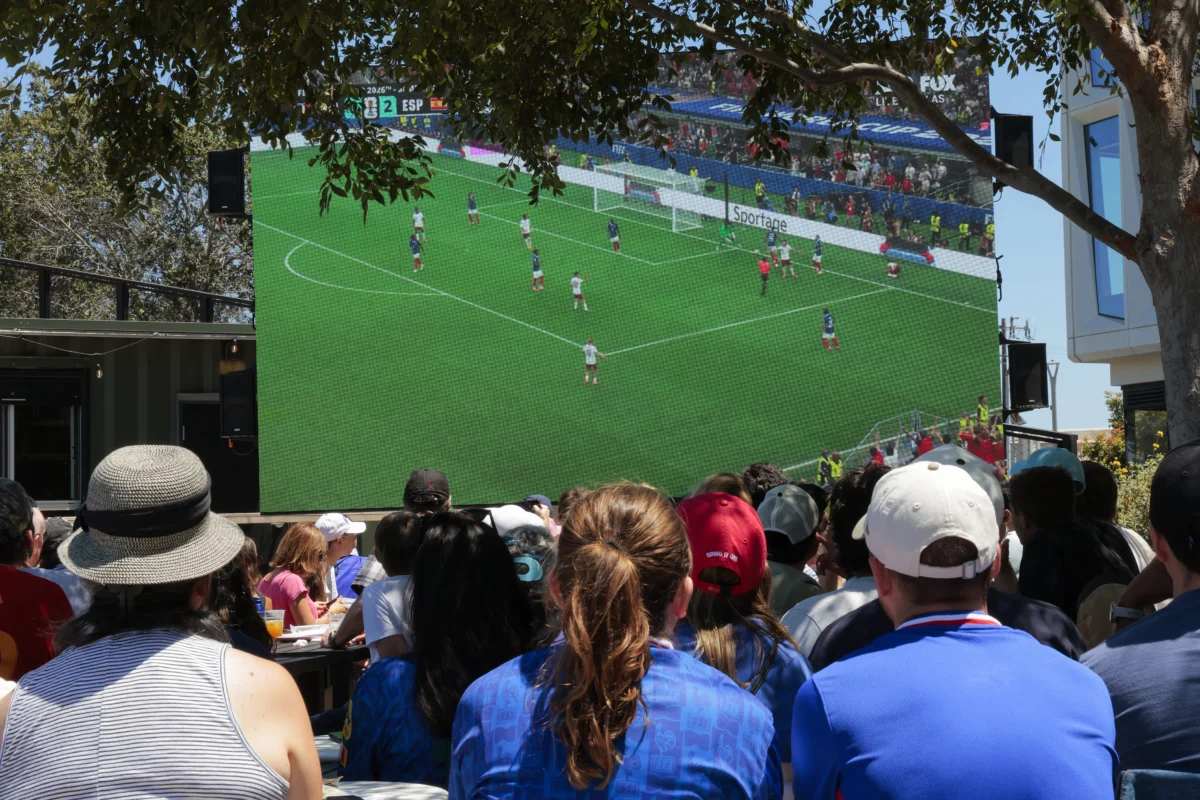
While the grand spectacle of the FIFA World Cup 2026 undeniably injected a significant tourism boost into its co-hosting cities across the United States, its overall positive economic impact was substantially tempered by prevailing economic weaknesses observed elsewhere, according to a comprehensive Federal Reserve report released on Wednesday. The global soccer tournament, a quadrennial celebration of the sport, captivated millions, drawing fans from across continents, yet the latest edition of the Fed’s "Beige Book" – an authoritative recap of regional economic conditions published eight times annually – indicated that the event, despite its high profile, did not uniformly catalyze broader economic growth as might have been anticipated.
The Global Spectacle Meets Local Economies: An Overview of FIFA World Cup 2026
The FIFA World Cup 2026, a historic undertaking co-hosted by the United States, Canada, and Mexico, marked a significant moment for North American soccer. With an expanded format featuring 48 teams and numerous host cities across the three nations, the tournament was projected to be the largest and most lucrative in FIFA’s history. The U.S. cities, in particular, prepared for an influx of international and domestic tourists, with significant investments in infrastructure, security, and hospitality. From the bustling streets of New York to the coastal charm of San Francisco and the historic ambiance of Boston, host cities anticipated a vibrant economic windfall, fueled by match-day attendance, fan zones, and ancillary spending.
Indeed, the tournament commanded premium pricing, with median admissions topping an impressive $900, according to data from TicketData. This figure alone underscored the immense demand and perceived value of experiencing the matches live, suggesting a robust appetite among fans. Images of jubilant crowds, such as those gathered for a watch party during the World Cup semifinal match between Spain and France at China Basin Park in San Francisco on July 14, 2026, or fans reacting to a Round of 16 match between France and Paraguay at Lion Sports Bar in Philadelphia on July 4, 2026, painted a picture of widespread engagement and excitement. Even a shot of Folarin Balogun of the United States mid-shot during the USA vs. Belgium Round of 16 match in Seattle on July 6, 2026, highlighted the sporting drama unfolding across the nation. However, the comprehensive review by the Federal Reserve revealed a more nuanced and complex economic narrative beneath the surface of this global sporting phenomenon.
Regional Snapshots: A Mixed Bag of Economic Performance
The Beige Book aggregates qualitative assessments of economic conditions from each of the twelve Federal Reserve districts, providing a ground-level view of the U.S. economy. The reports from districts encompassing World Cup host cities painted a picture of localized gains contrasted with broader struggles.
-
Boston’s Experience: Initial Softness to Resilient Recovery
The Federal Reserve Bank of Boston’s district reported an intriguing dynamic regarding hotel bookings. Initially, hotel reservations related to the World Cup were softer than expected, suggesting that the anticipated wave of visitors might have been slower to materialize or less robust than projected in the pre-tournament hype. This initial dip might have been influenced by higher initial pricing strategies or perhaps by the broader economic caution consumers were exercising. However, hotels in the Boston area quickly adapted, reportedly lowering prices for rooms to attract more visitors. This strategic adjustment proved effective, as stay levels subsequently rose to meet original forecasts, demonstrating the market’s responsiveness to pricing and the underlying demand for the event.Beyond accommodations, the hospitality sector in Boston saw a distinct surge. Bars across the Massachusetts city reported significantly higher beer sales directly attributable to the tournament. Anecdotal evidence, quickly becoming local legend, suggested that some Boston watering holes even ran out of beer when hordes of enthusiastic Scottish fans descended upon the city, a testament to the concentrated demand generated by specific fan bases. This localized boom in beverage sales underscored the immediate and tangible benefits for certain segments of the service industry.
Despite these pockets of success, the Boston Fed’s coverage region, which extends into coastal Maine and northern Vermont, also observed a concerning trend. While there was an increase in visitors from Canada compared to the previous summer, these levels remained "far lower than historical averages." This decline had a noticeable impact on smaller, more tourism-dependent towns in these northern states, highlighting a broader challenge in cross-border travel and its implications for regional economies reliant on Canadian tourism.
-
New York City: Bright Spots Amidst Lingering Concerns
Similarly, the Federal Reserve Bank of New York district offered a mixed assessment. Restaurants and bars in New York City, a major hub for the tournament and a global city renowned for its hospitality, reported "strong" sales performance, primarily driven by match-viewing events and the influx of fans. The vibrant atmosphere of watch parties, drawing both locals and tourists, proved to be a significant revenue generator for establishments equipped to host such gatherings.However, this positive trend was not universal. Other eateries in the city observed a decline in international visitors, with Canadian foot traffic specifically noted as being down. This mirrors the Boston Fed’s findings and points to a broader pattern affecting cross-border tourism. New York City hotels, a crucial barometer of the city’s economic health, reported higher occupancy rates and increased prices per room, directly benefiting from the World Cup’s drawing power. Yet, the New York Fed also flagged "softness" in mid-tier attractions, suggesting that while the tournament boosted high-end tourism and core hospitality, other segments of the leisure industry struggled. A major department store, for instance, noted an increase in foot traffic related to the tournament but reported that this heightened visibility did not translate into commensurately higher sales, indicating that consumer caution or a shift in spending priorities was at play.

-
San Francisco’s Outlook: High Tourist Volumes, Local Spending Pullback
The Federal Reserve Bank of San Francisco’s district, encompassing key World Cup host cities on the West Coast, reported that tourist volumes in these specific host locations came in high. The allure of the matches and the celebratory atmosphere attracted a substantial number of visitors, contributing to a vibrant, albeit localized, economic uplift. However, this positive impact was juxtaposed with a concerning trend in other markets within the district. Locals in non-host cities or even parts of host cities not directly benefiting from the stadium proximity appeared to pull back their spending on restaurants, hotels, and entertainment.Overall, the San Francisco Fed concluded that demand for consumer and business services "slowed somewhat on net." This observation points to a displacement effect, where spending allocated to World Cup-related activities might have diverted funds from other discretionary categories, or where broader economic anxieties led consumers to reduce non-essential expenditures.
The Broader Economic Headwinds: Unpacking the Mitigating Factors
The Federal Reserve’s report consistently highlighted several overarching economic factors that collectively mitigated the World Cup’s potential to drive widespread growth.
-
Rising Oil Prices and Consumer Spending Shifts:
A significant dampener on consumer spending across the board was the persistent rise in oil prices. Elevated fuel costs directly impact household budgets through increased transportation expenses, whether for commuting, travel, or the delivery of goods. This ripple effect meant that consumers had less discretionary income available for other purchases. The Fed’s report noted that several regions observed consumers actively "looking for cheaper alternatives to products" or "decreasing discretionary spending to save money." This shift in consumer behavior, driven by inflationary pressures, meant that even as a major event like the World Cup stimulated some spending, it struggled to overcome the broader trend of cautious consumption. Families, facing higher costs at the pump and in grocery stores, were prioritizing necessities and cutting back on luxuries, impacting sectors not directly tied to the tournament. -
The Canadian Connection: Tariffs, Sovereignty, and "Buy Local" Initiatives:
The noticeable decline in Canadian visitors, reported by both the Boston and New York Feds, was attributed to a specific geopolitical and economic context. The Canadian government had previously reported fewer citizens crossing the U.S. border following President Donald Trump’s tariff policy rollout and broader "sovereignty threats." These policies, which included tariffs on various goods, created economic friction and fostered a sense of unease or resentment among Canadian consumers and businesses. This policy-driven reluctance to travel south of the border was further amplified by a growing "buy local" push among residents of the Great White North, encouraging them to spend their money on services and products within Canada. This deliberate shift in consumer preference, combined with the policy landscape, significantly reduced a historically reliable source of tourism revenue for many U.S. border states and major cities, illustrating how macro-level policies can have very direct, localized economic consequences even amidst a global event.
The Federal Reserve’s Beige Book: A Comprehensive Look at Economic Health
The Beige Book serves as an invaluable, qualitative complement to quantitative economic data, offering policymakers insights into regional economic conditions and emerging trends. Its findings are crucial for the Federal Open Market Committee (FOMC) in making monetary policy decisions. In this instance, the report painted a picture of an economy characterized by uneven growth. While specific sectors and geographies benefited from the World Cup, the overall assessment pointed to underlying vulnerabilities. The "slowed somewhat on net" demand for consumer and business services across the San Francisco Fed’s district, combined with similar observations from other districts, suggested that the economic tailwinds from the World Cup were not strong enough to overcome the headwinds generated by inflation, cautious consumer sentiment, and specific geopolitical factors.
Beyond the Stadiums: Implications for Future Events and Economic Policy
The Federal Reserve’s findings offer critical insights for future large-scale events and economic policymaking. The World Cup 2026 served as a powerful reminder that even events of immense global appeal and significant investment cannot operate in an economic vacuum. Their true impact is always shaped by the broader economic environment.
- Displacement vs. Net Growth: The report subtly suggests a "displacement effect" where World Cup-related spending might have come at the expense of other discretionary expenditures rather than representing purely new economic activity. This highlights the challenge for policymakers and event organizers in ensuring that such mega-events generate genuine net economic growth rather than simply shifting existing spending patterns.
- Resilience and Adaptability of Local Businesses: The Boston hotels’ quick adaptation to softer bookings by adjusting prices demonstrates the resilience and necessary adaptability of local businesses in navigating fluctuating demand. This agile response helped them to capture the anticipated tourism boost, underscoring the importance of market flexibility.
- The Interplay of Policy and Tourism: The impact of U.S. tariff policies and "sovereignty threats" on Canadian tourism serves as a potent case study. It illustrates how national policies, even those not directly related to tourism, can significantly influence cross-border travel and the economic health of regions reliant on it. This factor will be crucial for consideration in future international collaborations and events.
- Consumer Sentiment as a Key Driver: The overarching theme of consumers seeking cheaper alternatives and cutting back on discretionary spending due to rising oil prices and broader inflation underscores the pivotal role of consumer sentiment and purchasing power. Even exciting events struggle to stimulate broad economic growth when household budgets are under pressure.
In conclusion, while the FIFA World Cup 2026 delivered moments of sporting exhilaration and provided a targeted economic uplift to specific host cities and sectors, the Federal Reserve’s Beige Book revealed a more complex economic reality. The tournament’s positive impact was significantly constrained by underlying economic weaknesses, including inflationary pressures, cautious consumer spending driven by rising oil prices, and reduced international tourism stemming from geopolitical tensions. The economic narrative of the World Cup 2026 is ultimately one of localized triumphs amidst broader economic challenges, offering valuable lessons for understanding the intricate interplay between global events and regional economies.