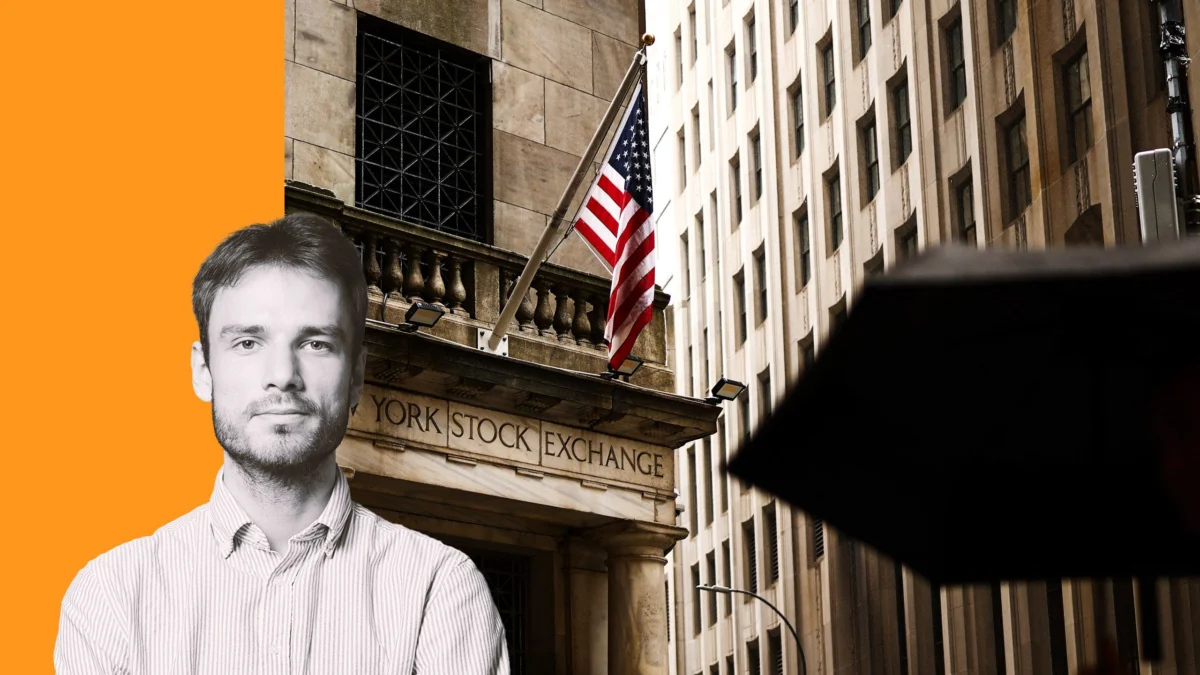
Ena Muazin
Frankfurt – The turbulent landscape of US technology stocks has claimed its first prominent casualties, with reports emerging of significant financial setbacks for a prominent hedge fund. CNBC has reported that Situational Awareness, a hedge fund founded by former OpenAI researcher Leopold Aschenbrenner, has liquidated its entire portfolio of publicly traded equities. This dramatic move signals substantial losses, underscoring the volatile nature of investments in the rapidly evolving artificial intelligence sector.
Deep Dive into the Losses
Situational Awareness, a fund managing assets exceeding $20 billion, has reportedly divested its stock holdings primarily through a single, large transaction with another major hedge fund. These positions, which constituted approximately two-thirds of Situational Awareness’s total assets, were largely comprised of miscalculated bets on chip stocks and software companies. The fund experienced considerable losses in recent weeks, stemming from adverse market movements in key sectors.
The core of the fund’s difficulties appears to lie in its investment strategy concerning Artificial Intelligence (AI) infrastructure. Specifically, investments in Korean chip manufacturer SK Hynix, a key player in AI hardware, have seen a dramatic decline in value. Concurrently, Aschenbrenner’s fund reportedly held significant short positions – bets on declining prices – in software companies such as Adobe. However, these software stocks have seen considerable gains, exacerbating the fund’s financial strain.
Chronology of Market Shifts and Fund Strategy
The recent market dynamics paint a clear picture of the challenges faced by Situational Awareness. In the early part of the year, chip stocks, including SK Hynix, experienced a meteoric rise. This surge was fueled by investor optimism surrounding the rapid proliferation of AI, with expectations of a sustained demand boom for the underlying hardware. From the end of March to mid-June, SK Hynix’s stock price more than tripled, reflecting this bullish sentiment.
However, this trajectory abruptly shifted. Doubts began to emerge regarding the long-term sustainability of this growth narrative. Investors started questioning the pace of AI adoption and its tangible impact on hardware demand. This shift in sentiment led to a sharp correction in chip stock prices, with SK Hynix experiencing a decline of nearly 50 percent from its peak. This downturn directly impacted Aschenbrenner’s fund, which had evidently invested heavily in these now-declining assets.
Simultaneously, the fund’s strategy of betting against software companies like Adobe proved detrimental. While the precise reasons for these short positions are not fully detailed, it is plausible that the fund anticipated a slowdown or correction in the software sector, perhaps in contrast to the perceived unbridled growth in AI hardware. However, the software sector, particularly companies integral to creative workflows and digital transformation, has demonstrated resilience and continued growth, further compounding the losses for Situational Awareness.
The Role of AI in Market Volatility
The events surrounding Situational Awareness are a stark illustration of the high stakes and inherent volatility within the AI investment landscape. The immense potential of AI has drawn significant capital, creating both unprecedented opportunities and substantial risks. The rapid development and deployment of AI technologies have led to swift shifts in market sentiment and performance across related sectors.
Companies like SK Hynix are crucial to the AI revolution, producing the advanced semiconductors that power complex AI models. Their stock performance is intrinsically linked to the pace of AI innovation, the demand for AI-powered applications, and the broader economic conditions influencing technology spending. When investor sentiment favors AI hardware, these stocks soar. Conversely, any perceived headwinds or reassessment of growth prospects can lead to sharp declines, as witnessed recently.
On the other hand, software companies like Adobe are also deeply intertwined with the AI narrative, albeit in different ways. While they may not be directly manufacturing the hardware, they are developing the software platforms, applications, and services that leverage AI capabilities. Investor confidence in these companies is often driven by their ability to integrate AI into their offerings, enhance user experiences, and create new revenue streams. A bet against such companies in a market increasingly focused on AI innovation can be a precarious strategy.
Background: Leopold Aschenbrenner and Situational Awareness
Leopold Aschenbrenner’s background adds a layer of intrigue to these developments. His previous role at OpenAI, the leading AI research laboratory, provided him with deep insights into the burgeoning field. This expertise likely informed his investment strategy, suggesting a sophisticated understanding of AI’s potential trajectory. However, even with such specialized knowledge, the unpredictable nature of financial markets and the rapid evolution of technology present formidable challenges.
Situational Awareness, as a hedge fund, operates with a mandate to generate high returns for its investors, often employing complex and aggressive investment strategies. These can include leverage, derivatives, and short-selling, all of which amplify both potential gains and losses. The decision to liquidate an entire public equity portfolio is a drastic measure, indicating that the losses incurred were substantial enough to warrant such a decisive action.
The fund’s substantial asset under management ($20 billion) means that its investment decisions have a considerable impact on market dynamics. The liquidation of such a large portfolio can itself influence stock prices, creating ripple effects across the market.
Potential Implications and Broader Market Impact
The significant losses experienced by Situational Awareness could have several implications for the broader investment landscape:
Increased Caution in AI Investments
This event may prompt a more cautious approach from investors and fund managers regarding AI-related stocks. While the long-term potential of AI remains immense, the recent volatility serves as a potent reminder of the inherent risks. Investors may become more discerning, focusing on companies with proven business models, sustainable growth strategies, and clear paths to profitability rather than solely on speculative potential.
Reassessment of Hedge Fund Strategies
The performance of hedge funds is closely scrutinized, and significant losses can impact investor confidence and capital allocation. This incident might lead other hedge funds to re-evaluate their exposure to high-growth, volatile sectors like AI and to diversify their strategies. The effectiveness of complex trading strategies in rapidly shifting markets will likely be a subject of intense review.
Impact on Chip and Software Sectors
The liquidation of a major player’s holdings could create temporary price dislocations in the affected stocks. While the market is generally resilient, a large sell-off can exert downward pressure. However, for fundamentally strong companies, such sell-offs can also present buying opportunities for other investors. The long-term impact will depend on the underlying performance of these companies and the broader economic and technological trends.
Scrutiny of AI Growth Narratives
The market’s reassessment of AI growth narratives, which led to the downturn in chip stocks, suggests that investors are moving beyond purely speculative excitement. There will likely be increased demand for concrete evidence of AI’s impact on revenue, profitability, and market share. Companies that can demonstrate tangible results will likely fare better than those relying solely on future potential.
Official Responses and Industry Reactions (Inferred)
While no direct official statements from Situational Awareness or Leopold Aschenbrenner have been publicly released regarding this specific event, the industry often responds to such significant market movements through various channels. Analysts from major financial institutions will undoubtedly be dissecting the situation, providing commentary on the implications for AI investments and hedge fund strategies. Regulatory bodies, while not directly involved in individual fund performance, monitor market stability and may take note of any systemic risks that emerge from such events.
The lack of immediate public comment from the fund itself is not unusual in such circumstances, as funds typically manage their investor communications privately. However, the reporting by reputable financial news outlets like CNBC suggests a degree of confirmation or at least strong reporting from sources close to the situation.
Conclusion: A Wake-Up Call for the AI Investment Boom
The substantial losses incurred by Situational Awareness serve as a significant wake-up call within the booming AI investment sector. While the promise of artificial intelligence continues to drive innovation and attract capital, this event underscores the critical importance of risk management, thorough due diligence, and a nuanced understanding of market dynamics. The volatile swings in both chip and software stocks highlight the interconnectedness of the technology ecosystem and the potential for rapid reversals in investor sentiment. As the AI revolution unfolds, investors and industry participants will be watching closely to see how these lessons shape future investment strategies and market behavior. The pursuit of AI-driven returns remains a compelling objective, but the path forward is likely to be paved with a more cautious and data-driven approach.