Ena Muazin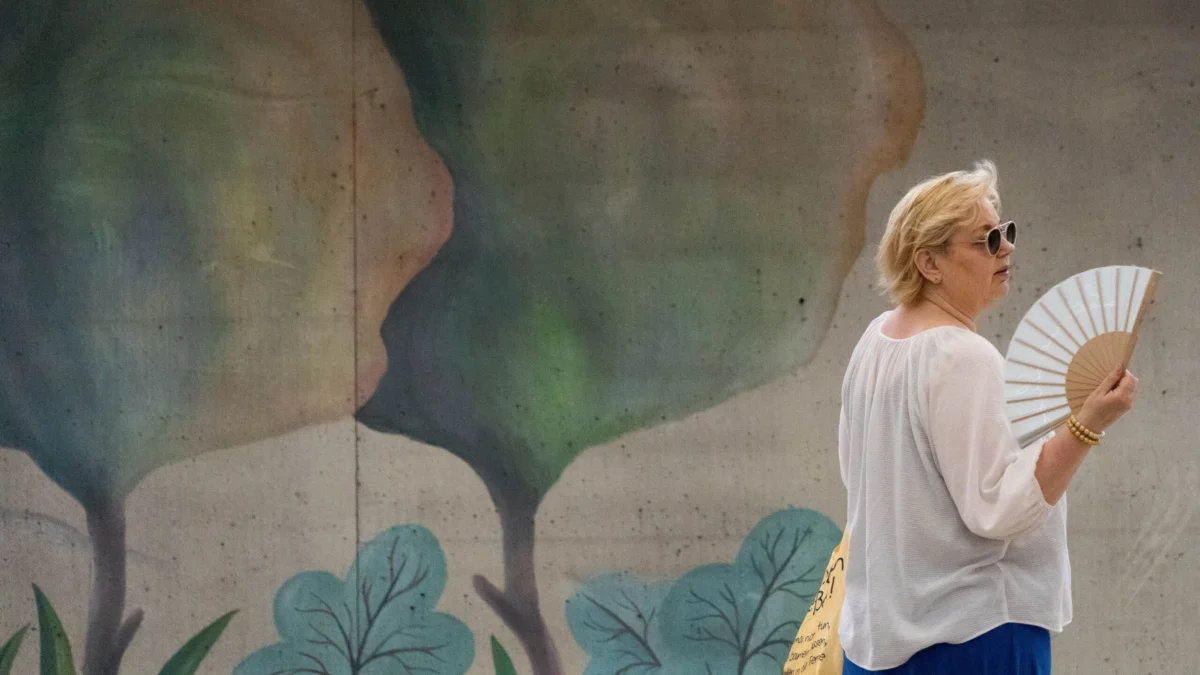
The recent extreme heatwave that gripped Germany in late June, pushing temperatures to a scorching 40 degrees Celsius, has starkly illuminated the nation’s vulnerability to rising global temperatures. This event, characterized by cracked autobahns and melted sealing compound beneath tram tracks, serves as a potent reminder that much of Germany’s existing infrastructure was not designed for such extreme climatic conditions. While record-breaking temperatures may not occur annually, the trend of increasingly hotter summers is undeniable, with the specter of the next heatwave already looming. This escalating climate challenge poses a significant threat not only to daily life and public health but also to the very fabric of the German economy.
The human cost of extreme heat is tragically evident. Preliminary estimates from the Robert Koch Institute indicate that over 6,800 people in Germany succumbed to heat-related illnesses by July 5th of this year alone. This figure underscores the critical need for proactive public health strategies and accessible cooling measures, particularly for vulnerable populations. The economic repercussions are equally profound. A calculation by the economic research firm Prognos, exclusively for Handelsblatt, reveals that the heatwave experienced in the last two weeks of June alone inflicted a staggering €6.32 billion in economic losses on Germany. This substantial figure highlights the multifaceted impact of climate change, extending far beyond immediate environmental concerns to directly affect national productivity and financial stability.
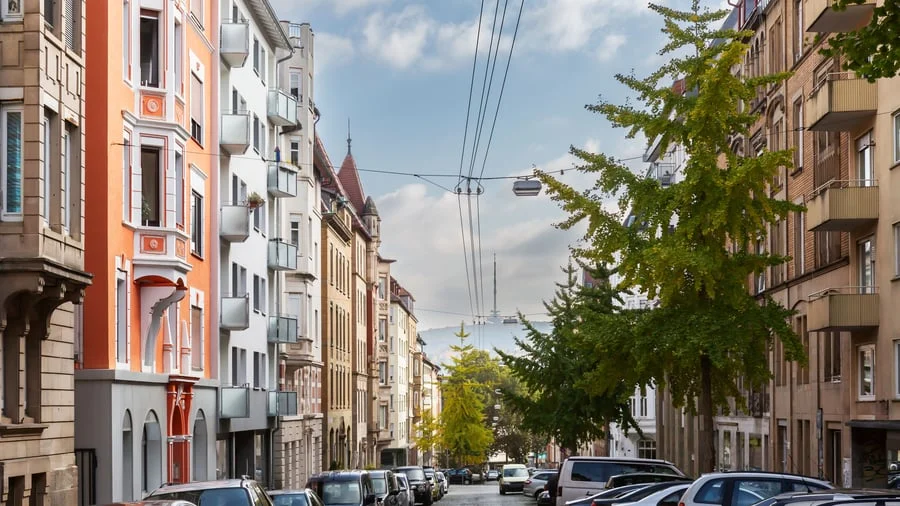
Urban centers, particularly in densely populated areas, are proving to be particularly susceptible to the escalating heat. The capital city, Berlin, along with metropolitan regions in western and southern Germany, such as the Rhein-Neckar and Oberrhein areas, are identified as hotspots for heat stress. This vulnerability is detailed in a recent heat stress index by the consulting firm Wüest Partner, which meticulously combines data on the long-term frequency of hot days with demographic and urban structural information. The findings suggest a pressing need for localized adaptation strategies that address the unique challenges faced by these urban environments.
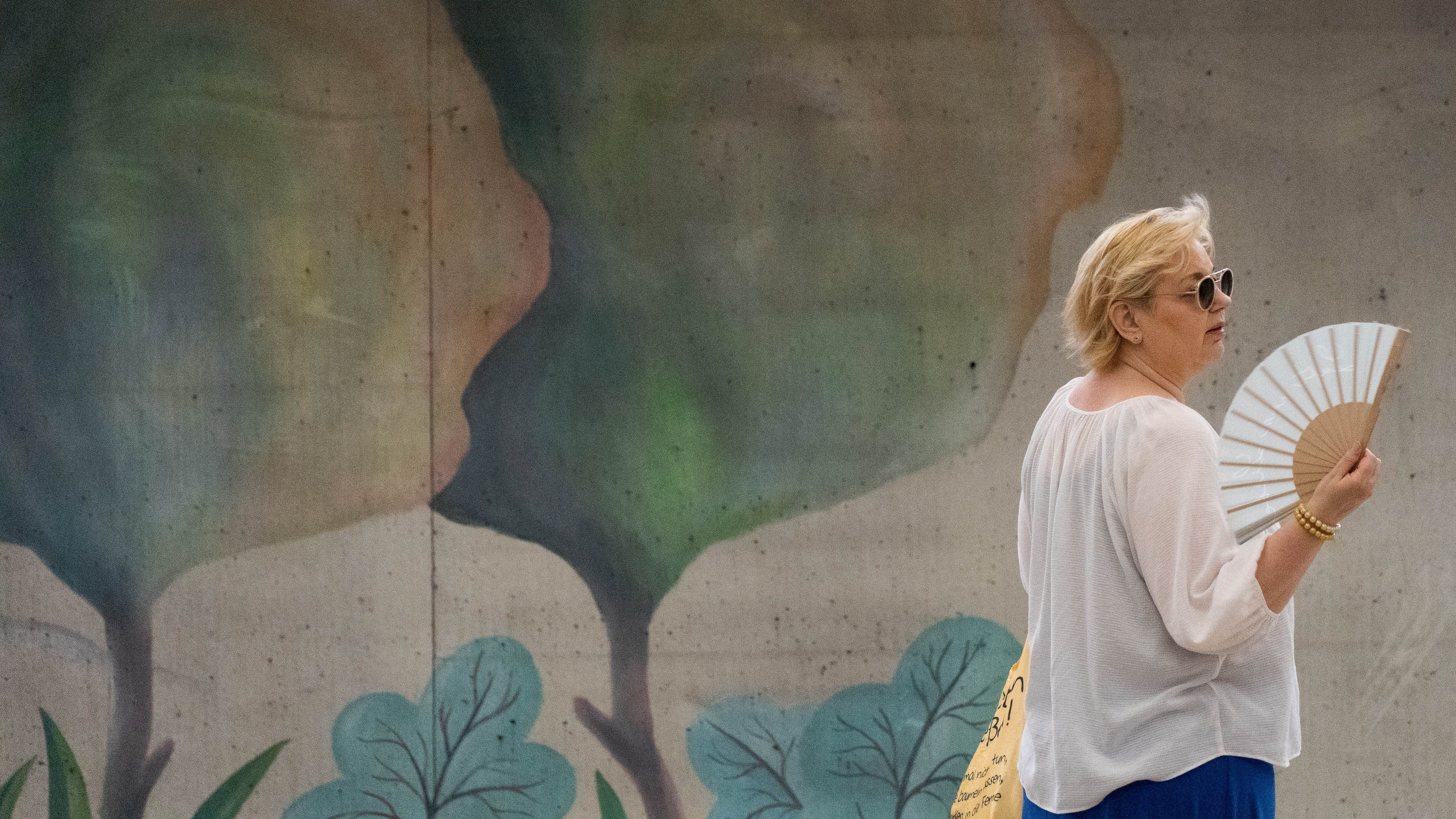
The overwhelming demand for mobile air conditioning units during the recent heatwave points to a widespread, albeit potentially short-sighted, response to immediate discomfort. Retailers reported sales surges of up to 250 percent, reflecting a desperate attempt to find solace from the oppressive heat. However, real estate expert René Husfeldt cautions against viewing air conditioning as a panacea. He argues that while these devices offer temporary relief indoors, they merely displace the problem by expelling heated air into the environment, contributing to the urban heat island effect. Furthermore, the increased energy consumption from millions of air conditioning units places immense strain on already burdened power grids during peak demand, a critical concern for energy infrastructure resilience.
Learning from Global Best Practices: Strategies for Urban Resilience
The escalating challenge of urban heat necessitates a paradigm shift towards more sustainable and integrated climate adaptation strategies. As Germany grapples with these issues, looking to regions with long-standing experience in managing high temperatures offers valuable insights.

Singapore: Pioneering Green Facades for Urban Cooling
Singapore, a city-state that has long contended with tropical heat, has been actively pursuing a vision of a "City in a Garden" since the 1960s. This ambitious strategy mandates the incorporation of greenery in a significant portion of new building constructions. Consequently, the urban landscape of Singapore is adorned with lush vegetation scaling its high-rises and gracing its rooftops. These "green facades" and cascading gardens not only provide much-needed shade but also actively contribute to cooling the ambient air. A 2022 study underscored the efficacy of this approach: while inland cities typically experience higher heat stress, Singapore’s densely built business district, characterized by a high concentration of "green-certified" buildings, exhibited less pronounced temperature increases compared to its outlying districts. This demonstrates a clear correlation between extensive urban greenery and mitigated heat island effects.
While Germany has seen individual "lighthouse projects" such as the Kölner Bogen II in Düsseldorf, which boasts an impressive eight kilometers of hornbeam hedges on its roof and facade, the widespread implementation of building greening mandates remains a distant prospect. The absence of a nationwide requirement for green building integration poses a significant hurdle to replicating Singapore’s success on a larger scale.
Beyond building integration, urban greening also plays a vital role in mitigating heat at the street level. Hannover, for instance, is piloting a "Tiny Forest" in a particularly heat-stressed neighborhood. This initiative, situated on a 1,500-square-meter plot, employs a Japanese planting method designed to cultivate a dense, biodiverse forest within 25 to 30 years, even on small urban plots. Such projects, while localized, offer promising models for enhancing urban microclimates and increasing green space accessibility.

Seville, Spain: Harnessing Subterranean Cooling
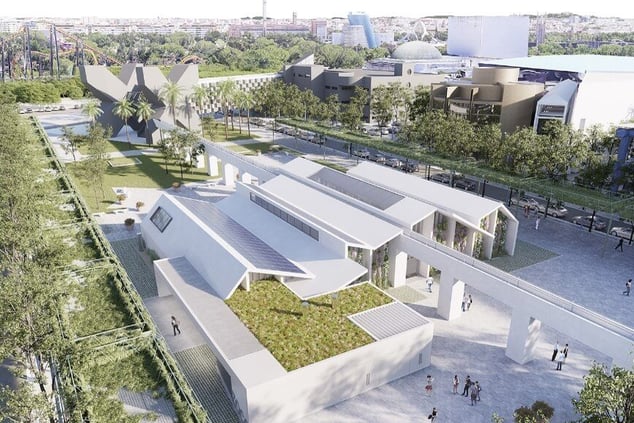
The Spanish metropolis of Seville, no stranger to heatwaves with temperatures frequently exceeding 40 degrees Celsius, offers a compelling example of innovative cooling strategies rooted in ancient wisdom. The Isla Cartuja district has transformed into a "cool oasis" through a millennia-old water-based concept. The centerpiece is the Agora, a semi-open structure spanning 750 square meters, designed to provide respite from the summer sun. Its pale roof and surrounding vegetation deflect direct sunlight, while subterranean water reservoirs, inspired by the ancient Persian "Qanat" irrigation system, play a crucial role in its cooling mechanism.
During the day, ambient air is channeled through underground conduits, where it cools down before entering the Agora. This process is augmented by ceiling modules, fed by water from the Qanats, which draw heat away from the occupied space. The effectiveness of this system is remarkable: studies indicate that temperatures within the Agora remain up to ten degrees Celsius cooler than the surrounding environment on hot days.
Singapore has also embraced water-based cooling, implementing an underground district cooling system in several of its neighborhoods. Unlike the hot water used in Germany’s district heating systems, Singapore’s network circulates cold water, which then cools buildings via heat exchangers. While installation costs are considerable, these systems are significantly more energy-efficient than conventional air conditioning and crucially, do not contribute to urban heat buildup through waste heat. Homeowners with geothermal heat pumps can leverage a similar principle for passive cooling, a cost-effective method for reducing indoor temperatures.
France: Proactive Protection for Vulnerable Populations
France’s response to climate change has been significantly shaped by the devastating heatwave of 2003, which resulted in a tragic loss of life. In its wake, the nation developed a comprehensive national heat protection strategy, with a particular focus on safeguarding at-risk groups. The French government has recently expanded this initiative through a new civil defense plan.
During periods of the highest heat alert, public buildings are converted into cooling centers, offering a refuge for vulnerable individuals, including the elderly and homeless. These air-conditioned spaces are designed to accommodate people for several hours, and in some cases, overnight. Furthermore, municipalities maintain registries of at-risk individuals. Social workers, volunteers, and community staff proactively contact registered individuals during heatwaves, providing information on available assistance and checking on their well-being.
Historically, voluntary registration has led to gaps in these registries. However, the updated plan aims to streamline this process, automatically registering individuals receiving care services unless they explicitly opt out. This move aims to create a more robust safety net for those most susceptible to the dangers of extreme heat.

The Path Forward: A Multi-pronged Approach to Heat Resilience
The examples from Singapore, Spain, and France collectively underscore a vital message: effective heat adaptation requires a multifaceted approach that integrates urban planning, technological innovation, and robust social support systems. No single solution can adequately address the complex challenges posed by a warming climate.
The German context presents a landscape of emerging innovative solutions. However, experts like Astrid Ziemann, a researcher in urban climatology at the Technical University of Dresden, point to bureaucratic hurdles and a lack of coordinated effort as significant impediments to their widespread implementation. She notes that even relatively straightforward measures can become complicated due to varying priorities across different municipal departments.
A truly resilient urban environment demands a synergistic strategy encompassing three key pillars:

- Mitigating Heat Generation: This involves redesigning urban structures to minimize heat absorption and retention. Strategies include increasing green spaces, utilizing reflective surfaces, and promoting building designs that enhance natural ventilation.
- Efficient Cooling Technologies: This pillar focuses on adopting and developing cooling technologies that are energy-efficient and do not exacerbate the urban heat island effect. This includes exploring advanced passive cooling systems, district cooling networks, and smart grid integration to manage energy demand effectively.
- Strengthening Social Safety Nets: This crucial aspect involves ensuring that vulnerable populations are identified, supported, and protected during heatwaves. This includes proactive outreach programs, accessible cooling centers, and community-based support networks.
The recent heatwave has served as a stark warning, but also as a catalyst for re-evaluating Germany’s preparedness for a hotter future. By learning from international best practices and fostering greater collaboration between scientific research, urban planning, and policy-making, Germany can build more resilient cities and safeguard its population from the escalating impacts of climate change. The next heatwave is not a question of if, but when, and proactive, integrated action is essential.