Lina Wu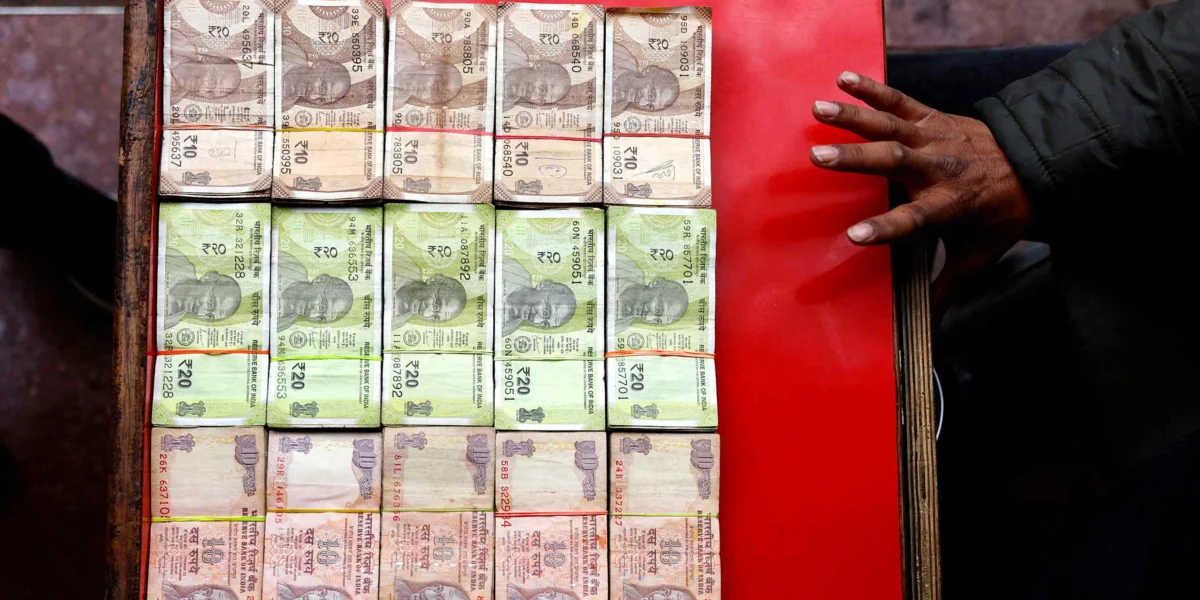
MUMBAI — The Indian rupee, which has been one of Asia’s most vulnerable currencies, is anticipated to find a footing following a series of decisive measures enacted by the Reserve Bank of India (RBI) aimed at providing sustained structural support. However, the currency’s trajectory in the ensuing months will be intrinsically linked to the volatile global oil market, a critical factor that could either bolster or undermine these stabilization efforts.
A Period of Weakness and the RBI’s Response
In the preceding months, the Indian rupee had experienced a significant depreciation, reflecting a confluence of global economic headwinds and domestic pressures. As a net importer of crude oil, India’s economy is particularly sensitive to fluctuations in international energy prices. A sustained surge in oil prices directly impacts the country’s import bill, widening the current account deficit and exerting downward pressure on the rupee. This had been a recurring theme in the period leading up to the RBI’s recent interventions, with the rupee testing several psychological and technical support levels against the US dollar.
The severity of the rupee’s decline had become a growing concern for policymakers and businesses alike. A weaker rupee inflates the cost of imported goods, including essential commodities, contributing to inflationary pressures. For companies with significant foreign currency debt obligations, a depreciating rupee translates into higher repayment costs, potentially impacting profitability and investment decisions. Furthermore, a volatile currency can deter foreign portfolio investment, as it introduces an element of exchange rate risk that investors seek to avoid.
Recognizing these challenges, the Reserve Bank of India, in a proactive move announced in June, unveiled a comprehensive package of measures designed to arrest the rupee’s slide and foster greater stability. These interventions were not merely reactive but aimed at addressing some of the underlying structural vulnerabilities that had contributed to the currency’s weakness.
Key Intervention Measures and Their Rationale
Among the most significant initiatives was the introduction of hedging incentives for banks. This policy aims to encourage financial institutions to attract more foreign currency deposits from Non-Resident Indians (NRIs). By offering more attractive terms and reduced regulatory hurdles for hedging these deposits, the RBI sought to incentivize NRIs to channel their savings into Indian banks. This, in turn, is expected to boost the inflow of foreign exchange, thereby increasing the supply of dollars in the domestic market and providing a natural counterweight to the rupee’s depreciation.
The rationale behind targeting NRI deposits is multi-faceted. Historically, NRIs have been a significant source of foreign currency inflows for India, especially during periods of economic uncertainty. Their remittances and investments play a crucial role in financing the country’s current account deficit. By making it more appealing for them to deposit their funds in India, the RBI aimed to tap into this reliable source of foreign exchange, creating a more stable and predictable channel of inflows.
Furthermore, the RBI’s intervention package likely encompassed other measures, though not explicitly detailed in the initial report. These could include:
- Direct Intervention in Foreign Exchange Markets: The central bank may have engaged in direct buying of rupees and selling of dollars in the spot and forward markets to manage excessive volatility. Such interventions, when conducted judiciously, can help to smooth out sharp price movements and signal the central bank’s commitment to maintaining currency stability.
- Liquidity Management: Adjustments to domestic liquidity conditions can also influence the rupee. By managing the availability of credit and money supply, the RBI can indirectly impact the demand for foreign currency and, consequently, the exchange rate.
- Policy Signaling: The RBI’s communication and policy pronouncements play a vital role in shaping market expectations. By clearly articulating its stance and the rationale behind its actions, the central bank aims to instill confidence among investors and market participants, reducing speculative pressures.
The Shadow of Oil Prices: A Lingering Uncertainty
Despite the RBI’s concerted efforts, the fate of the rupee remains inextricably tied to the trajectory of global crude oil prices. India’s dependence on imported oil is a perennial challenge, with approximately 85% of its crude oil requirements met through imports. This makes the country highly susceptible to price shocks in the international energy markets.
Supporting Data on India’s Oil Imports:
- Annual Oil Import Bill: In recent years, India’s annual crude oil import bill has fluctuated significantly, often exceeding $100 billion. A sustained increase in crude oil prices by even $10 a barrel can add billions of dollars to this import bill.
- Contribution to Current Account Deficit: The oil import bill is typically the largest component of India’s current account deficit. In periods of high oil prices, this deficit can widen substantially, putting immense pressure on the rupee. For instance, during periods of elevated crude oil prices in recent years, the current account deficit has, at times, exceeded 2-3% of GDP.
- Dependence on OPEC+: A significant portion of India’s oil imports comes from the Organization of the Petroleum Exporting Countries and its allies (OPEC+). Decisions made by this group regarding production cuts or increases have a direct and immediate impact on global oil prices.
The current geopolitical landscape, characterized by ongoing supply-side concerns, potential production disruptions, and shifting demand dynamics, continues to cast a shadow over oil prices. Any escalation of tensions in major oil-producing regions or significant policy shifts by OPEC+ could trigger a fresh surge in crude prices, thereby nullifying the positive impact of the RBI’s interventions.
Broader Implications for the Indian Economy
The stability of the rupee has far-reaching implications for various sectors of the Indian economy.
- Inflationary Pressures: A depreciating rupee directly contributes to imported inflation. Higher prices for imported fuel, machinery, and raw materials translate into increased production costs for domestic businesses, which are often passed on to consumers. Conversely, a stable or appreciating rupee helps to curb imported inflation.
- Trade Balance: The rupee’s value significantly impacts India’s trade balance. A weaker rupee makes Indian exports cheaper for foreign buyers, potentially boosting export volumes. However, it also makes imports more expensive. The net effect on the trade balance depends on the relative price elasticities of exports and imports.
- Foreign Investment: Currency stability is a key factor for attracting foreign direct investment (FDI) and foreign portfolio investment (FPI). Investors are more likely to commit capital to an economy where the value of their investments is not eroded by significant currency depreciation. The RBI’s efforts to stabilize the rupee are therefore crucial for maintaining investor confidence.
- Corporate Earnings: Companies with significant foreign currency exposures, whether through imports, exports, or foreign currency debt, are directly impacted by rupee fluctuations. A stable rupee provides a more predictable operating environment, allowing businesses to plan more effectively and improve their financial performance.
- Government Finances: A weaker rupee can increase the cost of servicing external debt for the government. It also impacts the fiscal deficit if subsidies on imported goods like fertilizers and petroleum products need to be maintained at existing levels.
Expert Reactions and Market Sentiment
Market participants and economic analysts have largely welcomed the RBI’s proactive approach. The measures announced in June are seen as a positive step towards addressing the structural vulnerabilities that have plagued the rupee.
Inferred Reactions:
- Banks: Financial institutions are likely to view the hedging incentives favorably, as it provides a clearer path to attracting and managing NRI deposits. This could lead to increased competition for these deposits and potentially better rates for depositors.
- Exporters: Indian exporters, who have been grappling with the challenges of a volatile currency, may see a period of stabilization as an opportunity to enhance their competitiveness and secure more predictable revenue streams.
- Importers: Businesses that rely heavily on imports will likely welcome the prospect of a stable rupee, which would help to mitigate cost uncertainties and improve planning.
- Economists: Many economists believe that the RBI’s intervention, coupled with prudent fiscal management and structural reforms, could pave the way for sustained economic growth. However, they also emphasize the need for vigilance regarding external factors, particularly oil prices.
A prominent economist, speaking on condition of anonymity, commented, "The RBI’s comprehensive approach is commendable. By addressing both immediate pressures and underlying structural issues, they are building a more robust framework for currency stability. The key now is the sustained execution of these policies and a watchful eye on global macro trends."
The Path Forward: A Balancing Act
The coming months will be a crucial test for the effectiveness of the RBI’s strategy. The bank’s commitment to providing structural support is evident, but the external environment, dominated by the unpredictable nature of global oil markets, presents a significant challenge.
The RBI’s ability to navigate these complexities will depend on its continued adeptness in managing liquidity, intervening strategically in currency markets, and communicating its policy intentions clearly to market participants. Furthermore, the government’s commitment to fiscal consolidation and structural reforms will play an equally important role in bolstering investor confidence and supporting the rupee’s long-term stability.
In conclusion, while the Indian rupee has shown signs of stabilizing following the RBI’s decisive interventions, its ultimate performance will be a delicate balancing act, heavily influenced by the volatile dynamics of global oil prices. The success of these measures will not only be judged by the immediate impact on the exchange rate but also by their contribution to broader economic stability and sustained growth.