Lina Wu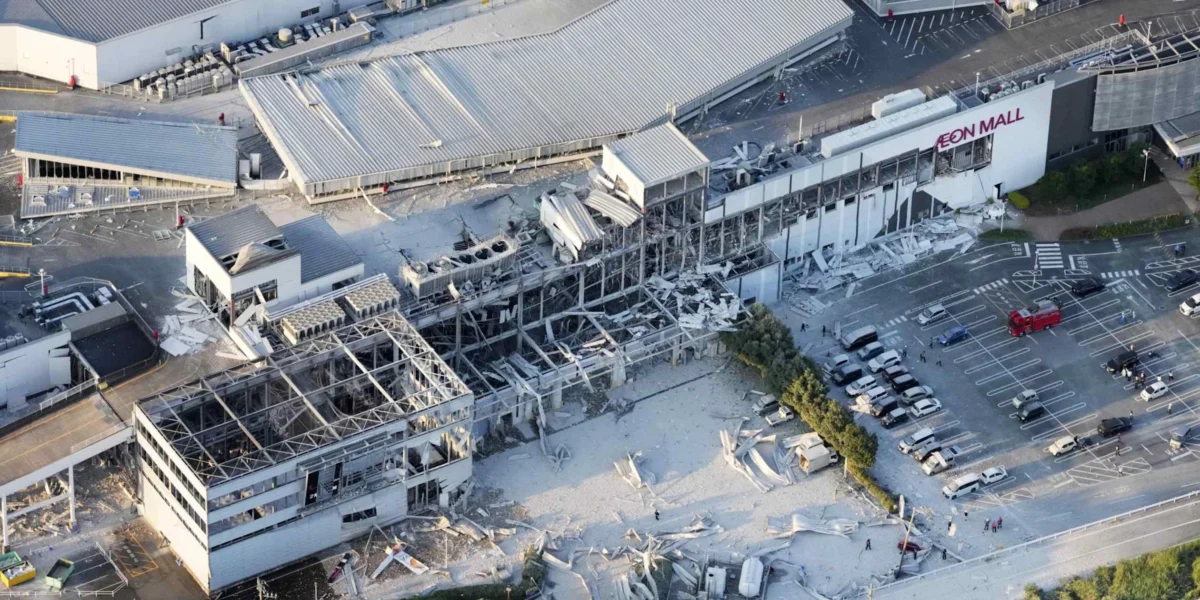
A powerful magnitude 7.1 earthquake jolted Japan’s southwestern prefecture of Kumamoto on Tuesday afternoon, unleashing widespread devastation, causing significant structural damage, triggering multiple fires, and leaving thousands without power. Authorities have expressed grave concerns that numerous individuals may be trapped within a collapsed shopping mall, a stark reminder of the region’s vulnerability to seismic activity. The tremor, which struck at a shallow depth of 10 kilometers, registered as a severe 7 on Japan’s unique seismic intensity scale, indicating extreme shaking at the epicenter. This level of intensity is capable of toppling buildings with inadequate seismic resistance, a concern that has been amplified by the memory of a devastating earthquake in the same region in 2016.
Chronology of a Catastrophe
The seismic event commenced at approximately 4:35 p.m. JST on July 28, 2026. The initial powerful jolt was swiftly followed by a relentless barrage of aftershocks, some reaching magnitudes as high as 4.5, further unsettling the already precarious landscape. Within minutes of the main shock, at 4:40 p.m., Aso Kumamoto Airport was forced to close its runway, grounding all domestic and international flights. At approximately 5:00 p.m., reports began to emerge of a significant incident at an Aeon Mall shopping center in Kumamoto. Explosions were heard, and the Fire and Disaster Management Agency confirmed that a portion of the building’s second floor had collapsed. Eyewitness accounts and initial emergency response assessments indicated that a considerable number of shoppers could be trapped within the compromised structure, prompting an urgent and large-scale rescue operation.
By 6:00 p.m., the Japan Meteorological Agency, which had initially issued a tsunami warning for the Ariake and Yatsushiro seas due to the earthquake’s proximity to the coast, lifted the alert as the immediate threat subsided. However, the terrestrial impact continued to unfold. Kyushu Electric Power Transmission & Distribution reported that as of 6:10 p.m., a staggering 48,040 households across the prefecture were experiencing power outages, highlighting the extensive damage to the region’s vital infrastructure. Railway operator JR Kyushu announced a complete suspension of all services, encompassing both the high-speed Shinkansen bullet trains and local routes, effectively isolating many communities.
Widespread Damage and Disruption
The earthquake’s impact extended far beyond the immediate vicinity of the epicenter, affecting critical industrial hubs and cultural landmarks. The city of Kikuyo, home to Taiwan Semiconductor Manufacturing Co.’s (TSMC) significant production facility, registered a seismic intensity of 5. In response to the heightened seismic activity, TSMC, known for its rigorous safety protocols, promptly evacuated personnel from its JASM fab. A spokesperson for TSMC stated, "The intensity recorded at TSMC’s JASM fab located in Kumamoto, Japan, reached the required level for evacuation. As personnel safety is our top priority, the site promptly evacuated personnel as a precaution." This precautionary measure underscores the earthquake’s severity and its potential to disrupt global supply chains.
Similarly, major corporations like Sony Group and Fujifilm also initiated evacuations at their respective plants in Kikuyo, prioritizing the safety of their workforce. The seismic tremors also inflicted damage on historical sites, with Kyodo News reporting the partial collapse of a stone wall at Kumamoto Castle, a beloved tourist attraction. Fortunately, no visitors were reported injured, and all were safely evacuated from the premises.
Visual evidence from the disaster zone depicted scenes of widespread destruction. Television footage captured buildings engulfed in flames in various locations, and gaping cracks snaked across roadways, testament to the earth’s violent convulsion. The derailment of a freight train further illustrated the chaotic aftermath of the earthquake, disrupting crucial transportation networks.
Official Response and Public Advisory
In Tokyo, Prime Minister Sanae Takaichi convened an emergency government team to assess the unfolding crisis and coordinate disaster response efforts. Addressing reporters, she conveyed the gravity of the situation, stating, "We already hear that there are injuries, and there are power outages and fires in some areas. Please take precautions, as there is a possibility of earthquakes of similar scale for about a week." The Prime Minister urged residents to remain vigilant, stay away from the coast, and prepare for the possibility of further seismic events.
Chief Cabinet Secretary Minoru Kihara provided reassurance regarding the safety of nuclear power facilities in the affected region, confirming that they were not impacted by the earthquake. This was a critical piece of information, given the heightened concerns surrounding nuclear safety in the wake of such powerful tremors.
A Region Scarred by Seismic Memory
Kumamoto prefecture holds a painful collective memory of seismic devastation. In 2016, a series of powerful earthquakes struck the region, resulting in nearly 300 fatalities and causing catastrophic damage to infrastructure, leaving deep scars on the landscape and the community. The recurrence of such a significant seismic event inevitably reignites anxieties and highlights the persistent need for robust disaster preparedness and resilient infrastructure in earthquake-prone zones.
Broader Implications and Future Preparedness
The magnitude 7.1 earthquake in Kumamoto serves as a stark reminder of Japan’s inherent seismic vulnerability. The disruption to major industries, including semiconductor manufacturing, has the potential for ripple effects on global supply chains, particularly in the technology sector. The evacuation of TSMC’s facility, a crucial player in the global chip market, underscores the interconnectedness of modern economies and the far-reaching consequences of natural disasters.
The extensive power outages and damage to transportation networks will necessitate a significant and sustained recovery effort. The immediate focus remains on search and rescue operations at the collapsed Aeon Mall and providing essential aid to affected communities. However, the long-term implications will involve rebuilding damaged infrastructure, strengthening seismic resilience measures, and reinforcing emergency response capabilities.
The proactive evacuation measures taken by corporations like TSMC, Sony, and Fujifilm demonstrate a growing awareness and commitment to personnel safety in the face of natural disasters. This emphasis on preparedness, coupled with the government’s swift response, will be crucial in mitigating future risks and ensuring the resilience of the region. The ongoing monitoring of seismic activity and the public advisories issued by the Japan Meteorological Agency are vital components of managing the immediate aftermath and preparing for potential aftershocks. The experiences of the 2016 Kumamoto earthquakes continue to inform and shape the region’s approach to disaster preparedness, a lesson learned at a profound human cost. The current event will undoubtedly add further data and urgency to these ongoing efforts, reinforcing the imperative for continuous investment in seismic safety and disaster mitigation strategies across Japan and in other seismically active regions worldwide. The coming days and weeks will be critical in assessing the full extent of the damage and initiating the long road to recovery for Kumamoto.