Ena Muazin
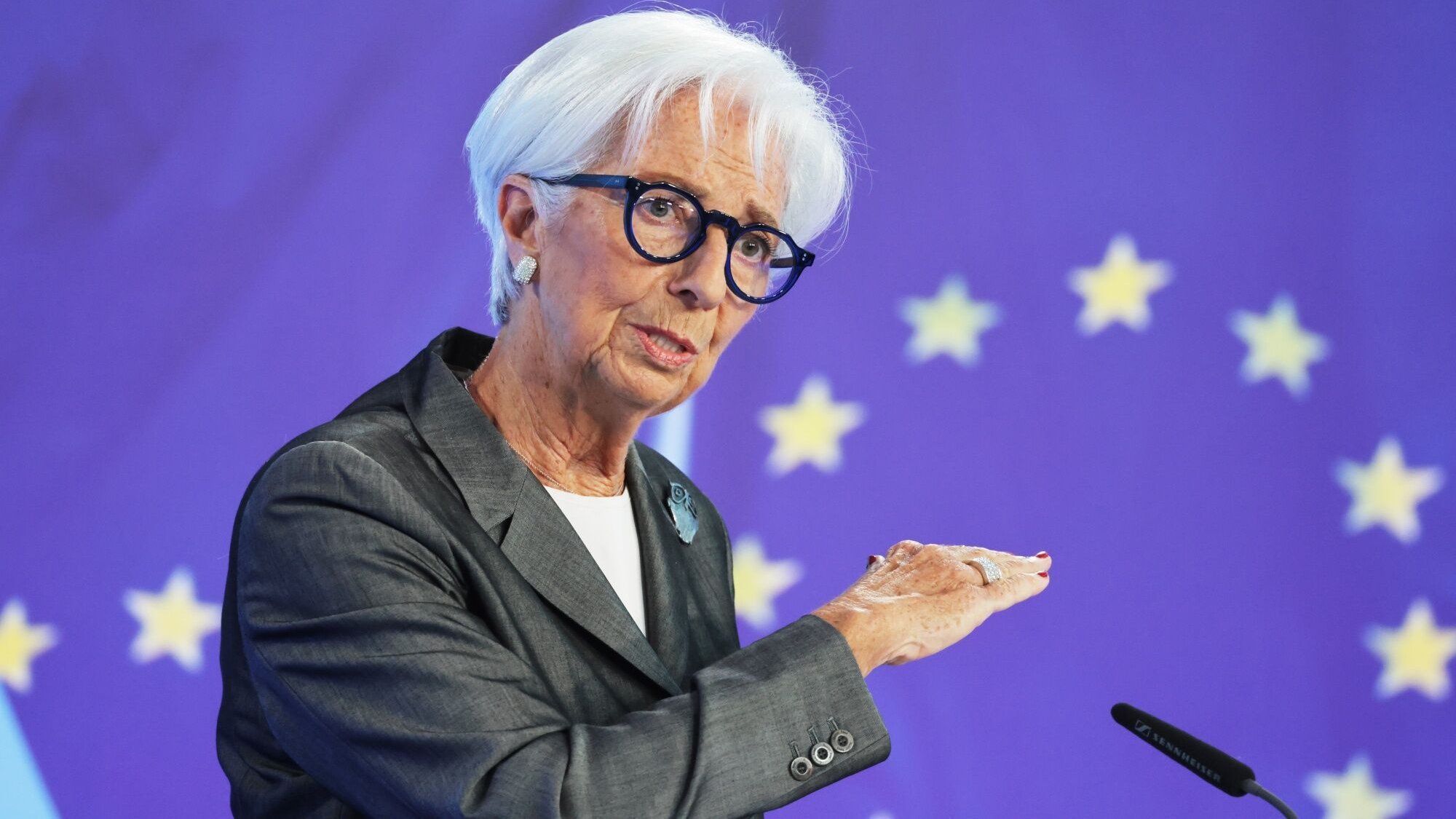
A proposal by the European Central Bank (ECB) to increase the amount of unremunerated mandatory reserves held by commercial banks is facing significant pushback within the ECB’s Governing Council, potentially saving the Eurozone’s central banks billions in interest costs but creating substantial financial strain for commercial lenders. While ECB President Christine Lagarde confirmed deliberations on the matter, dissent from key figures like Pierre Wunsch, the governor of Belgium’s central bank, and other unnamed insiders suggests the proposal is far from a done deal. This internal friction highlights a fundamental disagreement on how to best manage liquidity and interest expenses within the Eurosystem.
The core of the proposal revolves around adjusting the minimum reserve requirements for banks operating within the Eurozone. Currently, banks are mandated to hold a certain percentage of their liabilities as reserves with their national central banks. A portion of these reserves is unremunerated, meaning the ECB does not pay interest on it. The proposed increase would significantly expand this unremunerated portion, effectively forcing banks to lend a larger sum of money to the central bank without earning any return.
Background: The ECB’s Financial Landscape and Reserve Requirements
For years, the ECB has been navigating a complex financial environment characterized by historically low and, at times, negative interest rates. This has significantly impacted the profitability of commercial banks, which rely on interest income from lending and deposits. Simultaneously, the ECB itself has faced increasing interest expenses as it began to remunerate reserves held by commercial banks in response to the negative interest rate policy.
The concept of minimum reserves has long been a tool of monetary policy, influencing credit creation and liquidity within the banking system. Traditionally, these reserves were a significant source of non-interest-bearing funding for central banks. However, as interest rates rose and the ECB’s balance sheet expanded due to various quantitative easing programs, the cost of remunerating these reserves became a considerable budgetary item for the central bank.
The current proposal is seen by its proponents as a way to reclaim some of the interest expenses incurred by the ECB and national central banks. By increasing the unremunerated portion of reserves, the ECB could effectively generate income from these funds, offsetting some of its own financing costs. For instance, if banks are required to hold an additional €100 billion in unremunerated reserves, and the ECB’s policy rate is around 4%, this could translate to billions of euros in savings annually for the Eurosystem.
The Proposal and its Potential Impact on Banks
The proposed increase in unremunerated reserves is not a minor adjustment. For commercial banks, it represents a significant increase in their cost of funding. Banks would be compelled to hold more of their liquid assets in non-interest-bearing accounts at their national central banks, rather than investing them in higher-yielding assets or using them for lending. This could have several cascading effects:
- Reduced Profitability: The direct impact would be a reduction in net interest income for banks. With a larger portion of their liabilities locked up without earning any return, their profit margins would likely shrink.
- Altered Lending Strategies: To compensate for the reduced profitability, banks might be forced to adjust their lending strategies. This could involve increasing interest rates on loans to customers, potentially making credit more expensive and hindering economic activity. Alternatively, they might reduce lending altogether, impacting credit availability for businesses and consumers.
- Increased Capital Requirements: In some cases, a significant shift in the composition of a bank’s assets and liabilities could necessitate adjustments to their capital requirements, adding further regulatory burdens.
- Competitive Disadvantage: Banks operating in countries with a higher proportion of unremunerated reserves might face a competitive disadvantage compared to those in jurisdictions with more favorable reserve requirements.
Internal Dissent and Alternative Solutions
Despite the potential financial benefits for the central banking system, the proposal has ignited significant internal debate. Pierre Wunsch, the governor of the National Bank of Belgium, has been an outspoken critic. His objections, as reported by Handelsblatt, highlight concerns about the impact on the banking sector. Wunsch’s stance suggests that the burden placed on commercial banks might be too onerous and could have unintended consequences for financial stability and the transmission of monetary policy.
Sources close to the ECB’s Governing Council indicate that Wunsch is not alone in his skepticism. This internal division points to a broader disagreement on the optimal balance between central bank cost management and the financial health of the commercial banking sector. The Governing Council, comprising the six members of the ECB’s Executive Board and the governors of the national central banks of the Eurozone member states, operates by consensus. If significant opposition exists, the proposal could be stalled or significantly altered.

The resistance suggests that alternative solutions are being considered to achieve the ECB’s objectives without imposing such a heavy burden on banks. These could include:
- Phased Implementation: A gradual increase in unremunerated reserves, allowing banks more time to adapt their balance sheets and strategies.
- Tiered Reserve System: Introducing different remuneration rates for various tiers of reserves, perhaps exempting a certain amount for smaller banks or those with specific lending mandates.
- Focus on Other Cost-Saving Measures: Exploring other avenues for reducing the ECB’s interest expenses, such as optimizing its asset portfolio or adjusting its operational frameworks.
- Direct Subsidies or Support Mechanisms: While less likely, direct support for commercial banks facing significant cost increases could be debated, though this would represent a departure from traditional monetary policy tools.
Timeline and Deliberations
The discussions surrounding the potential increase in unremunerated reserves are understood to have been ongoing for some time. Christine Lagarde’s confirmation of "deliberations" on Thursday suggests that the issue has reached a more concrete stage of discussion within the Governing Council. However, the absence of a firm decision indicates that the debate is far from settled.

The ECB typically announces significant policy changes following its scheduled monetary policy meetings. The next such meeting will be a crucial indicator of whether this proposal will move forward. The Governing Council’s deliberations are often complex, involving extensive economic analysis and forecasting, as well as political considerations among member states.
Broader Implications for the Eurozone Economy
The outcome of this debate has significant implications beyond the balance sheets of the ECB and commercial banks. A decision to significantly increase unremunerated reserves could:

- Influence Inflation: If banks pass on increased funding costs to consumers and businesses through higher loan rates, this could exert deflationary pressure on the economy, potentially complicating the ECB’s efforts to manage inflation.
- Impact Investment and Growth: Higher borrowing costs could dampen investment and consumer spending, slowing down economic growth across the Eurozone.
- Shape Future Monetary Policy Tools: The way this issue is resolved could set a precedent for how the ECB manages its finances and interacts with the banking sector in the future, particularly in an environment of rising interest rates.
- Test Governing Council Cohesion: The visible dissent on such a fundamental issue could reveal underlying tensions within the Governing Council and impact its ability to present a unified front on monetary policy.
The ECB’s decision on minimum reserve requirements represents a delicate balancing act. While the potential to save billions in interest costs is attractive, the risk of alienating and financially burdening the commercial banks that are crucial for the transmission of monetary policy and the smooth functioning of the economy cannot be ignored. The ongoing resistance signals that a consensus-driven solution, likely involving compromise and potentially alternative strategies, will be necessary for any such policy to be implemented effectively. The coming weeks and months will be critical in determining the future of this contentious proposal and its ripple effects across the Eurozone’s financial landscape.