Ena Muazin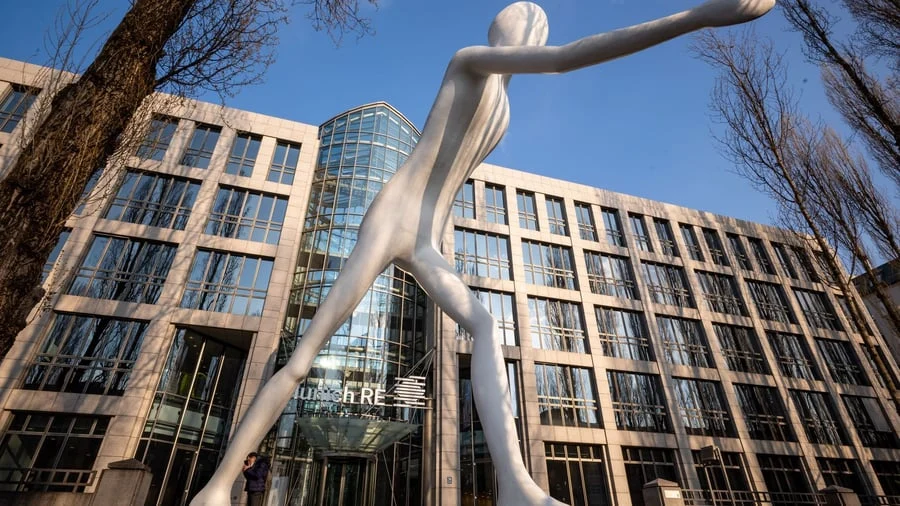
Munich, Germany – Munich Re, the world’s largest reinsurer, has delivered a surprisingly strong second-quarter financial performance, significantly exceeding analyst expectations. The global powerhouse in risk management reported preliminary net profits of €2.2 billion, a notable increase from the €2.1 billion recorded in the same period last year. This robust performance is primarily attributed to a remarkably low incidence of major natural and man-made catastrophes, coupled with positive contributions from its financial investment portfolio. The Dax-listed company announced these figures on Friday from its headquarters in Munich.
Financial Performance Outstrips Market Projections
The reported €2.2 billion profit for the second quarter represents a significant beat against the consensus forecast of analysts, who had collectively predicted a profit closer to €1.8 billion. This substantial outperformance signals a healthy operational execution and a favorable external environment for the reinsurer. The company’s Chief Executive Officer, Christoph Jurecka, expressed confidence in the group’s trajectory, stating that Munich Re is "on a very good path" to achieving its full-year profit target of €6.3 billion. This ambitious goal remains firmly within reach, buoyed by the strong performance in the first half of the year.
First Half of the Year Shows Significant Profit Growth
Looking at the first half of the year combined, Munich Re has already amassed an impressive net profit of €3.9 billion. This figure represents a substantial leap of nearly 22% compared to the first half of 2025. Interestingly, even in the prior year, Munich Re had benefited from a lower-than-expected burden of major claims, suggesting a recurring pattern of favorable risk environments for the company. This sustained positive trend highlights Munich Re’s resilience and its ability to capitalize on periods of reduced catastrophic events.
The Impact of a Calm Catastrophe Landscape
The primary driver behind this exceptional profitability in the second quarter, beyond the inherent strength of its ongoing business operations, has been the conspicuous absence of significant natural and man-made disasters. The "burden of major claims" – a critical metric for reinsurers – remained exceptionally low during the first six months of the year. This assessment was formally communicated to the financial market in a regulatory filing. For a sector that constantly manages and hedges against the financial fallout of large-scale events like hurricanes, earthquakes, floods, and major industrial accidents, such a period of relative calm is a significant boon.
Understanding the Role of Reinsurance
To fully appreciate Munich Re’s performance, it’s crucial to understand the role of reinsurance. Primary insurers, who directly underwrite policies for individuals and businesses, often transfer a portion of their risk to reinsurers like Munich Re. This practice, known as reinsurance, allows primary insurers to manage their capital, expand their underwriting capacity, and protect themselves against the financial impact of exceptionally large or numerous claims. Munich Re, as a global leader, operates across various lines of business, including property and casualty, life and health, and specialty risks. Its profitability is thus a barometer for the overall health and stability of the global insurance industry and the risk landscape it navigates.
Historical Context of Catastrophe Losses
The insurance industry is intrinsically linked to the frequency and severity of catastrophic events. Historically, periods of heightened natural disasters have posed significant challenges to reinsurers, sometimes leading to substantial financial losses and even impacting the solvency of some firms. The early 2000s, for instance, saw a surge in major events, including the September 11th terrorist attacks, followed by a series of powerful hurricanes in the mid-2000s. More recently, events like Hurricane Katrina in 2005, Superstorm Sandy in 2012, and the ongoing challenges posed by climate change-related weather patterns have kept the industry vigilant.
The current period of reduced major claims, while beneficial for profitability, also prompts discussions within the industry about long-term trends and the increasing impact of climate change on weather patterns. While this quarter has been favorable, the industry remains acutely aware of the potential for future events to disrupt this equilibrium.
Financial Investments: A Second Pillar of Strength
In addition to the favorable claims environment, Munich Re’s financial investment portfolio has also played a significant role in bolstering its earnings. As a large financial institution, Munich Re invests its substantial capital reserves in a diverse range of assets, including equities, bonds, and real estate. Strong performance in these investment markets, characterized by stable or rising asset values and healthy dividend or interest income, contributes directly to the company’s bottom line. The "good financial business" mentioned in the initial report indicates that these investments have been performing well, providing a reliable stream of income that complements its core reinsurance operations.
Analyst Reactions and Market Sentiment
The positive surprise in Munich Re’s earnings has likely been met with approval from the financial community. Analysts who closely follow the insurance and reinsurance sector will be revising their models and outlooks for the company. The exceeding of expectations can lead to an upward revision of target prices and a more optimistic sentiment towards the stock. Investors often view such strong performances as indicators of effective management, robust business models, and a favorable market position. The confirmation of the full-year profit target further solidifies this positive outlook, suggesting that the company’s strategic initiatives are yielding tangible results.
Implications for the Broader Insurance Market
Munich Re’s financial health and strong performance have ripple effects across the global insurance and reinsurance landscape. As a market leader, its stability and profitability can instill confidence in the broader sector. Furthermore, its strong capital position allows it to continue underwriting risks, which is essential for the functioning of the global economy. Businesses and individuals rely on the insurance industry to protect themselves against a myriad of risks, and reinsurers like Munich Re are the bedrock of this protection.
The current favorable environment, however, also raises questions about the long-term sustainability of such low claims. While beneficial in the short term, a prolonged period of very low catastrophe losses could potentially lead to increased competition and pressure on premium rates as reinsurers vie for business. Conversely, a sudden uptick in catastrophic events could quickly reverse this trend, underscoring the inherent volatility of the reinsurance business.
Future Outlook and Strategic Priorities
Looking ahead, Munich Re is expected to maintain its focus on disciplined underwriting, prudent risk management, and strategic growth initiatives. The company’s ability to navigate evolving risk landscapes, including those influenced by climate change, technological advancements, and geopolitical uncertainties, will be crucial for its continued success. The company has consistently demonstrated a capacity for adaptation, and its robust financial performance provides it with the resources to invest in innovation and future growth opportunities.
The reiterated full-year profit target of €6.3 billion suggests a stable outlook for the remainder of the year, barring any unforeseen major events. This level of profitability would underscore Munich Re’s position as a consistently strong performer in the global financial services industry. Investors and industry observers will be keenly watching to see if Munich Re can maintain this momentum and continue to deliver value to its stakeholders in an ever-changing global environment. The company’s ongoing commitment to its core principles of risk management and financial prudence, combined with its strategic agility, positions it well to face the challenges and opportunities that lie ahead.