Gilang Muhammad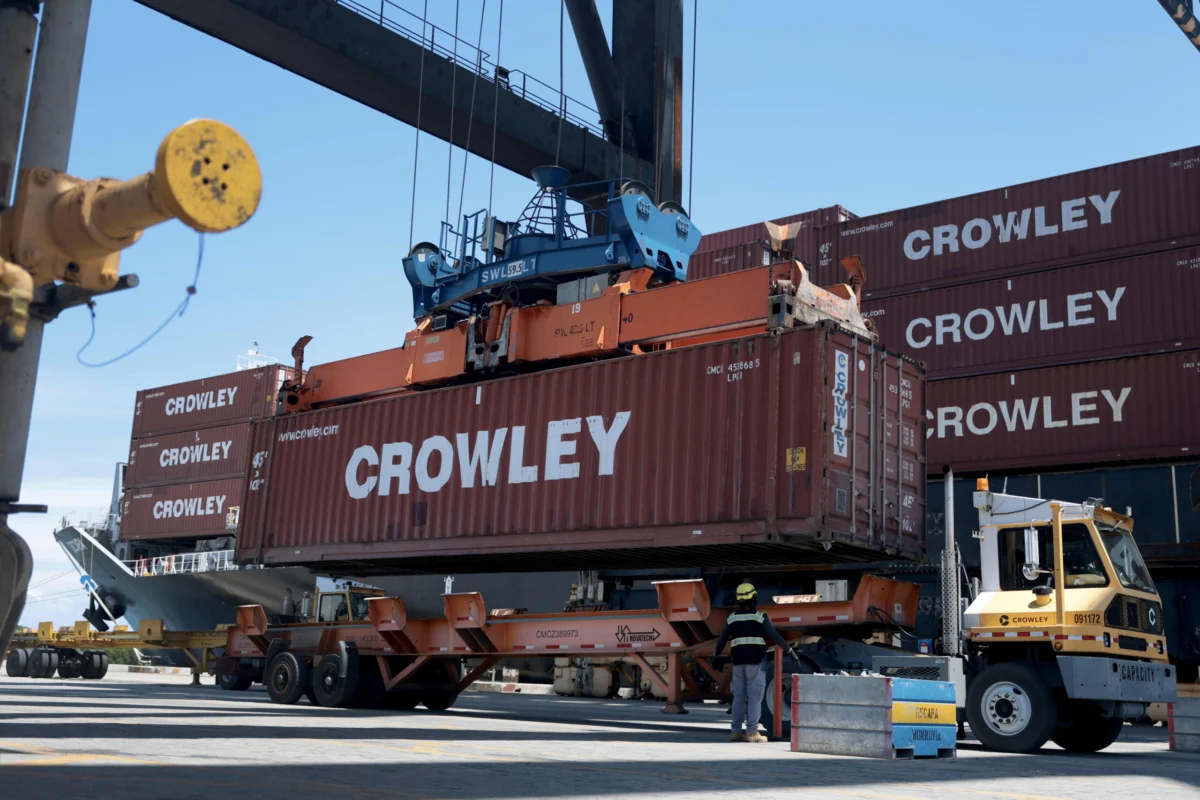
The United States experienced an unexpected uptick in the cost of goods imported in June 2026, with the Bureau of Labor Statistics (BLS) reporting a 0.3% monthly increase that defied economists’ projections. This surge was primarily fueled by a significant rise in non-energy goods and, notably, the largest monthly jump in prices for goods sourced from China in over 18 years. The report signals a broadening inflationary pressure beyond the energy sector, presenting a complex challenge for the Federal Reserve as it navigates its mandate to stabilize prices amidst ongoing geopolitical tensions and a burgeoning demand for artificial intelligence infrastructure.
Diving Deeper: The June Import Price Surge and Underlying Drivers
The 0.3% monthly rise in import prices surprised analysts, who, according to a Dow Jones survey, had anticipated a decline of 0.8%. This unexpected increase pushed the annual import price inflation rate to 7.1%, marking the steepest year-over-year climb since August 2022. While a welcome dip in energy prices provided some counterweight, it was ultimately overshadowed by substantial increases across various other categories, indicating that inflationary forces are becoming more entrenched and widespread across the economy.
A key contributor to this unexpected surge appears to be the global race to build out artificial intelligence capabilities. The BLS report specifically highlighted rising costs for critical components such as computers, peripherals, and semiconductors. Industry experts suggest that the insatiable demand for high-performance computing necessary for AI development, coupled with existing supply chain constraints, is putting upward pressure on the prices of these sophisticated technological goods. For instance, preliminary estimates from the Semiconductor Industry Association indicate a global increase of approximately 2.1% in average semiconductor unit prices during the second quarter of 2026, directly impacting import costs. Furthermore, the industrial and service machinery sector also played a significant role in driving up import costs. This category, which had previously posted a robust 12.6% jump in May, continued its upward trajectory, offsetting the 0.4% decrease observed in fuels and lubricants. The sustained high demand for machinery and capital equipment, essential for manufacturing and infrastructure projects, reflects a resilient, albeit inflationary, industrial landscape.
The China Factor: A Looming Trade Dynamic and Record Price Hikes
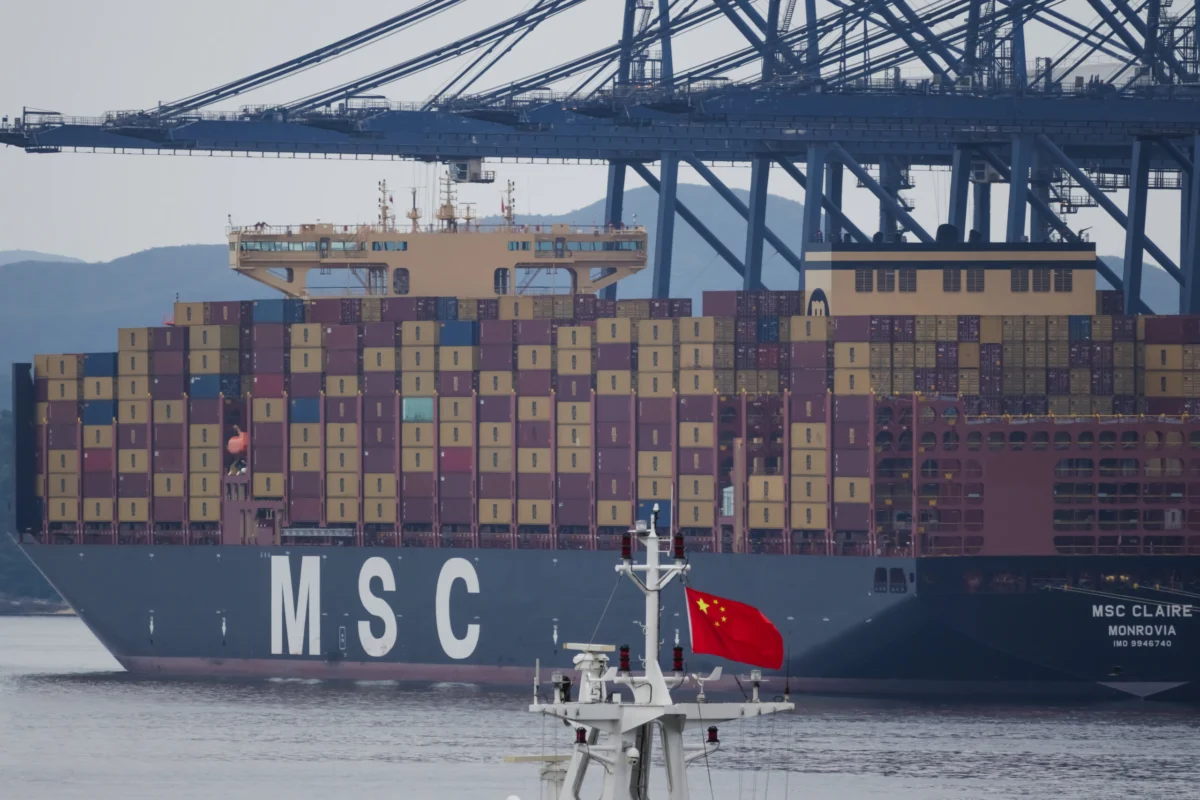
Perhaps the most striking aspect of the June report was the pronounced increase in import prices from China. Goods imported from the world’s second-largest economy saw a 0.9% rise for the month, representing the biggest monthly increase since January 2008. This dramatic spike suggests a potential confluence of factors, including the lingering effects of trade tariffs, rising production costs within China, and shifting global supply chain dynamics. The 12-month increase in import prices from China reached 1.3%, the largest yearly gain observed since the period spanning November 2021 to November 2022, underscoring a persistent upward trend.
The implications of this Chinese price surge are multifaceted. For American businesses, it translates directly into higher input costs for a vast array of consumer goods and industrial components, potentially leading to higher retail prices for consumers. This also adds another layer of complexity to U.S.-China trade relations, which have been characterized by fluctuating tariffs and strategic competition. Interestingly, while U.S. import prices from China climbed, U.S. export prices to China actually experienced a slight decrease of 0.2% in June. However, on an annual basis, these export prices were up a substantial 7.4%, the largest monthly increase dating back to August 2022. This divergence highlights an uneven trade dynamic, where the cost of bringing Chinese goods into the U.S. is accelerating, while American exports to China are seeing more muted monthly price movements, despite strong annual gains. Analysts are closely monitoring whether this trend signals a rebalancing of trade leverage or simply reflects different demand and supply pressures across various goods categories.
Broader Inflationary Landscape and Geopolitical Undercurrents
The June import price report broadly confirmed that while a decline in oil costs provided some relief, inflation is showing clear signs of broadening beyond the volatile energy sector. This development complicates the narrative presented earlier in the week by the BLS, which had reported declines in both consumer and wholesale prices for June. Those earlier drops were largely attributed to a softening in energy costs, following a brief de-escalation of tensions between the United States and Iran.
The wider context of the current inflationary environment is heavily influenced by geopolitical events. Since late February 2026, the global economy has been grappling with the aftermath of U.S. and Israeli attacks on Iran. These actions immediately sent shockwaves through energy markets, causing oil and gas prices to spike and contributing significantly to the inflationary pressures observed in the preceding months. While a temporary softening of these tensions allowed energy prices to recede in June, the underlying geopolitical instability remains a potent risk factor for global supply chains and commodity markets. The reliance on complex, interconnected global supply networks means that disruptions in one region can quickly ripple across the world, impacting shipping costs, insurance premiums, and ultimately, the prices of imported goods. The photograph of dock workers offloading shipping containers at Port Everglades in Fort Lauderdale, Florida, on April 20, 2026, serves as a stark reminder of the critical role global logistics play in the national economy and how easily these intricate systems can be affected by international events.
The Federal Reserve’s Tightrope Walk: Navigating Mixed Signals
Against this backdrop of complex and sometimes contradictory economic data, Federal Reserve officials are grappling with an intensified inflation question. Their primary objective remains to return inflation to the central bank’s long-term target of 2%. Earlier in the week, during congressional hearings, Fed Chairman Kevin Warsh made it clear that he did not view the softer June inflation reports (for consumer and wholesale prices) as an indication that the central bank’s work was finished. He emphasized that despite the monthly declines, consumer prices were still up 3.5% from a year ago, and wholesale costs had risen by 5.5% annually – figures well above the Fed’s target.
This sentiment was echoed by other senior Fed officials. On Thursday, Dallas Fed President Lorie Logan publicly stated her belief that benchmark interest rates "should be modestly higher" to effectively address the persistent inflation problem. She highlighted the importance of a resolute stance to prevent inflationary expectations from becoming entrenched. Following suit on Friday, Cleveland Fed President Beth Hammack also suggested that monetary policy needed to be tighter. In a candid LinkedIn post, Hammack revealed the growing pressure from various economic stakeholders: "For the first time in my tenure, I’m hearing from businesses who say they think we need to take action to curb inflation, and from consumers who can’t make ends meet about a growing sense of despair." This statement underscores the real-world impact of sustained high prices on both the corporate sector and ordinary households, reinforcing the urgency of the Fed’s mission. The unexpected rise in import prices in June, particularly from China, provides further evidence supporting the arguments for continued vigilance and potentially more aggressive monetary tightening from the Federal Reserve.
Economic Implications and Forward Outlook
The implications of June’s import price surge are far-reaching, touching consumers, businesses, and the trajectory of monetary policy.
For Consumers: Higher import costs ultimately translate into higher prices for a vast array of consumer goods, from electronics and apparel to household appliances and even some food products. This erosion of purchasing power disproportionately affects lower and middle-income households, contributing to the "growing sense of despair" noted by President Hammack. Families are forced to make difficult choices, cutting back on discretionary spending or struggling to cover essential costs, thereby impacting overall consumer confidence and spending, which is a significant driver of economic growth.
For Businesses: Companies reliant on imported raw materials, components, or finished goods will face increased input costs. This can squeeze profit margins, forcing businesses to either absorb the higher costs, reduce investment, or pass them on to consumers through higher retail prices. For sectors heavily dependent on imported technological components, such as electronics manufacturing or telecommunications, the rising costs driven by AI demand could pose significant challenges to product development and pricing strategies. Businesses might also begin to reassess their global supply chain strategies, potentially seeking to diversify sourcing away from high-cost regions or exploring near-shoring options, though such transitions are costly and time-consuming.
Monetary Policy and Economic Stability: The latest import price data complicates the Federal Reserve’s already challenging task. While some recent reports offered a glimmer of hope, the broadening inflationary pressures revealed by the import data suggest that the battle against inflation is far from over. This makes it more likely that the Fed will continue its path of interest rate hikes, or at least maintain a restrictive monetary policy for an extended period. The risk is that aggressive tightening, while necessary to tame inflation, could slow economic growth and potentially lead to a recession. The Fed’s dual mandate requires balancing price stability with maximum employment, a task made increasingly difficult by the mixed economic signals and external geopolitical shocks.
Global Trade Dynamics and Geopolitical Risks: The record rise in import prices from China, coupled with the backdrop of U.S.-China trade tensions, could intensify calls for a re-evaluation of trade policies. Governments may explore new tariffs or non-tariff barriers, potentially leading to further fragmentation of global trade and supply chains. The ongoing geopolitical instability, particularly in the Middle East, continues to pose a significant risk to energy markets and international shipping lanes, adding a layer of unpredictability to future import costs.
The AI Economy’s Emerging Footprint: The specific mention of rising costs for computers, peripherals, and semiconductors underscores the inflationary impact of the burgeoning AI economy. The massive investment required for AI infrastructure, from data centers to advanced chip manufacturing, is creating demand-pull inflation in critical technology sectors. This trend is likely to continue as AI development accelerates, potentially embedding a new source of inflationary pressure into the global economy for years to come.
In conclusion, the unexpected surge in U.S. import prices in June 2026, driven by record increases from China and the growing demand for AI-related components, presents a stark reminder of the complex and multi-faceted nature of current inflationary pressures. Despite some relief from falling energy costs, the report signals that inflation is broadening across the economy, complicating the Federal Reserve’s efforts to return prices to its 2% target. With senior Fed officials already advocating for tighter monetary policy, the coming months will be critical in determining whether these inflationary forces can be brought under control without unduly stifling economic growth, all while navigating a volatile geopolitical landscape and the transformative demands of the AI era.