Gilang Muhammad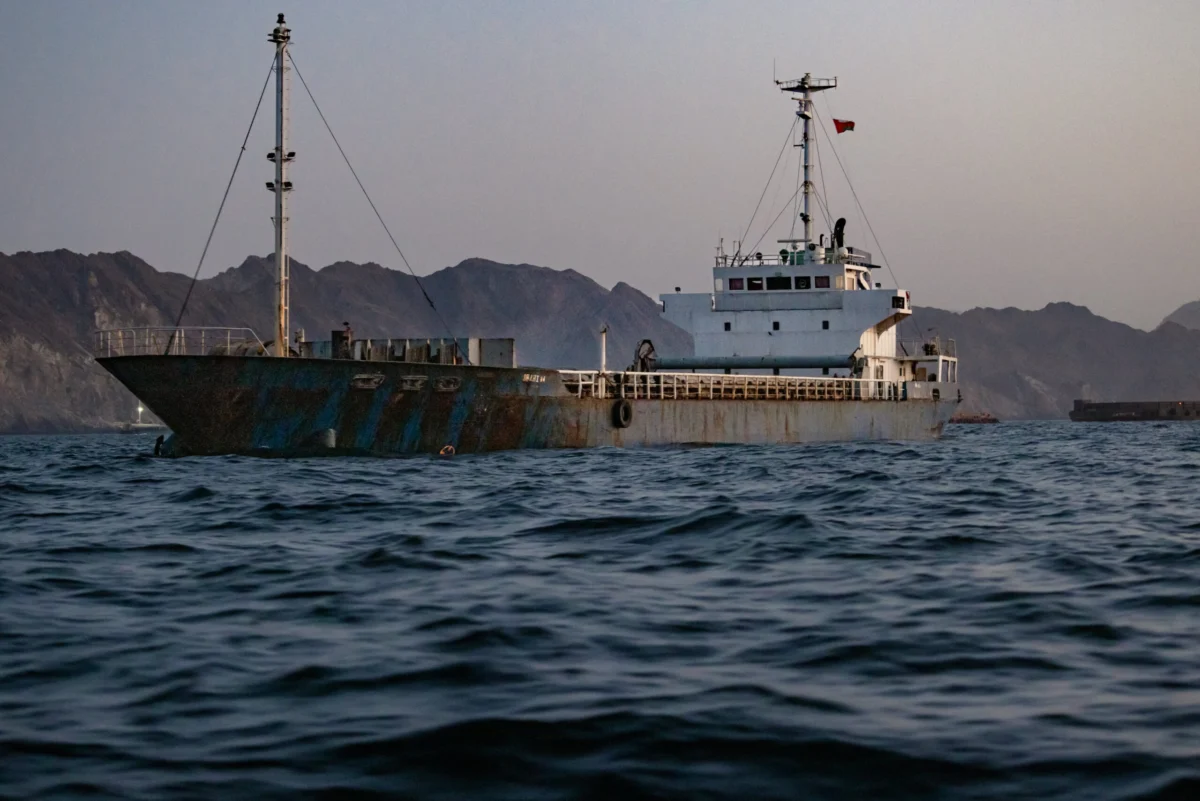
Iran’s Islamic Revolutionary Guard Corps (IRGC) has issued a stern warning to international shipowners, declaring any new transit route through the Strait of Hormuz established without coordination with Tehran as "unacceptable and dangerous." This pronouncement, delivered on Wednesday, June 25, 2026, threatens punitive actions against vessels that disregard its instructions, significantly escalating tensions in the world’s most critical oil chokepoint. The declaration directly challenges recent efforts by the United States and Iran to stabilize maritime transit through a memorandum of understanding (MoU) signed just last week, which aimed to "reopen the strategically vital energy artery" following a period of heightened hostilities.
The IRGC Navy emphasized that only shipping routes designated by Iran are permissible for passage, and mandatory coordination with Iranian forces via a designated communication channel is required. "Navigation outside these routes is highly dangerous and prohibited, and we warn all vessels to strictly avoid any movement outside the designated corridors," the IRGC Navy stated, according to reports from Iranian local media. This firm stance underscores Tehran’s unwavering resolve to assert its control over the Strait and to resist any attempts to bypass its authorization, casting a long shadow of uncertainty over global energy markets and international shipping.
The Strategic Imperative of the Strait of Hormuz
The Strait of Hormuz, a narrow waterway connecting the Persian Gulf with the Arabian Sea and the broader Indian Ocean, is globally recognized as an indispensable maritime chokepoint. Approximately one-fifth of the world’s total petroleum liquids consumption, or about 21 million barrels per day (b/d), transited the Strait in 2023, according to the U.S. Energy Information Administration (EIA). This includes nearly all of the crude oil and liquefied natural gas (LNG) exports from Saudi Arabia, Iran, the United Arab Emirates, Kuwait, and Iraq. Any disruption to this flow has immediate and profound implications for global energy prices, supply chains, and economic stability. The Strait is also vital for the transit of non-oil cargo, supporting the robust economies of the Gulf states. Given this immense strategic importance, international efforts have historically focused on ensuring freedom of navigation through the waterway, often leading to friction with Iran, which borders the northern side of the Strait.
A Fragile Détente Undermined
The IRGC’s warning comes barely a week after a landmark development: a memorandum of understanding between the United States and Iran. This MoU was heralded as a crucial step towards de-escalation and the normalization of commercial shipping through the Strait, which had been severely impacted during the recent conflict. The agreement was widely interpreted as an attempt to restore confidence among shipowners and insurers, who had faced exorbitant premiums and significant operational risks. The goal was to facilitate the safe and unimpeded flow of energy and goods, returning transit levels to those seen before the hostilities.
However, the IRGC’s latest statement directly contradicts the spirit and presumed intent of this MoU. While the exact details of the U.S.-Iran agreement have not been fully disclosed, its primary objective was clearly to ensure the "reopening" and safe passage through the Strait. Tehran’s insistence on sole authority over route designation and mandatory coordination implies a claim to sovereign control that is at odds with international maritime law, which generally upholds the right of innocent passage through international straits. This immediate challenge to the MoU’s practical implementation suggests deep divisions within the Iranian leadership or a deliberate strategy to reassert dominance regardless of diplomatic agreements.
Contested Corridors: The UKMTO Proposal
The catalyst for the IRGC’s sharp rebuke appears to be a proposal issued by a key naval information group, the UK Maritime Trade Operations (UKMTO), on Saturday, June 22, 2026. The UKMTO, an information fusion center for merchant shipping, had proposed alternative shipping corridors, specifically recommending that shipowners consider transiting the Strait along the southern route with their transponder signals active. "The southern transit route, along Omani [territorial waters], has been confirmed clear of mines and is the recommended route," the UKMTO advisory note stated.
The UKMTO’s recommendation was a practical measure aimed at enhancing safety and security for commercial vessels in the wake of the recent conflict. By advising a specific, de-mined southern route, the organization sought to provide clear guidance and mitigate risks for a shipping industry still reeling from the uncertainties of the conflict. The southern route primarily runs through the territorial waters of Oman, a nation that has historically maintained a neutral stance and often played a mediating role in regional disputes. The IRGC’s rejection of this internationally advised route, despite its potential to reduce risk, signals a clear intent to enforce its own navigational directives irrespective of international maritime recommendations or the sovereign rights of neighboring states.
Tehran’s Assertive Stance: A History of Control
Iran’s claim to operational control over the Strait of Hormuz is not new. Throughout its modern history, particularly since the 1979 Islamic Revolution, Iran has consistently asserted its sovereignty over the waterway, viewing it as a vital strategic asset and a potential leverage point against perceived adversaries. The IRGC, a powerful military and economic force within Iran, has frequently been at the forefront of these assertions. Its naval branch conducts regular exercises in the Strait, often involving speedboats, missile tests, and mock attacks on naval vessels, which are seen by the international community as provocative displays of force.
Incidents involving the IRGC’s interactions with commercial shipping have been well-documented. From the harassment of tankers to the seizure of vessels accused of violating Iranian waters or regulations, the IRGC has demonstrated a willingness to enforce its directives through direct action. These actions often come during periods of heightened geopolitical tension, serving as a reminder of Iran’s capacity to disrupt global energy flows. The current warning, threatening actions against vessels that ignore its instructions, is consistent with this historical pattern, reinforcing the perception that Iran intends to maintain strategic dominance over the Strait’s operational environment, irrespective of broader diplomatic agreements.
Navigating Uncertainty: Shipping Data Reveals Caution
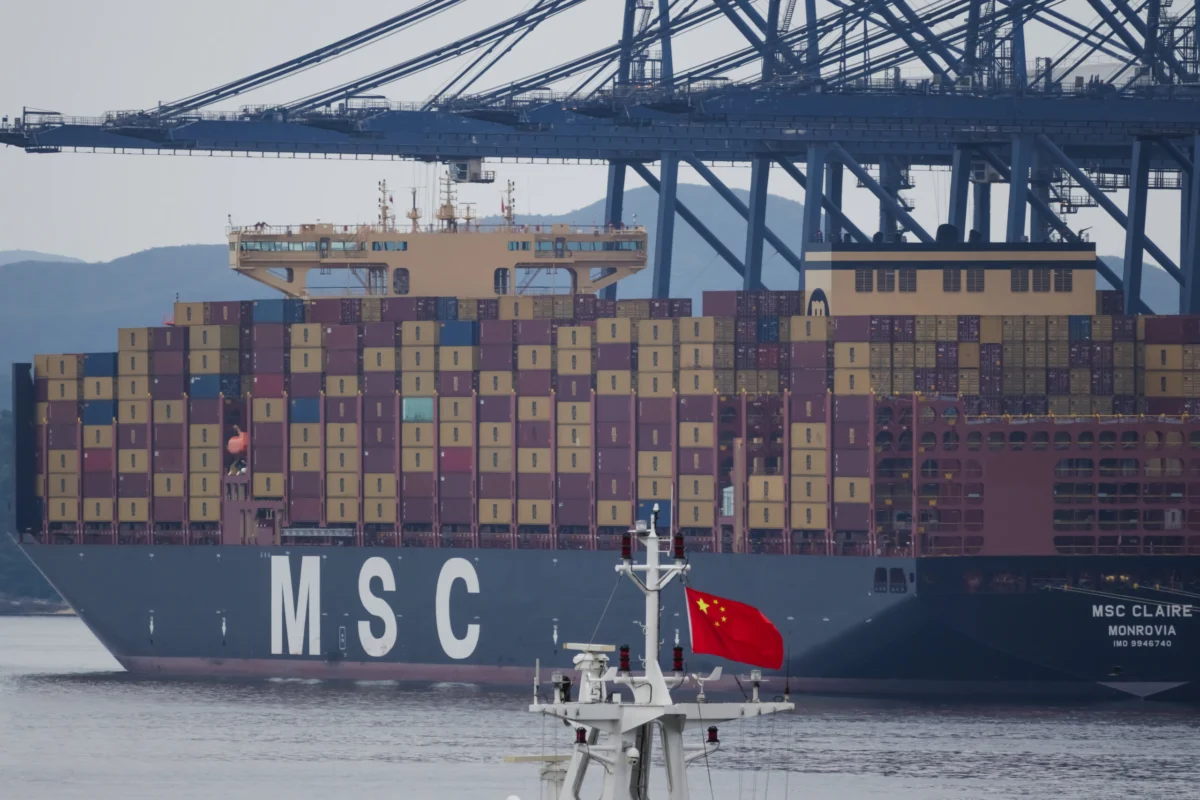
The immediate aftermath of the U.S.-Iran MoU had initially shown tentative signs of recovery in maritime traffic. Ship-tracking data provider MarineTraffic reported a threefold increase in transits to 93 last weekend compared with the prior comparable period. However, this figure still remains significantly below pre-war levels, when more than 100 ships typically transited the Strait each day. The cautious recovery highlights the deep-seated apprehension within the shipping industry, which prioritizes safety and predictability above all else.

MarineTraffic further confirmed 31 verified crossings on Tuesday, June 24, by commercial and energy-laden vessels. These operators, according to the firm, were utilizing a mix of Iranian, Omani, and International Maritime Organization (IMO) route patterns through the chokepoint. "Operators are still moving cautiously rather than returning to fully normal traffic patterns," the firm stated on Thursday, June 26. This mixed approach underscores the prevailing uncertainty and the industry’s attempt to balance operational necessity with the inherent risks. The IRGC’s latest warning is likely to exacerbate this caution, potentially slowing down or even reversing the nascent recovery in transit volumes. Shipowners and insurers will now be forced to reassess their risk profiles and operational strategies, potentially leading to increased costs and further delays.
U.S. Rejection of ‘Tolls’ and Sanctions
The United States has consistently opposed any Iranian attempts to impose a "tolling system" or any form of unauthorized fees on vessels transiting the Strait. In May 2026, the U.S. Treasury Department sanctioned Iran’s Persian Gulf Strait Authority, describing it as an attempt to "extort global maritime trade." Treasury Secretary Scott Bessent issued a clear warning that Washington would not "tolerate any tolling system" on Hormuz, vowing that his agency would "aggressively target any actors involved."
The U.S. stance is rooted in the principle of freedom of navigation, a cornerstone of international maritime law. Any Iranian attempt to unilaterally control transit or levy charges is viewed as a direct challenge to this principle and an infringement on the rights of other nations. The U.S. sanctions against the Persian Gulf Strait Authority serve as a deterrent, signaling that Washington is prepared to use economic tools to counter what it perceives as illicit attempts by Iran to monetize or control international waters. The IRGC’s latest warning, by asserting exclusive control over routes and demanding coordination, effectively constitutes a non-monetary "toll" in the form of submission to Iranian authority, which is likely to be met with strong condemnation from Washington and its allies.
Global Economic Repercussions
The escalating tensions in the Strait of Hormuz carry significant implications for the global economy, particularly for energy markets. A sustained period of uncertainty or actual disruption could lead to a sharp increase in crude oil and LNG prices, impacting consumers and industries worldwide. Energy security concerns would rise, prompting nations to reconsider their reliance on Middle Eastern oil and potentially accelerating investments in alternative energy sources or diversification of supply routes.
Shipping insurance premiums, which already surged during the recent conflict, are expected to climb further. This directly increases the operational costs for vessel operators, which are then passed on to consumers through higher prices for goods. Supply chains, still fragile from recent global disruptions, could face renewed pressure, leading to delays and potential shortages of various commodities. While some pipelines exist to bypass the Strait of Hormuz, their capacity is limited, and they primarily serve specific Gulf states, offering only a partial alternative to the vast volume of trade that transits the waterway.
Geopolitical Ramifications and International Law
Beyond the immediate economic impact, the IRGC’s latest declaration poses significant geopolitical challenges. It represents a direct challenge to international maritime law, particularly the United Nations Convention on the Law of the Sea (UNCLOS), which guarantees the right of innocent passage through international straits. Iran’s assertion of unilateral control over transit routes, if acted upon, could set a dangerous precedent, inviting similar claims in other strategic chokepoints around the world.
The situation also tests the credibility of the recent U.S.-Iran MoU and the broader diplomatic efforts aimed at de-escalation. If a signed agreement can be so quickly undermined by a powerful faction within one of the signatories, it raises questions about the efficacy of future diplomatic engagements. Regional stability is also at stake. Oman, whose territorial waters are involved in the proposed southern route, would find its sovereignty potentially challenged, while other Gulf states reliant on the Strait would view Iran’s actions with deep concern, potentially leading to increased military postures and further regional polarization.
Expert Perspectives on the Long-Term Outlook
Analysts are warning that the latest developments could have long-term effects on oil flows through the Strait, making it unlikely that transits will fully recover to pre-war levels if Tehran maintains strategic control of the waterway. Helima Croft, head of global commodity strategy at RBC Capital Markets, articulated this concern clearly. "Oil tanker traffic through Hormuz before the war might represent the high point for transits for the foreseeable future," Croft told clients in a Thursday note. "Any end to the conflict that leaves Iran exercising operational control and influence over the Strait will result in appreciably lower flows through the waterway in our view."
This sentiment is echoed by other geopolitical risk analysts, who suggest that Iran’s actions are driven by a desire to leverage its geographical position for strategic advantage, irrespective of international norms. Some argue that Iran aims to create a new normal in the Strait, where its authority is explicitly recognized, even if it means foregoing some of the economic benefits of fully normalized trade. The long-term implications could include a permanent increase in shipping costs, a shift in global energy trade routes, and a persistent state of low-level tension in the crucial waterway, demanding continuous vigilance from international naval forces and maritime organizations.
Looking Ahead: Diplomacy and Deterrence
The immediate future of the Strait of Hormuz appears fraught with complexity. International diplomatic efforts will likely intensify to de-escalate the situation and seek clarity on Iran’s intentions and the practical implications of its warning. Naval presences from the U.S. and its allies in the region, already robust, may be further bolstered to underscore the commitment to freedom of navigation. The shipping industry, meanwhile, will be compelled to adapt, potentially exploring new operational protocols, higher insurance coverages, or even considering longer, more expensive routes to bypass the immediate flashpoint. The delicate balance between ensuring vital energy flows and upholding international maritime law in the face of assertive national claims will continue to define the volatile landscape of the Strait of Hormuz.