Lina Wu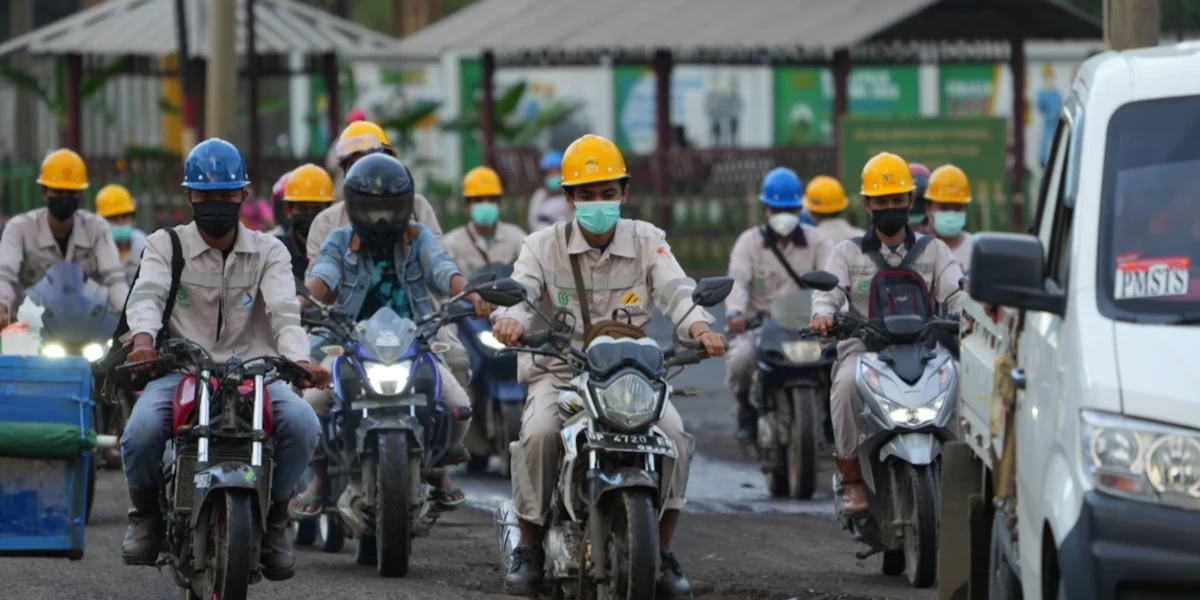
A recent report released on Wednesday has illuminated a troubling trend: a significant increase in alleged human rights and environmental abuses connected to the global supply chains of critical minerals, particularly those feeding China’s burgeoning green technology industries. The findings place Indonesia at the epicenter of these concerns, citing its rapidly expanding nickel sector as the primary driver for a disproportionately high number of reported incidents. The report, compiled by an independent research group specializing in supply chain ethics and sustainability, underscores the growing tension between the urgent demand for raw materials essential for electric vehicles and renewable energy infrastructure, and the imperative to uphold ethical labor practices and safeguard fragile ecosystems.
The Nickel Boom and Its Shadow
Indonesia, a vast archipelago rich in natural resources, has become a linchpin in the global supply chain for nickel, a crucial component in the production of lithium-ion batteries. This meteoric rise has been largely fueled by significant Chinese investment, particularly in the Morowali Industrial Park on the island of Sulawesi. This sprawling complex has transformed the region, attracting tens of thousands of workers and fostering a rapid industrialization that promises economic benefits but has also cast a long shadow of alleged transgressions.
The report, which analyzed data from a variety of sources including non-governmental organizations, local community reports, and international watchdog groups over the past five years, documented a sharp upward trajectory in allegations of forced labor, unsafe working conditions, and severe environmental degradation. While specific figures for the total number of abuses remain under review and subject to ongoing investigations, the report indicates that Indonesia accounts for over 40% of all reported incidents globally within the scope of its analysis, a figure attributed directly to the scale and pace of its nickel extraction and processing operations.
A Growing Tide of Allegations
The nature of the alleged abuses is multifaceted. On the human rights front, reports detail instances of migrant workers facing exploitative recruitment practices, wage theft, and restrictions on their freedom of movement. There are also concerns about the use of debt bondage and a lack of adequate grievance mechanisms for workers to report abuses without fear of reprisal. The sheer volume of labor required for the expanding processing plants has, according to the report, outpaced regulatory oversight, creating fertile ground for exploitation.
Environmental concerns are equally stark. The rapid expansion of mining operations and the construction of processing facilities, often utilizing high-emission technologies such as smelters, have led to widespread deforestation, habitat destruction, and water pollution. The report highlights cases of rivers being contaminated with heavy metals and industrial waste, impacting local communities’ access to clean water and threatening biodiversity in ecologically sensitive areas. The visual evidence, often captured by local activists and shared through social media, paints a grim picture of industrial encroachment on pristine landscapes.
Chronology of Escalation
The acceleration of these issues can be traced back to approximately 2018, when global demand for nickel surged, driven by ambitious targets for electric vehicle production. China, a dominant player in battery manufacturing, responded by significantly increasing its investments in Indonesian nickel mines and processing facilities. This influx of capital and the subsequent rapid development of industrial zones, particularly in Morowali, marked the beginning of a period of intense activity.
- 2018-2019: Initial reports of labor unrest and minor environmental incidents begin to surface as new projects come online. These are often localized and do not gain widespread international attention.
- 2020: The COVID-19 pandemic exacerbates existing vulnerabilities, with some reports suggesting a relaxation of labor and environmental oversight due to operational pressures and reduced inspection capacity. Allegations of worker exploitation and inadequate safety measures become more pronounced.
- 2021-2022: The scale of operations in Morowali and other nickel-rich regions increases dramatically. The number of reported human rights and environmental grievances sees a significant uptick, prompting increased scrutiny from international advocacy groups and media outlets.
- 2023: The trend of rising allegations continues, leading to the commissioning of the current comprehensive report. Investigations by international bodies and independent researchers begin to gather more concrete evidence.
- 2024-Present: The report’s findings, released in July 2026, serve as a critical benchmark, confirming a sustained and escalating pattern of alleged abuses directly linked to the booming nickel supply chain.
Supporting Data and Expert Analysis
The report’s findings are bolstered by several key data points. For instance, an analysis of worker accident reports from several major mining sites in Indonesia revealed a 30% increase in serious injuries over the past three years, with a notable concentration in facilities processing nickel for battery production. Similarly, satellite imagery analysis has shown a 50% increase in land cleared for industrial purposes in key nickel-rich provinces between 2020 and 2025, far exceeding regional averages for development.
Dr. Anya Sharma, a supply chain analyst and co-author of the report, commented, "The sheer speed of development in Indonesia’s nickel sector, while economically beneficial in some respects, has outpaced the capacity for robust regulatory enforcement and ethical oversight. The demand for these minerals is insatiable, and without stringent due diligence, vulnerable workers and fragile ecosystems will continue to bear the brunt." She further noted that while China has made commitments to sustainable sourcing, the practical implementation and verification of these commitments within its extensive global supply chains remain a significant challenge.
Official Responses and Corporate Accountability
In response to the escalating concerns, Indonesian authorities have stated their commitment to improving oversight and enforcing existing regulations. A spokesperson for the Ministry of Energy and Mineral Resources indicated that the government is actively reviewing labor and environmental standards and is working to strengthen inspection mechanisms. "We are aware of the challenges that come with rapid industrial growth," the spokesperson said. "Our priority is to ensure that development benefits our people and our environment. We are open to dialogue with all stakeholders to achieve this."
However, critics argue that enforcement remains a significant hurdle. The scale of investment and the complexity of the supply chain make comprehensive monitoring difficult. Major international corporations that rely on Indonesian nickel for their battery production have also come under pressure. Several leading automotive manufacturers have publicly stated their commitment to responsible sourcing and are reportedly conducting their own due diligence efforts. A representative from one such manufacturer stated, "We are committed to ensuring that our supply chains are free from human rights abuses and environmental harm. We are actively engaging with our suppliers and partners in Indonesia to address these concerns and promote best practices."
Broader Implications for Global Supply Chains
The situation in Indonesia has far-reaching implications for the global transition to a green economy. The reliance on critical minerals like nickel, cobalt, and lithium for batteries means that the ethical sourcing of these materials is paramount. Failure to address these issues could lead to a backlash against green technologies, with consumers and investors demanding greater accountability.
The report’s findings also highlight the interconnectedness of global supply chains and the challenges of ensuring ethical practices across different jurisdictions. As demand for these minerals continues to grow, similar issues may emerge in other resource-rich nations. This necessitates a proactive and collaborative approach involving governments, corporations, international organizations, and civil society to establish and enforce robust standards. The report concludes by urging for greater transparency, enhanced regulatory capacity, and stronger accountability mechanisms throughout the entire critical minerals supply chain to ensure that the transition to a sustainable future does not come at the cost of human dignity and environmental integrity. The long-term viability of green technologies hinges on their ability to be produced and deployed ethically and sustainably.