Lina Wu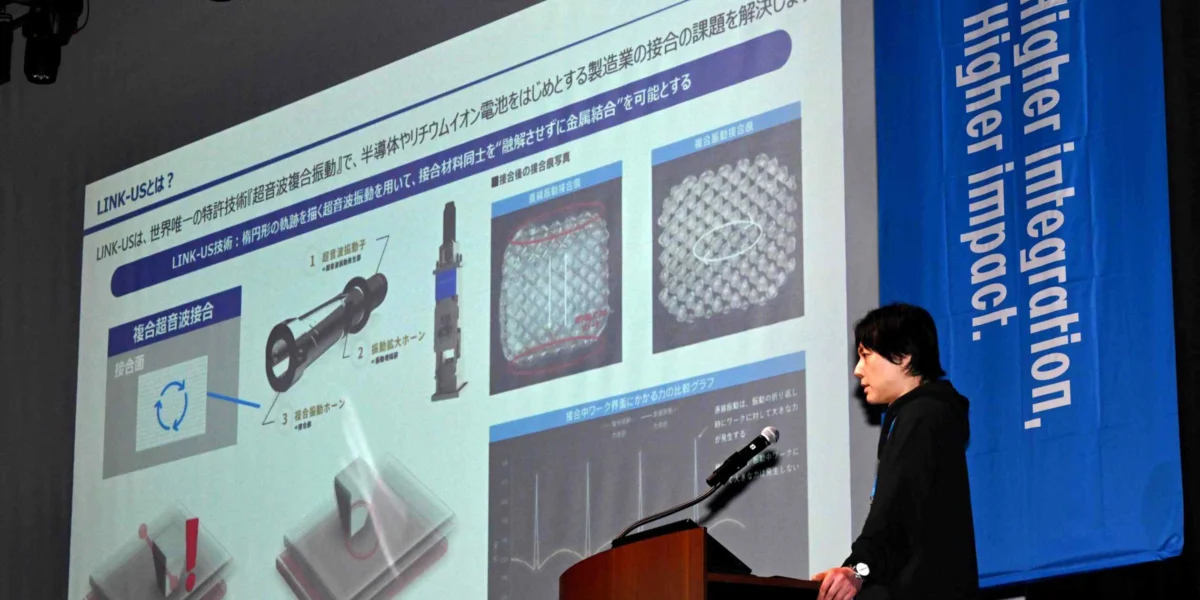
The arrival of Taiwan Semiconductor Manufacturing Co. (TSMC) in Japan’s southwestern island of Kyushu has catalyzed a significant expansion of the nation’s semiconductor industry, transforming the region into a vibrant hub colloquially known as the "Silicon Island." This burgeoning ecosystem has, in turn, attracted a surge of investment, signaling a strategic shift in global semiconductor supply chains and a renewed focus on bolstering domestic manufacturing capabilities. The ripple effects of TSMC’s investment are already palpable, fostering an environment ripe for innovation and growth, with venture capital following closely behind the titans of the industry.
The Genesis of a Semiconductor Hub: TSMC’s Kyushu Foothold
TSMC, the world’s largest contract chip manufacturer, announced its intention to establish a fabrication plant, or "fab," in Kumamoto Prefecture in 2021. This momentous decision marked a significant departure from Japan’s historical reliance on overseas production for advanced semiconductor manufacturing. The choice of Kumamoto was strategic, leveraging the region’s existing industrial infrastructure, a skilled workforce, and supportive government policies aimed at revitalizing its economy. The initial investment, estimated to be around $8.6 billion, was a clear signal of TSMC’s commitment to the Japanese market and its recognition of Kyushu’s potential as a critical node in its global production network.
The Kumamoto fab, a joint venture with Sony Semiconductor Solutions and Denso Corporation, is slated to produce advanced 22-nanometer and 28-nanometer chips, crucial components for a wide array of electronics, including automotive systems, industrial equipment, and consumer devices. While these are not the most cutting-edge nodes, their widespread application makes them strategically vital for ensuring a stable domestic supply of essential semiconductor components. Furthermore, the establishment of this facility is viewed as a stepping stone, paving the way for potential future investments in more advanced manufacturing technologies as the ecosystem matures.
A Chronology of Transformation: From Vision to Reality
The transformation of Kyushu into a semiconductor powerhouse is not an overnight phenomenon but rather a culmination of years of strategic planning and execution.
- Early 2020s: Initial discussions and feasibility studies regarding TSMC’s potential investment in Japan gain momentum, driven by global supply chain vulnerabilities exposed during the COVID-19 pandemic and increasing geopolitical tensions.
- 2021: TSMC formally announces its plans to build a manufacturing facility in Kumamoto, Japan. This announcement is met with widespread enthusiasm and anticipation, signaling a new era for Japan’s semiconductor industry.
- 2022: Construction begins on the TSMC Kumamoto fab. The Japanese government, through its Ministry of Economy, Trade and Industry (METI), pledges substantial subsidies and incentives to support the project, recognizing its national strategic importance.
- February 2026: The Kumamoto Semiconductor Venture Pitch event, where startups like LINK-US participate, highlights the burgeoning innovation ecosystem that is being nurtured around the large-scale investments. This event underscores the broader economic impact beyond direct manufacturing, fostering a climate of entrepreneurial activity.
- Late 2024/Early 2025 (Projected): The first production lines at the TSMC Kumamoto fab are expected to commence operations, marking a significant milestone in the realization of Japan’s semiconductor ambitions.
- Ongoing: Continuous investment and expansion are anticipated, with discussions about a potential second TSMC fab in Japan already underway, further solidifying Kyushu’s position as a critical semiconductor manufacturing hub.
Fueling Innovation: The Rise of the "Silicon Island" Ecosystem
The TSMC investment has acted as a powerful catalyst, attracting not only other major players in the semiconductor supply chain but also fostering a vibrant startup scene. Kyushu, once primarily known for its agriculture and tourism, is rapidly transforming into a dynamic center for technological innovation.
- Supply Chain Integration: The presence of TSMC necessitates the establishment and expansion of ancillary industries. Companies specializing in semiconductor materials, equipment manufacturing, testing, and packaging are increasingly looking to set up operations in Kyushu to be in close proximity to the primary manufacturing sites. This creates a self-reinforcing cycle of investment and job creation.
- Talent Development: The demand for a skilled workforce in the semiconductor sector is immense. Universities and vocational schools in Kyushu are responding by expanding their engineering and technology programs, collaborating with industry leaders to develop curricula that meet the specific needs of the semiconductor manufacturing process. Government initiatives are also in place to attract and retain talent, both domestically and internationally.
- Venture Capital Influx: As the "Silicon Island" narrative gains traction, investors are increasingly recognizing the immense growth potential of the region. Venture capital firms, both Japanese and international, are actively seeking out promising startups in the semiconductor space, providing crucial funding for research, development, and commercialization. Events like the Kumamoto Semiconductor Venture Pitch serve as crucial platforms for these emerging companies to connect with investors and showcase their innovations.
Data-Driven Transformation: Quantifying the Impact
The economic implications of this semiconductor renaissance are substantial and are already being reflected in various economic indicators.
- Job Creation: The TSMC Kumamoto fab alone is projected to create thousands of direct jobs, with many more indirect jobs expected to be generated in the surrounding supply chain and service industries. A 2023 report by the Japan External Trade Organization (JETRO) estimated that the semiconductor industry’s contribution to Kyushu’s GDP could increase by as much as 20% over the next decade as a result of these investments.
- Investment Figures: Beyond TSMC’s initial $8.6 billion investment, further commitments from Japanese companies and government subsidies are estimated to push the total investment in Kyushu’s semiconductor sector well over $20 billion in the coming years. This figure includes planned expansions and new facilities from other key industry players.
- Regional GDP Growth: Projections suggest that the semiconductor industry’s growth will significantly boost the GDP of Kumamoto Prefecture and Kyushu as a whole. Local economic development agencies forecast an annual growth rate of 5-7% for the region, directly attributable to the expansion of the high-tech manufacturing sector.
- Export Potential: While the primary goal is to bolster domestic supply, the advanced manufacturing capabilities being developed in Kyushu also position Japan to become a more significant exporter of semiconductor-related products and technologies in the future.
Official Responses and Strategic Imperatives
The Japanese government has been a staunch advocate for the development of a robust domestic semiconductor industry, recognizing its critical role in national security and economic competitiveness.
- Government Subsidies and Incentives: The Ministry of Economy, Trade and Industry (METI) has been instrumental in facilitating TSMC’s entry and supporting the growth of the wider ecosystem. Substantial financial incentives, tax breaks, and streamlined regulatory processes have been put in place to attract and retain semiconductor manufacturing capabilities. The "Law on Promoting the Manufacturing and Development of Semiconductors and Digital Industries," enacted in 2020, provides a framework for these support measures.
- Strategic Partnerships: The government is actively encouraging partnerships between established industry giants, emerging startups, and research institutions. This collaborative approach aims to accelerate innovation and ensure that Japan remains at the forefront of semiconductor technology development. The government’s role extends to fostering international cooperation, recognizing that a resilient global semiconductor supply chain requires collaboration among like-minded nations.
- Workforce Development Programs: Recognizing the critical need for a skilled workforce, the government is investing heavily in educational and training programs. Initiatives include scholarships for students pursuing semiconductor-related degrees, partnerships with universities to establish specialized research centers, and reskilling programs for existing workers to transition into the semiconductor industry.
Broader Implications: Reshaping Global Supply Chains
The resurgence of semiconductor manufacturing in Japan, particularly in Kyushu, has far-reaching implications that extend beyond the regional economy.
- Diversification of Global Supply Chains: The concentration of advanced semiconductor manufacturing in a few key regions, notably Taiwan, has long been a source of concern for global policymakers. TSMC’s expansion in Japan, alongside similar investments in the United States and Europe, represents a significant step towards diversifying these critical supply chains, reducing reliance on any single geographic location and enhancing resilience against geopolitical disruptions.
- Economic Security: For Japan, bolstering its domestic semiconductor manufacturing capacity is a matter of economic security. Semiconductors are the backbone of modern economies, underpinning everything from advanced defense systems to critical infrastructure. Reducing dependence on foreign suppliers for these vital components strengthens Japan’s strategic autonomy.
- Technological Advancement: The influx of investment and talent into Kyushu is expected to spur innovation across the entire semiconductor value chain. The focus on nurturing startups and fostering research and development promises to drive advancements in areas such as next-generation materials, advanced packaging techniques, and novel chip architectures.
- Regional Development: The "Silicon Island" phenomenon offers a compelling model for other regions seeking to attract high-tech industries and foster economic revitalization. The success of Kyushu demonstrates the potential for strategic investment, government support, and a focus on building a comprehensive ecosystem to transform regional economies.
The transformation of Kyushu into a semiconductor hub is a testament to strategic foresight, significant investment, and a concerted effort to revitalize a critical industry. As TSMC’s operations mature and the ecosystem continues to expand, Japan’s "Silicon Island" is poised to play an increasingly vital role in the global semiconductor landscape, shaping the future of technology and bolstering economic resilience for years to come.