Farhan Pambudi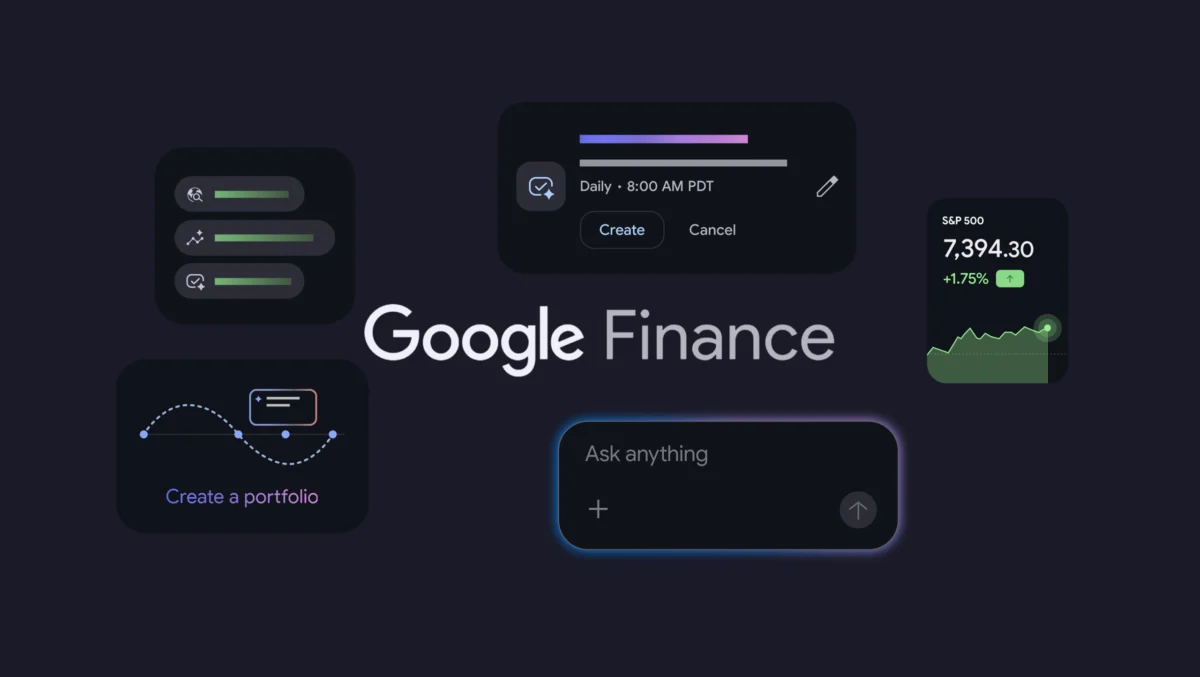
Google has officially announced the launch of a dedicated mobile application for Google Finance, marking a significant strategic shift for the tech giant as it seeks to capture a larger share of the retail investment information market. Released on Thursday, the new application aims to provide a centralized hub for investors, integrating real-time market data, personalized watchlists, and curated financial news. Central to this launch is the integration of Google’s proprietary artificial intelligence, specifically the "Key Moments" feature, which utilizes machine learning to synthesize complex market movements into digestible explanations for retail users.
The mobile application is initially available for Android users via the Google Play Store, with a dedicated iOS version slated for release in the coming months. This rollout signifies a departure from Google’s previous strategy, which primarily focused on the Google Finance web experience and basic stock tracking integrated directly into Google Search results. By launching a standalone app, Google is positioning itself to compete directly with established financial platforms such as Yahoo Finance, Bloomberg, and the Apple Stocks app, as well as the information-heavy interfaces of trading platforms like Robinhood and Fidelity.
The Evolution of Google Finance: From Search Tool to Standalone Ecosystem
Google Finance was originally launched in 2006 as a competitor to Yahoo Finance and MSN Money. For over a decade, the service remained largely unchanged, functioning as a reliable but basic repository for stock quotes and historical charts. However, the surge in retail investing during the early 2020s—driven by the democratization of trading and the rise of social-media-influenced market trends—prompted Google to reconsider the platform’s utility.
In late 2023 and early 2024, Google began testing a revamped web experience that incorporated more robust data visualization and AI-driven news feeds. Thursday’s announcement marks the graduation of that web experience from its beta phase and its transition into a comprehensive mobile ecosystem. The new app is not merely a mirror of the website; it is designed for the "on-the-go" investor who requires immediate context for market volatility.
The chronology of this development reflects Google’s broader corporate strategy of "AI-first" integration. Following the successful deployment of Gemini (formerly Bard) across its productivity suite, the application of Large Language Models (LLMs) to financial data was a logical next step. The "Key Moments" feature, in particular, represents a significant technical milestone, as it must process vast amounts of unstructured data—such as earnings transcripts, regulatory filings, and news articles—in real-time to explain why a specific equity is trending up or down.
Advanced AI Features and Natural Language Research
The hallmark of the new Google Finance app is its reliance on natural language processing (NLP) to lower the barrier to entry for financial analysis. Users are no longer required to navigate complex menus to find specific data points; instead, they can interact with the platform using conversational prompts.

One of the most innovative features introduced is the AI research tool within the portfolio dashboard. Users can ask the assistant complex questions such as, "Which sectors are currently underrepresented in my portfolio?" or "How does my tech exposure compare to the S&P 500?" The AI analyzes the user’s holdings against broader market indices to provide tailored insights. Furthermore, Google has introduced "Task" features that allow users to set up automated, natural-language briefings. For instance, a user can request a daily summary of how their specific holdings performed relative to market benchmarks or ask for a briefing on how interest rate changes might impact their REIT (Real Estate Investment Trust) positions.
This shift toward proactive AI assistance is intended to solve the "information overload" problem that many retail investors face. While traditional platforms provide an abundance of data, Google’s approach focuses on synthesis and actionable intelligence. The "Key Moments" feature acts as an automated financial analyst, identifying the specific news catalyst—be it an earnings beat, a management change, or a macroeconomic shift—that triggered a price movement.
Global Rollout of Enhanced Portfolio Management
Parallel to the mobile app launch, Google is rolling out its new portfolio management tools to web users globally. This dashboard allows for a unified view of investments, tracking both current holdings and historical performance. To streamline the onboarding process, Google has made it possible for users to import existing portfolios by uploading financial files or by simply describing their investments to the AI chatbot.
Existing Google Finance users will find their data automatically migrated to the new interface. The integration between the web and mobile platforms is seamless, ensuring that watchlists and portfolio updates are synchronized in real-time across all devices. Google has also hinted at future updates that will allow users to listen to live earnings calls directly within the app, a feature that would put it on par with premium financial terminals and specialized apps like Quartz or Earnings Digest.
Competitive Landscape and Market Implications
The launch of a standalone Google Finance app is a calculated move to reclaim "eyeball time" from competitors. According to market data, financial information apps saw a 35% increase in active users between 2020 and 2024. Currently, Yahoo Finance maintains a dominant position in the space, bolstered by its long-standing reputation and comprehensive data sets. Apple Stocks, while simpler, benefits from being pre-installed on hundreds of millions of iPhones.
By entering this space with a dedicated Android app first, Google is leveraging its own operating system’s market share to build a user base. The competitive advantage Google holds lies in its data ecosystem. Because most investors already use Google Search to find financial information, the app serves as a natural funnel to keep those users within the Google ecosystem rather than losing them to a third-party finance app.
Industry analysts suggest that this move could also have implications for Google’s advertising business. Financial services are among the highest-paying keywords in digital advertising. By owning the platform where investors track their wealth, Google gains deeper insights into user intent and financial interests, which can theoretically inform more effective ad targeting across its other properties, though the company has maintained that financial data remains subject to strict privacy controls.

Data Integration and Technical Infrastructure
To support real-time data, Google has partnered with major global exchanges and data providers to ensure that the quotes provided are accurate and low-latency. The app covers a wide range of asset classes, including equities, mutual funds, ETFs, currencies, and cryptocurrencies.
The technical challenge for Google lies in the "hallucination" problem common in AI models. To mitigate the risk of providing inaccurate financial advice or data, Google’s financial AI is reportedly grounded in "high-authority" data sources. The "Key Moments" feature does not predict future stock prices—a move that avoids regulatory scrutiny—but instead focuses on explaining historical and current data. This factual grounding is essential for maintaining user trust in a sector where accuracy is paramount.
Future Outlook: The Roadmap for iOS and Beyond
While the Android launch is the current focus, the upcoming iOS version is critical for Google to capture the high-net-worth demographic that historically favors Apple hardware. Google has stated that the iOS version will not be a mere port but will be optimized for the Apple ecosystem, potentially including integration with iOS widgets for real-time tracking on the home screen.
Furthermore, the "coming months" will see the introduction of more sophisticated tools. Beyond earnings calls, there is speculation that Google may eventually integrate more direct ties to brokerage accounts, allowing for a "read-only" view of actual bank and brokerage balances, similar to services like Mint (now part of Credit Karma) or Personal Capital. However, for now, Google appears focused on being the premier destination for financial intelligence rather than financial transactional services.
Conclusion
The launch of the Google Finance app represents a significant evolution in how one of the world’s largest technology companies views the financial sector. By combining its massive search data, cloud infrastructure, and cutting-edge generative AI, Google is attempting to redefine the retail investment experience.
For the average investor, this means a shift from manually sifting through news headlines to receiving curated, AI-summarized insights that explain the "why" behind market volatility. As the platform exits its beta phase and expands across mobile operating systems, its success will likely depend on the accuracy of its AI insights and its ability to offer a more compelling user experience than the entrenched incumbents in the financial news space. With the global rollout of portfolio tools and the promise of future features like live earnings integration, Google Finance is no longer just a tab in a browser—it is a burgeoning ecosystem designed for the modern, data-driven investor.