Ena Muazin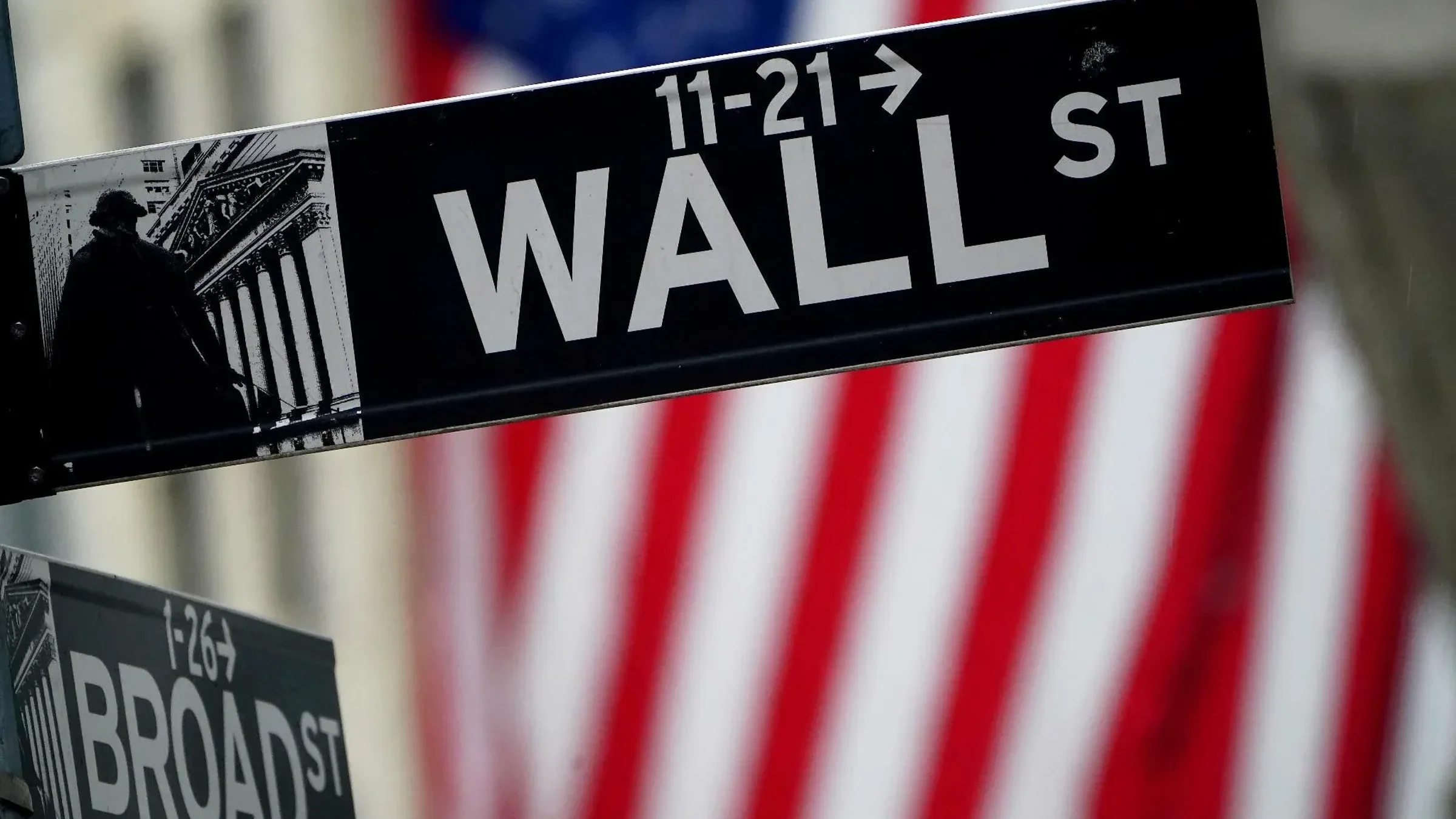
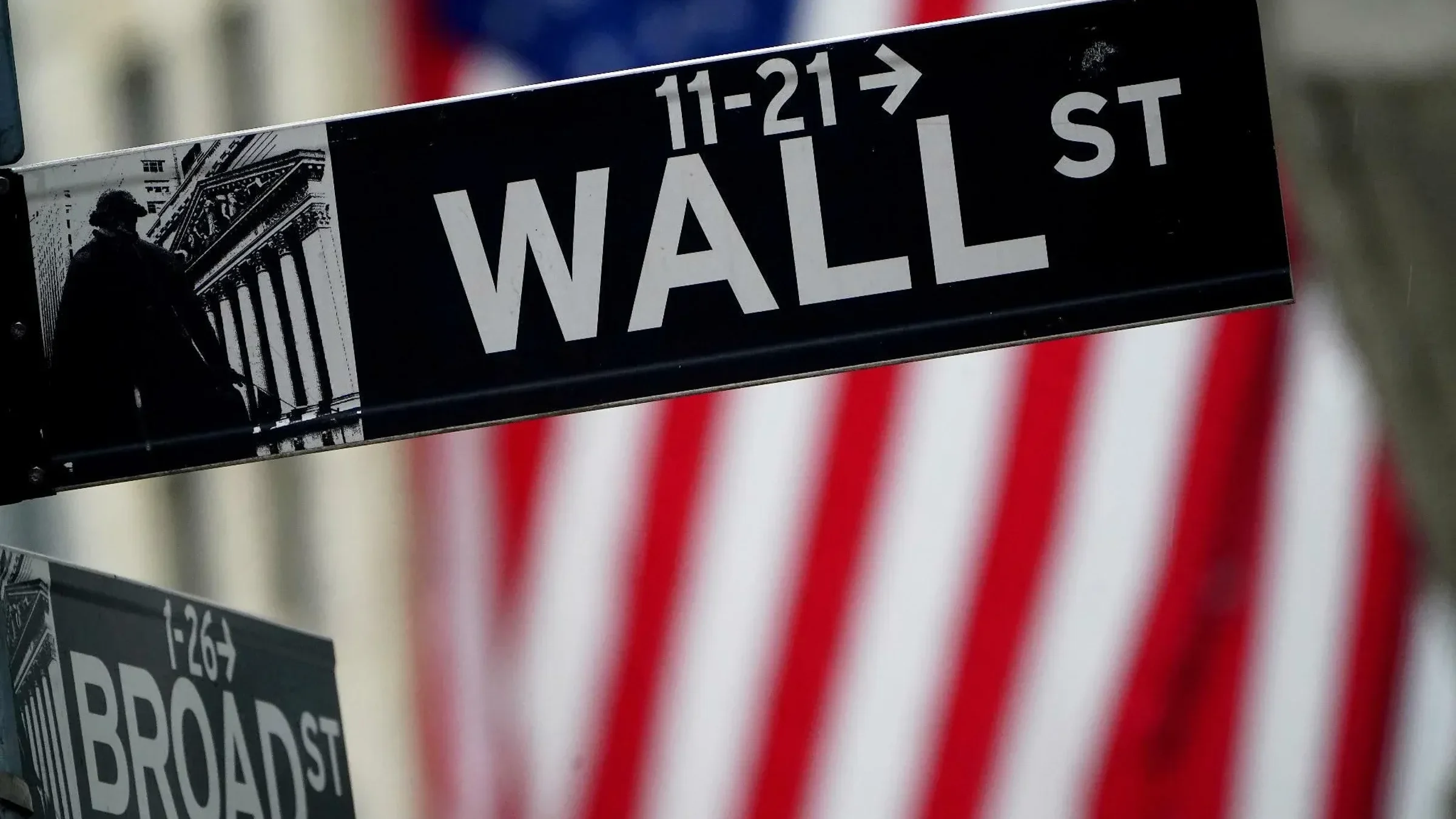
Investors in the United States are exhibiting a measured response to the latest inflation data released on Thursday, leading to a noticeable deceleration in the major US indices. The Wall Street landscape appears to be treading water, caught between a complex interplay of domestic economic indicators and escalating international geopolitical developments. This cautious sentiment is further amplified by ongoing concerns surrounding the valuation of technology stocks and the persistent shadow of conflict in the Middle East.
Geopolitical Fault Lines: Escalation in the Middle East and Oil Market Stability
The Middle East remains a focal point of international concern, with a lack of clarity surrounding the trajectory of the conflict involving Iran. Overnight, the US military reportedly conducted a wave of airstrikes against Iran, with the attacks impacting areas in the country’s north. Iranian state media confirmed explosions in the vicinity of the capital, Tehran, and reported strikes targeting the Semnan province, a region significant for its ballistic missile production and Iran’s space program.
The Iranian regime has declared control over the Strait of Hormuz a non-negotiable "red line" and has issued threats of retaliatory strikes across the Persian Gulf region should US attacks target its infrastructure. Despite these escalating tensions, oil prices have demonstrated remarkable stability. Brent crude from the North Sea and West Texas Intermediate (WTI) for September delivery remained largely unchanged, trading around $84 and $79 per barrel, respectively. Analysts, however, are cautiously monitoring the situation, with some predicting a potential upward movement in oil prices. Ole Hvalbye, an analyst at SEB Research, suggests that prices could climb towards $90-$95 and potentially revisit the $100 mark due to repeated disruptions in the strategically vital Strait of Hormuz.

The AI Frenzy and the Tech Sector Reckoning: Valuations Under Scrutiny
Beyond the immediate anxieties stemming from the Middle East, the elevated valuations within the technology sector are exerting downward pressure on stock markets. A renewed sell-off in semiconductor stocks is particularly weighing on the Nasdaq technology exchange. This sell-off is occurring despite underlying signs of robust demand. Taiwan Semiconductor Manufacturing (TSMC), the world’s largest independent contract manufacturer of semiconductor products, recently revised its capital expenditure and revenue forecasts upward. This optimistic outlook signals that demand for chips and data centers is expected to remain strong through at least 2027.
However, a prevailing question among traders is whether the Artificial Intelligence (AI) boom is sustainable and if providers are building more capacity than they will ultimately need. The market is grappling with the inherent hype surrounding AI stocks, leading to a search for alternative investments within the theme. "There has been a lot of rotation within the AI trade and a bit of rotation more broadly," commented Toni Meadows, Head of Investments at BRI Wealth Management. "It’s probably healthy to have a consolidation. The further things go, the more stretched they get – and then the reaction is larger." This sentiment suggests that while the underlying technology is promising, the rapid ascent of related stock prices may be outpacing fundamental realities, leading to a period of recalibration.

Economic Data and Federal Reserve Signals: Inflation, Retail Sales, and Interest Rate Outlook
The subdued market sentiment on Thursday is partly attributed to a cautious reaction to recent US inflation data. While this data has led to a significant reduction in market expectations for Federal Reserve (Fed) interest rate hikes this year, the underlying inflationary pressures remain a concern for policymakers. The Fed’s dual mandate of price stability and maximum employment means that employment figures also play a crucial role in its decision-making process.
In a notable development, Lorie Logan, President of the Dallas Federal Reserve, became the first member of the central bank to publicly advocate for an interest rate hike since Kevin Warsh took the helm as Chairman. Logan stated on Thursday in Houston that moderately higher interest rates would better balance the outlook and risks to the central bank’s objectives. She argued that inflation has been too high for too long and does not appear to be returning to the target rate of two percent on its own. Logan pointed to labor market, consumption, and financial data as indicators that current monetary policy is not sufficiently restraining the economy. The Federal Open Market Committee (FOMC) kept its benchmark interest rate in the range of 3.50 to 3.75 percent at its June meeting, with the next rate decision scheduled for late July.

Adding to the economic data landscape, US retail sales for June showed a modest increase. According to the Department of Commerce in Washington, revenues rose by 0.2 percent compared to the previous month, falling slightly short of the 0.3 percent increase expected by Reuters-polled economists. This follows a revised upward revision of a one percent gain in May. The slight moderation in June was partly attributed to declining gasoline prices, which impacted overall nominal sales. However, analysts like Tobias Basse of NordLB noted that excluding gasoline sales, retail revenue saw a more substantial increase of 0.7 percent month-over-month, suggesting underlying consumer resilience. "The purchasing mood of US consumers can therefore still be relied upon," Basse concluded.
Further underscoring the strength of the labor market, initial jobless claims in the US unexpectedly declined. The Department of Labor reported that claims fell by 8,000 to 208,000 in the past week, a figure lower than the consensus forecast of 217,000. This continues a trend of historically low initial jobless claims, reinforcing the Fed’s concern about the tightness of the labor market and its potential inflationary implications.

Corporate Earnings and Investor Sentiment: A Mixed Bag and Future Outlook
The upcoming earnings reports from major US technology companies are poised to be a critical determinant of market direction in the coming days. Andreas Lipkow, Chief Analyst at broker CMC Markets, warned that even minor disappointments from a single company could exert significant pressure on the entire sector. "Simply meeting expectations seems insufficient. Only a very positive comparison of planned versus actual results will count – but even then, only if investors find no proverbial fly in the ointment in the outlook," Lipkow stated. He anticipates that companies missing expectations will be particularly harshly penalized, as investors have already priced in an optimistic scenario, leaving little room for error.
Among the prominent companies scheduled to release their financial results next week are industry giants such as Alphabet, Tesla, IBM, Texas Instruments, and Intel. The market will be closely scrutinizing their high stock valuations and the timeline for the expected returns on their investments in artificial intelligence.

Notable Company Performance and Market Movements
In individual stock news, GE Aerospace saw its stock decline by approximately 5.8 percent despite raising its profit forecast for 2026. The company now expects adjusted earnings per share between $7.65 and $7.85, an upward revision from the previous forecast of $7.10 to $7.40. This positive outlook, driven by strong demand for maintenance services, did not resonate well with investors.
Conversely, UnitedHealth experienced a 2 percent rise in its stock price after the healthcare insurer raised its full-year forecast and reported a quarterly profit that significantly surpassed Wall Street expectations. This performance marks a recovery after a substantial prior decline.

Abbott Laboratories saw its stock surge by 10.7 percent following an increase in its profit outlook for 2026 and a better-than-expected second-quarter performance.
United Airlines, however, faced investor uncertainty after issuing its outlook for the current quarter. Its shares fell by 2.4 percent as the company anticipates an additional nearly six billion dollars in fuel costs for the year due to rising oil prices.

The Political Landscape: A Presidential Address on Election Integrity
Adding another layer of potential market influence, President Donald Trump is scheduled to deliver a nationally televised address at 9 PM Washington time. White House Press Secretary Karoline Leavitt indicated that the speech would focus on "protecting the integrity of our elections," urging all Americans to watch the broadcast. The market will be closely observing any pronouncements that could impact political stability or economic policy.
Conclusion: Navigating Uncertainty
The current market environment is characterized by a delicate balance between economic data, geopolitical risks, and the speculative fervor surrounding technological advancements. While some sectors show underlying strength, investor sentiment remains cautious, awaiting clearer signals from corporate earnings and central bank policy. The coming weeks will be crucial in determining whether the market can sustain its current levels or if the confluence of these factors will lead to a more significant correction. The global markets are in a state of flux, demanding a keen eye on evolving developments and their potential ripple effects.