Farhan Pambudi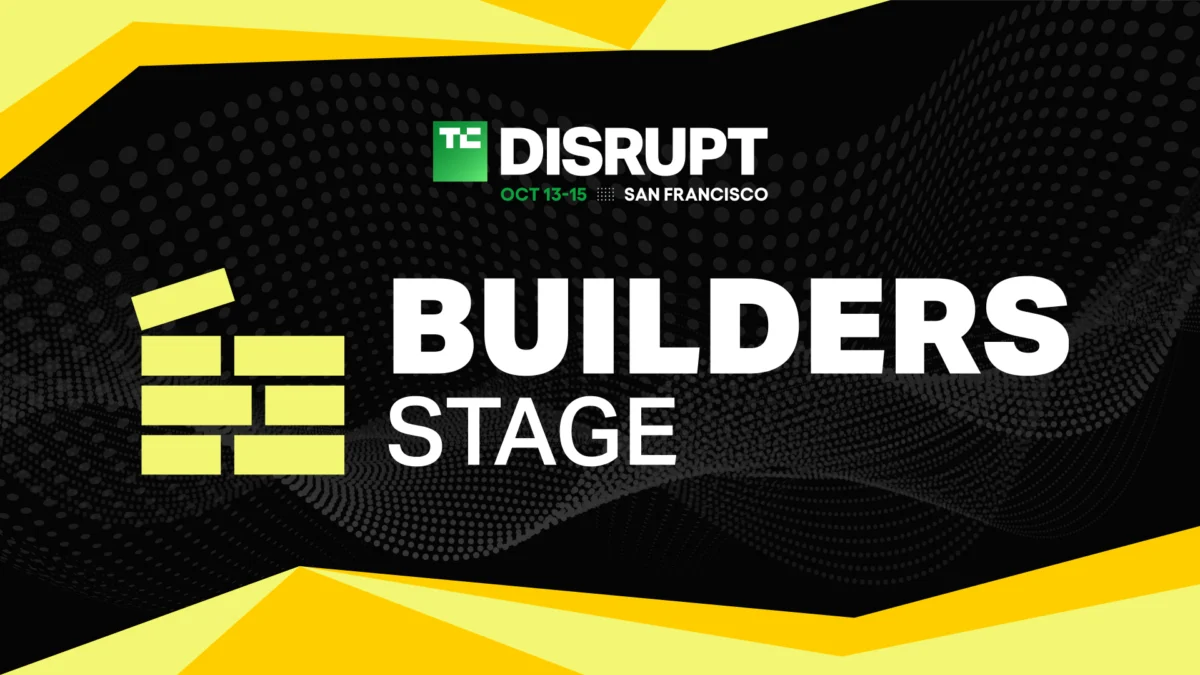
The Builders Stage is officially set to return to TechCrunch Disrupt 2026, marking a pivotal moment for the global startup ecosystem as it convenes at the Moscone Center in San Francisco from October 13-15. This year’s programming is designed to address the unique complexities of building and scaling companies in a market increasingly defined by rapid artificial intelligence integration, tightening venture capital standards, and a fundamental shift in go-to-market strategies. With an anticipated attendance of over 10,000 founders, investors, and startup operators, the Builders Stage serves as the operational heart of the conference, offering a curriculum focused on the transition from seed-stage innovation to Series A sustainability and beyond.
Navigating the 2026 Tech Landscape: Event Context and Evolution
TechCrunch Disrupt has long served as a bellwether for the technology industry, famously launching companies like Dropbox and Cloudflare through its Startup Battlefield competition. However, as the venture landscape has matured, the event has evolved from a pure showcase into a high-level educational summit. The 2026 iteration arrives at a time when the "move fast and break things" mantra has been replaced by a demand for "efficient growth" and "defensible innovation."
The Builders Stage is one of six specialized industry stages at Disrupt 2026. Its primary objective is to provide a "how-to" manual for the modern founder. While other stages may focus on the philosophical implications of technology or specific sectors like Fintech or SaaS, the Builders Stage is dedicated to the mechanics of company building. This includes the granular details of hiring in a hybrid AI-human environment, navigating the "Series A chasm," and managing the psychological toll of leadership in high-stakes environments.
Chronology of the 2026 Agenda: A Three-Day Deep Dive
The programming for the Builders Stage is structured to mirror the lifecycle of a growing enterprise. The agenda begins with early-stage survival and moves toward late-stage optimization.
Day One: The Foundation of Growth and the AI Moat
The opening sessions of the Builders Stage will tackle the most pressing question for contemporary founders: how to maintain a competitive advantage when the underlying technology is moving faster than the products built upon it.
One of the most anticipated sessions, "What Happens When OpenAI Ships Your Roadmap," features Michel Tricot (Airbyte), Rob Toews (Radical Ventures), and Linda Tong (Webflow). This panel will analyze the "platform risk" inherent in the current AI era, where foundational model providers can inadvertently or intentionally commoditize their ecosystem partners. Industry analysts suggest that by 2026, the ability to build "verticalized" or "workflow-integrated" defensibility will be the only way for startups to survive the expansion of giants like OpenAI and Anthropic.

Later in the day, the focus shifts to fundraising with "Winning Pre-Seed Without a Product." Featuring insights from Puneet Agarwal (True Ventures) and Austin Clements (Slauson and Co), the session highlights a return to "conviction-based" investing. In an era where AI can generate code and prototypes in minutes, investors are increasingly looking for "founder-market fit" and compelling narratives rather than just early-stage metrics.
Day Two: Operational Scaling and the $10 Million ARR Baseline
The second day of the Builders Stage addresses the operational shifts required to move from a "hit product" to a "repeatable company." Robby Stein, VP of Product at Google, will lead a fireside chat titled "From MVP to Billions of Users." Stein’s perspective is particularly relevant as startups in 2026 are scaling faster than ever before, often reaching millions of users before they have established robust internal governance.
A significant portion of the afternoon is dedicated to the new financial realities of the mid-2020s. The session "The 90-Day GTM: Why $0–$10M ARR Is the New Baseline" will explore how AI-enabled sales and distribution have compressed traditional timelines. Ryan Meadows (Lovable) and Tomasz Tunguz (Theory Ventures) will discuss why the traditional "Series A milestones" have shifted. Data from 2024 and 2025 suggests that the average ARR required for a successful Series A in the US tech market has climbed from $1.5 million to nearly $5 million, with investors expecting a clear path to $10 million within 12 to 18 months of funding.
Day Three: Exit Strategies and the Human Element
The final day of the Builders Stage looks toward the future of the company and the founder. "M&A Is Now an Early-Stage Strategy" features Karl Alomar (M13) and Aklil Ibssa (Coinbase), reflecting a shift in the exit landscape. With the IPO window remaining selective, many founders are now architecting their companies for acquisition from day one. This session will provide a tactical breakdown of how to build product strategies that align with the corporate development roadmaps of major tech incumbents.
The stage will also host a candid conversation titled "Yes, It’s Hard to Be a Founder," featuring mental health experts and veteran entrepreneurs like Jack Withinshaw (Airspeeder). This session addresses the rising rates of burnout in the tech sector, which industry surveys indicate reached record levels in the post-pandemic, AI-hype era. The goal is to provide leaders with the "psychological infrastructure" necessary to sustain long-term performance.
Supporting Data: The Economic Reality of Disrupt 2026
The agenda for the Builders Stage is not created in a vacuum; it is a response to specific market data points that have emerged over the last 24 months.
- The Talent War: According to recent labor statistics, the cost of top-tier AI engineering talent has increased by 40% since 2024. The session "Hiring, Compensation and Culture in the Most Competitive Market Ever" addresses this by exploring how startups can use secondary sales and culture as leverage against the massive compensation packages offered by Big Tech.
- The Funding Gap: While total VC investment in AI remains high, "non-AI" startups have seen a 25% decrease in total funding rounds. The session "How to Win When You’re Not Building AI" is a direct response to this data, helping founders in traditional sectors like logistics, healthcare, and infrastructure articulate their value proposition to an AI-distracted market.
- The Efficiency Mandate: The rise of AI "co-founders" and autonomous agents has allowed the "revenue per employee" metric to skyrocket. Successful startups in 2026 are often operating with 50% fewer staff members than their counterparts from 2021, a trend that will be dissected in the "Hiring When AI Is a Co-Founder" session.
Official Responses and Industry Impact
Industry leaders have expressed that the return of the Builders Stage is a necessary recalibration for the tech community. Grant Lee, CEO and co-founder of Gamma, noted that the current market requires a "return to fundamentals." He stated that the "Zero-to-1K Playbook" session, which he will lead, is designed to help founders move away from expensive marketing spend toward "founder-led distribution."

Similarly, investors like Jahanvi Sardana of Index Ventures have signaled that the "Series A in 2027" session will be a "reality check" for founders. Sardana emphasizes that the "fundability" of a company is no longer just about growth rates, but about "unit economics and capital efficiency."
The broader impact of TechCrunch Disrupt 2026 is expected to resonate well beyond the three-day event. By gathering 10,000 stakeholders in San Francisco, the conference aims to reinforce the city’s status as the global epicenter of the AI revolution. Local economic analysts suggest the event will generate significant revenue for the city’s hospitality and service sectors, further fueling the "SF Tech Renaissance" that began in the early 2020s.
Strategic Implications for Attendees
For founders, the Builders Stage offers more than just information; it provides a networking nexus. The inclusion of live Q&A sessions and case studies ensures that the "theoretical" advice often found at tech conferences is replaced by "actionable" intelligence.
The emphasis on "Tokenmaxxing" and "Multi-Model Worlds" reflects the technical reality that most startups are no longer building on a single stack. This shift toward "orchestration" over "single-model dependence" is a critical strategic pivot that will likely define the successful startups of the late 2020s.
As ticket prices are set to increase, organizers are encouraging early registration to ensure that a diverse range of founders—not just those with deep venture backing—can access this knowledge. The current discount of up to $330 is positioned as an incentive for early-stage teams to secure their place in what is shaping up to be the most consequential TechCrunch Disrupt in a decade.
In conclusion, TechCrunch Disrupt 2026 and its Builders Stage represent a focused attempt to codify the rules of the "New Economy." By blending tactical operational advice with high-level market analysis, the event serves as a critical resource for those looking to navigate the transition from a "hype-driven" startup to a "value-driven" enterprise. As the tech world prepares to descend on San Francisco this October, the Builders Stage agenda stands as a roadmap for the next generation of industry leaders.