Ena Muazin
The delicate optimism surrounding a potential de-escalation in the Iran conflict has dramatically evaporated, sending shockwaves through global financial markets. The recent seizure of an Iranian cargo ship by the United States, coupled with the renewed closure of the strategically vital Strait of Hormuz, has triggered a sharp ascent in oil prices, with crude benchmarks surging by over seven percent. This development signals a significant shift in market sentiment, moving away from hopes of peace towards heightened geopolitical risk and its immediate economic consequences.
A Volatile Market Reacts to Escalation
As of early Monday trading, West Texas Intermediate (WTI) crude oil prices had breached the $90 per barrel mark, representing an increase of more than seven percent from the previous day’s close. Simultaneously, Brent crude, the international benchmark, approached $95 per barrel. This surge is particularly stark when contrasted with the price trajectory at the onset of the conflict in late February, when Brent crude was trading below $70 per barrel. The rapid escalation in oil prices underscores the market’s sensitivity to any disruption in the supply of this critical commodity, especially when originating from or transiting through politically volatile regions.
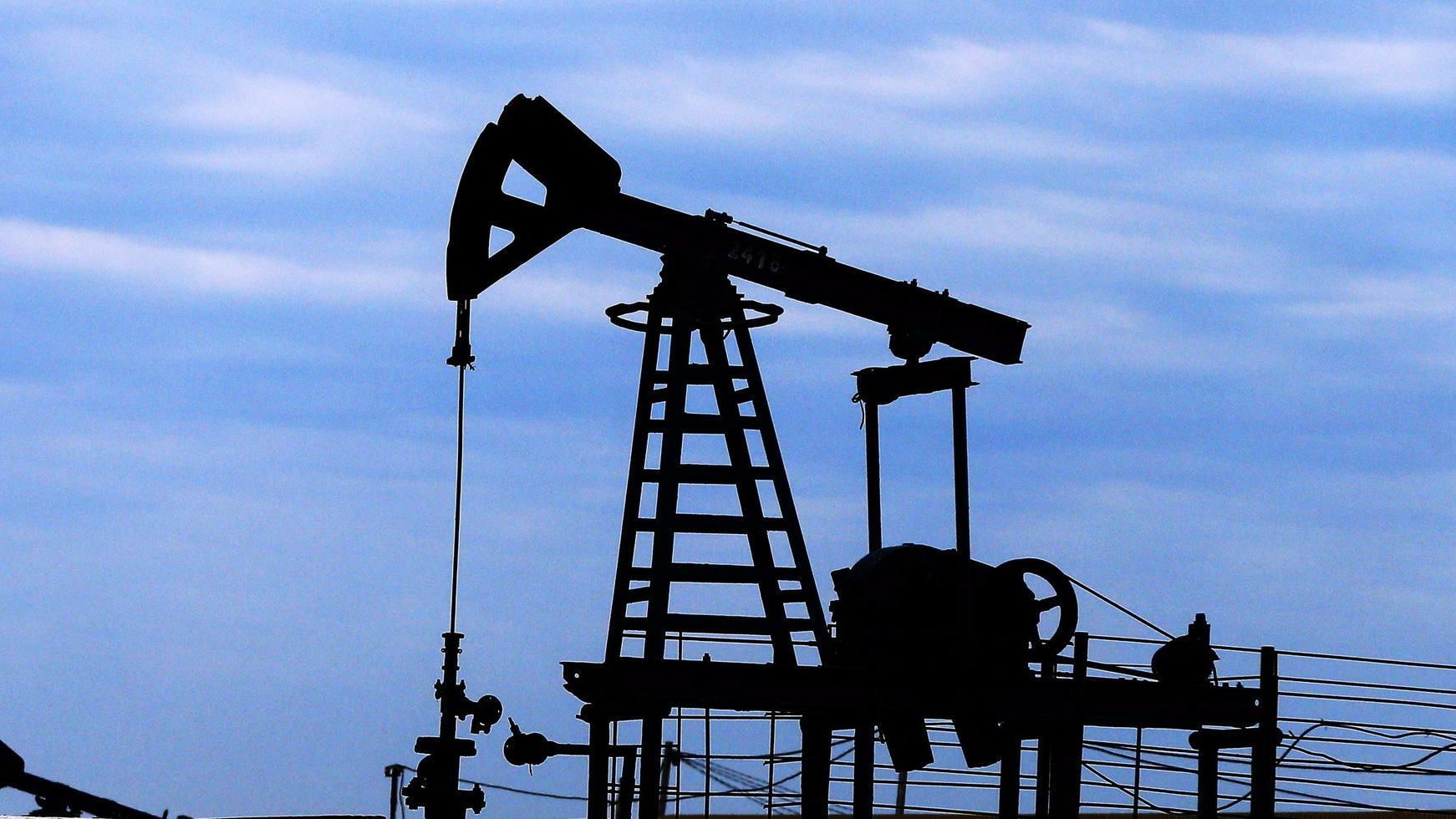
The immediate catalyst for this market turmoil appears to be a two-pronged development: the U.S. seizure of an Iranian cargo vessel and the subsequent closure of the Strait of Hormuz. This strategic waterway, through which approximately one-fifth of the world’s oil supply passes, is a critical chokepoint for global energy security. Any impediment to its operation has an immediate and profound impact on supply expectations and, consequently, on prices.
Geopolitical Undercurrents and Historical Precedents
The events of the past few days are not isolated incidents but rather the latest chapter in a long-standing history of geopolitical friction between Iran and Western powers, particularly the United States. The Strait of Hormuz has repeatedly been a focal point of such tensions. In the past, Iran has threatened to close the strait in response to perceived provocations or international pressure, a threat that has always sent tremors through the global oil market.
The U.S. seizure of the cargo ship, details of which remain somewhat opaque, is likely interpreted by Iran as a significant act of aggression. The Iranian response, in turn, has been to effectively seal off the strait, cutting off a vital artery for international trade and energy transport. This action serves a dual purpose for Iran: it is a direct retaliatory measure and a demonstration of its ability to disrupt global energy flows, thereby exerting leverage on the international stage.
The context of the ongoing conflict, which has already created significant supply chain vulnerabilities, amplifies the impact of these new developments. Nations heavily reliant on oil imports, and indeed the global economy as a whole, are once again facing the prospect of sustained high energy costs, which can fuel inflation and dampen economic growth.
Financial Markets Brace for Impact
The ripple effects of the escalating oil prices are already being felt across broader financial markets. U.S. stock index futures, which typically serve as a barometer for the opening sentiment on Wall Street, are indicating a subdued start to the trading week. As of Sunday evening (local time), Dow Jones futures were down more than 400 points, or nearly one percent, while S&P 500 futures showed a decline of approximately 0.7 percent. This negative sentiment suggests that investors are pricing in the increased geopolitical risk and its potential economic fallout, including higher energy costs and a potential slowdown in corporate earnings.
Furthermore, the U.S. Dollar Index, which measures the greenback’s strength against a basket of six major currencies, has risen by up to 0.3 percent, reaching its highest level in a week. This uptick in the dollar can be attributed to its traditional role as a safe-haven asset during times of geopolitical uncertainty. Investors often flock to the dollar when global risks increase, seeking refuge from volatility in other asset classes.
The Economic Ramifications of Disrupted Supply
The surge in oil prices carries significant implications for the global economy. For consumers, higher fuel costs translate directly into increased expenses for transportation, heating, and a wide array of goods and services that rely on oil as an input. This can lead to a squeeze on household budgets and a reduction in consumer spending, a critical driver of economic growth.
For businesses, elevated energy prices increase operating costs, potentially impacting profit margins and investment decisions. Industries heavily reliant on energy, such as transportation, manufacturing, and petrochemicals, are particularly vulnerable. Companies may be forced to pass on these increased costs to consumers, further contributing to inflationary pressures.
On a macroeconomic level, sustained high oil prices can contribute to stagflationary scenarios, characterized by a combination of rising inflation and stagnant economic growth. Central banks worldwide may face difficult decisions, balancing the need to control inflation with the risk of further dampening economic activity.

Historical Context and Potential for Wider Conflict
The Strait of Hormuz has been a flashpoint for decades. Iran, possessing the ability to exert significant influence over maritime traffic, has often used the threat of closure as a strategic tool. The U.S. response has historically involved naval presence and diplomatic efforts to ensure freedom of navigation. The current situation appears to be an intensification of these long-standing dynamics.
The seizure of an Iranian vessel by the U.S. Navy, if confirmed and corroborated, represents a significant escalation. While the specific nature of the cargo and the rationale for the seizure are not yet fully detailed, such actions can be perceived as direct challenges to Iran’s sovereignty and economic interests. Iran’s subsequent decision to close the Strait of Hormuz is a potent countermeasure, demonstrating its capacity to inflict significant economic pain on a global scale.
The implications extend beyond immediate oil prices. A prolonged closure or severe disruption of the Strait of Hormuz could lead to widespread supply shortages, impacting not only energy but also other vital commodities. This could trigger a broader economic crisis, with far-reaching consequences for international trade, geopolitical stability, and global security.

Official Reactions and International Diplomacy
While specific official statements from Iran and the United States regarding the precise details of the ship seizure and the closure of the Strait of Hormuz are still emerging, the broader geopolitical context suggests a period of heightened diplomatic tension. International bodies, such as the United Nations, are likely to be closely monitoring the situation and may call for de-escalation and dialogue.
The involvement of the German Navy in preparing an Einsatz (operation) in the Strait of Hormuz, as indicated by related content, suggests that European nations are also preparing for potential contingencies. This underscores the global significance of the waterway and the shared interest in maintaining its stability. The actions of naval forces in the region will be crucial in determining whether the situation de-escalates or further deteriorates.
Looking Ahead: The Balancing Act of Global Economics and Geopolitics
The current situation presents a complex interplay between geopolitical events and their immediate economic repercussions. The surge in oil prices is a direct consequence of heightened tensions and the perceived threat to supply. The market’s reaction highlights the fragility of global energy security and the significant leverage that key producers or transit countries can wield.

As the situation unfolds, the focus will remain on diplomatic efforts to de-escalate tensions and reopen the Strait of Hormuz. The economic consequences of sustained disruption could be severe, impacting inflation, growth, and international trade. The ability of world leaders to navigate this delicate balance between geopolitical objectives and economic stability will be paramount in the coming weeks and months. The market’s volatility serves as a stark reminder of the interconnectedness of global affairs and the profound impact that regional conflicts can have on the worldwide economic landscape. The events of this past weekend have definitively shifted the narrative from potential peace to palpable risk, with significant implications for the global economy.