Ena Muazin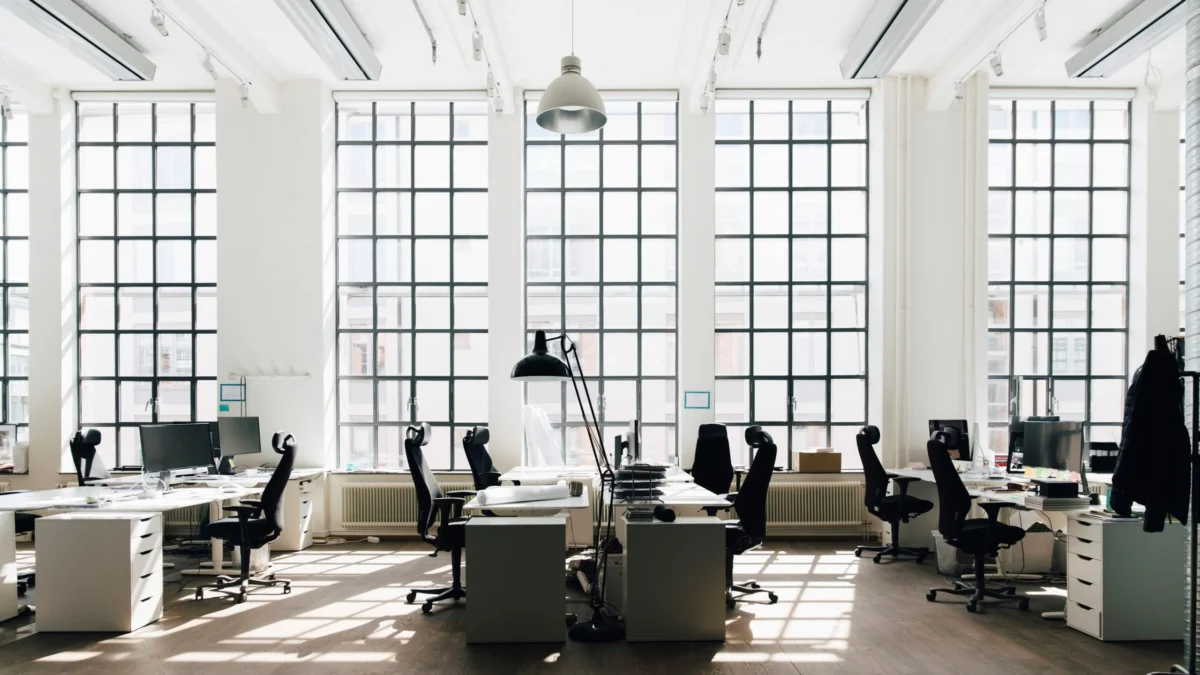
The commercial real estate market is undergoing a significant transformation, with older office buildings constructed before the year 2000, particularly those situated in peripheral locations, facing mounting challenges. These properties are experiencing protracted periods of difficulty in securing tenants. This trend is driven by a pronounced shift in tenant demand, with businesses increasingly prioritizing modern, sustainable, and flexible office spaces located in central, well-connected urban areas.
"The migration of demand towards higher quality and central locations is leading to a decline in the attractiveness of peripheral and less competitive sites, resulting in rising vacancy rates," states Jan-Niklas Rotberg of the real estate consultancy Savills. This observation encapsulates a broader industry-wide phenomenon that is reshaping the landscape of commercial office spaces. The once-reliable income streams from these older, out-of-town properties are now under pressure, forcing owners and investors to re-evaluate their strategies and potentially invest substantial capital to remain competitive.
The Erosion of Peripheral Property Value
For decades, businesses sought office space based on factors such as affordability and accessibility for a dispersed workforce. However, the advent of new working models, coupled with a heightened awareness of environmental sustainability and the desire for vibrant, amenity-rich work environments, has fundamentally altered these priorities. Tenants, particularly those in growth sectors like technology and professional services, are actively seeking spaces that reflect their corporate identity and foster collaboration and innovation.
Older office buildings, often characterized by outdated infrastructure, inflexible layouts, and lower energy efficiency, are struggling to meet these evolving expectations. The cost of retrofitting these properties to modern standards can be prohibitive, leading many to question the long-term viability of such investments. The "flight to quality" – a well-documented trend in real estate – is not merely a preference but a necessity for businesses aiming to attract and retain top talent in today’s competitive job market. A modern, well-designed office space can serve as a significant recruitment tool, offering amenities like advanced technology, collaborative zones, fitness facilities, and convenient access to public transportation and urban lifestyle hubs.
A Deep Dive into the Data
The statistics emerging from various real estate market reports paint a stark picture. Across major metropolitan areas, vacancy rates in prime, central business districts have remained relatively stable or even shown signs of improvement as demand consolidates. Conversely, buildings in suburban or peripheral zones, especially those lacking modern amenities or undergoing significant obsolescence, are reporting a substantial increase in vacant square footage.
For instance, reports from industry analysts indicate that in some European cities, vacancy rates in older, non-prime office stock have climbed by as much as 15-20% over the past three to five years. This translates into millions of square meters of underutilized space, impacting property valuations and the financial health of landlords. The economic fallout extends beyond the property owners themselves, affecting local economies that relied on the foot traffic and spending generated by office workers.
Furthermore, the investment landscape is mirroring this shift. Institutional investors and private equity firms are increasingly divesting from older, less desirable office assets and redirecting capital towards new developments or substantial refurbishments of existing prime properties. This reallocation of capital further exacerbates the challenges faced by owners of obsolete office buildings, making it harder to secure financing for necessary upgrades or even to sell the properties at a desirable price.
The Driving Forces Behind the Demand Shift
Several interconnected factors are contributing to this paradigm shift in office space demand:
- The Rise of Hybrid and Flexible Work Models: The widespread adoption of hybrid work arrangements has fundamentally altered the way companies view their office needs. Many organizations are now downsizing their physical footprint, opting for smaller, more agile spaces that can accommodate fluctuating employee numbers and support a blend of in-office and remote work. This necessitates offices that are highly functional, technologically equipped for seamless remote collaboration, and offer an attractive reason for employees to come to the office.
- Sustainability and ESG Imperatives: Environmental, Social, and Governance (ESG) considerations are no longer a niche concern but a core strategic imperative for most businesses. Tenants are actively seeking energy-efficient buildings that minimize their carbon footprint. Older buildings often struggle to meet modern energy performance standards, requiring significant investment in insulation, HVAC systems, and renewable energy sources. Buildings with strong ESG credentials can command higher rents and attract tenants with a genuine commitment to sustainability.
- The "War for Talent": In a competitive job market, the office environment plays a crucial role in attracting and retaining skilled employees. Modern offices that offer a superior employee experience, including advanced amenities, collaborative spaces, and a focus on well-being, are highly sought after. Older, less inspiring spaces are perceived as a disadvantage in this "war for talent."
- Urban Regeneration and Infrastructure Investment: Many city centers have benefited from significant investment in public transportation, urban regeneration projects, and the creation of vibrant mixed-use developments. This has made central locations more accessible, desirable, and convenient for employees, further diminishing the appeal of peripheral office parks.
A Chronology of Change
The roots of this transformation can be traced back over the last two decades, accelerating significantly in the past ten years.
- Early 2000s: The initial signs of a shift began to emerge as technology companies and a more mobile workforce started to question the traditional office model. Early adopters of flexible working and co-working spaces began to appear.
- 2010s: The concept of "employer branding" gained prominence, with companies recognizing the office as an extension of their brand and a tool for attracting talent. Sustainability also started to become a more significant factor in corporate real estate decisions.
- Late 2010s: The rise of proptech (property technology) began to offer solutions for smarter, more flexible office spaces, further increasing tenant expectations.
- 2020 onwards: The COVID-19 pandemic acted as a major catalyst, forcing a widespread adoption of remote and hybrid work. This event irrevocably changed the demand for office space, accelerating the trends that were already in motion and placing a spotlight on the deficiencies of older, less adaptable buildings.
Official Responses and Industry Reactions
Real estate developers and investors are responding to these market dynamics in various ways. Some are actively pursuing aggressive refurbishment programs, investing heavily in upgrading older buildings to meet modern sustainability and technological standards. This often involves gutting and reconfiguring interiors, improving energy efficiency, and incorporating smart building technologies.
Others are exploring alternative uses for their underperforming office assets. Conversions into residential units, hotels, or mixed-use developments are becoming increasingly common, especially in areas where there is a strong demand for these alternative property types. However, such conversions can be complex and costly, requiring zoning changes and significant architectural redesign.
The financial sector is also adapting. Lenders are becoming more selective in their financing of office projects, favoring those with strong ESG credentials and located in prime, in-demand areas. This can make it more challenging for owners of older, peripheral properties to secure the necessary capital for upgrades or even to refinance existing loans.
"We are seeing a bifurcation of the market," comments Sarah Jenkins, a senior analyst at a leading property research firm. "Prime, modern, and sustainable office buildings are performing well, attracting strong tenant interest and stable rental growth. In contrast, older, less desirable stock is facing significant headwinds, with downward pressure on rents and increasing vacancy. The challenge for owners of these properties is to either invest significantly to bring them up to standard or consider alternative uses."
Broader Impact and Implications
The ongoing recalibration of the office market has far-reaching implications:
- Urban Planning and Development: Cities may need to reconsider their urban planning strategies to accommodate the changing needs of businesses and residents. This could involve incentivizing the conversion of obsolete office buildings, promoting mixed-use development, and enhancing public transportation to central business districts.
- Economic Impact on Peripheral Areas: Areas heavily reliant on older office parks may experience economic decline if these properties remain vacant. This could lead to reduced local tax revenues and fewer employment opportunities. Strategies to revitalize these areas, perhaps by attracting different types of businesses or investing in community amenities, will be crucial.
- Investment Strategies: Investors in commercial real estate need to be highly discerning. A focus on quality, location, and sustainability is paramount. Diversification into other property sectors or alternative asset classes may also be considered to mitigate risks associated with the office market.
- The Future of Work: The long-term impact on the future of work is still unfolding. However, it is clear that the traditional office model is evolving, with a greater emphasis on flexibility, employee well-being, and the creation of spaces that foster collaboration and innovation.
In conclusion, the commercial real estate sector is navigating a period of profound change. The obsolescence of older, peripheral office buildings is not merely a cyclical market fluctuation but a structural shift driven by evolving tenant demands and broader societal trends. Owners and investors who fail to adapt to the "flight to quality," sustainability, and flexibility will likely face escalating challenges in the years to come. The ability to reimagine, repurpose, or significantly upgrade these assets will be the key determinant of their future success in a market that increasingly values modernity, sustainability, and centrality.