Ella Zulfa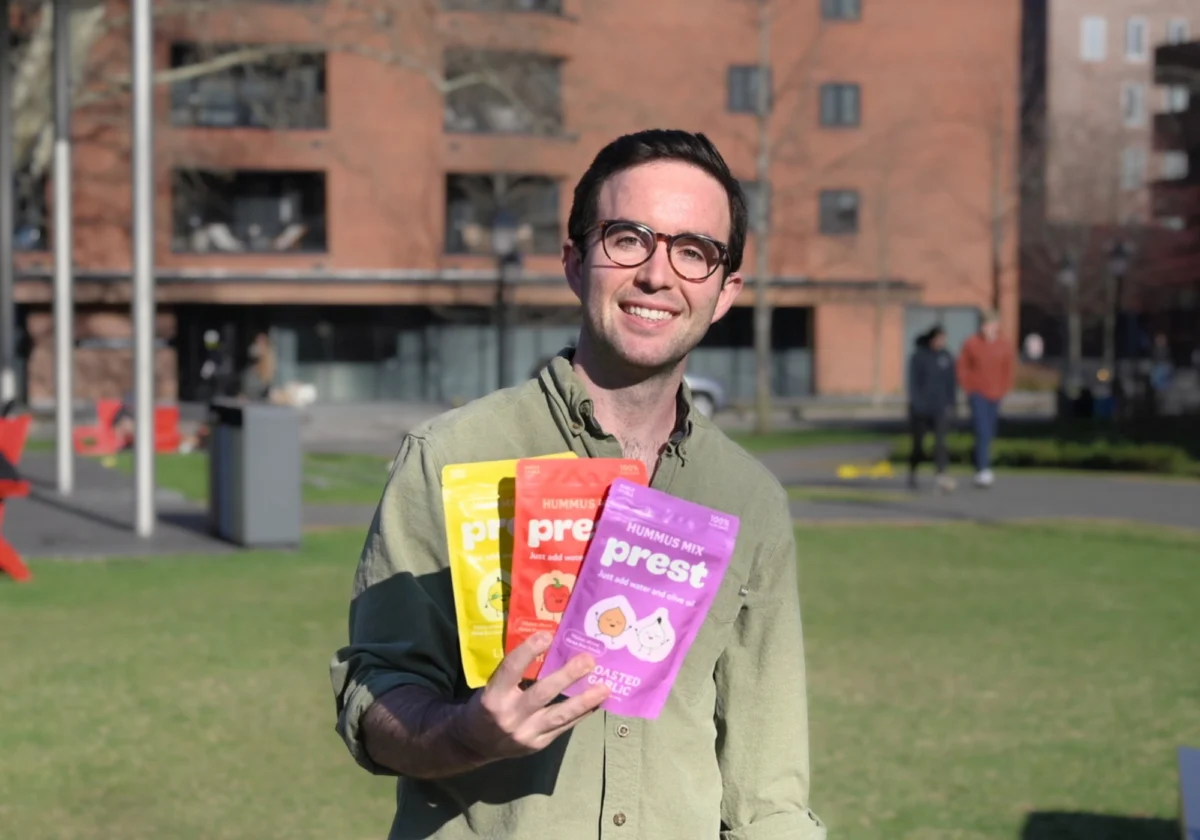
Brian Youngblood, a 28-year-old Harvard Business School student, has transformed a common culinary annoyance into a burgeoning business, Prest, a brand of shelf-stable hummus. Youngblood’s journey from a personal frustration to a promising consumer packaged goods (CPG) venture highlights the power of identifying unmet needs and leveraging educational insights alongside practical entrepreneurial grit. His experience, chronicled in a recent Q&A, offers a compelling case study for aspiring entrepreneurs navigating the complexities of launching a product while balancing demanding academic pursuits.
The genesis of Prest lies in a seemingly simple, yet pervasive, problem: the rapid spoilage of traditional hummus. Youngblood, like many consumers, found himself discarding half-used tubs of the popular dip due to its short shelf life after opening. This personal inconvenience, coupled with his prior experience at Mill, a food waste startup, ignited a deeper exploration into food preservation and consumer waste. "Over a third of the food that we produce gets wasted, and the majority of that is at the consumer level," Youngblood stated, underscoring the broader societal implications that fueled his entrepreneurial drive. He recognized that beyond traditional composting methods, innovative solutions were needed to prevent food waste at its source.
The core innovation behind Prest is its shelf-stable, powdered formulation. This approach directly addresses the shortcomings of conventional hummus, which often relies on preservatives and less desirable oils like soybean or canola to extend its refrigerator life. Youngblood’s vision was to create a product that could be reconstituted on demand, offering the freshness of homemade hummus without the rapid spoilage or the need for immediate consumption. "What if hummus could be shelf-stable, made fresh on demand with little effort and actually taste great?" he mused, articulating the central question that guided his product development.
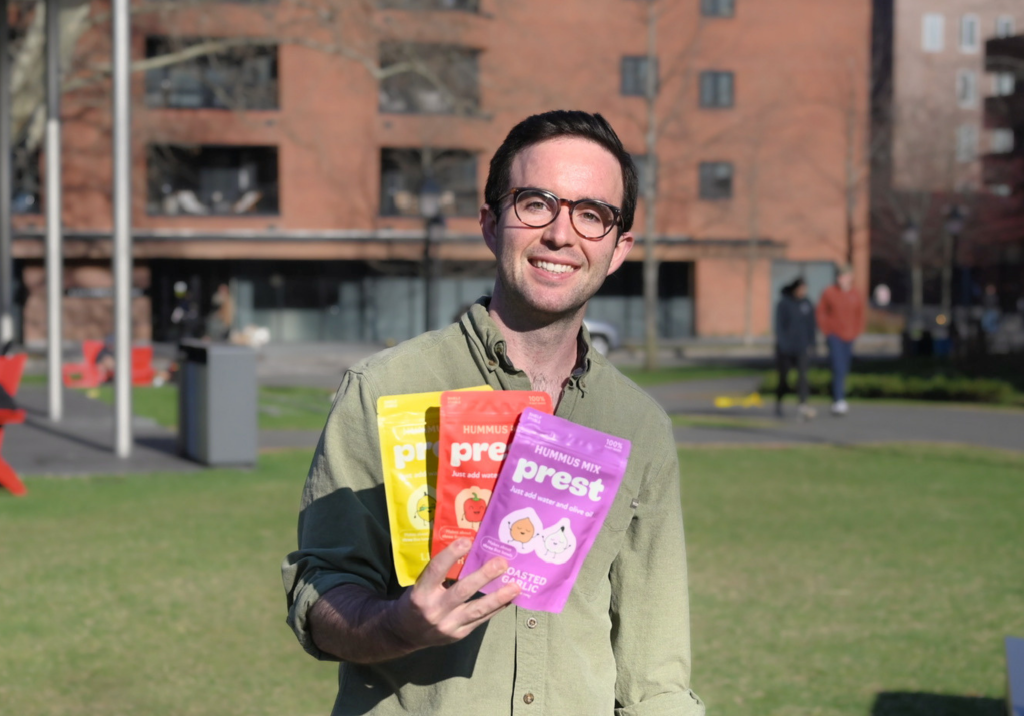
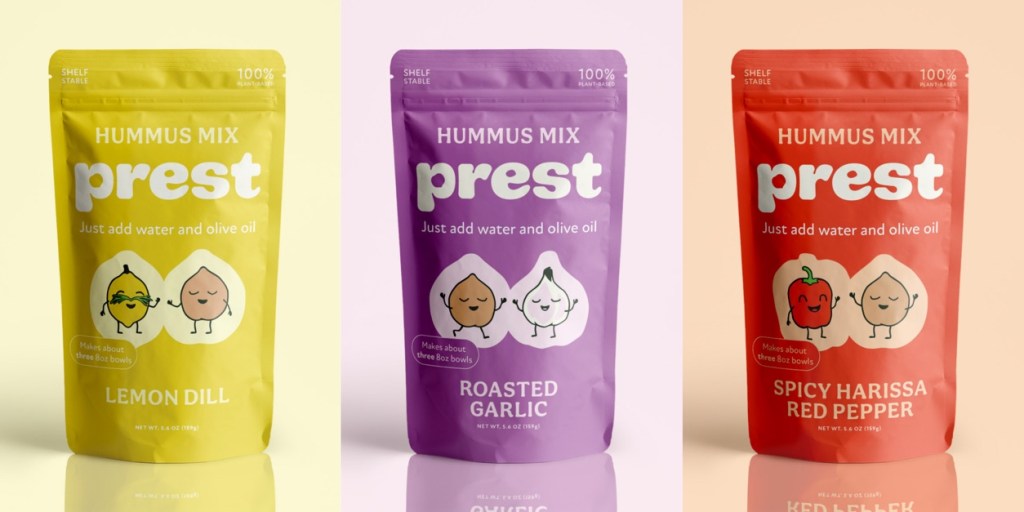
Launching Prest in March of the current year, Youngblood introduced three initial flavors: Lemon Dill, Roasted Garlic, and Spicy Harissa Red Pepper. The decision to focus on a powdered format was strategic, enabling consumers to prepare precise quantities, thereby minimizing individual waste and maximizing convenience. This product innovation comes at a time when consumer demand for convenient, yet healthier, food options continues to grow. The global hummus market, for instance, is projected to reach over $8 billion by 2027, indicating a substantial and expanding consumer base for such products.
The entrepreneurial journey for Youngblood began in earnest in November of the previous year, shortly after commencing his MBA at Harvard Business School in September. His initial experiments were conducted within the confines of his dorm room, a space that quickly proved inadequate. The practicalities of cooking chickpeas, which transformed his living quarters into a "sauna," necessitated a move to a more suitable production environment. He secured access to a donut shop’s kitchen in Cambridge during off-hours, a testament to his resourcefulness and determination.
"For months, I’d bike 20 minutes with chickpeas in my backpack, make batches and run blind taste tests with friends, classmates and anyone else willing to try it," Youngblood recounted, illustrating the hands-on, iterative process involved in product refinement. This period of intense experimentation and feedback gathering was crucial in shaping the final product. The initial investment for this phase was modest, estimated in the "few thousand dollars" to achieve a satisfactory product. Subsequent investments in manufacturing, branding, and business setup followed, leading to the initial launch.
Navigating the complexities of the consumer packaged goods (CPG) industry, especially for a novel product like shelf-stable hummus, required Youngblood to seek resources beyond the traditional business school curriculum. He actively engaged with external communities and industry networks, recognizing that his venture diverged from conventional startup models often discussed in academic settings. Organizations such as Startup CPG, CPGD, and the Naturally Network proved invaluable, providing guidance on industry best practices, essential tools, and foundational knowledge.
"I quickly realized that shelf-stable hummus wasn’t your classic business school startup," Youngblood admitted. His proactive outreach extended to attending industry trade shows like FancyFood in New York City and IFT Chicago. These events provided critical opportunities to connect with suppliers, learn from established brands, and explore potential future partnerships. The emphasis on in-person connections, he stressed, is paramount in building a business. "There is always someone with more experience, and the great thing about consumer packaged goods (CPG) is that they’ll probably be willing to help. But people want to know you and why in the world you chose to do this." This sentiment highlights the human element that underpins successful business development, particularly in sectors reliant on trust and personal relationships.
One of the most significant lessons Youngblood has learned throughout his entrepreneurial journey is the value of transparency and early engagement. He advocates strongly for "building in public," a strategy that involves openly sharing the development process, soliciting feedback, and involving a broader community in the venture’s evolution. "I wish I had done that from day one rather than waiting until I felt more confident in my direction," he reflected. While acknowledging the challenges of documenting every step as a solo founder, he believes this approach accelerates learning and fosters a more engaging and memorable experience.
The CPG landscape often presents unexpected hurdles. Youngblood shared an instance where a critical manufacturing issue threatened to derail a crucial product launch. During the first manufacturing run, the pouches failed to open on the co-packer’s machinery, jeopardizing a planned appearance at Expo West the following day. In a race against time, Youngblood and a friend manually opened 5,000 pouches to ensure the run could be completed. This experience, though stressful, provided a clear roadmap for necessary improvements in subsequent production cycles. This incident underscores the importance of contingency planning and the resilience required to overcome unforeseen operational challenges.
The initial market reception for Prest has been promising. The brand generated approximately $3,600 in revenue within its first week of operation and is on track to achieve around $7,000 in its inaugural month. Growth has been primarily organic, driven by word-of-mouth referrals from friends, social media engagement, and in-person sampling events. Prest products are currently available through the company’s website and on TikTok Shop, platforms that offer direct access to a digitally native consumer base.
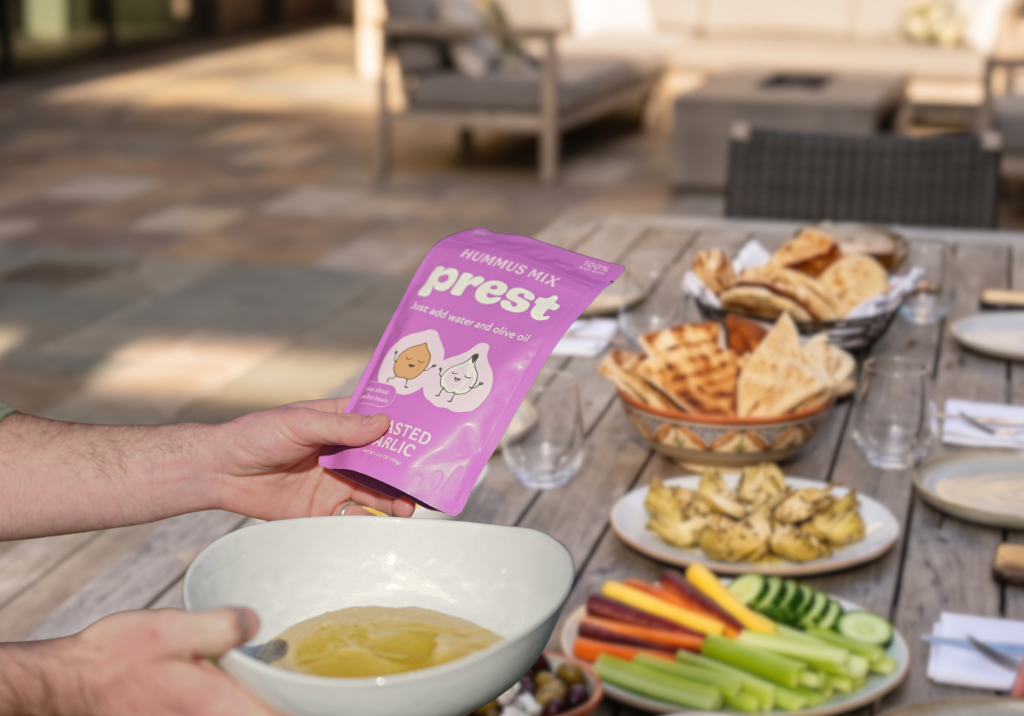
Looking ahead, Youngblood outlines an ambitious growth strategy. The next phase involves establishing a presence at farmers markets, securing distribution within produce and gifting boxes, and exploring innovative channels for its shelf-stable product. With these initiatives, Prest projects reaching approximately $500,000 in sales within its first year of operation. This projection reflects a robust market opportunity and a well-defined plan for scaling the business.
Balancing academic demands with entrepreneurial responsibilities requires a significant time commitment. Youngblood estimates dedicating around 25 hours per week to Prest while attending school, a figure he anticipates will increase post-graduation. The dynamic nature of his MBA schedule necessitates flexible work hours, often involving late-night content creation for social media. He expresses a deep respect for content creators, acknowledging the demanding nature of building a brand’s online presence.
What Youngblood cherishes most about running Prest is the direct interaction with customers and observing their creative adaptations of the product. As an engineer, he initially felt apprehensive about consumers altering his formulations. However, he has found the ingenuity and diverse applications of Prest by customers to be a source of inspiration, fueling his own creativity and a desire for further experimentation. The broad appeal of Prest across different demographics and for various culinary purposes has been a particularly rewarding aspect of the venture.
Youngblood’s most potent advice for aspiring entrepreneurs is to "start before you feel ready and talk about what you’re building." He emphasizes that continuous conversation and engagement with others have been instrumental in refining his business strategy and identifying new opportunities. The benefits of sharing an idea, he argues, far outweigh the perceived risks of keeping it secret. Furthermore, he champions the principle of simplifying one’s life early on by leveraging platforms, partners, and systems. This allows entrepreneurs to concentrate on core objectives, such as delivering the product to consumers and gathering valuable feedback, which are essential for sustained growth and innovation. The entrepreneurial spirit, as exemplified by Brian Youngblood and his innovative hummus venture, continues to shape the CPG landscape, demonstrating that even the most common frustrations can be fertile ground for groundbreaking business ideas.