Ena Muazin
The German stock market’s leading index, the DAX, experienced a slight uptick on Friday, signaling a pause in its recent rally. While gains were more subdued compared to the preceding trading days, the market’s attention remained firmly fixed on the ongoing diplomatic efforts surrounding the Iran conflict. This cautious sentiment reflects a broader market strategy of assessing the sustainability of recent positive trends against the backdrop of geopolitical uncertainties.
Market Performance and Current Trends
On Friday, the DAX was trading marginally higher, indicating a consolidation phase after a period of significant gains. The index was quoted at 24,272 points by midday, representing a modest increase of 0.5 percent. This followed a strong performance on Thursday, where the DAX had climbed to an intraday high of 24,260 points, its highest level in six weeks. By the close of trading on Thursday, the German benchmark index had settled 0.4 percent higher at 24,154 points.
The current market behavior suggests investors are adopting a wait-and-see approach. While the prospect of de-escalation in the Iran conflict has provided a significant boost to global markets, including the DAX, there is an underlying awareness of the potential for renewed volatility. The subdued gains on Friday can be interpreted as a sign that the initial exuberance has tempered, and market participants are now looking for more concrete indicators of a sustained resolution before committing to further aggressive buying.
Geopolitical Underpinnings: The Iran Conflict and Market Sentiment
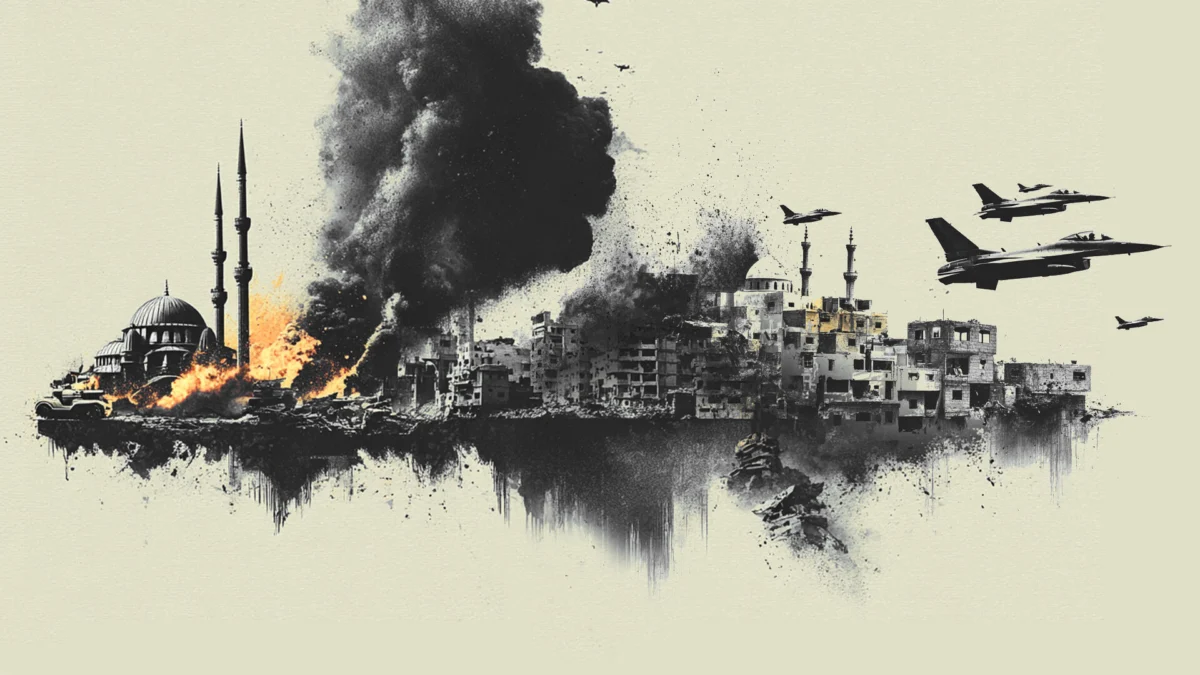
The primary driver behind the recent market buoyancy has been the ongoing diplomatic engagement between the United States and Iran. Reports of potential renewed talks have fueled investor optimism for an end to the protracted conflict. Historically, periods of heightened geopolitical tension have led to increased market volatility, with significant impacts on commodity prices, supply chains, and overall investor confidence. Conversely, signs of de-escalation typically trigger positive market reactions as the perceived risks diminish.
The current situation, however, is nuanced. While diplomatic overtures are a positive development, the protracted nature of such negotiations, particularly in complex geopolitical scenarios like the Iran conflict, means that a swift resolution is not guaranteed. Analysts are observing these developments closely, recognizing that while positive sentiment is a powerful short-term driver, fundamental economic factors and the actual cessation of hostilities will ultimately determine the long-term market trajectory.
Expert Analysis and Market Outlook
Market analysts are offering a range of perspectives on the current market dynamics and future outlook. Thomas Altmann from QC-Partners has cautioned investors against premature optimism, suggesting that the markets, particularly in the US which have seen record highs, might be discounting the Iran conflict too quickly. His concern is that a sustained resolution is not yet assured, and any resurgence of tensions could lead to a significant market correction. Furthermore, Altmann points to the potential for rising interest rates as a factor that could pressure corporate earnings, thereby impacting stock valuations.
Emmanuel Cau from Barclays Bank echoes this sentiment, noting that "the easily achievable price gains are likely behind us." He emphasizes that for markets to continue their upward trajectory, a genuine end to the conflict is likely a prerequisite. This suggests that while short-term rallies can be fueled by hope and speculation, sustainable growth requires a more stable and predictable geopolitical and economic environment.

Historical Context and Precedent
The relationship between geopolitical events and financial markets is well-documented. Major conflicts and diplomatic breakthroughs have consistently influenced market sentiment and performance. For instance, the resolution of past conflicts has often led to significant market rallies, driven by renewed investor confidence and a reduction in perceived risk. However, the path to resolution is rarely linear, and markets often experience periods of volatility as news and developments unfold.
The current situation with Iran is a contemporary example of how geopolitical tensions can impact global markets. The interconnectedness of modern economies means that events in one region can have ripple effects worldwide. The focus on diplomatic channels, while positive, highlights the inherent uncertainty that accompanies such processes. Investors are thus weighing the potential benefits of de-escalation against the risks of continued or renewed conflict.

Broader Economic Implications
Beyond the immediate impact on stock markets, the resolution or de-escalation of the Iran conflict carries broader economic implications. The region plays a crucial role in global energy markets, and any disruption or stabilization in oil and gas supplies can have significant consequences for inflation, transportation costs, and industrial production worldwide.
A sustained peace or significant reduction in tensions could lead to:

- Stabilized Energy Prices: A de-escalation would likely ease pressure on global oil and gas prices, contributing to lower inflation and reduced operating costs for businesses.
- Improved Supply Chain Stability: Reduced geopolitical risk can foster greater confidence in international trade and logistics, leading to more reliable supply chains.
- Increased Investment: A more stable geopolitical environment can encourage both domestic and foreign investment, driving economic growth.
- Currency Fluctuations: Changes in risk perception can influence currency exchange rates, impacting international trade and investment flows.
Conversely, a failure to achieve a lasting resolution could lead to renewed price volatility in energy markets and sustained uncertainty, potentially dampening global economic growth prospects.
The Role of Central Banks and Interest Rates
The comments from analysts regarding potential interest rate hikes are also a critical factor influencing market sentiment. Central banks globally are grappling with the challenge of managing inflation while supporting economic growth. In periods of geopolitical uncertainty, central banks often adopt a more cautious approach to monetary policy.

- Inflationary Pressures: Geopolitical conflicts can exacerbate inflationary pressures, particularly through their impact on energy and commodity prices. This can compel central banks to consider raising interest rates to curb inflation.
- Interest Rate Hikes and Equity Markets: Rising interest rates generally increase borrowing costs for companies and can make fixed-income investments more attractive relative to equities. This can lead to pressure on stock valuations and potentially slow down market growth.
- Economic Growth vs. Inflation: Central banks face a delicate balancing act between controlling inflation and avoiding a recession. The ongoing geopolitical situation adds another layer of complexity to these decisions.
The interplay between geopolitical developments and monetary policy decisions will be crucial in shaping the market’s direction in the coming months.
Investor Strategies in Uncertain Times
In the face of such complex and evolving circumstances, investors are typically advised to maintain diversified portfolios and to exercise caution. Strategies often employed during periods of geopolitical uncertainty include:

- Diversification: Spreading investments across different asset classes, sectors, and geographical regions can help mitigate risk.
- Focus on Quality: Investing in companies with strong balance sheets, stable earnings, and robust competitive advantages can provide resilience during market downturns.
- Long-Term Perspective: While short-term fluctuations are inevitable, maintaining a long-term investment horizon can help investors ride out market volatility and benefit from potential long-term growth.
- Risk Management: Employing tools such as stop-loss orders and hedging strategies can help limit potential losses.
The current market environment, characterized by cautious optimism and underlying geopolitical risks, necessitates a nuanced and strategic approach from investors. The DAX’s performance on Friday serves as a reminder that while positive news can drive markets higher, the sustainability of these gains often depends on a clear and lasting resolution of underlying challenges. The coming days and weeks will be critical in determining whether the current de-escalation in the Iran conflict translates into a more stable and predictable environment for global financial markets. The market’s ability to digest ongoing diplomatic developments and the potential for economic policy shifts will be key indicators of its future direction.