Ena Muazin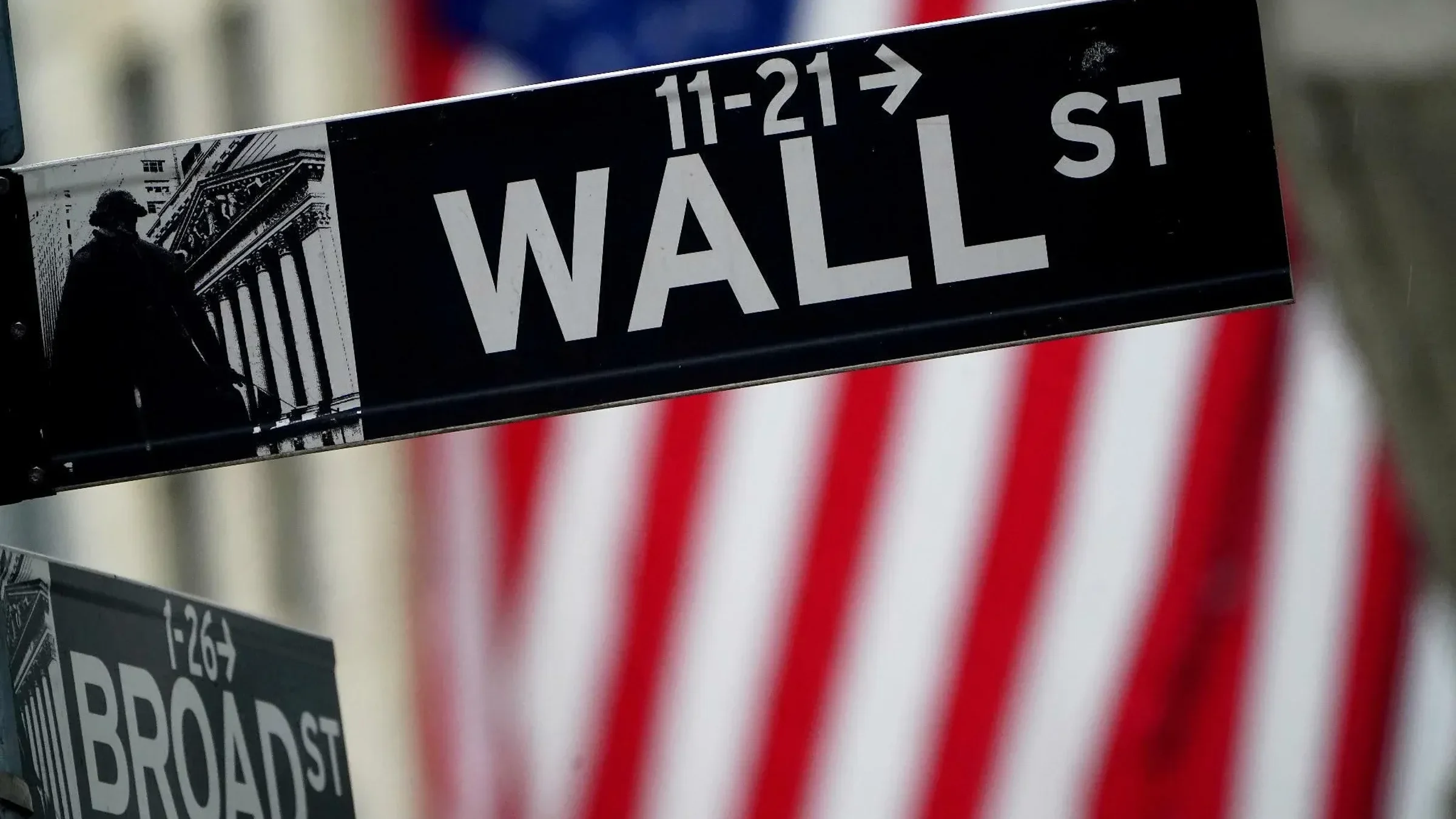
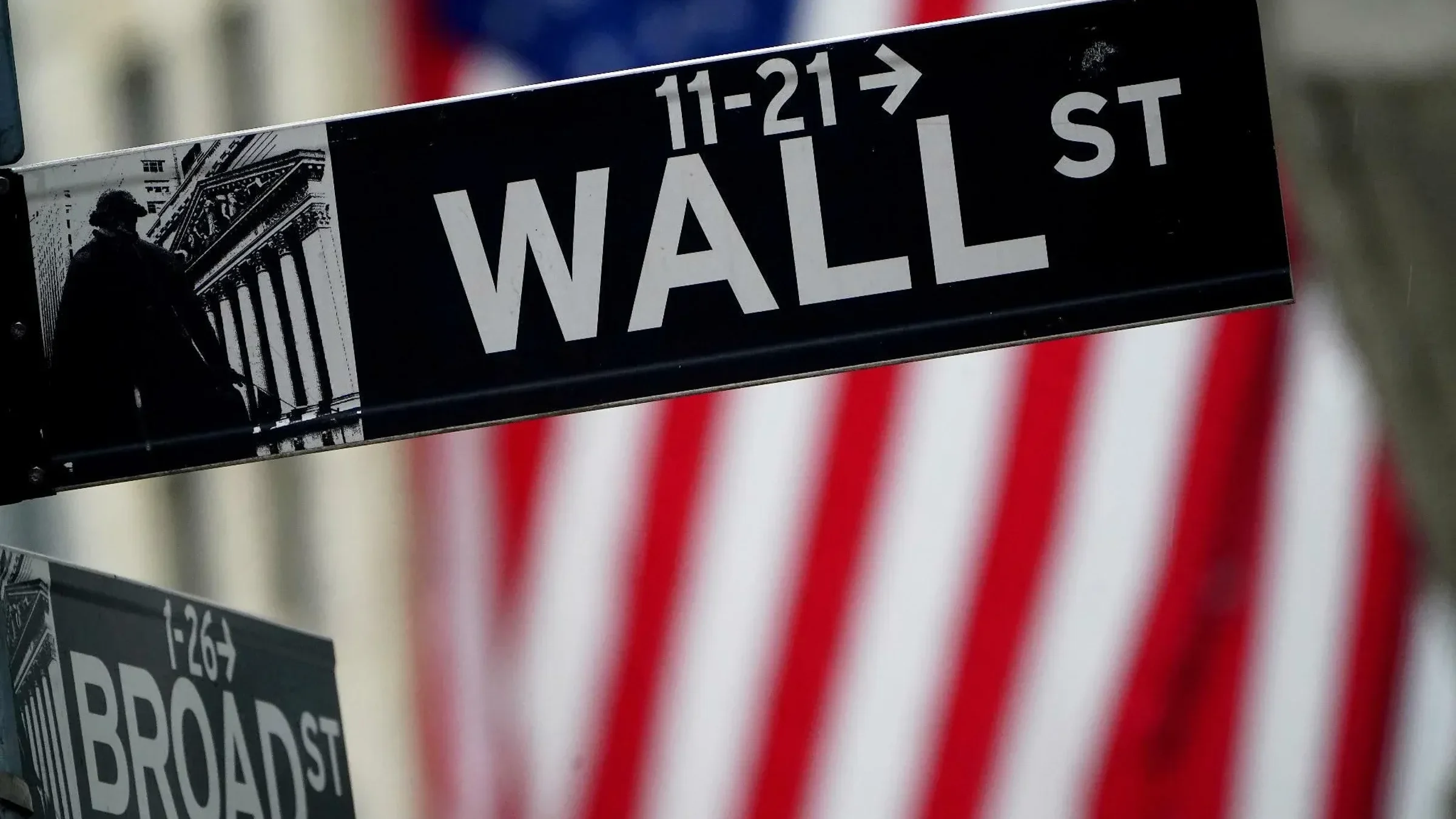
Reports of potential negotiations between the United States and Iran this week have injected a sense of relief into the American markets, though earnings from several major U.S. banks have failed to impress on Wall Street. The complex geopolitical landscape, marked by ongoing tensions and diplomatic maneuvers, has created a bifurcated market reaction, with optimism around de-escalation juxtaposed against concerns over corporate financial performance.
The prospect of renewed dialogue between Washington and Tehran, particularly concerning the protracted Iran conflict, has been a significant driver of market sentiment. According to sources familiar with the matter, negotiation teams from both nations may reconvene in Islamabad as early as this week. While a definitive date has not yet been set, Iranian insiders suggest the period between Friday and Sunday is being kept open for these crucial discussions. This potential breakthrough offers a glimmer of hope for a resolution to a conflict that has destabilized regional security and impacted global economic stability for years.
Geopolitical Undercurrents and Market Reactions
The news of impending talks has been met with cautious optimism by investors. "Markets are reacting to the path towards peace, not the conflict itself," observed Ritesh Ganeriwal, Head of Investment at Syfe Pte in Singapore. He further elaborated that as credible de-escalation becomes visible, "markets will discount the risk." This sentiment underscores a fundamental principle of market behavior: the anticipation of reduced geopolitical risk often leads to a more favorable investment climate, as it alleviates uncertainty and potential disruptions to trade and economic activity.
The conflict involving Iran has been a persistent source of geopolitical friction, with its ramifications extending far beyond the immediate region. Historically, such conflicts have been linked to volatility in energy markets, disruptions in global supply chains, and increased defense spending, all of which can have a profound impact on corporate profitability and investor confidence. The potential for diplomatic resolution, therefore, directly addresses these underlying economic concerns.
A Timeline of Diplomatic Efforts
The groundwork for such potential negotiations has been laid over a considerable period, involving intricate diplomatic channels and multilateral engagements. While specific details of the current overtures remain undisclosed, it is understood that back-channel communications have been ongoing, facilitated by intermediaries. The choice of Islamabad as a potential venue for talks is also significant, given Pakistan’s historical role as a mediator in regional conflicts and its strategic position.
The history of U.S.-Iran relations is fraught with complexity, marked by periods of severe tension and intermittent attempts at engagement. Following the 1979 revolution, diplomatic ties were severed, and relations have since been characterized by a mix of sanctions, proxy conflicts, and punctuated moments of dialogue. The nuclear program of Iran has been a central point of contention, leading to international sanctions that have significantly impacted its economy. The current administration in the United States has, at various times, expressed a willingness to re-engage diplomatically, contingent on specific conditions related to Iran’s nuclear activities and regional behavior.
Economic Data and Corporate Earnings: A Divergent Picture
While the prospect of geopolitical de-escalation offers a positive outlook, the immediate economic data paints a more nuanced picture. The financial results released by several major U.S. banks have reportedly fallen short of market expectations, contributing to a degree of caution on Wall Street. These earnings reports provide a snapshot of the health of the financial sector, which is often seen as a bellwether for the broader economy.

The performance of large financial institutions is influenced by a multitude of factors, including interest rate environments, lending volumes, trading revenues, and the overall economic growth trajectory. Weak earnings in this sector can signal potential headwinds, such as reduced consumer and business spending, increased loan defaults, or a slowdown in investment activities. Investors closely scrutinize these reports for insights into corporate resilience and future profitability.
For instance, if a major bank reports lower-than-anticipated profits, it could be attributed to several factors. A tightening credit market, where lending becomes more restrictive and costly, can dampen loan origination. An increase in provisions for loan losses might indicate concerns about the economic outlook and a higher probability of borrowers defaulting on their obligations. Furthermore, a slowdown in trading and investment banking activities could reflect reduced market volatility or a decrease in mergers and acquisitions, both of which are key revenue drivers for these institutions.

Analysis of Implications
The dual forces of potential diplomatic progress and mixed corporate earnings create a complex environment for market participants. On one hand, a successful resolution or significant de-escalation in the Iran conflict could lead to a broad-based market rally, particularly benefiting sectors that are sensitive to geopolitical risks, such as energy and defense. Reduced uncertainty could also spur investment and consumer spending, leading to a more robust economic recovery.
Conversely, the disappointing earnings from U.S. banks could signal underlying economic vulnerabilities that might persist regardless of geopolitical developments. If these financial institutions are struggling, it could indicate a broader economic slowdown that may not be easily mitigated by external factors. This could lead to a more selective market, where companies with strong fundamentals and resilient business models are favored over those more susceptible to economic downturns.

The interplay between geopolitical stability and economic performance is a constant theme in financial markets. Periods of heightened geopolitical tension often coincide with increased volatility and a flight to safety, while periods of calm can foster risk-taking and investment. The current situation presents a fascinating case study, where optimism about peace is tempered by the reality of corporate financial performance.
Expert Commentary and Future Outlook
Market analysts are closely monitoring developments on both fronts. The success of the potential peace talks with Iran could significantly influence global energy prices, which have a direct impact on inflation and economic growth. A sustained period of lower oil prices, for example, could provide a much-needed boost to consumer spending power and reduce input costs for businesses.

Simultaneously, the trajectory of corporate earnings will provide crucial insights into the resilience of the U.S. economy. Further disappointing results from key sectors could prompt a reassessment of growth forecasts and lead to more cautious investment strategies.
The coming days and weeks will be critical in determining the direction of both geopolitical relations and financial markets. The commitment of both the United States and Iran to engage in constructive dialogue will be paramount. Their ability to navigate complex issues and find common ground could pave the way for a more stable international order and, consequently, a more predictable and favorable economic environment. Investors will be watching closely, seeking to balance the hopeful signs of diplomatic progress with the tangible indicators of economic health. The market’s reaction will ultimately depend on the perceived credibility and sustainability of any agreements reached, as well as the underlying strength of the global economy.