Ena Muazin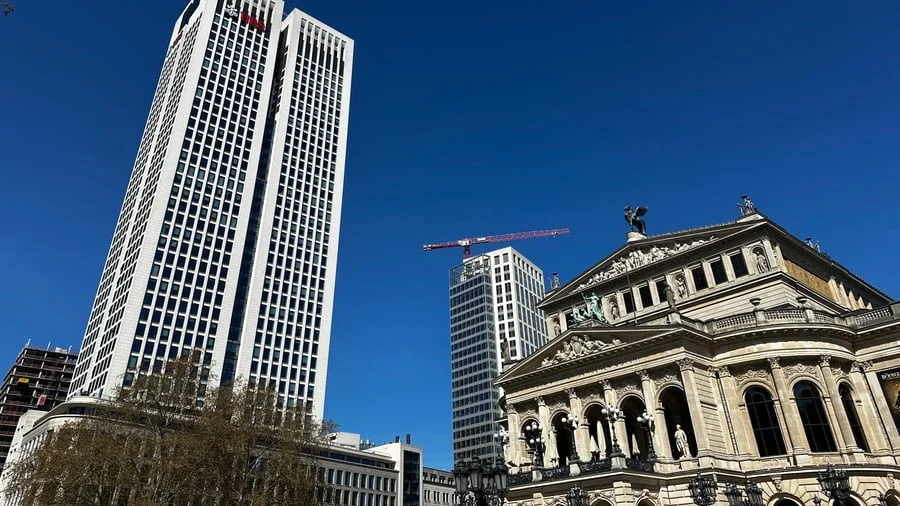
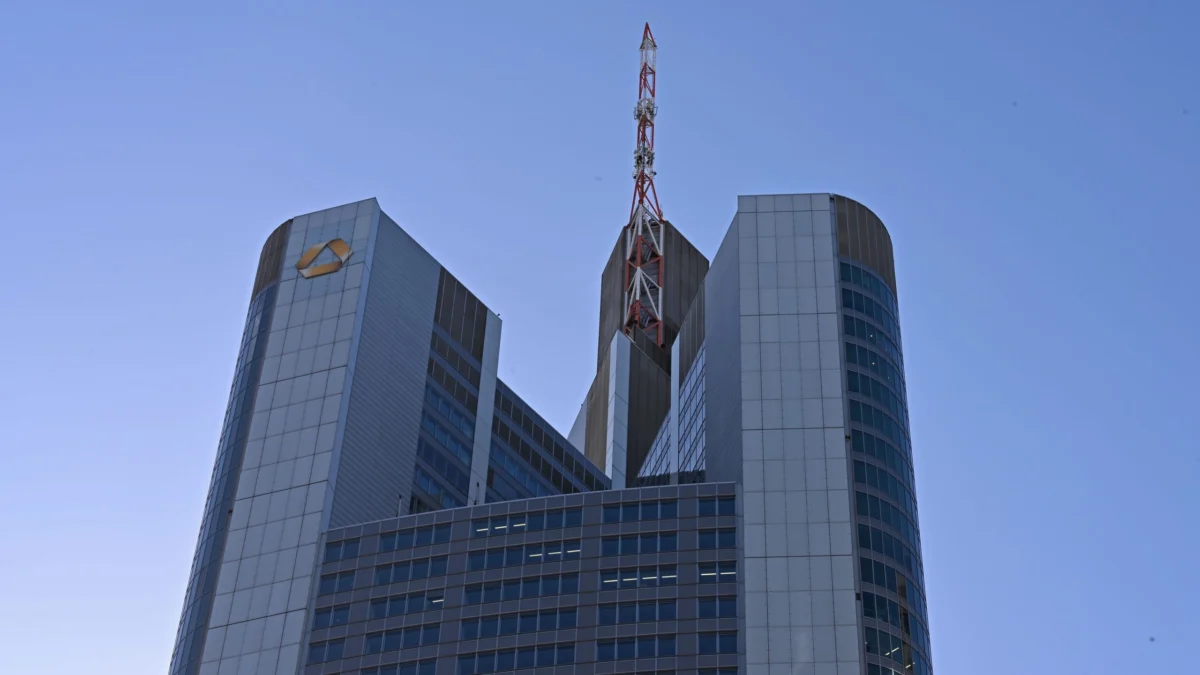
The acquisition of a certain high-profile property in the German real estate market is poised to become more than just a transaction; it is shaping up to be a definitive statement about capital, ambition, and one’s established position within the nation’s dynamic property landscape. While no major international real estate funds are currently emerging as frontrunners for this significant acquisition, the market is abuzz with speculation surrounding a highly discreet bidder, identified as a domestic German entity, that appears intent on making a bold declaration through this purchase. This developing situation offers a compelling glimpse into the evolving strategies and preferences of key players in one of Europe’s most robust real estate sectors.
The property in question, while not explicitly named in initial reports, is understood to be a landmark asset, likely possessing considerable historical, architectural, or strategic importance. Such assets often attract a wide array of potential investors, from institutional giants to private equity firms and high-net-worth individuals. However, the current narrative suggests a departure from the typical international influx of capital that has characterized recent high-value German property deals. Instead, the focus has narrowed to a domestic German buyer, whose deliberate discretion adds an element of intrigue to the unfolding process.
Unveiling the Discreet Suitor: A Domestic Power Play?
The preference for a "very discreet bidder from Germany" suggests a strategic intent that transcends mere asset acquisition. It points towards a buyer who values privacy, perhaps to avoid competitive bidding escalation or to maintain an element of surprise. This also implies a deep understanding of the German market, its regulatory environment, and its cultural nuances, which a domestic player would naturally possess. Unlike international funds that might rely on external advisors and require extensive due diligence on local market specifics, a German buyer likely operates with inherent advantages.
This developing scenario stands in contrast to broader trends observed in the German real estate market over the past decade. Germany, with its stable economy, strong legal framework, and high demand for quality real estate, has consistently attracted significant foreign investment. Major global cities like Berlin, Munich, Frankfurt, and Hamburg have seen substantial inflows from institutional investors from the US, Asia, and other parts of Europe, particularly in commercial sectors like office buildings, logistics, and residential portfolios. The current situation, therefore, hints at a potential recalibration of investment strategies, with domestic players asserting a stronger presence, possibly in response to increased competition or a desire to secure prime assets before they are snapped up by overseas interests.
The Statement: More Than Just Bricks and Mortar
The phrase "setzt ein Statement" (makes a statement) is crucial here. In the context of high-value real estate, this statement can encompass several dimensions:
- Capital Strength: Acquiring a significant property requires substantial financial backing. A successful bid by a discreet domestic entity would underscore their considerable financial resources and confidence in the German market.
- Ambition and Market Position: The choice of a landmark property suggests ambition beyond mere investment. It could be about enhancing brand visibility, solidifying a reputation, or signaling a long-term commitment to the German market. This buyer might be looking to establish or reinforce their status as a major player in the German real estate arena.
- Strategic Foresight: The property’s inherent value, whether it’s a prime location, historical significance, or development potential, indicates strategic foresight. The buyer is likely anticipating future market trends and positioning themselves to capitalize on them.
- Control and Influence: By operating discreetly and potentially outmaneuvering larger, more visible competitors, the buyer signals a desire for control and influence over the acquisition process and the future of the asset.
Background Context: A Resilient Yet Evolving Market
The German real estate market has historically been a bastion of stability and a preferred safe haven for investors. Even amidst global economic uncertainties, it has demonstrated resilience. However, recent years have presented new challenges and opportunities.
- Rising Interest Rates: The global shift towards higher interest rates has impacted real estate financing, potentially making it more challenging for highly leveraged buyers and altering valuation expectations. This could be a factor influencing the types of bidders now actively pursuing assets.
- Inflationary Pressures: While inflation can sometimes drive up property values, it also increases construction costs and operational expenses, requiring careful management.
- Demand Dynamics: Despite economic headwinds, demand for quality residential and commercial space in key German cities remains robust, driven by factors such as urbanization, a strong job market, and a growing population.
- ESG Considerations: Environmental, Social, and Governance (ESG) factors are increasingly influencing investment decisions, with a growing emphasis on sustainable and energy-efficient properties.
The current situation, where a discreet domestic buyer is reportedly favored over large international funds, could be a symptom of these evolving market dynamics. Perhaps the terms of the deal, the specific asset’s characteristics, or the current financing landscape are more amenable to a buyer with deep local knowledge and a less complex, potentially more agile, decision-making process.
A Timeline of Discretion: The Bidding Process Unfolds
While specific dates are not provided, the progression of such a significant real estate transaction typically follows a structured, albeit often confidential, timeline.
- Initial Interest and Due Diligence: Potential buyers would have expressed interest, likely through intermediaries or direct contact with the seller or their representatives. This phase involves extensive due diligence, including financial assessments, legal reviews, and property inspections. The discreet nature of the current leading bidder suggests this phase has been conducted with utmost privacy.
- Offer Submission: Bidders submit their proposals, outlining purchase price, financing terms, and conditions. In a competitive environment, multiple rounds of offers might occur. The fact that a discreet German buyer is emerging as a frontrunner implies their offer has met or exceeded the seller’s expectations, possibly without the fanfare associated with larger, more publicly declared bids.
- Negotiation and Preferred Bidder Selection: The seller negotiates with the most promising bidders. The selection of a "discreet bidder" as a favorite suggests a successful negotiation phase where trust and a clear path to closing have been established.
- Conditional Agreement: A conditional agreement might be reached, subject to final approvals, financing, or other specific terms.
- Closing: The final transfer of ownership occurs, marking the completion of the transaction.
The emphasis on the buyer’s discretion throughout this process likely means that details regarding the valuation, specific terms, and even the identity of the seller are being carefully guarded. This is common in high-stakes real estate deals, especially when unique or historically significant assets are involved.
Supporting Data: The German Real Estate Landscape
To contextualize this development, it is helpful to consider recent data points concerning the German real estate market:
- Investment Volumes: While precise figures for the current period are pending, annual investment volumes in German commercial real estate have historically reached tens of billions of Euros. For instance, in 2021, investment volumes in German real estate exceeded €100 billion, with a significant portion attributed to international investors. However, the market has seen fluctuations, with some reports indicating a slowdown in certain segments in late 2022 and early 2023 due to economic uncertainties and rising interest rates.
- Prime Property Valuations: Valuations for prime properties in major German cities remain exceptionally high, reflecting their desirability and long-term value. While yield compression has been a trend, the current interest rate environment is leading to a repricing of assets.
- Domestic Investor Share: While international capital has been a dominant force, domestic investors, including institutional investors, insurance companies, and private individuals, have always played a crucial role. Their share can fluctuate depending on market conditions and specific asset classes. The current situation might indicate a higher propensity for domestic investors to secure key assets when international players are more cautious or facing different financing challenges.
- Logistics and Residential Demand: These sectors have been particularly strong, driven by e-commerce growth and housing shortages, respectively. However, even these resilient sectors are not immune to broader economic shifts.
The fact that a discreet German buyer is being favored over larger funds might suggest that they are able to offer more attractive terms, such as faster closing times, a more secure financing package, or a greater degree of certainty in the transaction’s execution, all of which are highly valued by sellers.
Potential Implications and Analysis
The emergence of a discreet domestic buyer as a frontrunner in a high-profile German real estate acquisition carries several potential implications:
- Shift in Investment Strategies: It could signal a broader trend of domestic investors becoming more assertive in securing prime assets, potentially due to a more favorable risk-reward assessment compared to international counterparts in the current climate.
- Increased Competition for Domestic Players: If this trend continues, it could lead to increased competition among German investors themselves for premium properties, potentially driving up prices for certain asset classes.
- Focus on Long-Term Value: A discreet buyer, especially a domestic one, might be focused on the long-term intrinsic value and strategic importance of the asset rather than short-term speculative gains, which can be a hallmark of institutional fund strategies.
- Market Sentiment: Such a move, even if discreet, can influence market sentiment. It might encourage other domestic entities to explore similar acquisitions or reinforce the attractiveness of the German market for strategic, long-term investments.
- Seller Preferences: The seller’s preference for a discreet domestic bidder, rather than a large fund, might suggest a desire for a partner who understands the local market deeply, offers a streamlined negotiation process, or aligns with their vision for the property’s future. This could also be an indication that the seller is prioritizing certainty of completion over maximizing the absolute highest bid, especially if the larger funds present more complex approval processes or financing hurdles in the current environment.
Official Responses and Market Reactions (Inferred)
Given the discreet nature of the transaction, explicit official statements from the buyer or seller are highly unlikely at this stage. However, the market itself will react.
- Industry Observers: Real estate analysts and market commentators will be closely watching for confirmation of the deal and the identity of the buyer. Any confirmed acquisition of this magnitude by a domestic entity will be a subject of discussion and analysis in industry publications and investor circles.
- Intermediaries: Real estate agencies and investment banks involved in the transaction, while bound by confidentiality, will likely be privy to the developments and may offer insights (anonymized, of course) into the dynamics of the deal.
- Competitors: Other potential bidders, particularly international funds, may re-evaluate their strategies for the German market based on this development, potentially shifting their focus to other asset classes or geographies if prime properties become more contested by domestic players.
The narrative emerging around this property acquisition is one of strategic depth and evolving market dynamics within Germany. It underscores that while international capital remains a significant force, domestic players are actively shaping the landscape, making their own powerful statements through calculated and often discreet investments. The full story of this transaction will undoubtedly be a subject of keen interest as it unfolds.