Ena Muazin
The symbiotic relationship between traditional banks and the burgeoning private credit sector is increasingly coming under the microscope, with recent events highlighting the inherent risks embedded in their close financial entanglement. What was once perceived as a mutually beneficial partnership, where banks provided capital to private credit funds to facilitate larger deals and earn stable interest, is now showing signs of strain. The potential for conflict, as exemplified by the dispute between investment firm Jefferies and U.S. bank Western Alliance, underscores a growing concern within the financial industry: a rising tide of defaults in the private credit market could trigger broader systemic instability.

The Evolving Landscape of Private Credit
Private credit, also known as private debt or direct lending, refers to debt financing provided by non-bank lenders to companies. This sector has experienced exponential growth over the past decade, driven by a confluence of factors. Following the 2008 financial crisis, banks faced stricter regulatory oversight and capital requirements, leading them to reduce their direct lending activities. This created a vacuum that private credit funds, often backed by institutional investors like pension funds, sovereign wealth funds, and asset managers, were eager to fill.
These funds offer flexible, bespoke financing solutions, often to mid-market companies that may not have access to traditional bank loans or public debt markets. They can provide capital for a range of purposes, including leveraged buyouts, growth capital, refinancing, and distressed situations. The appeal for investors lies in the potential for higher yields compared to traditional fixed-income instruments, often achieved through illiquidity premiums and direct negotiation with borrowers.

For banks, their involvement with private credit funds typically takes the form of providing credit lines, warehousing loans for securitization, or participating in syndicated loans originated by these funds. This arrangement can be profitable for banks, offering a steady stream of interest income with seemingly lower risk, as the private credit funds bear the primary borrower relationship and the associated direct credit risk. However, this interconnectedness also creates a hidden layer of exposure.
The Jefferies vs. Western Alliance Dispute: A Case Study in Risk
A prominent legal battle between Jefferies, a global investment banking firm, and Western Alliance Bank, a prominent U.S. regional bank, has brought these risks into sharp focus. The dispute centers on approximately $126 million in loans that Western Alliance Bank is demanding from Jefferies. These loans were reportedly secured by assets of First Brands, an auto parts manufacturer, which has since filed for bankruptcy.
Western Alliance claims that Jefferies breached its contractual obligations by failing to repay the loans after the collateral’s value diminished due to First Brands’ insolvency. Jefferies, however, has vehemently refuted these allegations, labeling the bank’s claims as "absurd" and asserting that it acted within the bounds of the agreement. This legal confrontation highlights a critical vulnerability: when the underlying collateral or borrower falters, the contractual obligations between financial institutions can become a source of significant contention and financial loss.
The specifics of the agreement between Jefferies and Western Alliance are crucial to understanding the legal ramifications. Typically, in such loan-on-loan or financing arrangements, there are clear provisions regarding default, collateral valuation, and recourse. The fact that a dispute of this magnitude has escalated to litigation suggests a potential ambiguity in the contractual terms or a fundamental disagreement on the interpretation of events leading to the default.

Escalating Defaults and Market Concerns
The Jefferies-Western Alliance case is not an isolated incident but rather a symptom of broader anxieties gripping the private credit market. Several macroeconomic factors are contributing to an increase in corporate defaults, creating a more challenging environment for lenders.
- Rising Interest Rates: Central banks globally have aggressively raised interest rates to combat inflation. This has significantly increased the cost of borrowing for companies, making it harder for them to service their existing debt, particularly those with floating-rate loans. For companies that have taken on substantial debt in a low-interest-rate environment, the sharp increase in borrowing costs can quickly render their business models unsustainable.
- Slowing Economic Growth: The specter of a global economic slowdown or recession looms large. Reduced consumer spending and business investment can impact corporate revenues and profitability, further straining their ability to meet debt obligations.
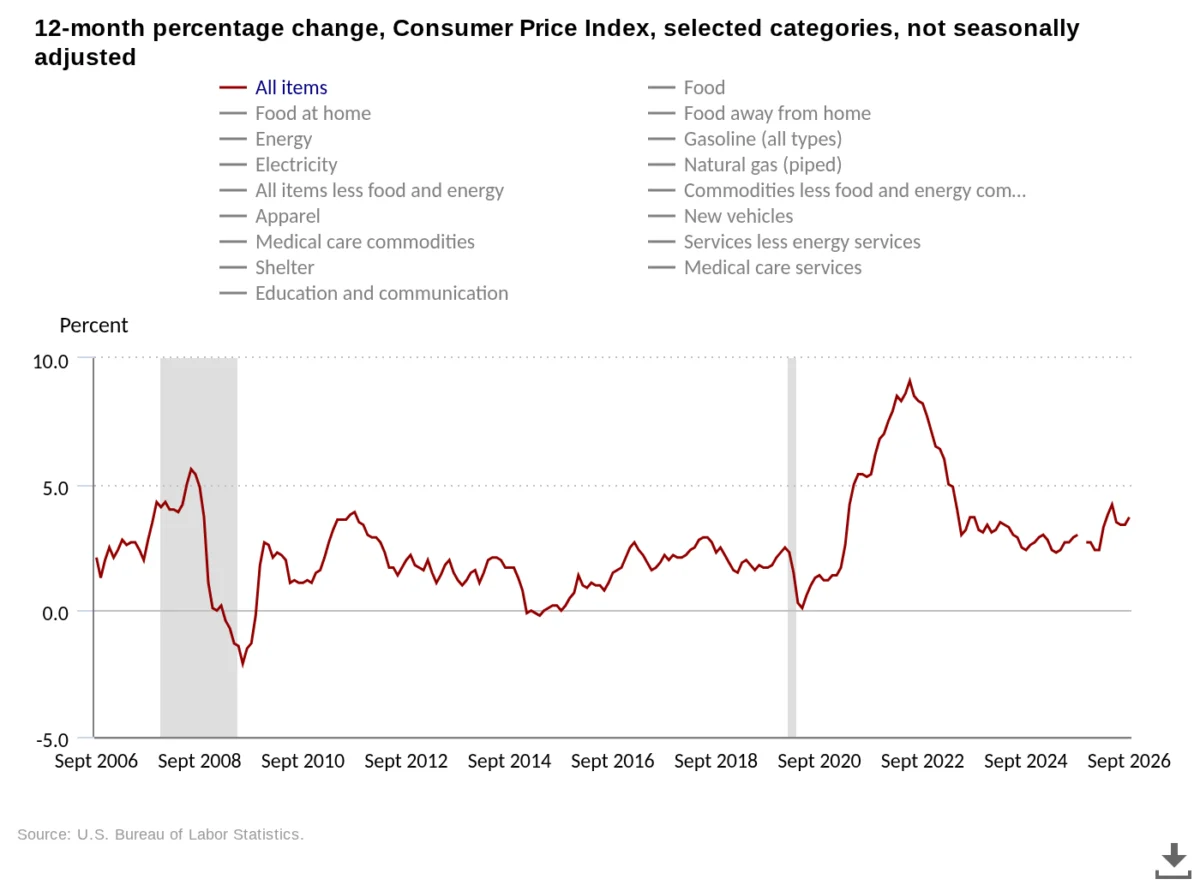
- Inflationary Pressures: While interest rate hikes aim to curb inflation, persistent inflationary pressures can still erode corporate margins by increasing the cost of raw materials, labor, and other operational expenses.
- Maturing Debt Loads: A significant volume of private credit has been originated over the past decade. Much of this debt is now reaching its maturity, requiring borrowers to either refinance at potentially higher rates or face default.
These headwinds are contributing to a noticeable uptick in defaults and bankruptcies across various sectors, including those heavily financed by private credit. Reports from credit rating agencies and financial analysis firms indicate a steady rise in distressed debt levels within private credit portfolios. For instance, S&P Global Market Intelligence reported a significant increase in default rates for U.S. leveraged companies in late 2023 and early 2024, a trend that is expected to continue.

The Role of Artificial Intelligence in Market Disruptions
Adding another layer of complexity to the current financial landscape is the disruptive potential of artificial intelligence (AI). The article briefly touches upon how AI is impacting business models, particularly in the software sector. This has broader implications for the financial markets.
AI-powered tools are rapidly transforming industries, leading to both opportunities and threats. Companies that fail to adapt to AI-driven changes risk becoming obsolete. This could manifest in decreased competitiveness, declining revenues, and ultimately, an increased risk of insolvency. For lenders in the private credit space, understanding and assessing the impact of AI on their borrowers’ long-term viability is becoming a critical, yet challenging, aspect of risk management. The potential for AI to accelerate obsolescence and trigger widespread business failures could exacerbate the default cycle in private credit.

Broader Implications for the Financial System
The interconnectedness between banks and private credit funds means that distress in the private credit market can have ripple effects throughout the broader financial system.
- Liquidity Risks: If private credit funds face significant redemption requests from their investors due to mounting defaults, they may be forced to sell assets rapidly, potentially at distressed prices. This could lead to a liquidity crunch, affecting not only the funds themselves but also the banks that have provided them with credit lines or other forms of financing.
- Contagion Effect: A major default event or a series of defaults could erode investor confidence in the private credit sector as a whole. This could lead to a broader withdrawal of capital, impacting the availability of financing for businesses across the economy.
- Regulatory Scrutiny: The increasing scale and complexity of the private credit market, coupled with its growing entanglement with traditional banking, are attracting the attention of regulators. Concerns about systemic risk, investor protection, and market transparency are likely to lead to increased oversight and potentially new regulations governing the sector. The Financial Stability Board (FSB) and other international regulatory bodies have been monitoring the growth of private credit and its potential to create vulnerabilities.
The Interplay of Banks and Private Credit: A Delicate Balance
The current situation presents a delicate balancing act for both banks and private credit providers.

For Banks:
- Enhanced Due Diligence: Banks must conduct more rigorous due diligence on private credit funds, assessing not only their investment strategies but also their underlying portfolio quality, risk management practices, and capital buffers.
- Portfolio Diversification: Over-reliance on a single fund or a concentrated exposure to specific industries within the private credit market can be risky. Banks need to diversify their exposures and monitor their overall risk appetite.
- Scenario Analysis: Implementing robust stress testing and scenario analysis to understand the potential impact of various market shocks, including rising defaults and liquidity crises, on their exposure to private credit is crucial.
For Private Credit Funds:

- Proactive Risk Management: Fund managers need to be proactive in identifying and mitigating risks within their portfolios. This includes careful borrower selection, robust loan covenants, and continuous monitoring of borrowers’ financial health.
- Diversification of Funding Sources: While banks are a key source of capital, private credit funds may also seek to diversify their funding by tapping into other institutional investors or developing more resilient capital structures.
- Transparency and Communication: Maintaining transparency with investors and stakeholders about the risks and performance of their portfolios is essential for building and maintaining trust.
Looking Ahead: Navigating Uncertainty
The trajectory of the private credit market in the coming years will depend on a multitude of factors, including the path of interest rates, the resilience of the global economy, and the effectiveness of risk management strategies employed by both lenders and borrowers. The current landscape, marked by rising defaults and legal disputes, serves as a stark reminder that the growth of alternative finance, while offering valuable opportunities, is not without its inherent perils.
The close ties between banks and the private credit sector, once seen as a source of strength and efficiency, now represent a critical nexus of potential vulnerability. As the financial system continues to evolve, the lessons learned from these emerging challenges will be crucial in ensuring the stability and integrity of global financial markets. The industry, regulators, and investors alike will need to adapt to a more complex and potentially volatile environment, where careful assessment and proactive risk management are paramount.