Rifan Muazin
The Federal Reserve’s Open Market Committee (FOMC) concluded its two-day policy meeting on March 18, 2026, opting to maintain the target range for the federal funds rate at 3-1/2 to 3-3/4 percent. This decision, widely anticipated by financial markets and economists, signals the central bank’s continued vigilance in its battle against inflation while acknowledging a resilient, albeit moderating, economic landscape. The Committee’s statement, released at 2:00 p.m. EDT, underscored a nuanced economic assessment: a solid pace of economic expansion, low and largely unchanged unemployment, and inflation that remains stubbornly above the Fed’s long-term 2 percent target.
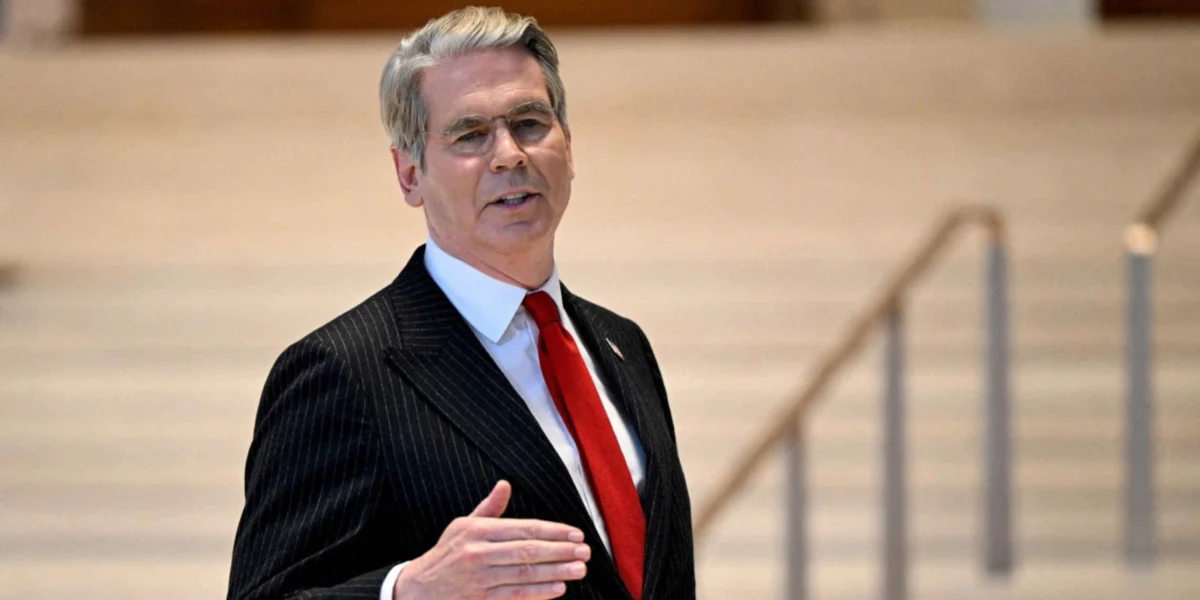
The vote to keep rates unchanged was nearly unanimous, with eleven members voting in favor and one dissenting voice, Stephen I. Miran, who advocated for a 1/4 percentage point reduction. This singular dissent highlights the ongoing debate within the central bank regarding the optimal timing for potential rate cuts, balancing the risks of overtightening and triggering a recession against the imperative to fully anchor inflation expectations at the target level. The Committee emphasized its commitment to achieving maximum employment and price stability, reiterating its data-dependent approach to future monetary policy adjustments, which will hinge on incoming economic data, the evolving outlook, and a careful assessment of risks.
A Persistent Stance in the Fight Against Inflation
The Federal Reserve’s decision to hold rates reflects a strategic pause in its aggressive tightening cycle that began in early 2022. After embarking on a rapid series of rate hikes from near-zero levels to combat the highest inflation in decades, the FOMC has shifted towards a more cautious, wait-and-see approach. This period of elevated interest rates is designed to cool aggregate demand, thereby easing price pressures across the economy. Despite significant progress in bringing down the peak inflation rates observed in 2022, the journey to the Fed’s 2 percent target has proven protracted, with various measures of inflation showing resilience.
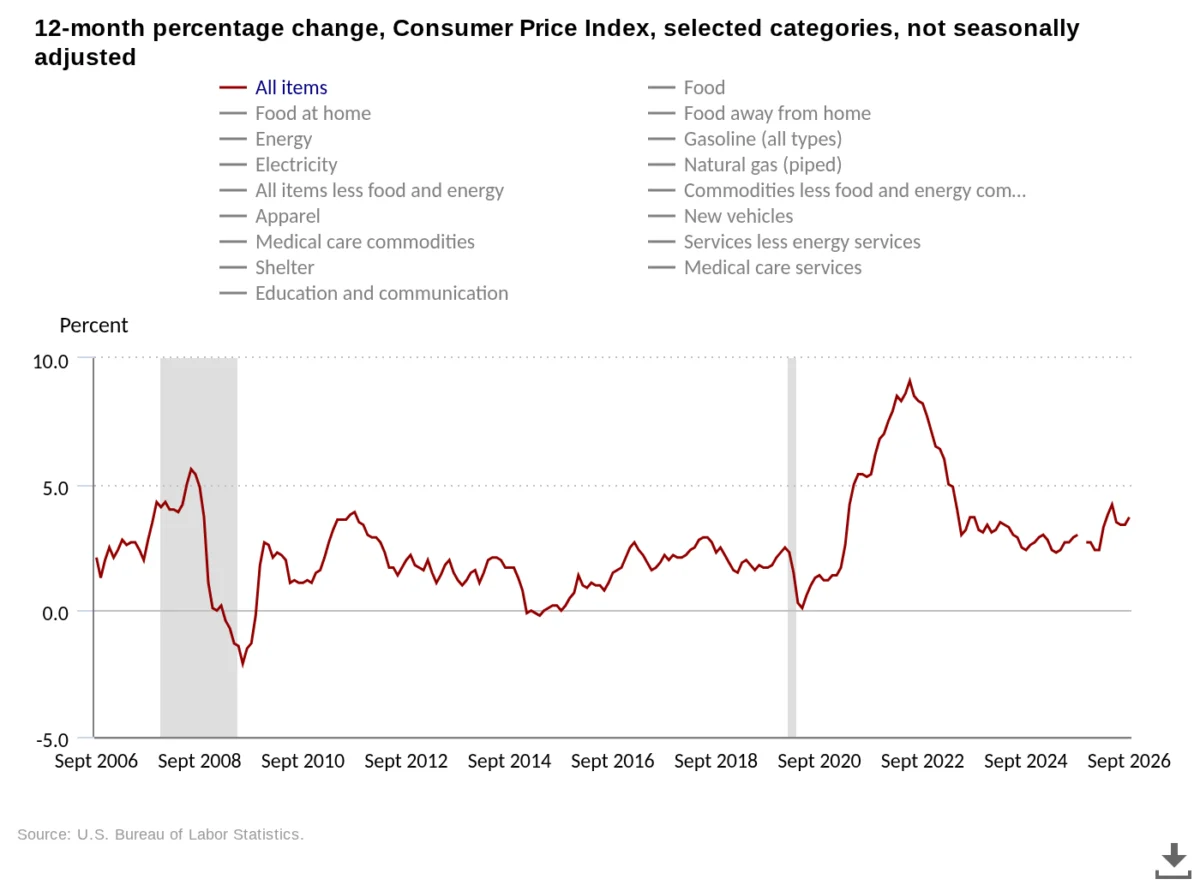
For instance, the Consumer Price Index (CPI), a key gauge of inflation, hovered around 3.2 percent year-over-year in February 2026, with the Personal Consumption Expenditures (PCE) price index, the Fed’s preferred inflation metric, slightly lower but still above 2 percent. This "somewhat elevated" inflation is a primary concern for policymakers, as sustained price stability is crucial for long-term economic health and predictable planning by businesses and households. The Fed’s dual mandate tasks it with fostering both maximum employment and stable prices, two objectives that can sometimes present competing demands.
Economic Backdrop: Solid Growth Amidst Geopolitical Shadows
The Committee’s assessment of economic activity described expansion at a "solid pace." This characterization is supported by recent indicators such as a robust Q4 2025 annualized GDP growth rate, estimated at around 2.3 percent, driven by resilient consumer spending and moderate business investment. Despite concerns about the lagged effects of higher interest rates, the American economy has demonstrated remarkable durability, defying many predictions of an impending recession.
The labor market, while showing some signs of normalization from its post-pandemic tightness, remains robust. The unemployment rate has held steady at approximately 3.8 percent for several months, indicating a strong job market that continues to provide opportunities for workers. The statement noted that "job gains have remained low," which, in context with a "little changed" unemployment rate and "solid pace" of activity, suggests a moderation in the pace of job creation from the exceptionally high levels seen immediately following the pandemic recovery, rather than outright weakness. This moderation is often viewed as a healthy rebalancing of the labor market, reducing upward wage pressures without leading to significant job losses.
However, the economic outlook is not without its complexities. The FOMC explicitly noted "elevated uncertainty about the economic outlook," a sentiment amplified by global developments. Specifically, the Committee highlighted the "uncertain implications of developments in the Middle East for the U.S. economy." Geopolitical instability has the potential to disrupt global supply chains, drive up energy prices, and dampen business and consumer confidence, posing a significant risk to the current economic trajectory. Such external shocks can complicate the Fed’s efforts to manage domestic economic conditions and achieve its mandated objectives.
A Chronicle of Tightening and Pausing
The current federal funds rate range of 3-1/2 to 3-3/4 percent represents a significant increase from the near-zero levels that prevailed during the initial phase of the COVID-19 pandemic. The Federal Reserve initiated its aggressive rate-hiking campaign in March 2022, with a series of incremental increases that accelerated to 75-basis-point hikes for several consecutive meetings. This rapid tightening was a direct response to inflation surging to over 9 percent year-over-year by mid-2022.
By late 2023, as inflation began to show signs of deceleration and the economy proved more resilient than expected, the pace of rate hikes moderated. The FOMC shifted to smaller, 25-basis-point increases, eventually pausing the hiking cycle in mid-2024 to allow the cumulative effects of its tightening to work through the economy. The federal funds rate has been maintained within its current range for the past three consecutive meetings, reflecting the Committee’s cautious approach as it assesses the full impact of its policies and awaits clearer signals that inflation is firmly on a path to 2 percent.
Key economic reports leading up to the March 2026 meeting included:
- February 2026 Jobs Report: Showed moderate job gains of approximately 150,000 non-farm payrolls, with the unemployment rate holding steady at 3.8%. Wage growth moderated slightly, signaling a cooling but still tight labor market.
- February 2026 CPI Data: Indicated a year-over-year inflation rate of 3.2%, with core CPI (excluding volatile food and energy) at 3.0%, reinforcing the "somewhat elevated" assessment.
- Q4 2025 GDP Report (Third Estimate): Confirmed solid economic growth, with annualized expansion around 2.3%, primarily driven by consumer spending.
- Manufacturing and Services PMIs: Showed continued, albeit slower, expansion in both sectors, suggesting underlying economic momentum.
These data points collectively painted a picture of an economy that is expanding robustly enough to avoid recession but where inflation remains a persistent concern, justifying the Fed’s decision to maintain its restrictive stance.
The Dissenting Voice: A Call for Easing
The lone dissenting vote came from Stephen I. Miran, who preferred to lower the target range for the federal funds rate by 1/4 percentage point at this meeting. While the statement does not elaborate on the reasons for individual votes, Miran’s stance likely reflects a belief that current monetary policy may be overly restrictive, posing an unnecessary risk to economic growth or labor market conditions.
Arguments for a rate cut at this juncture could include:
- Progress on Inflation: Acknowledging the significant decline in inflation from its peak, Miran might argue that the current rate is sufficient, or even excessive, to achieve the 2 percent target in due course, and that holding rates too high for too long could inadvertently push the economy into a downturn.
- Lagged Effects: Monetary policy operates with a lag. Miran might be concerned that the full impact of previous rate hikes has yet to be felt, and further delay in easing could lead to an eventual overcorrection or a "hard landing" for the economy.
- Balancing the Mandate: While inflation remains "somewhat elevated," a strong focus on maintaining maximum employment might lead some policymakers to prioritize supporting economic activity if they perceive inflation risks as manageable and on a downward trajectory.
- Financial Stability Concerns: Prolonged periods of high interest rates can stress certain sectors of the economy or financial markets. A modest cut might be seen as a proactive step to mitigate such risks.
Despite Miran’s dissent, the broad consensus among the Committee members underscores a collective prudence, prioritizing the sustained return to price stability even at the risk of maintaining a tighter financial environment for longer.
Implications for Markets, Businesses, and Consumers
The Federal Reserve’s decision to hold rates has several immediate and longer-term implications across the economy.
Financial Markets
Equity markets generally reacted with muted responses, having largely priced in a rate hold. However, the slightly hawkish undertone – particularly the continued emphasis on elevated inflation and geopolitical uncertainty – may temper enthusiasm for significant rallies. Bond yields, especially for shorter-term Treasury bills, remained relatively stable or saw minor upward pressure, reflecting expectations of "higher for longer" interest rates. The U.S. dollar could see some strengthening against other major currencies, as the Fed maintains a comparatively tighter monetary policy stance than some of its global counterparts.
Businesses
For businesses, the continued high cost of borrowing means that investment decisions requiring financing will remain under scrutiny. Companies will likely continue to prioritize cost-cutting and efficiency improvements over aggressive expansion. Small and medium-sized enterprises (SMEs) often feel the pinch of higher interest rates more acutely, as they may have less access to diverse funding sources. Hiring decisions may also remain conservative, contributing to the "low job gains" observed by the Fed.
Consumers
Consumers will continue to face elevated borrowing costs for mortgages, auto loans, and credit card debt. Mortgage rates, tied to longer-term Treasury yields and the Fed’s policy outlook, are expected to remain above pre-tightening levels, potentially impacting housing affordability and sales. Conversely, savers will continue to benefit from higher interest rates on bank deposits and money market accounts, offering a silver lining for those with liquidity. The sustained restrictive policy aims to eventually bring down overall inflation, which would improve purchasing power over time, but the immediate impact is higher cost of credit.
Looking Ahead: The Data-Dependent Path
The FOMC’s statement reiterated its commitment to being "prepared to adjust the stance of monetary policy as appropriate if risks emerge that could impede the attainment of the Committee’s goals." This explicit data-dependency means that future decisions will be heavily influenced by forthcoming reports on labor market conditions, inflation pressures, inflation expectations, and broader financial and international developments.
The path forward for the Federal Reserve remains complex. While the Committee has made significant strides in taming inflation, the final leg of the journey to the 2 percent target is often the most challenging. The risk of prematurely easing policy, leading to a resurgence of inflation, weighs heavily on policymakers. Conversely, holding rates too high for too long risks stifling economic growth and potentially causing unnecessary job losses.
Market participants will now keenly watch for any signals from Fed officials, particularly Chair Jerome H. Powell, regarding the timing and magnitude of potential rate cuts. The consensus among many economists suggests that if inflation continues its gradual descent towards 2 percent and the labor market shows signs of softening without collapsing, the Fed could begin to ease policy later in 2026. However, the lingering "somewhat elevated" inflation and geopolitical uncertainties indicate that the central bank remains firmly in a mode of caution, prioritizing the full and sustainable achievement of its price stability mandate. The "Implementation Note issued March 18, 2026," linked by the Fed, provides further technical details regarding the implementation of the FOMC’s policy decision, underscoring the methodical and detailed approach the central bank takes in its critical role overseeing the nation’s monetary policy.